Best Hotels in Shibuya, Tokyo: Where to Stay Near the Crossing
Top-rated hotels in Shibuya with real reviews. Budget to luxury options near Hachiko and Shibuya Crossing. Book direct or compare prices.
Best Hotels in Shibuya, Tokyo: Where to Stay Near the Crossing
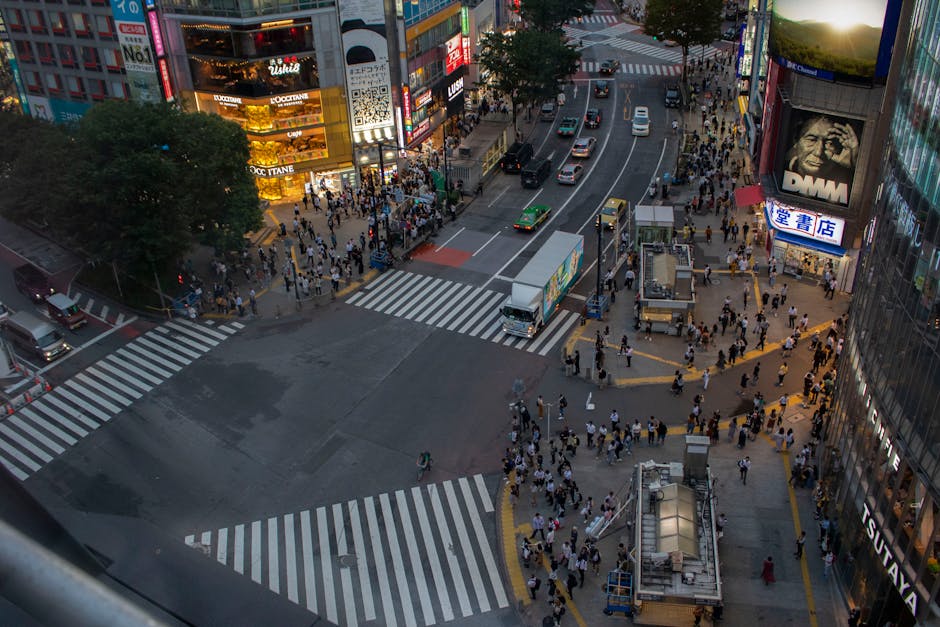
Shibuya is Tokyo’s most photographed neighbourhood, famous for the scramble crossing and the energy that hits you the moment you exit the station. But here’s what most guides won’t tell you: Shibuya itself isn’t where locals live or spend quiet evenings. It’s a transit hub and shopping district that clears out after 11 PM. That said, it’s perfectly positioned for exploring Tokyo, with train lines fanning out in all directions.
After a year living in Tokyo, Daniel spent a few weeks staying in Shibuya to understand the hotel landscape here. The best hotels in Shibuya aren’t necessarily the most luxurious ones, they’re the ones that understand what you actually need: proximity to trains, a good bed after walking for 8 hours, and a location that doesn’t trap you in a tourist bubble. This guide covers the hotels that deliver on those fronts, from business class to luxury.
Luxury Hotels in Shibuya: Premium Comfort and Service
If you’re looking for high-end accommodation with the Shibuya name attached, your options cluster around two areas: the Dogenzaka side near the crossing itself, and the quieter Sendagaya area south of the station.
Mitsui Garden Hotel Shibuya sits on the east side of the station, about a 4-minute walk. This is modern Japanese hospitality done properly. Rooms are compact (you’ll notice this at most Tokyo hotels, even luxury ones), but the beds are excellent and the view from higher floors looks straight at the Hachiko statue. The staff speaks English well, breakfast includes both Japanese and Western options, and there’s a decent onsen (hot spring bath) on the upper floor. This isn’t pretentious luxury, it’s functional luxury. Rates start around 180,000 yen per night (roughly $1,200 USD), which is expensive but reasonable for the location and service.
Cerulean Tower Tokyu Hotel is positioned on Dogenzaka Hill, slightly removed from the street chaos but still walking distance from the crossing. The tower design feels distinctly 1990s in a way that’s somehow charming. Rooms are larger than average Tokyo hotel rooms, and the views of Shibuya from higher floors are genuinely stunning, especially at night. The onsen and pool are proper amenities, not afterthoughts. You’re paying for the view and space here, starting around 200,000 yen per night.
The Ritz-Carlton Tokyo isn’t technically in Shibuya ward, but it’s on the border in Roppongi, reachable in one train stop. If you want the most polished luxury experience in the area, this is it. Japanese service standards meet Western luxury hotel expectations. The price reflects this, starting at 250,000 yen per night and climbing significantly.
Mid-Range Hotels: The Best Value in Shibuya
This is where smart travellers find their advantage. Mid-range Tokyo hotels offer 80% of the comfort of luxury properties at 40-50% of the price. Shibuya has several excellent options in this bracket.
Tokyu Stay Shibuya is directly connected to Shibuya Station on the south exit, which means you can walk there underground without dealing with weather or crowds. Rooms are small but cleverly designed, and the location advantage is genuine, it saves you 10 minutes each direction compared to walking from other hotels. The hotel has self-service laundry facilities, which matters if you’re staying more than 4-5 days. Rates around 90,000-120,000 yen per night.
Daiwa Roynet Hotel Shibuya is 5-7 minutes from the station heading southeast toward Sendagaya. The advantage here is that you’re just far enough from the peak Shibuya chaos to feel residential, but still connected via train to everywhere else. Rooms are larger than typical business hotels and include a small kitchenette area. The breakfast buffet is solid, not fancy but well-stocked with Japanese and Western options. Rates around 85,000-110,000 yen per night.
Richmond Hotel Premier Asakusa isn’t in Shibuya, but it earns a mention because the Tokyu Den-en-toshi Line connects Shibuya to Asakusa in 20 minutes, and you’ll get dramatically more space and character staying in Asakusa proper while still reaching central Tokyo quickly. Hotels in Asakusa are 40-50% cheaper than Shibuya equivalents. If you’re willing to trade the Shibuya address for better accommodation value, this is the move.
Budget Hotels: Business Class and Capsules
Tokyo’s budget hotel scene is where the city shines for value-conscious travellers. The business hotel chains (Dormy Inn, APA Hotel, Toyoko Inn) offer spotless rooms, fast wifi, and usually a decent breakfast, with minimal frills.
Dormy Inn PREMIUM Shibuya is steps from the station’s east exit. The PREMIUM line is Dormy’s higher tier, meaning rooms are slightly larger, breakfast is better, and there’s an onsen. Standard Dormy rooms are around 50,000-70,000 yen per night, the PREMIUM tier is 70,000-90,000 yen. You won’t feel like you’re roughing it, and the room will be cleaner than hotels three times the price.
Toyoko Inn Tokyo Shibuya is about 10 minutes walk from the station heading toward Omote-sando. Business hotels from Toyoko Inn are consistent across Japan, so if you’ve stayed in one, you know what to expect. The advantage is the price, around 45,000-65,000 yen per night with breakfast included. Free wifi, fridge in room, small but functional desk. This is where Japanese salarymen stay on business trips, and it’s perfectly fine for tourists who aren’t looking for frills.
Nine Hours Shibuya-North is a capsule hotel positioned in the 9-hour premium capsule chain. Capsule hotels have evolved dramatically in the last decade. These aren’t the coffin-like boxes of 1990s travel blogs. The rooms are compact but upright, with proper beds, good lighting, and a small desk. The shared facilities are clean and modern. Rates around 30,000-45,000 yen per night. This is genuinely good value if you’re solo and don’t need space.
Choosing Your Location Within Shibuya
Shibuya station itself is a junction of multiple train lines. Where your hotel is located relative to which exit determines your convenience. The main lines are:
JR Yamanote Line (Shibuya is a major loop station), JR Shonan-Shinjuku Line (Yokohama, Kamakura directions), Tokyo Metro Ginza Line (Ginza, Roppongi), Tokyo Metro Marunouchi Line (Tokyo Station, Ikebukuro), Tokyu Den-en-toshi Line (Daikanyama, Nakameguro, Asakusa direction), Tokyu Toyoko Line (Yokohama, Daikanyama direction), Keio Inokashira Line (Shinjuku, Koenji). If you’re planning to go to Kamakura on day 3, staying near the Shonan-Shinjuku line exit saves time. If you’re heading to Yokohama, the Toyoko or Den-en-toshi lines matter. Check your planned itinerary against station exits before booking.
Best Times to Book and Seasonal Considerations
Shibuya hotels fill up fastest during cherry blossom season (late March to early April), Golden Week (late April), autumn foliage season (November), and Christmas/New Year (December 20-January 5). Book 3-4 months ahead if you’re targeting these periods.
Summer (July-August) is quiet for international tourists but crowded with domestic visitors. Winter is your sweet spot for lower rates and availability, though rooms can be cold if the hotel’s heating isn’t properly tuned.
Weekday rates (Monday-Thursday) are typically 20-30% cheaper than weekend rates for the same room. If your dates are flexible, staying Wednesday-Thursday and leaving Friday morning saves significant money.
Practical Hotel Tips for Shibuya Specifically
Shibuya hotels charge for parking if you have a rental car, at roughly 5,000-8,000 yen per night. You don’t need a car in Tokyo, but if you have one, factor this in. Most hotels have contracts with nearby parking lots.
Check-in is typically 3 PM, check-out is 10-11 AM. Some hotels offer late checkout for 2,000-5,000 yen extra, which can be worth it for an afternoon arrival.
Shibuya hotels aimed at business travelers often have vending machines on each floor for drinks and basic snacks, so you don’t need to leave the hotel at 10 PM if you’re just thirsty.
Most hotels include a small toiletries kit in the room. Japanese hotels are meticulous about bathroom cleanliness but sometimes the water pressure is low by Western standards. It’s normal. Onsen (hot spring) facilities at the hotel are a good compensation.
Wifi is standard at all hotels mentioned here. Speed varies, but 20-30 Mbps is typical. If you need guaranteed fast connectivity, bring a portable wifi device (available for rent from the airport).
What Makes a Good Shibuya Hotel (And What Doesn’t)
The best Shibuya hotels aren’t the ones with the most features or the biggest marketing budget. They’re the ones that understand you’ll probably be out of the room 12-14 hours a day. A good bed, fast wifi, clean bathroom, and proximity to a train exit that leads somewhere useful matter more than an in-room kitchenette you won’t use or a gym you won’t visit.
The worst Shibuya hotels are ones that lean into “you’re in Shibuya” as their main selling point, charging luxury prices just because they’re near the crossing. The crossing is one walking intersection, interesting for 20 minutes, not worth paying 50% extra on your hotel bill.
Avoid hotels on the Dogenzaka side if you’re a light sleeper. That street stays loud until midnight. Hotels on the Sendagaya or east side of the station are quieter.
Getting to Shibuya Hotels from the Airport
Haneda Airport is 40-50 minutes from Shibuya via the Keihin-Tohoku Line or via the Airport Express (N’EX). Narita Airport is 90-120 minutes depending on which train you take. Both journeys are straightforward with clear English signage. Buy a Suica/Pasmo IC card at the airport (2,000 yen, with 1,500 yen usable credit) and tap on/off at stations. It’s quicker than buying individual tickets.
The first train from Haneda to Shibuya leaves around 5:15 AM, the last leaves around 11:30 PM. Plan your arrival accordingly.
Related Reading
- What Nobody Tells You About Staying in Tokyo (pillar)
- First Time in Tokyo: The Best Neighborhood to Stay In
- Where to Stay Near Ueno, Tokyo: A Local’s Guide to the Best Neighborhoods and Hotels
Frequently Asked Questions
What’s the cheapest hotel in Shibuya that still feels safe and comfortable?
Dormy Inn PREMIUM Shibuya at 70,000-90,000 yen per night. You get a proper bed in a clean room with onsen access and breakfast. Below that price point, capsule hotels like Nine Hours offer decent value, but they’re genuinely small spaces. Anything advertising “cheap Shibuya hotel” for under 40,000 yen is usually either a scam or much further from the station than advertised. Budget in the 60,000-80,000 yen range for actual quality.
Which hotel is closest to Shibuya Crossing?
Cerulean Tower Tokyu Hotel and Mitsui Garden Hotel Shibuya are both within 4-5 minutes walking distance. However, you’ll pay a premium for this. The crossing is a 15-minute walk from most central Shibuya hotels anyway. Unless you specifically need to fall asleep looking at it, you’re probably paying extra for novelty.
Should you stay in Shibuya or nearby neighborhoods instead?
This depends on your priorities. Shibuya itself has decent hotels but is noisy and tourist-focused. Daikanyama (2 stops on Tokyu Toyoko Line) is quieter and more residential with boutique hotels in the 80,000-120,000 yen range. Nakameguro (one stop on Tokyu Toyoko Line) is upscale and calm with excellent food. Shimokitazawa (two stops on Keio Inokashira Line) is the most characterful neighbourhood with a young creative vibe. All three connect to Shibuya in 5-15 minutes on the same train lines. You lose the bragging rights of a Shibuya address but gain actual livability and better value.
Find hotels in Shibuya
Browse live availability and compare prices for your dates.