Where to Stay Near Ueno, Tokyo: A Local's Guide to the Best Neighborhoods and Hotels
Find the best places to stay near Ueno. Local tips on neighborhoods, hotels, and transportation from someone who lived in Tokyo.
Where to Stay Near Ueno, Tokyo: A Local’s Guide to the Best Neighborhoods and Hotels
Ueno is one of Tokyo’s most underrated neighborhoods for visitors. It’s got Ueno Park with its temples and museums, reasonable prices compared to Shibuya or Shinjuku, and a genuinely local feel that most tourists miss. But choosing where to actually stay requires understanding the neighborhood’s character and what’s around you.
Daniel spent significant time in Ueno during his year in Tokyo, and it’s a neighborhood that rewards exploration. The area north of the train station is different from south, and staying on one side versus another completely changes your experience. This guide covers the real options for where to sleep in and around Ueno, based on what actually works for different types of travelers.
Understanding Ueno’s Neighborhoods and Their Vibes
Ueno isn’t really one cohesive neighborhood, the way Shimokitazawa or Nakameguro feels like single places. It’s several overlapping areas with different personalities.
Ueno proper (the area immediately around Ueno Station) is busy, commercial, and transit-focused. JR lines, metro lines, and buses all converge here. If you want maximum accessibility and don’t mind some noise and crowds, this is your base. Hotels cluster near the station, and you’re steps from the famous Ameyoko shopping street. Expect commercial energy, not charm.
North Ueno (Ikenohata direction) is where Ueno Park actually sits, along with the temples, gardens, and museums. It’s quieter, more atmospheric, and feels less like central Tokyo. Walking through here in early morning or late afternoon, you could almost forget you’re in a major city. Hotels here are fewer but worth seeking out. This is the Ueno that makes sense for a longer stay.
Yushima area (south and east) is residential, with excellent izakayas and a strong local bar scene that actual Tokyo residents frequent. It’s less touristy than Ueno Station but still walkable. Good middle ground if you want neighborhood character plus easy transit access.
Taito Ward more broadly includes Asakusa, which is about 15-20 minutes south of Ueno on the Ginza Line. Some visitors consider staying in Asakusa as part of “near Ueno” since they’re linked by train, though the neighborhoods are quite different. Asakusa is older, more touristy (Sensoji Temple crowds), and more traditional in feel.
Hotel Options and Price Ranges in Ueno
Accommodation in Ueno ranges from budget capsule hotels to mid-range business hotels to a few higher-end options. You won’t find luxury mega-hotels the way you will in Shinjuku or Shibuya, which is actually a good thing for maintaining the neighborhood’s character.
Budget and Capsule Hotels (¥3,000-6,000 per night) are your best value in Ueno. Capsule hotels have genuinely improved since their rough reputation. They’re clean, the capsules are comfortable, there are lockers for luggage, and you get a shower and sometimes a bath. Dormy Inn Express Ueno is a solid mid-range option that sits just north of the main station chaos, around ¥6,500-8,000 per night. It’s a business hotel (meaning small rooms, efficient design, functional bathrooms), but it’s spotless, has good wifi, includes a breakfast buffet with both Japanese and Western options, and has a small public bath on-site, which is a nice touch.
Business Hotels (¥5,000-10,000 per night) dominate the landscape around Ueno Station. APA Hotels, Toyoko Inn, Mitsui Garden Hotel Ueno, and similar chains fill the blocks near the station. These are reliable, not fancy, but genuinely good value. Rooms are small (typically 12-15 square meters), but that’s Tokyo normal. You get clean sheets, air conditioning that works, a desk, wifi, and usually a bath with a shower. Most include breakfast, which saves you ¥1,500-2,000 per day.
The advantage of business hotels is you’re extremely close to the station (most within 5 minutes’ walk), which means minimal travel time to anywhere in Tokyo. The disadvantage is you’re staying in a commercial zone rather than experiencing neighborhood life.
Mid-Range Boutique (¥8,000-15,000 per night) includes places like Hotel Graphy Nezu and similar properties. These occupy the space between commercial chains and luxury hotels. They tend to have more character, better design, and more personal service. They’re popular with Japanese travelers and international visitors who have already visited Tokyo once and want something beyond a standard business hotel. Nezu area (just southeast of Ueno) has several small hotels in this category.
Higher-End Options (¥15,000+) do exist in Ueno, but they’re not the main focus. The neighborhood isn’t known for luxury hotels the way Ginza or Marunouchi are. If you’re looking for a high-end experience, Ueno isn’t the place to stay.
Practical Considerations for Staying in Ueno
Train Access from Ueno is excellent and one of the neighborhood’s biggest advantages. Five different train lines converge here, which means you can reach almost anywhere in Tokyo without transferring. From Ueno, you’re about 15 minutes to Shinjuku (JR Yamanote Line), 20 minutes to Shibuya (Ginza Line to Shimbashi, then Fukutoshin/Toyoko Line), 5 minutes to Asakusa (Ginza Line), and 30 minutes to Tokyo Station (JR Yamanote or Sobu Line).
If you’re doing the standard tourist route (temples, museums, shopping districts), Ueno Station’s central position is genuinely valuable. You don’t lose an hour of your day commuting the way you would from distant neighborhoods.
Walking to Ueno Park from most hotels is 10-20 minutes depending on where you’re based. From north-side hotels, it’s closer. From south-side business hotels near the station, it’s a bit further but absolutely walkable. The park itself is massive (53 hectares), so once you’re there, you have hours of exploration without needing transport.
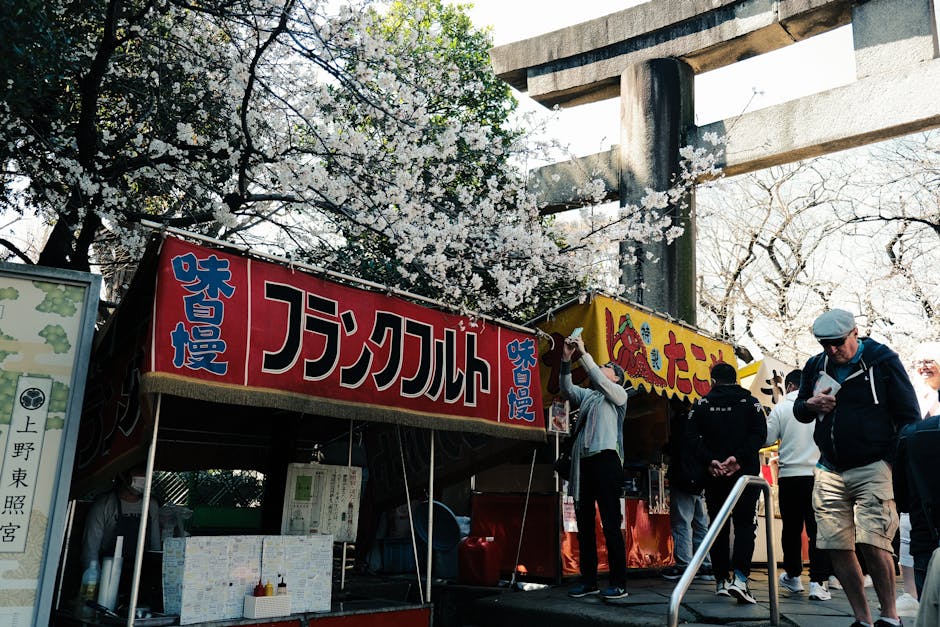
Best Time to Visit Ueno if you’re staying there is spring (cherry blossom season in late March to early April) or autumn (November). During cherry blossom season, Ueno Park transforms. The entire area fills with locals and tourists for evening cherry blossom viewing under lanterns. It’s crowded but genuinely special, and if you’re staying in the neighborhood, you can visit early morning before crowds arrive. Hotel prices jump 30-40% during this period, so book 2-3 months ahead.
In autumn, the foliage is excellent, the weather is crisp and perfect for walking, and the crowds are manageable. This is actually the recommended season for visiting Ueno and staying nearby.
Where to Stay Based on Your Travel Style
For museum and temple visits: Stay north of Ueno Station, within walking distance of Ueno Park. Dormy Inn Express Ueno works well for this, or look at smaller ryokan-style hotels in the Ikenohata area. You’ll be close to the Ueno Museum, Toshogu Shrine, and Shitennoji Temple without needing trains for the main attractions.
For exploring multiple Tokyo neighborhoods: Stay directly at Ueno Station or within walking distance. A business hotel like Mitsui Garden or Toyoko Inn puts you in a hub where you can easily reach Shinjuku, Asakusa, Ginza, or anywhere else on multiple train lines. You trade neighborhood atmosphere for maximum connectivity.
For local experience and nightlife: Stay in Yushima or Nezu area, which is southeast of the main station. This is where you find actual Tokyo residents eating and drinking. The Yushima shopping street has tiny izakayas tucked into backstreets. It’s a 10-minute walk from Ueno Station, so you’re not isolated, but you feel like you’re in a real neighborhood rather than a tourist hub.
For budget travel: Look for capsule hotels and hostels with private rooms. Sakura Hotel and similar properties offer clean, safe accommodation for ¥4,000-5,000 per night. These often have social spaces where you meet other travelers, which can be nice for solo visitors.
For cherry blossom season specifically: Book accommodation north of Ueno Station or in the Taito Ward area. Staying near the park means you can visit in early morning (5-7am) before crowds arrive, and watch the evening illuminations after restaurant closing. From a south-side hotel, you’re walking through crowded commercial streets every time you head to the park.
Practical Tips for Booking and Staying in Ueno
Book accommodation during peak seasons (late March-April for cherry blossoms, October-November for autumn) at least 2-3 months ahead. Ueno fills up during these periods because of the park’s attractions, and prices increase significantly.
Check your hotel’s exact location before booking. “Near Ueno” can mean anywhere in a two-kilometer radius. Use Google Maps to verify it’s actually close to the station or the specific area you want. Some cheaper hotels are a 15-minute walk away, which is fine, but worth knowing.
Get a Suica or Pasmo IC card when you arrive. Load it with ¥10,000 at any station machine. You can use it on all trains and buses in Tokyo, and it saves you from buying individual tickets. Tap on and off, and you’re done.
Stay near Ueno Station if you’re doing day trips. Nikko, Kamakura, and Hakone are all easily accessible from Ueno. You won’t need a JR Pass if you’re just doing Ueno as a base, but it’s worth considering if you’re doing multiple day trips.
Plan your park visits strategically. Ueno Park is open during daylight, but the museums have specific hours (usually 9:30am-5pm, closed Mondays). If you want to see multiple museums, one day is not enough. Plan 2-3 days in Ueno if museums are your focus.
The area gets quieter at night. Unlike Shibuya or Shinjuku, Ueno doesn’t have much nightlife immediately around the station. Yushima and Nezu have bars, but the main station area empties out after business hours. This is good if you want quiet sleep, less ideal if you’re looking for late-night energy.
Neighborhoods Worth Staying In as Alternatives to Ueno Proper
If Ueno proper doesn’t appeal, nearby Taito Ward neighborhoods offer alternatives:
Asakusa (one stop south on Ginza Line) is famous for Sensoji Temple and traditional atmosphere. It’s more touristy than Ueno, but genuinely atmospheric, especially early morning or late evening. More accommodation options exist here, and restaurants are excellent. Walking streets and narrow alleys give it character. It’s a different experience from Ueno’s park focus, but very much in the same ward.
Yanaka (15 minutes away, reached by various lines) feels like old Tokyo. Narrow streets, small shops, a cemetery you can walk through, and a strong neighborhood vibe. Very few tourists discover this area. Hotels are minimal (mostly small ryokan or guesthouses), which makes it feel more residential than touristy. If you want authentic neighborhood experience near Ueno-area attractions, Yanaka is worth considering.
Nezu (walking distance, 10-15 minutes from Ueno proper) is the bridge between Ueno’s bustle and neighborhood charm. Nezu Shrine and its surrounding shopping street are genuinely lovely. Less crowded than Ueno Park, more interesting than the main station area. Some good small hotels are opening here.
Related Reading
- Living in Shimokitazawa: An Insider’s Tokyo Guide (pillar)
- First Time in Tokyo: The Best Neighborhood to Stay In
- Best Hotels in Shibuya, Tokyo: Where to Stay Near the Crossing
Frequently Asked Questions
Is Ueno a good neighborhood to stay in for first-time Tokyo visitors?
Yes, if you’re interested in museums, parks, and temples. Ueno has concentrated cultural attractions, good train access to everywhere else in Tokyo, and reasonable prices. The main disadvantage is it’s not a nightlife hub, so if you want late-night bars and clubs, you’ll need to travel to Shibuya or Shinjuku. For a balanced Tokyo experience (sightseeing, easy train access, decent restaurants), Ueno is genuinely one of the best choices.
How far is Ueno from Tokyo’s major attractions?
Ueno Station sits on multiple train lines, so distances are reasonable. From Ueno, you’re about 15 minutes to Shinjuku, 20 minutes to Shibuya, 5 minutes to Asakusa, 10 minutes to Ginza (Ginza Line), and 20 minutes to Tokyo Station. If you’re doing day trips, Nikko is about 2 hours via JR Limited Express, and Kamakura is about 1.5 hours with one train change.
What’s the best season to visit Ueno, and how far ahead should you book?
Late March through early April (cherry blossoms) and November (autumn foliage) are peak seasons. Hotels in Ueno fill up 2-3 months ahead during these periods, and prices increase 30-50% above regular rates. If you’re flexible on dates, visiting early April (after peak blossom but still good) or late October (before peak foliage season) gives you better availability and lower prices with still-excellent weather.
Find hotels in Ueno
Browse live availability and compare prices for your dates.