Tokyo in Spring: Cherry Blossoms, Crowds and When to Go
Tokyo in spring: when cherry blossoms peak, the best hanami spots by crowd level, the flowers that follow, Golden Week 2027 dates and where to stay.
Spring in Tokyo is the most photographed season in Japan, and the most misunderstood. People arrive expecting two weeks of perfect pink weather and find that March can be cold and grey, that the cherry blossoms are at their best for about a week if the weather cooperates, and that the most beautiful flowering in the city often happens after the crowds have gone home. Here’s how to think about it, including the part most spring guides skip, which is where to sleep and when to book it.
Spring in Tokyo, month by month
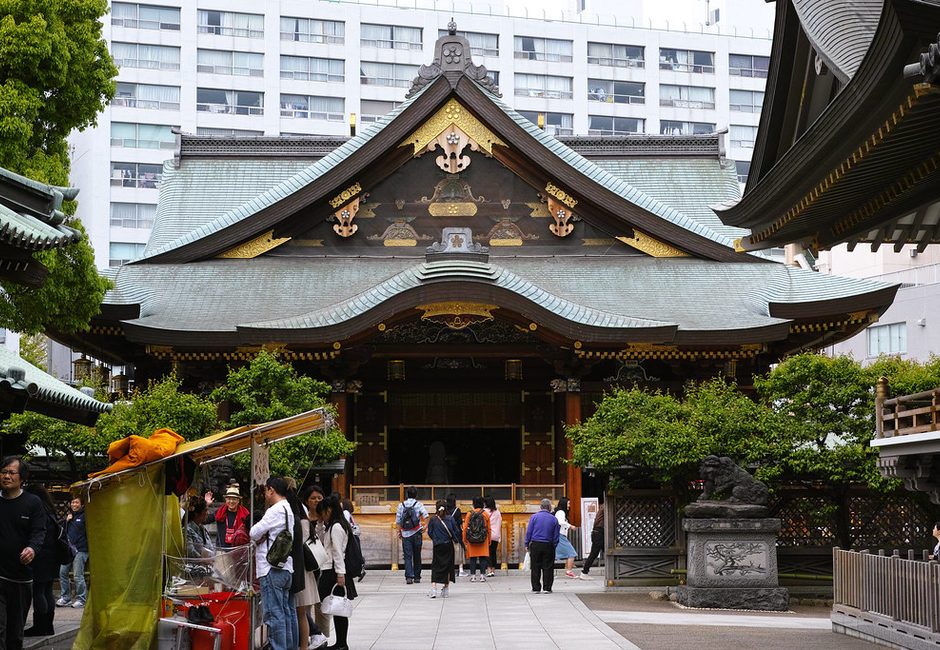
Spring runs from late March through early May, and it arrives in layers. Plum blossoms (ume) come first, in late February and early March, quiet and fragrant at shrines like Yushima Tenjin. Then the cherry trees take over, usually late March into early April. Once the cherries fall the city shifts again. Wisteria drapes the pergolas at Kameido Tenjin in late April, azaleas cover the hillside at Nezu Shrine through April and into May, and peonies open in the Ueno Park garden. The season doesn’t stop when the sakura crowds leave.
When do cherry blossoms bloom in Tokyo (2027 forecast)
The standard window is late March to early April. Full bloom in central Tokyo usually lands between the last days of March and the first week of April, and the blossoms don’t hold long, five to ten days before the petals fall, less if a rainy front comes through.
The exact date moves by up to two weeks depending on the winter before it. For 2027, the Japan Meteorological Corporation publishes forecasts from January and revises them as the season gets closer, so a trip booked before then is a bet on the average. You might land on perfect full bloom. You might land on bare branches, or a carpet of fallen petals. Both are lovely in their own way, but only one is what you’ve come for. The booking section below covers how to hedge that bet.
Best hanami spots by crowd level
Peak cherry blossom week in Tokyo is spectacular, and it’s famous for a reason. The cherry blossom collection maps every spot you’d plan a day around, and the map’s sakura filter shows them together so you can see which ones cluster. Here they are, sorted by how many people you’ll share them with.
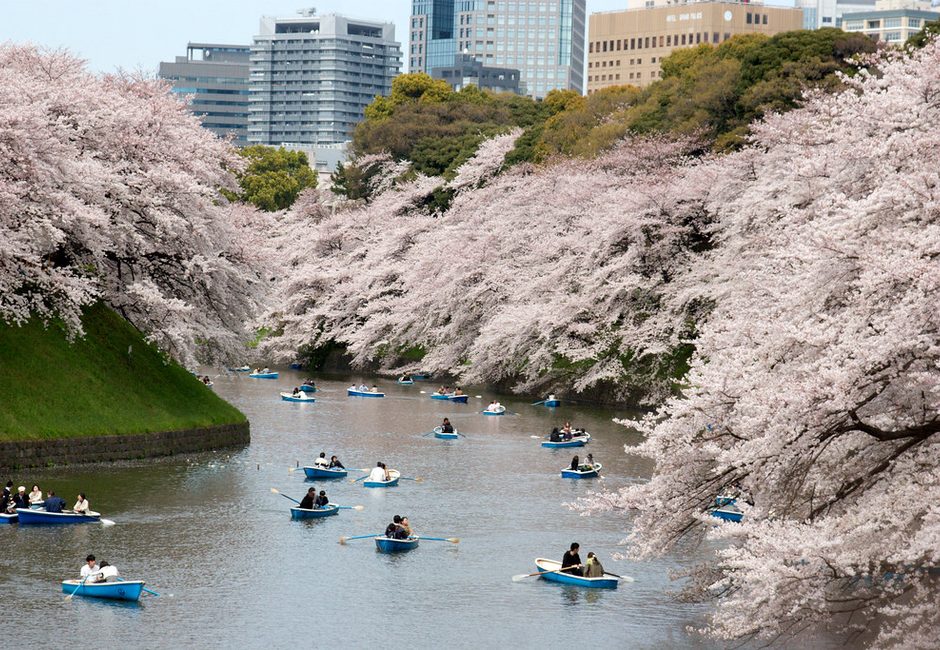
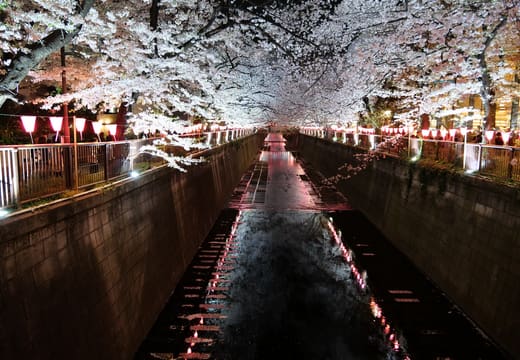
The famous three, with the crowds to match. Ueno Park lines its main avenue with hundreds of trees and is the busiest hanami ground in the city. It’s magic at 8am and a queue by early afternoon. Chidorigafuchi turns the palace moat into a tunnel of branches over rowing boats, and on a sunny weekend the boat queue runs to hours. The Meguro River in Nakameguro becomes one of the most photographed canals in Japan, lanterns and blossoms reflected in the water after dark. The canal-side bars and riverside restaurants are why you’d stay past sunset, and why the towpath is shoulder to shoulder.
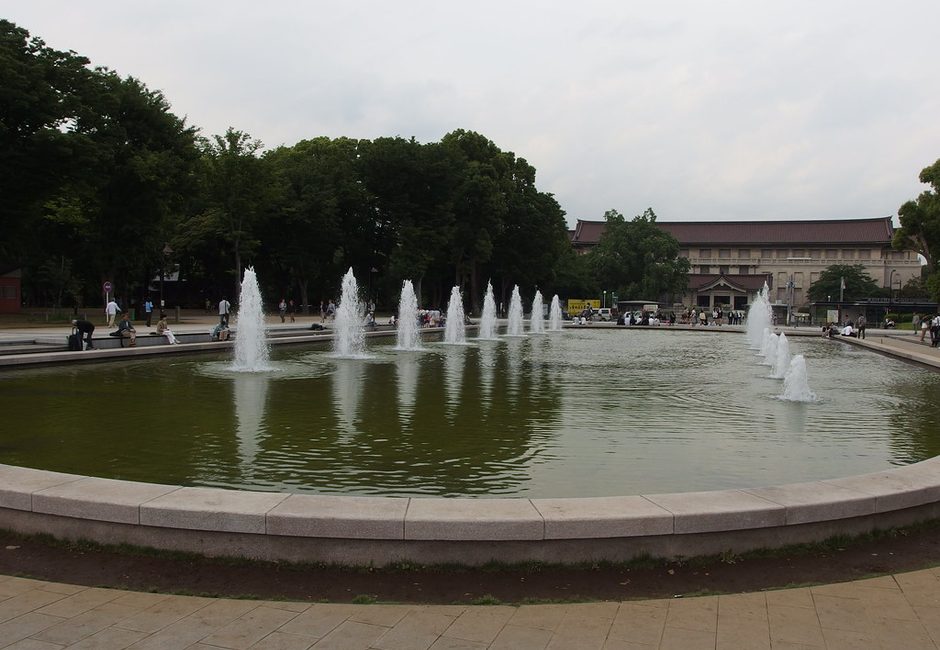
Big, but managed. Shinjuku Gyoen is ticketed (¥500), enclosed and alcohol-free, so the party crowds don’t get in, and its mix of early and late varieties stretches the season from March into mid-April. Sumida Park in Asakusa runs along both banks of the river with the Skytree behind the trees, so the crowd spreads out along the length of it. Kitanomaru Park, next door to Chidorigafuchi, has the same trees and a fraction of the people.
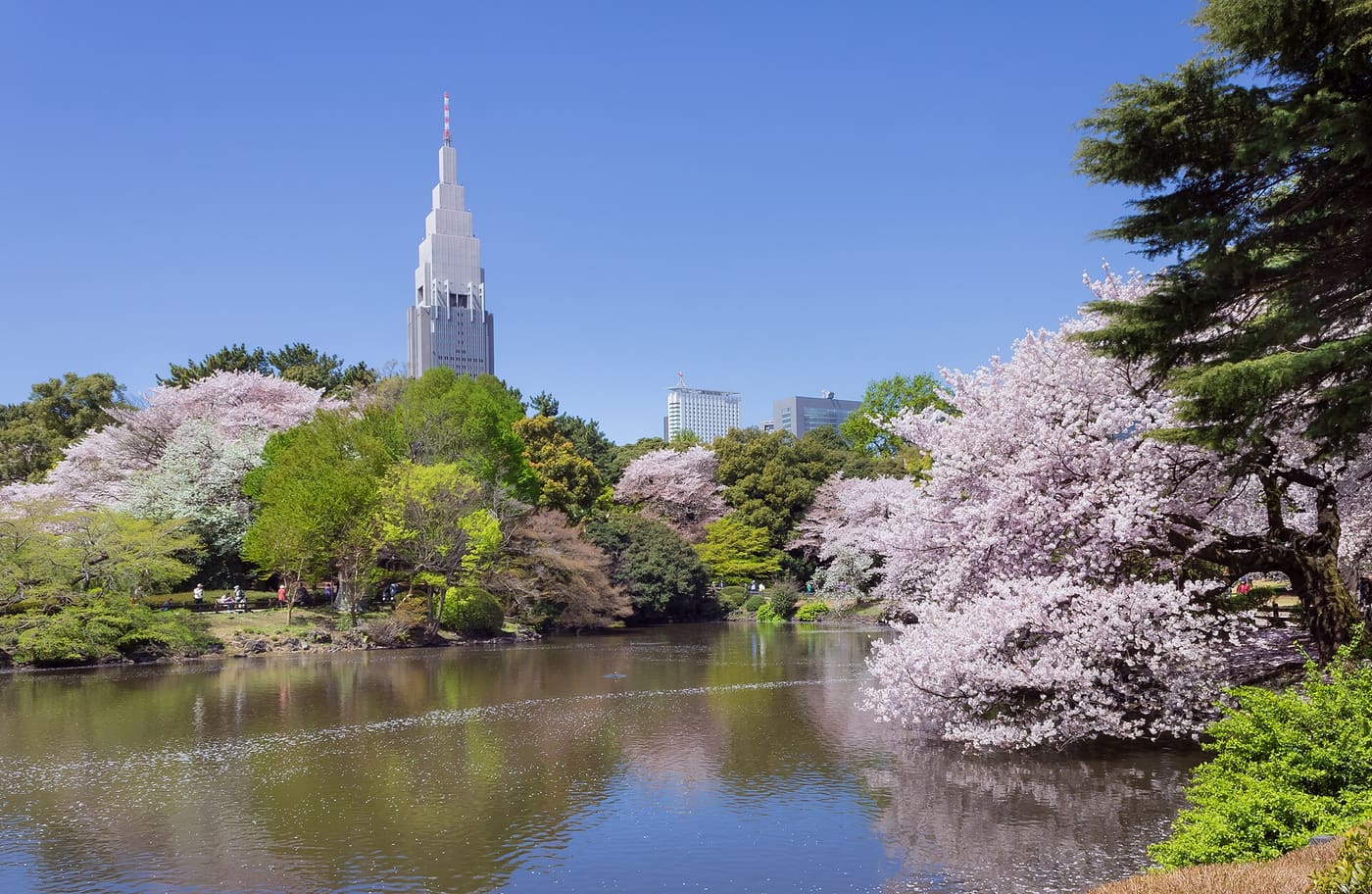
Quiet. Yanaka Cemetery has a cherry-lined central avenue that locals walk in near silence. Koishikawa Korakuen is a stroll garden with weeping cherries over the pond rather than a picnic lawn, so there’s nobody claiming ground. Inokashira Park in Kichijoji is busy on weekends but calm on a weekday morning, with boats out under the trees.
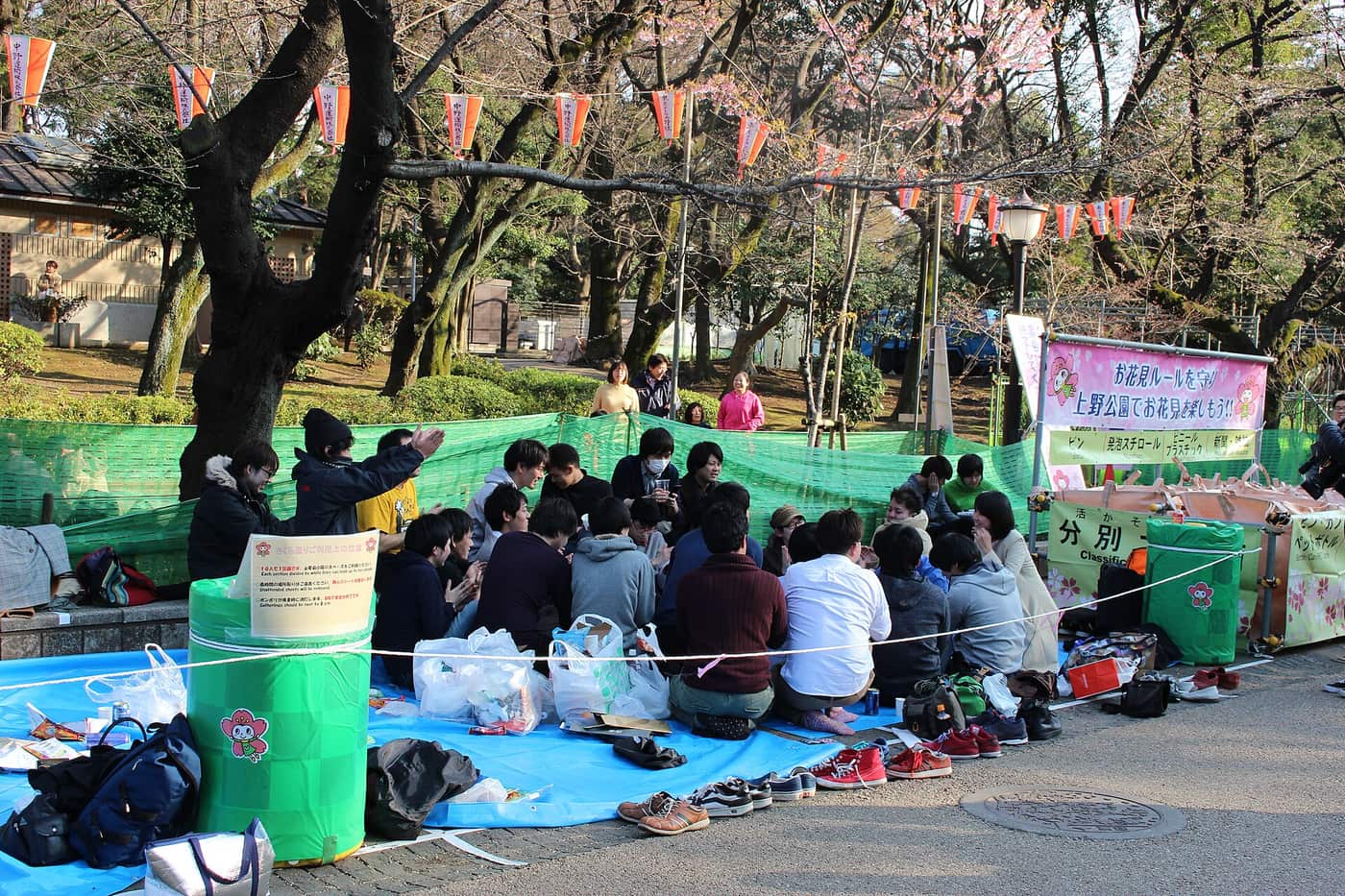
The part guides undersell is hanami (flower-viewing) picnic culture. It’s real and it’s wonderful. On weekends locals claim spots under the trees by dawn, spread out conbini food, beer and takoyaki from the park stalls, and stay until the lanterns come on. Joining in is one of the great Tokyo experiences, even if all you’re doing is settling a picnic sheet next to strangers and watching the petals drift.
After the cherry blossoms
Mid-April to May is the part of spring that’s better than cherry blossom week, and fewer people realise it. The wisteria at Kameido Tenjin Shrine in east Tokyo hangs in purple curtains over the water, usually peaking in late April, and the crowds are a fraction of cherry blossom season. Nezu Shrine, next to Yanaka, fills its hillside with azaleas from mid-April, a tunnel of pink and red that beats fighting for a viewing angle in Kyoto. The peony garden in Ueno Park opens from mid-April, and it’s a pretty corner that most park visitors walk straight past.
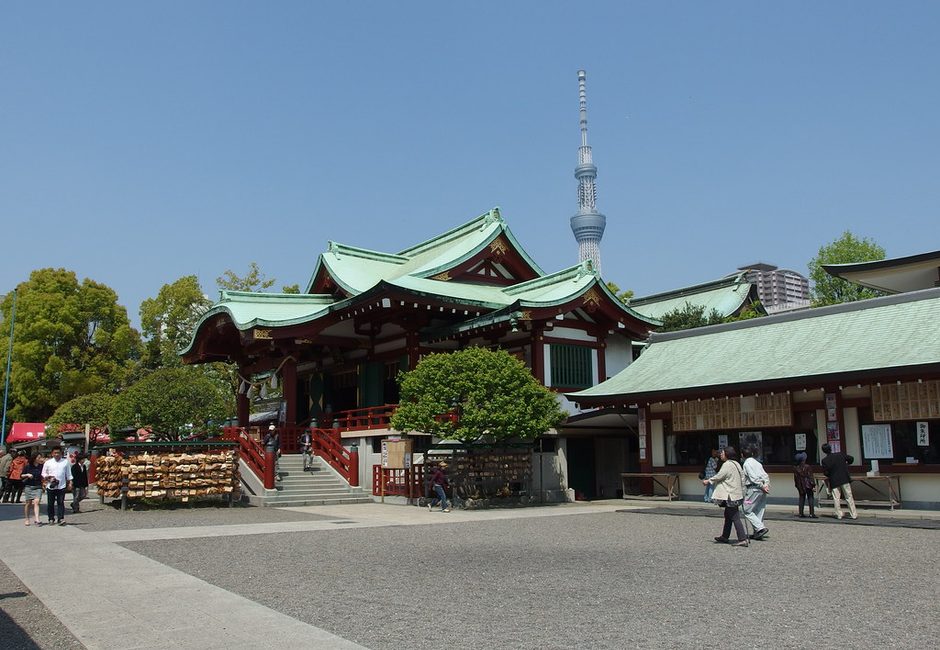
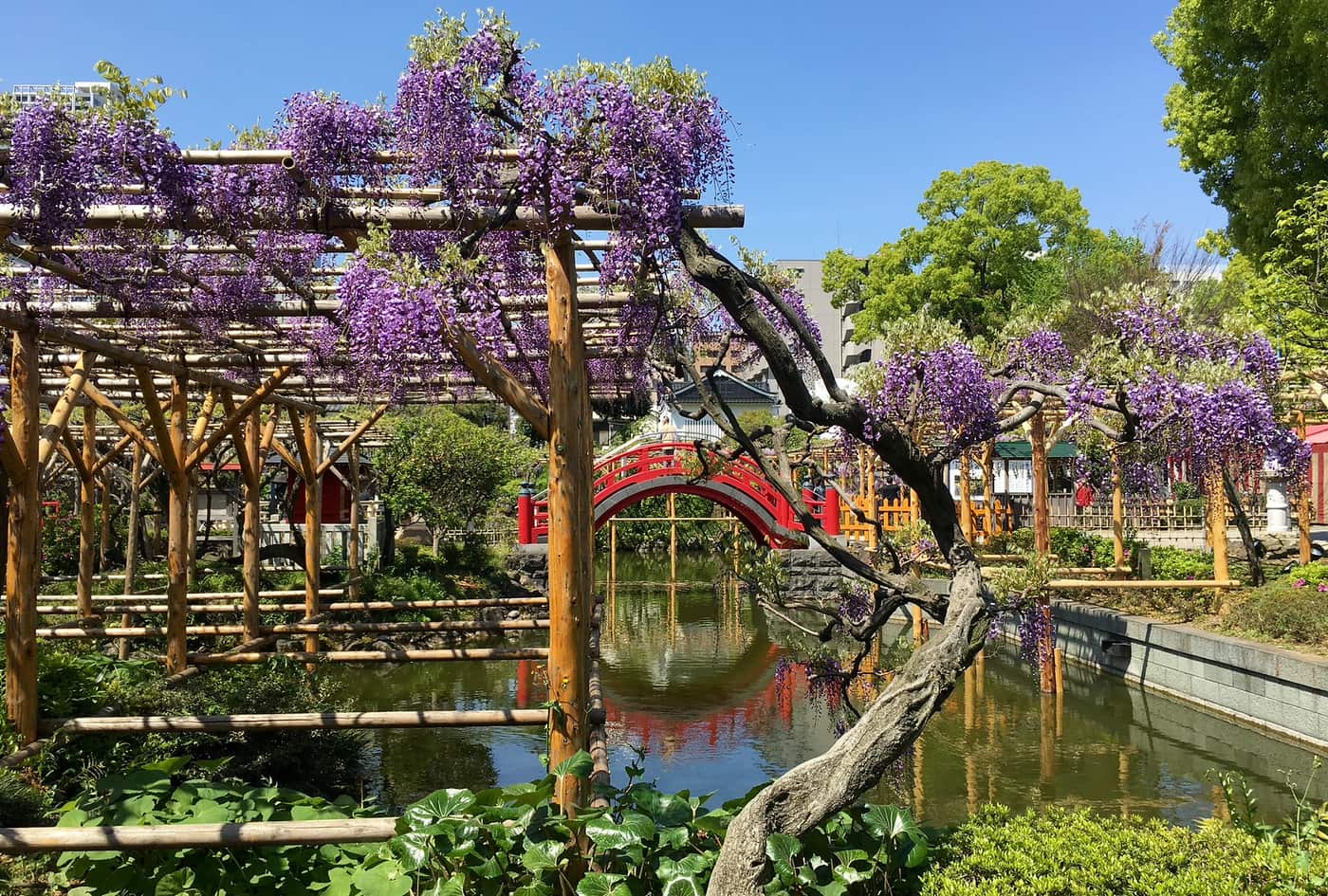
Late April also has the best walking weather of the year, cool enough to move around in comfort and warm enough for shirtsleeves by afternoon. If you’re flexible on dates, late April is the reason to come in spring at all.
Golden Week: dates and what closes
Golden Week is a cluster of four national holidays. Showa Day falls on 29 April, Constitution Memorial Day on 3 May, Greenery Day on 4 May and Children’s Day on 5 May. In 2027 that’s Thursday 29 April and Monday 3 to Wednesday 5 May, so with the weekend and a bridge day on Friday 30 April the practical block runs from 29 April to 5 May. It’s the busiest domestic travel period in Japan.
Banks, post offices and government offices shut for the public holidays, and many small family-run restaurants and independent shops take part or all of the week off. The major sights, museums, department stores and chain restaurants stay open, most of them on holiday hours with holiday crowds. Trains to the popular day-trip destinations, Nikko, Kamakura and Hakone, fill early, the platforms are packed, and shinkansen seats sell out days ahead.
Book accommodation at least three to four months ahead, or prices spike and availability collapses. If it’s your first visit and your dates are flexible, shifting the trip by one week in either direction avoids the worst of it. Already going? Lean into it. The city’s energy during Golden Week is infectious, the parks are at their greenest, and the crowds are Japanese families rather than international tour groups.
Booking a cherry blossom trip
Cherry blossom season is one of the busiest hotel periods of Tokyo’s year, and the market behaves accordingly. Rates jump for the peak fortnight, the best-located rooms go first, and by January the good options near the famous spots are already thin. Book three to four months out, which for a late March trip means you’re booking before the end of the year.
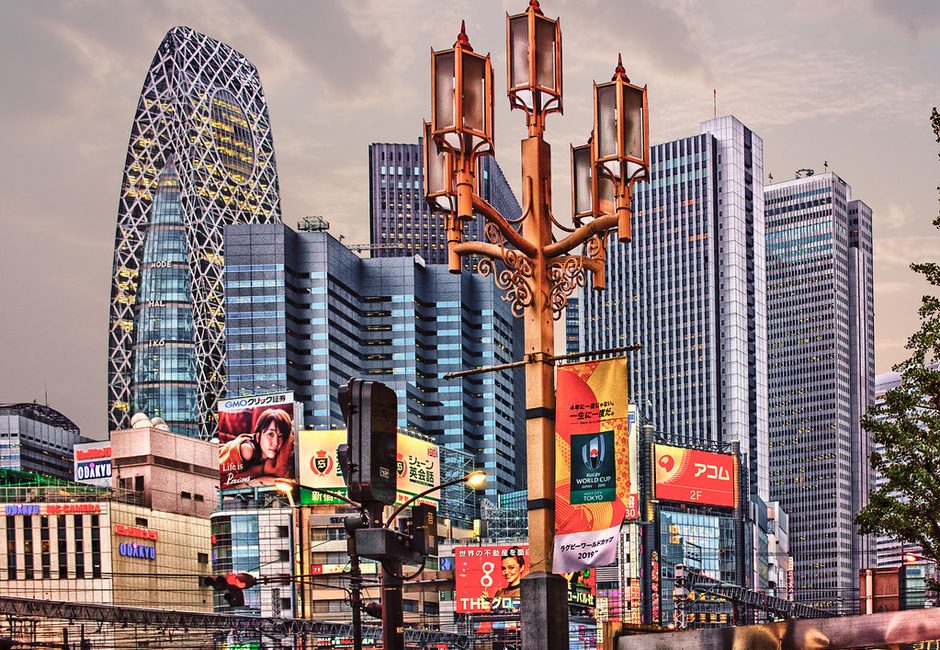
You won’t know the bloom date when you book, so hedge with a cancellable rate. Reserve two overlapping windows, say 25 March to 1 April and 30 March to 6 April, on free-cancellation terms, then drop the wrong one once the forecasts firm up in early March. Check the cancellation deadline on each booking before you rely on it. Some “free” rates lock a week or more before arrival.
Where to base yourself depends on which blossoms you want to walk to:
- Ueno for the park. Sleep within a few minutes of the station and you can be under the trees at 7am, before the picnic crowds arrive. The Ueno neighbourhood guide and the Ueno hotel guide cover the blocks, and the old Tokyo walk down from Yanaka through Nezu ends in the park.
- Nakameguro or Ebisu for the Meguro River. Nakameguro itself has very few hotels, so the realistic booking is one Hibiya Line stop away in Ebisu, a 12-minute walk from the canal. The Nakameguro guide covers the lantern-lit evening on the towpath.
- Shinjuku for Shinjuku Gyoen on foot and Chidorigafuchi in one direct ride, the Toei Shinjuku Line to Kudanshita. It’s also the deepest hotel supply in the city. Start with the Shinjuku neighbourhood guide and the Shinjuku hotel guide.
The full comparison of every base is in where to stay in Tokyo. For what rooms cost right now, the weekly hotel price index samples live nightly rates by neighbourhood every week, so you can watch the spring rise arrive instead of guessing at it. Then put your dates into the Tokyo travel map and use Search this area for hotels. Every price pill quotes the dates you entered, on the spot you’re looking at.
Spring weather reality
March is unpredictable. Cold fronts push through regularly, temperatures can drop to 5°C at night, and rainy days are common. The spring fronts locals call sakura rain are a real weather pattern, and one bad afternoon can strip the petals from the trees. Pack for it. Don’t assume spring means warmth.
April has some of the best walking weather of the year. Daytime highs usually sit around 18 to 20°C, evenings are cool, and the days are long. Showers still come through, so keep the rainy day collection as a backup.
May warms quickly, especially after Golden Week. By mid-May you’re into early summer temperatures and the pleasant shoulder season has mostly gone. If humidity bothers you, May is the last comfortable month before June’s rainy season arrives.
What to wear
You’ll want layers in March, a warm jacket you can take off rather than one heavy coat. Sakura season brings its own weather, sudden rain that arrives fast and can be cold, so a compact umbrella belongs in the bag from late March on. By late April you’re down to a light jacket or cardigan for evenings and daytime is shirt weather. May dresses like early summer, light clothes with a layer for the shade.
Comfortable shoes matter more in spring than in any other season. You’ll want to walk everywhere, and the city rewards it.
Is spring the right time for your trip?
If cherry blossoms are on your list, yes, as long as you’re prepared for some unpredictability in the timing. Book accommodation and flights earlier than you think you need to. Three to four months isn’t excessive for the peak window of late March to early April.
If what you want is comfortable walking, pleasant weather and fewer tourists, then autumn beats spring, plainly. November’s koyo season brings vivid maple and ginkgo colour, the temperature is identical to April, and the crowds are smaller. The autumn colour collection makes the case. But autumn doesn’t have cherry blossoms, and for many visitors that settles it.
The compromise is late April. You get the late spring flowers, some of the best weather of the year, the last of the double-flowered cherries and the fresh green of the parks, just ahead of the Golden Week crowds.
Frequently Asked Questions
When exactly do cherry blossoms bloom in Tokyo?
The standard window is late March to early April, with full bloom usually falling somewhere between late March and the first week of April. The exact date varies by up to two weeks depending on the winter before it. The Japan Meteorological Corporation publishes forecasts from January and updates them through the season. Blossoms hold five to ten days at full bloom before they fall, faster if rain or wind arrives.
Is spring too crowded?
Cherry blossom week is very crowded, especially at the big spots like Ueno Park and the Meguro River on weekends. Weekday mornings are manageable. The rest of spring, before mid-March and after mid-April, is no busier than any other peak tourist period. Golden Week (late April to early May) is extremely busy for domestic travel but isn’t necessarily worse for international visitors at most Tokyo sights.
Where should I stay in Tokyo for cherry blossoms?
Ueno if the park is the priority, Ebisu for the Meguro River (Nakameguro has almost no hotels), and Shinjuku for Shinjuku Gyoen plus a direct train to Chidorigafuchi. Book three to four months out on a cancellable rate, compare the areas in where to stay in Tokyo, and check the current nightly medians on the hotel price index before you commit.
What if I miss cherry blossoms?
The city is still beautiful. Later-flowering varieties, like the double-flowered cherries at Shinjuku Gyoen, often bloom into mid-April after the Somei Yoshino have fallen. After that, late April brings wisteria, azaleas and peonies, less famous and in many cases more beautiful. A trip built around Nezu Shrine’s azaleas and the Kameido wisteria beats one spent chasing the last sakura petals.
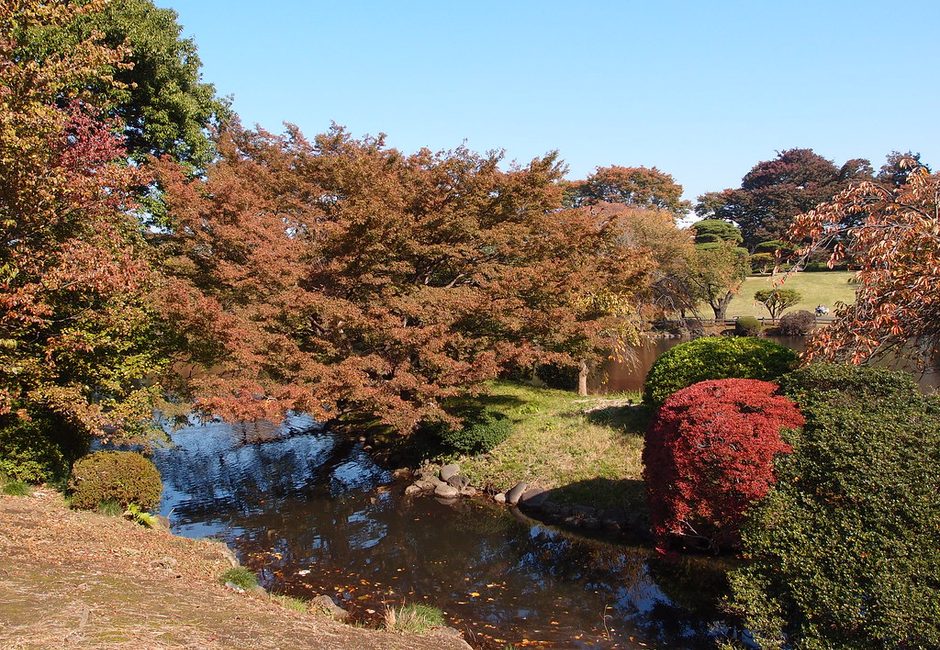
Places in this guide
Photos show the actual places, licensed under Creative Commons and credited to their photographers.
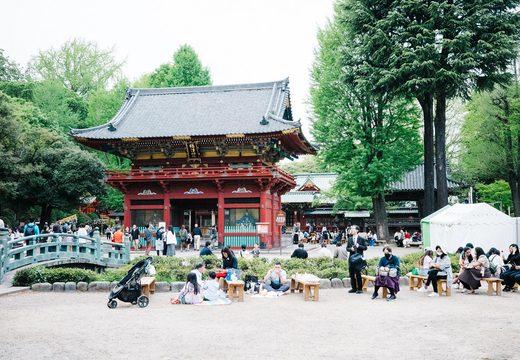
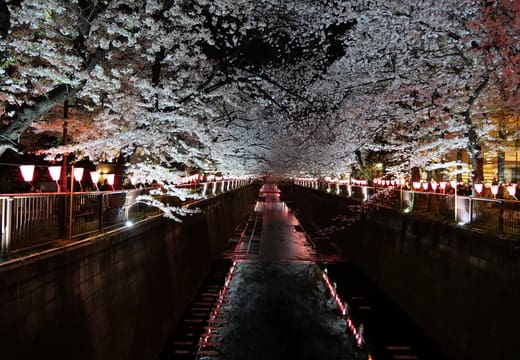
Find hotels in Tokyo
Browse live availability and compare prices for your dates.