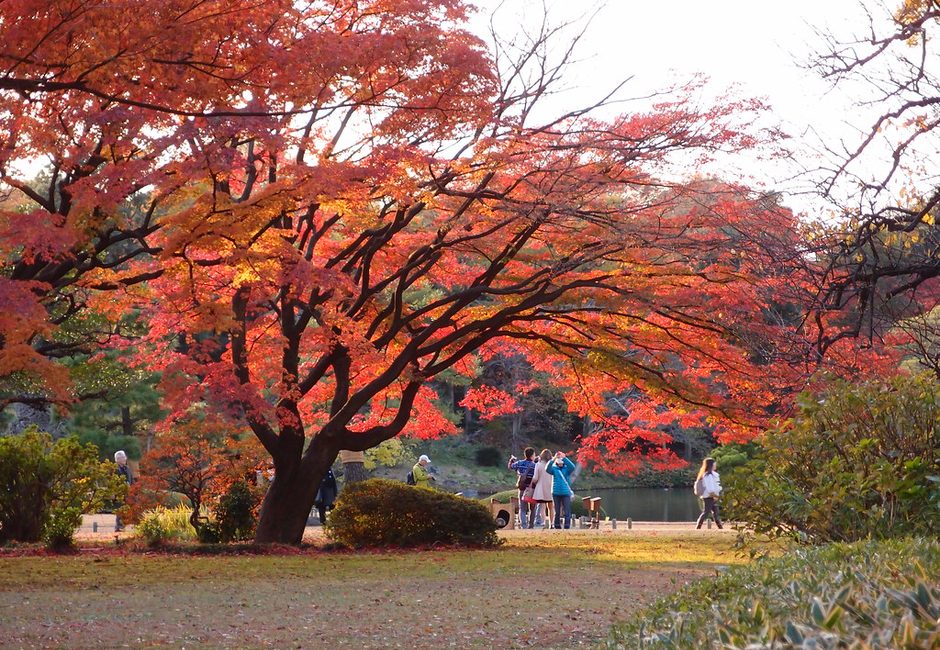
Tokyo in Autumn 2026: Leaf Forecast, Light-ups and When to Go
Tokyo in autumn 2026: the leaf forecast (maples around 29 November), Rikugien and Koishikawa Korakuen light-up dates, October vs November, food and hotels.
Autumn is the season Tokyo does best and talks about least. Spring owns the marketing, so October and November arrive with a fraction of the crowds, the same walking weather, and colour that rivals the cherry blossoms without the two-week anxiety about whether you’ve timed it right. Here’s the full picture, month by month.
Autumn 2026 at a glance
Checked on 29 September 2026. Forecasts get revised as the season goes on, so check the source before you book anything around a date.
- Forecast peak in central Tokyo: ginkgo around 26 November, maples around 29 November, both close to an average year (Japan Meteorological Corporation, first forecast, 2 September). The next update is due in early October.
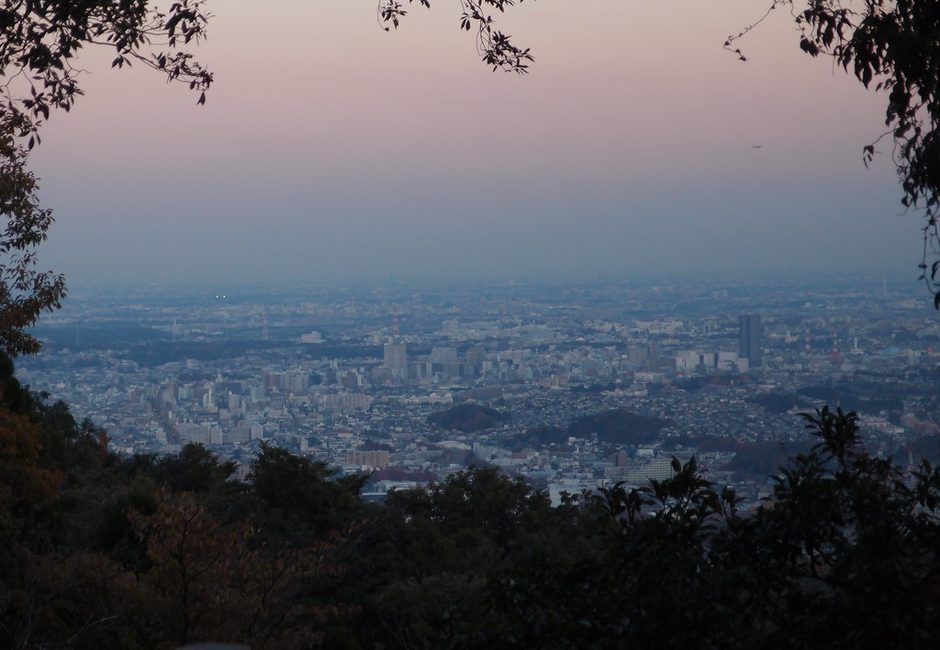
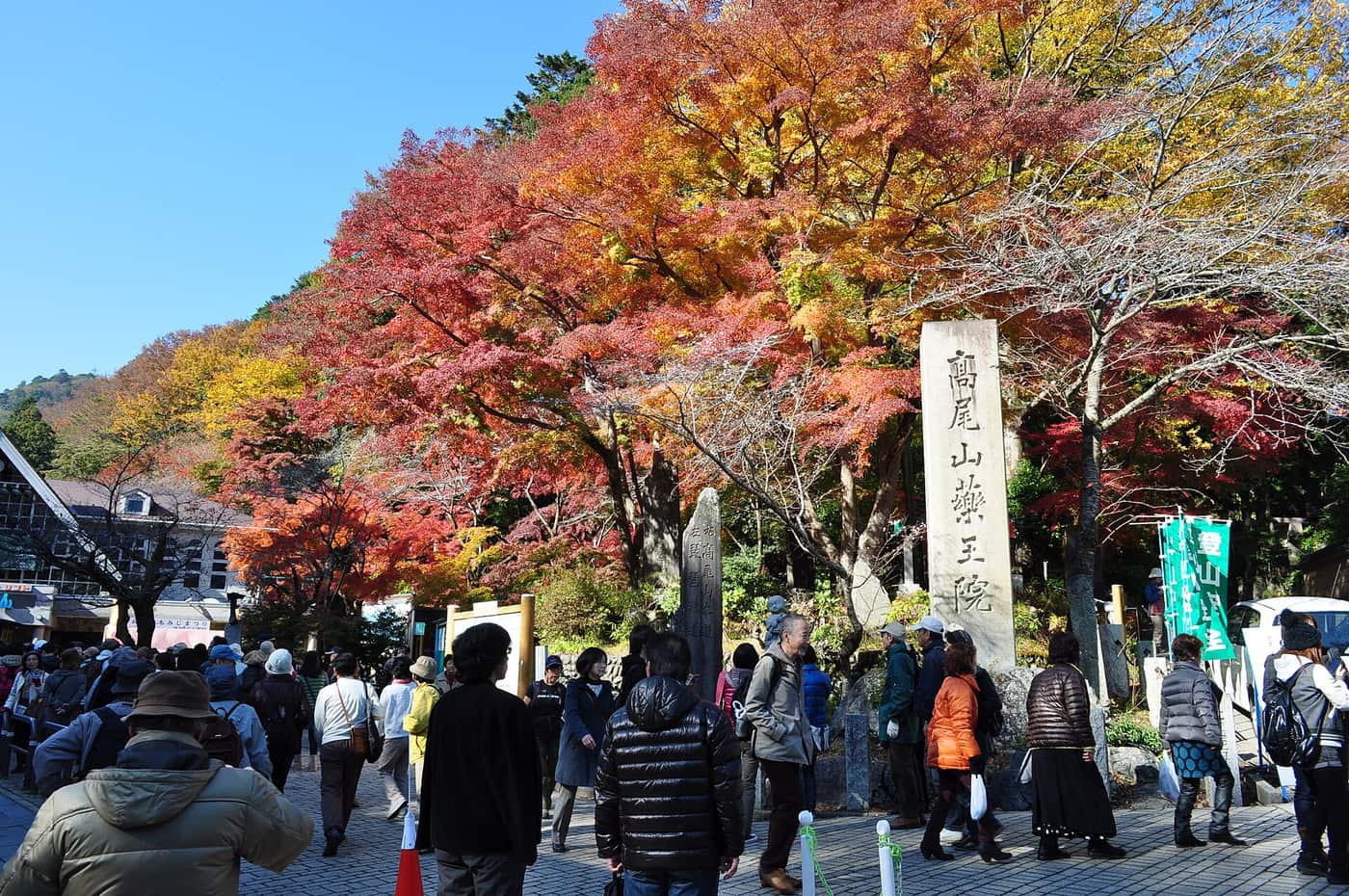
- Mount Takao: forecast to peak around 22 November (Weathernews, 3 September). Weathernews expects colour later than usual across most of Japan this year.
- Koishikawa Korakuen light-up: 13 to 24 November, 18:00 to 21:00, last entry 20:00. ¥1,000 online in advance, ¥1,200 on the day (Tokyo Metropolitan Park Association).
- Rikugien light-up: 25 November to 6 December, 18:00 to 20:30, last entry 19:30. Same prices (Tokyo Metropolitan Park Association, 3 September).
- Kyu-Furukawa Gardens: autumn leaves and roses, 7 November to 6 December, daytime only, 9:00 to 17:00 (Tokyo Metropolitan Government).
- Hachioji Ginkgo Festival: 21 and 22 November on the Koshu Kaido ginkgo avenue (organisers).
- Not announced yet: the Jingu Gaien Ginkgo Festival, Showa Kinen Park’s leaf festival and evening light-up, and the Mount Takao Momiji Matsuri. Don’t plan around last year’s dates.
The autumn leaves collection keeps the same list next to every spot on the map, and the events calendar has the light-ups with times and directions.
Autumn in Tokyo, month by month
Autumn runs from October through early December, and it comes in three phases. October is a warm, green month. The summer humidity is gone, daytime highs settle around 20 to 24°C, and the parks look like summer but feel like a different city. The light shifts, the air loses its weight, and walking anywhere in Tokyo turns back into a pleasure rather than an endurance test.
November is the colour month, though central Tokyo doesn’t turn until late. The ginkgo and maples usually peak in the last ten days of November and hold into early December. This is koyo season, the Japanese term for autumn leaf colour, which gets its own forecast maps and garden illumination events, just as cherry blossoms do in spring.
December starts to close things down. The colour at lower elevations lingers into early December, but the nights get cold fast, and by mid-December Tokyo is firmly in winter. Come for the leaves in November and stay for the food and the uncrowded pace of the city.
When koyo peaks in Tokyo
Japanese weather companies, including the Japan Meteorological Corporation, publish koyo forecasts each autumn, and for central Tokyo parks the peak usually falls between the last week of November and the first week of December. The 2026 forecast fits that pattern, with maples around 29 November. The colour holds for a couple of weeks rather than the few days of peak cherry blossom, so you don’t have to time it as tightly.
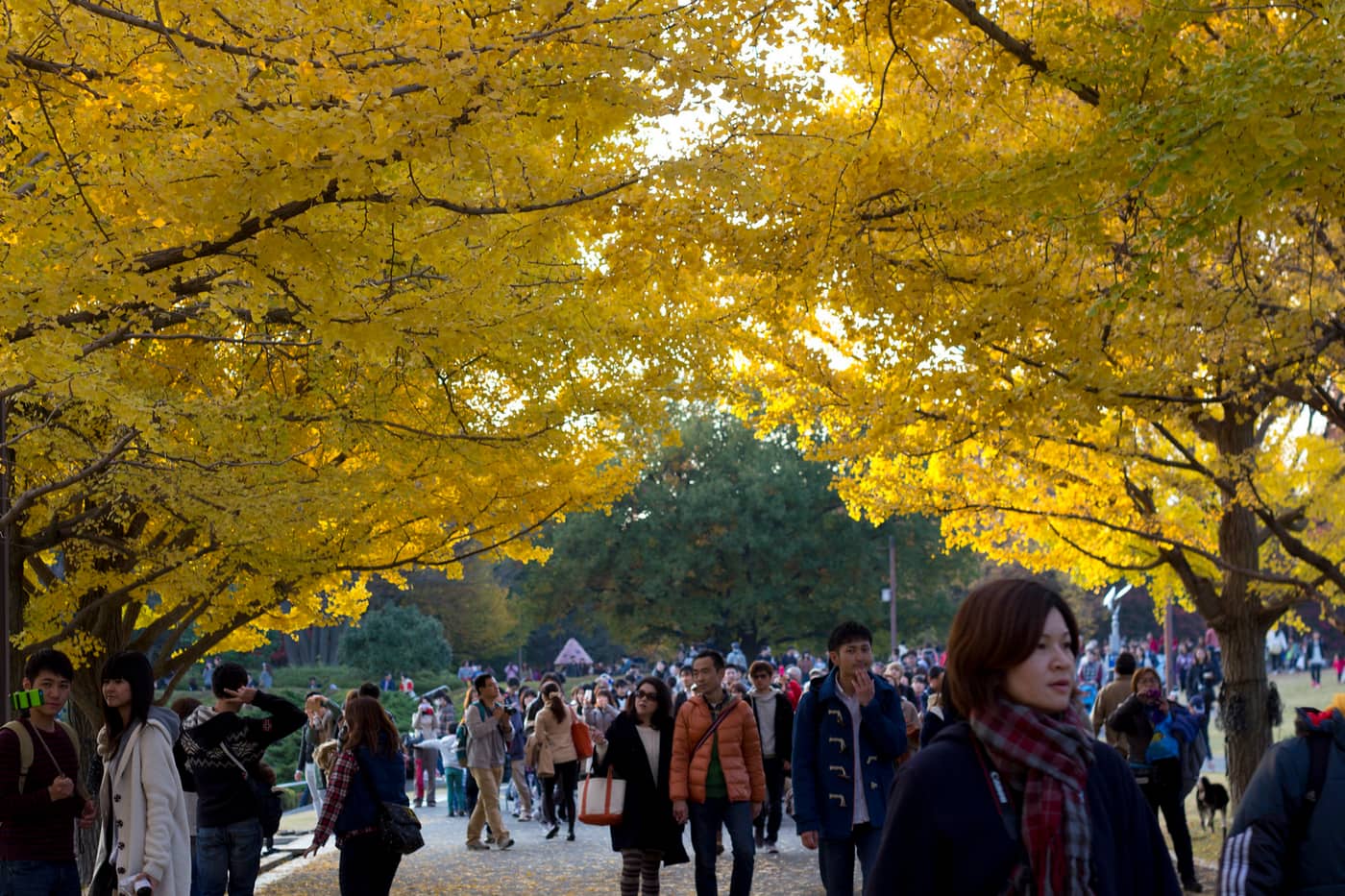
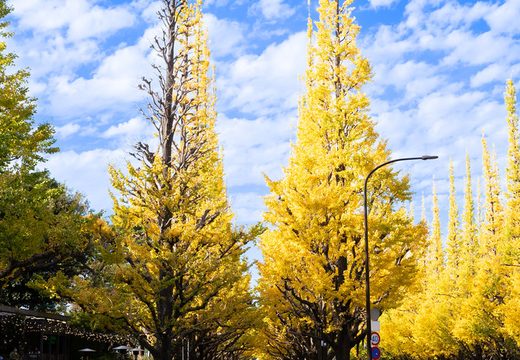
Ginkgo trees usually turn first, their gold peaking in late November at places like the Meiji Jingu Gaien avenue. Maples run a little later and hold their colour into early December in sheltered gardens.
For earlier colour, day trips pay off. Nikko, just under two hours from Asakusa by limited express, peaks from mid-October at the lakes to early November around the shrines, and it’s some of the most dramatic koyo in Japan. Shrines, waterfalls and mountain forests all turning at once is on a different scale from anything in central Tokyo.
Where to see autumn leaves in Tokyo
The autumn leaves collection maps the full list, and the map’s autumn filter shows how they cluster. These are the ones to build your days around.
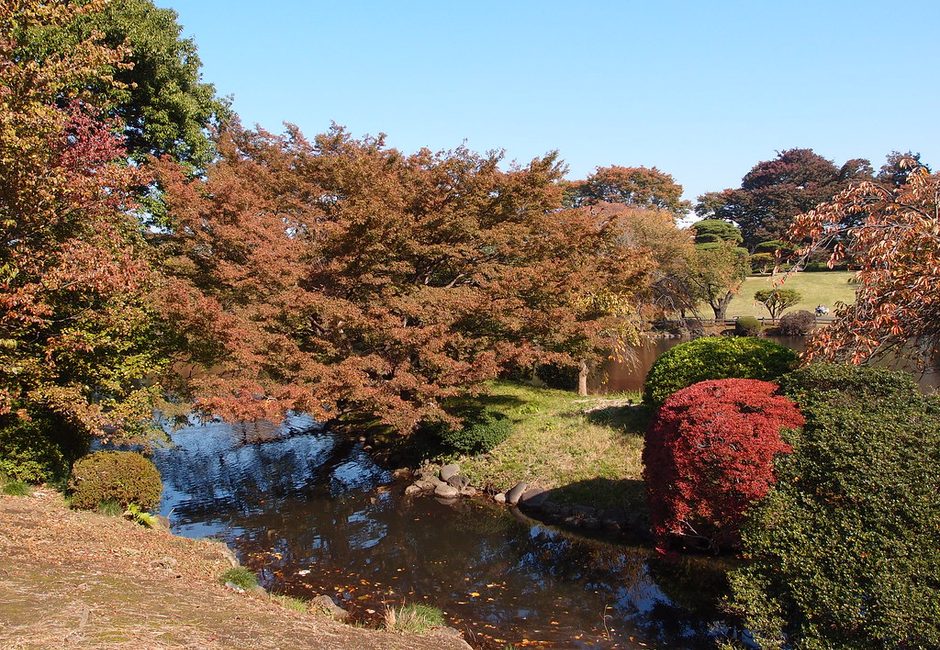
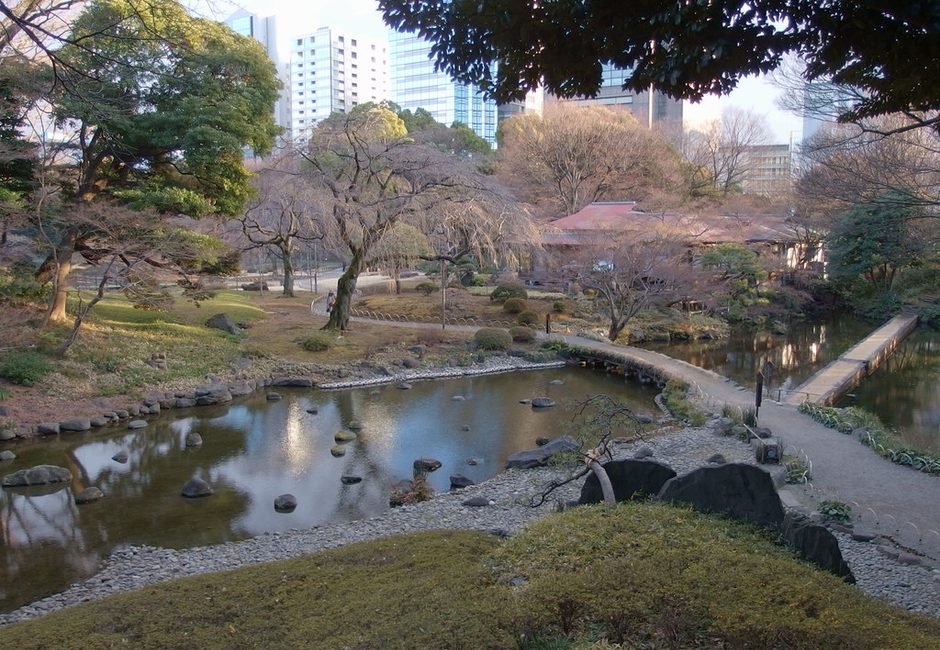
Shinjuku Gyoen is the best all-round autumn garden in Tokyo. Maples ring the ponds of the Japanese garden, the plane-tree avenues of the French formal garden turn gold, and the broad lawns give the colour room to breathe. The garden is enclosed and entry is ticketed (¥500, closed Mondays), so it doesn’t get as packed as Ueno Park. Go on a weekday morning if you can, then spend the evening at the free Metropolitan Government observation deck a short walk west. The Shinjuku neighbourhood guide covers the rest of the ward.
Rikugien Garden in Komagome is smaller but spectacular. It runs an illumination in late November and early December (25 November to 6 December in 2026), staying open into the evening with the maples around the pond lit up. The lit tree against the dark pond is the single best koyo image in central Tokyo. There’s a queue on weekend evenings, so arrive early or go on a weekday. Komagome is three Yamanote stops from Nippori, on the edge of the Yanaka neighbourhood guide’s old-town streets, so the two pair into one day. Walk Yanaka in the morning, then see the illumination after dark.
Koishikawa Korakuen, next to Tokyo Dome, is one of the oldest Edo-period gardens in the city and turns in late November. It’s compact, never overwhelmingly crowded, and the red maples and stone bridges are easy to photograph without fighting for angles. Its evening light-up runs 13 to 24 November in 2026, a little ahead of the peak, with projection mapping on the garden wall and the Engetsukyo bridge. It sits three stops from Komagome on the Namboku Line, so it’s the other half of the Rikugien pairing if you’d rather do two gardens than a walk.
Meiji Jingu Gaien’s ginkgo avenue is the most urban autumn scene in Tokyo, a straight boulevard of yellow-gold trees in the middle of the city, with food stalls alongside during the ginkgo festival. The avenue usually peaks in late November. The 2026 festival dates hadn’t been announced by the end of September. It’s busy, but in a festive way rather than an oppressive one. Shinjuku Gyoen’s Sendagaya gate is about a 20-minute walk north, so the two make a natural morning-and-afternoon pair.
Yoyogi Park’s wooded interior turns quietly through November, with none of the management or ticketing of the formal gardens. It’s the best option if you want autumn colour somewhere you can spread a sheet on the ground, eat something from the nearby conbini and watch the leaves fall without a schedule.
October is the sweet spot
If the leaves aren’t the priority, October is the best month to visit Tokyo that most people haven’t considered. Daytime highs sit around 20 to 24°C for most of the month, exactly the range where walking all day is comfortable. The summer heat has gone and the foliage crowds haven’t arrived.
October also has festivals. Autumn matsuri run at neighbourhood shrines across the city through October and into early November, with portable mikoshi shrines carried through the streets, taiko drumming, and street food that doesn’t appear at any other time of year. They’re local events rather than tourist events, which is the reason to find one.
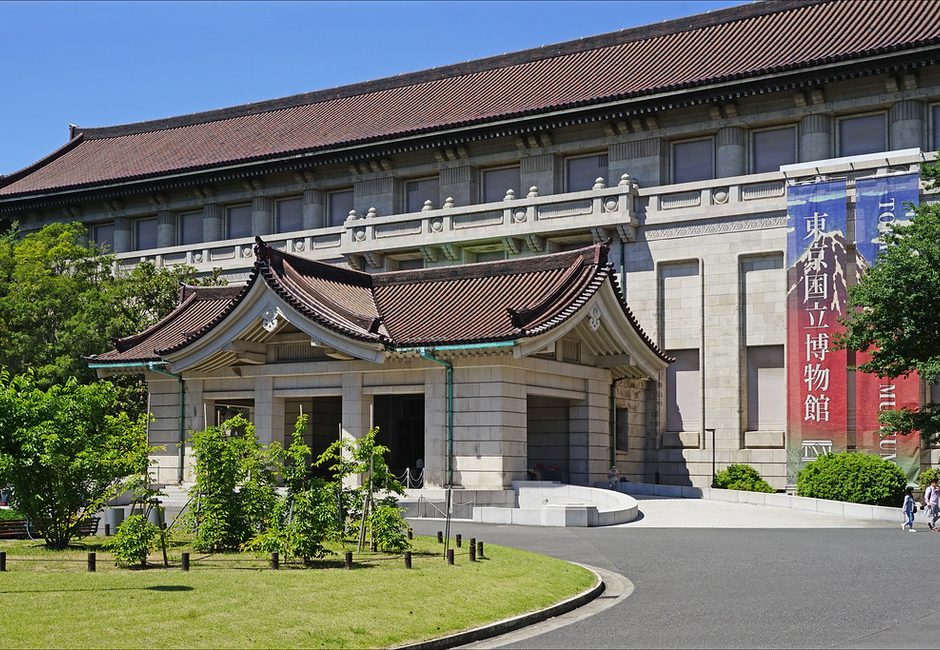
Culture Day on November 3 is a national holiday when several museums waive entry, including the permanent collections of the Tokyo National Museum and the National Museum of Western Art in Ueno. It’s a natural anchor for a trip that mixes culture and colour.
If the weather turns grey for a day in October or early November, the rainy day collection gives you a full programme that works just as well in autumn as in any other season.
Autumn food and drink
Autumn in Japan sets off a wave of seasonal food, and it’s worth planning around.
Autumn is hiyaoroshi season, sake brewed in winter, rested over the summer and released from September with a rounder, mellower taste. Izakayas and sake bars chalk it up on their menus, and the first new-season shinshu follows later in the year.
Yaki-imo carts appear on residential streets in October. A slow-roasted sweet potato from a cart that’s been going for hours sounds like nothing much until you eat one standing on a quiet backstreet in Shibuya-ku with the temperature dropping.
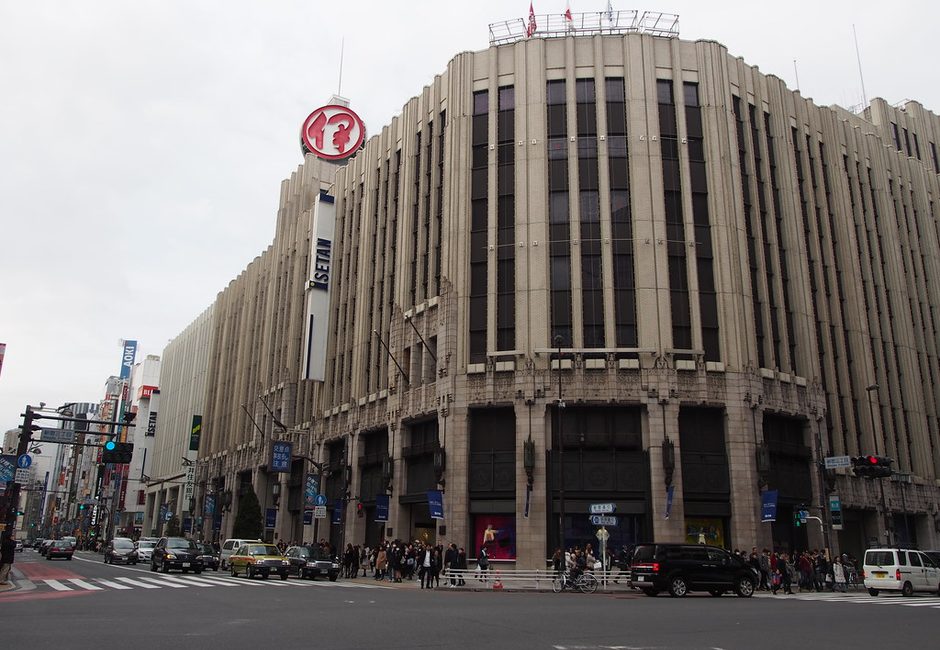
Department store basement food halls, the depachika, go into full seasonal mode in autumn. Isetan in Shinjuku and Mitsukoshi in Ginza stock limited-edition wagashi, chestnut sweets in particular, from October through November. Buy one thing from a depachika and eat it on a park bench. It costs almost nothing and you’ll remember it.
Mushroom season peaks in autumn too. Tempura restaurants put on seasonal mushroom sets, and kaiseki menus build whole courses around the harvest. You don’t need to seek it out. Even mid-range restaurants in neighbourhoods like Shibuya and Shinjuku mark the season on their handwritten specials boards.
Is autumn better than spring?
For most visitors, yes.
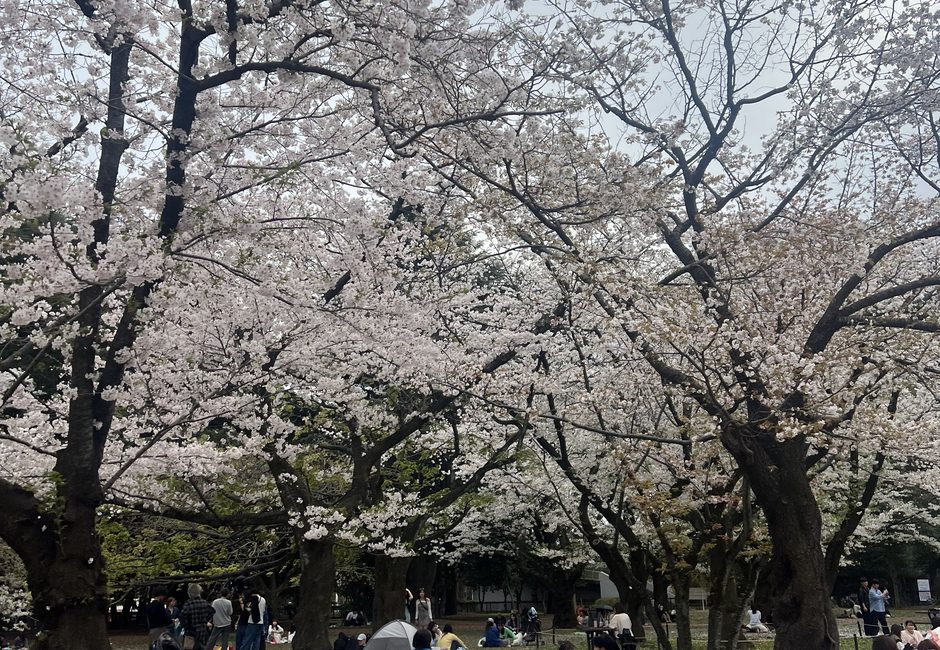
Cherry blossoms are more famous, and they’ve earned it. Nothing in Tokyo quite matches a full-bloom avenue of Somei Yoshino trees. But cherry blossom season means booking months ahead, accepting that your dates might not line up with peak bloom, and sharing your viewing spots with the biggest crowds of the year. The spring guide and the cherry blossom collection cover it in full, and if blossoms are your reason for coming, nobody should talk you out of it.
Autumn koyo is different. The window is longer, a couple of weeks of strong colour across the central parks rather than about a week for blossoms, so the timing is more forgiving. The crowds are real but smaller. The maple reds and ginkgo golds are a different look from sakura pink, not a lesser one. And the walking weather through October and November, with days in the high teens to low twenties and dry skies, is at least as good as April.
There’s a practical case too. Hotel demand is usually softer than in cherry blossom season, and restaurants and popular ramen shops are easier to walk into. You can take the big gardens at a walking pace rather than a shuffle.
Day trips in autumn
Autumn is the best season for day trips from Tokyo, and two are essential.
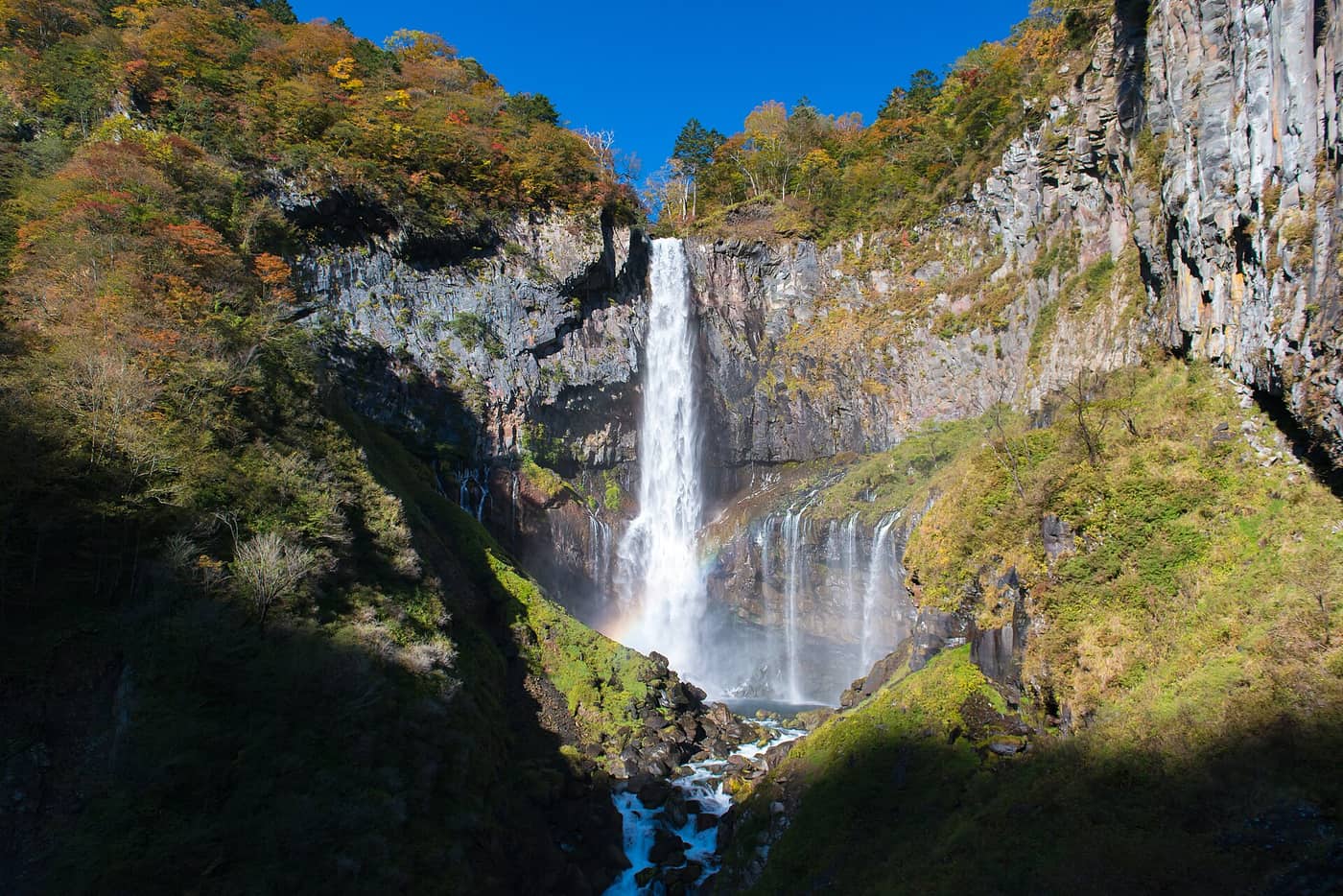
Nikko is the headline. The mountain shrines and forests north of Tokyo turn from mid-October through early November, weeks ahead of the city. Toshogu Shrine’s ornate architecture, Kegon Falls and the surrounding national park in full colour add up to the most dramatic single-day trip you can make from Tokyo. Take a Tobu limited express from Asakusa, or the shinkansen to Utsunomiya and the JR Nikko line. Both work. Go on a weekday if you can, since autumn weekends are crowded and the road to Lake Chuzenji jams. The Nikko day trip guide has the train options, the passes, and the order to walk the shrines.
Kamakura is a milder choice but a good one. The temple gardens at Engaku-ji and Tokei-ji turn from late November into early December, and the crowds are lighter than in spring. The Kamakura day trip guide plans the route from the JR Yokosuka line, and the day trips guide covers both in context, plus the Hakone option if you’d rather see Fuji from a mountain than from a city park.
Frequently Asked Questions
When do Tokyo autumn leaves peak?
In central Tokyo parks, the koyo peak usually falls between late November and early December. For 2026 the Japan Meteorological Corporation’s first forecast (2 September) puts ginkgo around 26 November and maples around 29 November, close to an average year. Ginkgo trees tend to peak first, usually in the last week of November. Maples follow and often hold their colour into early December at sheltered spots like Rikugien. Nikko and other mountain areas peak earlier, late October to early November. Japanese weather services publish koyo forecast maps each autumn that track the colour as it moves south from Hokkaido.
When are the Tokyo autumn light-ups in 2026?
Koishikawa Korakuen lights up from 13 to 24 November (18:00 to 21:00, last entry 20:00) and Rikugien from 25 November to 6 December (18:00 to 20:30, last entry 19:30). Both gardens close at 17:00 and reopen at 18:00 for the evening, and tickets cost ¥1,000 online in advance or ¥1,200 on the day. The dates come from the Tokyo Metropolitan Park Association. Showa Kinen Park hadn’t announced its 2026 evening light-up by the end of September.
Is Tokyo crowded in autumn?
Less than spring, but it’s not empty. November weekends at the most famous foliage spots, especially the Rikugien illuminations and Meiji Jingu Gaien, draw real queues. Weekday mornings at ticketed gardens like Shinjuku Gyoen are comfortable. October is the least crowded month of the autumn, and probably the least crowded comfortable month of the whole year. If you’re trying to avoid crowds, mid-October to early November gives you pleasant weather, thin crowds and colour at higher spots like Nikko, though central Tokyo will still be green.
What should I pack for Tokyo in autumn?
October calls for light layers, a long-sleeve base, a mid-layer for evenings and a compact rain jacket. Tokyo autumn is mostly dry, but rain comes now and then and can be cold when it does. November needs a proper jacket, especially for evenings at the garden illuminations, where standing still in the dark quickly finds any gap in your layers. December nights are winter and need dressing for. Comfortable walking shoes are non-negotiable at any point in the season. You’ll walk more than you planned in autumn Tokyo, everyone does, and good shoes are the difference between staying out until dark and retreating to the hotel by four.
Where should I stay in Tokyo in autumn?
Hotel demand rises for the foliage weeks, though usually less sharply than in cherry blossom season. Base yourself in Ueno for Ueno Park, the Culture Day museums and a short Yamanote ride to Rikugien. The Ueno hotel guide covers the blocks by the station. Base yourself in Shinjuku for Shinjuku Gyoen on foot and the Gaien ginkgo avenue a short ride away. The Shinjuku hotel guide has the exits and the picks. The full comparison of every base is in where to stay in Tokyo, and the weekly hotel price index samples live nightly rates by neighbourhood every week, so you can see how far ahead of the November rise you’re booking. Then put your dates into the Tokyo travel map and use Search this area for hotels. Every price pill quotes those dates.
Places in this guide
Photos show the actual places, licensed under Creative Commons and credited to their photographers.
Find hotels in Tokyo
Browse live availability and compare prices for your dates.