Where to Stay in Akihabara, Tokyo: A Complete Neighborhood Guide
Find the best places to stay in Akihabara. From business hotels to anime-themed guesthouses, our guide covers accommodation options, train access, and insider tips.
Where to Stay in Akihabara, Tokyo: A Complete Neighborhood Guide
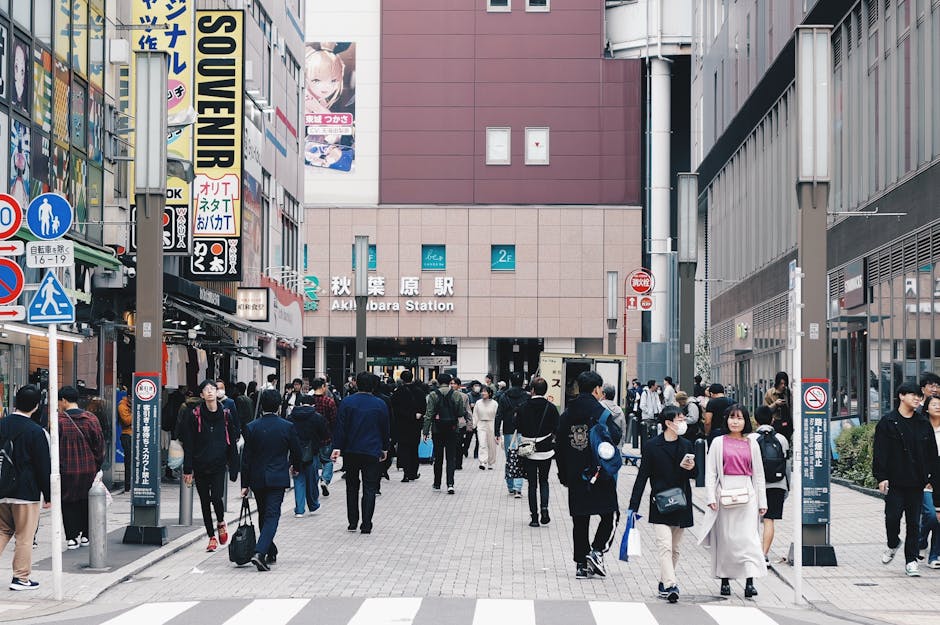
Akihabara has a reputation that precedes itself. Walk out of the station and you’ll understand why, the moment you see the first seven-story building plastered entirely in anime posters. The neighborhood is loud, electric, and completely unlike anywhere else in Tokyo. But here’s what most visitors miss: Akihabara is actually a solid place to stay, especially if you want central Tokyo access without paying Shibuya or Shinjuku prices.
Daniel spent a fair amount of time in Akihabara during his year in Tokyo, not in the obvious touristy areas, but in the quieter blocks north of the main station strip. The accommodation picture has changed significantly in recent years, shifting from love hotels and capsule pods to legitimate business hotels and guesthouses catering to international visitors. The train connections are excellent, the surrounding ramen shops don’t compromise on quality despite the tourist throughfare, and you get that authentic Tokyo energy without the pretension of more polished neighborhoods.
This guide covers where to actually stay in Akihabara, how to navigate the neighborhood, and whether it’s the right base for your Tokyo trip.
Understanding Akihabara’s Geography and Train Access
Akihabara spans roughly north to south from Kuramae Station (Asakusa side) to Kanda, and east to west from the JR tracks to the Kanda River. The neighborhood feels split into distinct zones, and where you stay matters significantly for your experience.
The main Akihabara Station (JR Chuo, Sobu, Keihin-Tohoku lines, plus Tokyo Metro Hibiya and G lines) is the transport hub. From here, you can reach Shibuya in 20 minutes, Shinjuku in 15 minutes, and Asakusa in 5 minutes. This accessibility is one of Akihabara’s strongest advantages as a base. The area around the station itself (Electric Town, Chuo-dori) is relentlessly touristy, with maid cafes, anime shops, and electronics megastores creating a sensory overload even by Tokyo standards.
The real Akihabara, where locals actually live and work, exists north and east of the main strip. Around Kuramae Station and towards the Kanda River, you’ll find residential blocks with proper grocery stores, traditional sushi bars, and old-school izakayas where salarymen congregate after work. This is where most quality accommodation sits, away from the neon but still a ten-minute walk to the action.
Bicycle access is decent if you’re staying in central Akihabara. The neighborhood has relatively flat terrain and a few dedicated cycling paths, though rush hour crowds make it hectic. Walking is genuinely your best option, the area is compact enough.
Hotel and Guesthouse Options
Akihabara’s accommodation landscape has professionalized in the last five years. You’ll find fewer love hotels and more proper business hotels, which is good news for most travelers.
Business Hotels (¥6,000-12,000 per night)
Dormy Inn Express Akihabara Premier is the standout here. It’s a two-minute walk north from the main station, on a quieter side street that still has good access to the Electric Town if you want it. Rooms are small (roughly 14m², standard for Tokyo), the beds are properly firm, and the breakfast buffet is solid. They have a public bath on the upper floor, which is increasingly rare in business hotels. Booking rates fluctuate significantly between weekdays and weekends, and you’ll save substantially on Sunday-Thursday stays.
Hotel Gracery Shinjuku is technically in Shinjuku, but Akihabara’s Daiwa Roynet Hotel sits about ten minutes east of the main station, closer to Kuramae. It’s slightly pricier (¥10,000-15,000), but the rooms are larger, the staff speak better English, and it attracts fewer tourist groups. The neighborhood around it is quieter, which is genuinely valuable if you want sleep without the constant noise of pachinko parlors.
APA Hotel Akihabara Station North is budget-friendly (¥5,500-9,000) and exactly what you’d expect from APA: spotless, efficient, small rooms, reliable wifi. It’s positioned at the exact intersection where Akihabara transitions from tourist zone to residential area, which means 30 seconds to the chaos if you want it, or 5 minutes to quiet blocks if you don’t.
Capsule Hotels and Pod Hotels (¥3,500-6,000 per night)
Nine Hours Shinjuku-North is in the pod hotel category, not capsule, so you get a proper bunk-style bed in a private booth rather than a tube. It’s a 12-minute walk from Akihabara Station, slightly north towards Kuramae, which puts you away from the main Electric Town but still connected. Showers are communal. Some international guests love the experience, others find it claustrophobic. It is worth checking a video walkthrough before booking.
Capsule Land Shinjuku is actual capsules, smaller and cheaper (¥3,800-5,200), in a building that looks like a traditional love hotel from the outside. Don’t let that deter you. The capsules are genuinely clean, the location is relatively quiet for Akihabara, and you’re minutes from several ramen shops that locals actually eat at. The building has a public bath (onsen-style), which adds value for the price.
Guesthouses and Hostels (¥3,000-7,000 per night)
Nui. Hostel & Lounge Bar is less of a traditional hostel and more of a hybrid guesthouse with both dorm and private rooms. It’s deliberately quiet and design-forward, which makes it feel out of place in Akihabara, but that’s precisely why it works. The private rooms are genuinely nice (¥8,000-11,000), the common areas attract long-term stays and digital nomads rather than party backpackers, and the location is just east of the main station on a street that feels tucked away. The bar serves decent cocktails, which sets a different tone than typical backpacker hostels.
Mitsuwaya Ryokan is worth mentioning even though it’s not technically a ryokan in the traditional sense. It’s a modernized guesthouse with Japanese-style rooms (tatami mats, futon beds), located about 15 minutes north towards Kuramae. Stays are ¥6,000-8,000 per night, and you get something closer to a genuine Tokyo residential experience than you would in the main station area. There’s no private bathroom (communal style), which is part of the authenticity, but it’s genuinely clean and the owner speaks English.
Anime and Themed Guesthouses
Akihabara’s reputation naturally attracts themed accommodation. Most of these are gimmicky and overpriced, but a few worth knowing about: Mado Lounge in Akihabara proper offers anime-themed rooms with character decorations and gaming setups (¥7,000-10,000). If you’re traveling specifically for anime fandom, it’s worth the premium. Most other themed places skew towards the love hotel aesthetic, which is worth avoiding unless that’s specifically your interest.
Eating and Living in Akihabara
The neighborhood has a split personality when it comes to food. The main Electric Town strip is packed with tourist restaurants, ramen chains, and conveyor belt sushi restaurants. None are bad, most are mediocre, and you’ll pay Tokyo prices for unremarkable food.
The real eating happens away from Chuo-dori. North towards Kuramae, there are proper izakayas that have existed for 20-30 years, frequented entirely by salarymen and local residents. Nakano Izakaya is one, tucked on a side street serving yakitori and sake to the same customers who’ve been coming for decades. Main courses run ¥800-1,500, and there’s zero English menu, which is actually a good sign here.
For ramen, Ichiran has a location in Akihabara with solo booths (you sit in your own compartment, order from a slip of paper, minimal social interaction). It’s efficient and genuinely good. There’s also Fuunji, a tsukemen specialist (dipping ramen) that draws lines, but the taste justifies it. Both run ¥900-1,200 per bowl.
Convenience stores (7-Eleven, FamilyMart, Lawson) are everywhere, and the food quality is genuinely respectable. Onigiri, sandwiches, and hot lunch boxes are reliable if you’re rushing between attractions. Several 24-hour convenience stores exist specifically because of the neighborhood’s late-night energy.
Grocery stores: The Ito Yokado department store connected to the main station has a supermarket on the lower floors with fresh produce, prepared foods, and proper groceries. If you’re staying more than a few nights, this saves money and offers genuine Tokyo supermarket experience.
Best Times to Visit Akihabara
Akihabara is busy year-round, but some seasons are dramatically more crowded than others.
Summer (July-August) is peak season due to international school holidays. The neighborhood becomes genuinely congested, temperatures are sticky, and hotel rates jump 20-30%. The Electric Town sidewalks feel compressed by early afternoon.
Cherry Blossom season (late March-early April) draws crowds, but less specifically to Akihabara than to Shinjuku, Shibuya, or Ueno. If you’re staying in Akihabara during blossom season, you’re close to Shinjuku Gyoen and other major viewing spots, and you’ll return to a less crowded home base each evening.
Autumn (October-November) is genuinely pleasant. Weather is cool and crisp, crowds thin slightly, and you’re positioned well for day trips to foliage viewing (koyo) at places like Shinjuku Gyoen or even Nikko, which is a 90-minute train ride away.
Winter (December-February) is the honest recommendation for Akihabara. The neighborhood feels different when it’s cold, quieter and somehow more real. Christmas illuminations (late November-December 25) light up major streets. New Year (December 31-January 3) empties the neighborhood significantly, which is either a feature or a bug depending on your preference. Many restaurants close during this period.
Practical Tips for Staying in Akihabara
Train cards: Get a Suica or Pasmo IC card at any station machine. Load ¥3,000-5,000 onto it and tap on and off at every station and bus. This is your single most useful tool for Tokyo navigation.
Tourist attractions: You can walk to Senso-ji Temple in Asakusa (15 minutes), explore the backstreets of the old yamanote neighborhood, or head to any major area within 20 minutes on the JR lines. Akihabara is genuinely central, which is its primary advantage as a base.
English: The main Electric Town has adequate English signage and English-speaking staff in tourist-facing businesses. The quieter residential blocks have almost none. Offline translation apps help.
Noise levels: If you’re sensitive to sound, avoid rooms facing Chuo-dori (the main street). Request a room facing quieter streets when booking, or choose hotels north of the main station intersection.
Atmosphere expectations: Akihabara is intentionally weird. If you prefer quiet, refined, or understated Tokyo, consider Nakameguro, Shimokitazawa, or Sangenjaya instead. If you want the neon energy of Tokyo concentrated into a few blocks, Akihabara delivers.
Related Reading
- Living in Shimokitazawa: An Insider’s Tokyo Guide (pillar)
- First Time in Tokyo: The Best Neighborhood to Stay In
- Where to Stay Near Ueno, Tokyo: A Local’s Guide to the Best Neighborhoods and Hotels
Frequently Asked Questions
Is Akihabara safe to stay in?
Yes, completely. Tokyo is one of the world’s safest major cities, and Akihabara is no exception. The neighborhood is busier and more touristy than residential areas, which actually means more police presence and foot traffic. Solo travelers, families, and anyone else are perfectly safe at any hour. The main concern is pickpocketing in extremely crowded areas during peak times, but this is a general Tokyo consideration, not specific to Akihabara. Use the same sense you would in any busy urban area.
What’s the nearest airport, and how long does it take to reach Akihabara?
Narita International Airport (NRT) is roughly 60 kilometers east and takes 60-75 minutes via the Narita Express train (¥3,070), which connects directly to Tokyo Station, then you transfer to Akihabara (5 minutes on the JR Chuo line). Haneda Airport (HND) is closer (about 14 kilometers south) and takes 30 minutes via the Haneda Express monorail to Hamamatsucho Station, then 5 minutes to Akihabara on the JR Hibiya line (¥490 additional). Haneda is significantly faster and more convenient.
Should you book hotels months in advance?
For standard business hotels and guesthouses in Akihabara during regular periods (September, October, January-February, early May), you can book 2-4 weeks ahead. For cherry blossom season (late March-early April), Golden Week (April 29-May 5), summer holidays (July-August), and New Year (December 30-January 3), book 2-3 months ahead. Prices fluctuate based on how far in advance you commit, with early bookings sometimes offering 15-20% discounts. Check multiple platforms (Booking.com, Hotels.com, direct hotel websites) as pricing varies.
Find hotels in Akihabara
Browse live availability and compare prices for your dates.