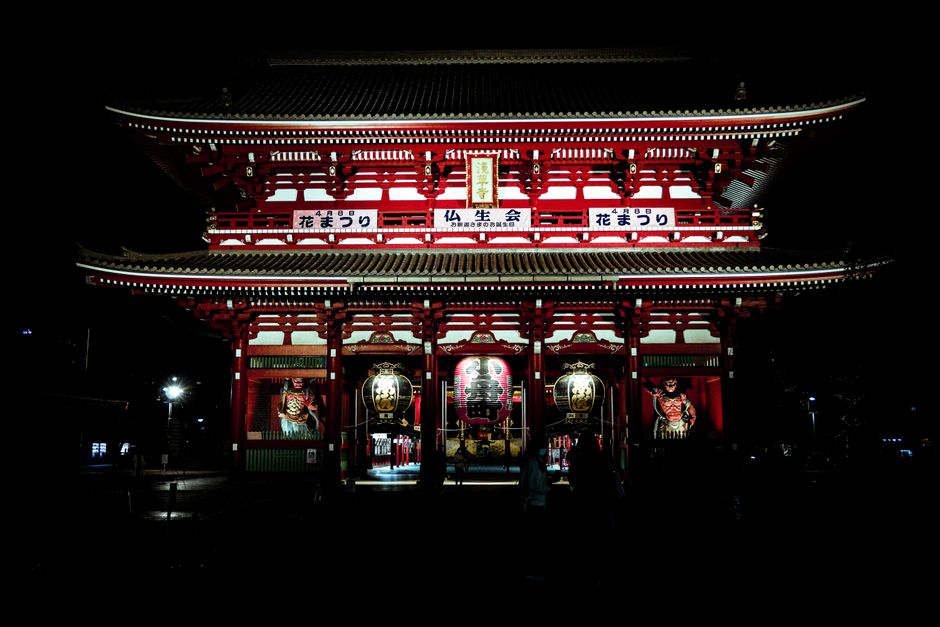
Where to Stay in Asakusa, Tokyo: A Local's Guide to Every Hotel Type
Find the best hotels, ryokan, and guesthouses in Asakusa. From budget capsules to luxury ryokan, here's where to stay near Senso-ji Temple.
Where to Stay in Asakusa, Tokyo: A Local’s Guide to Every Hotel Type
Asakusa is one of Tokyo’s most authentic neighborhoods, and choosing where to stay here matters more than you’d think. The area around Senso-ji Temple draws massive crowds during the day, but the streets quieten down significantly after 7 PM, giving you access to a genuinely local Tokyo experience that’s rare in other central neighborhoods.
The thing about Asakusa is that your hotel choice directly affects what time you get to experience the neighborhood. Stay within walking distance of Senso-ji, and you’ll catch the temple at dawn before the crowds arrive, watch the street vendors set up on Nakamise shopping street, and eat dinner at local izakayas alongside Tokyo residents rather than tour groups. Stay further out, and you’ll have more budget to spend on experiences, but you’ll lose that early-morning magic.
This guide covers every realistic accommodation type in and around Asakusa, with specific recommendations based on what you actually care about: budget, location, and what kind of Tokyo experience you want.
Understanding Asakusa’s Layout Before You Book
Asakusa is surprisingly small. The temple itself sits between Asakusa Station (on the Ginza Line) and Tawaramachi Station (also Ginza Line), with most tourist-facing businesses clustered within a 10-minute walk. The neighborhood spreads south and west from there, becoming progressively more residential and quieter.
The Ginza Line is your main artery here. It connects Asakusa directly to Ginza (8 minutes), Shinjuku (15 minutes), and Shibuya (25 minutes). The line runs underground and doesn’t have the same direct exits that JR stations have, so when you exit any Ginza Line station, you’ll need to orient yourself using the exit numbers and maps.
Stay within the Asakusa Station exit area, and you’re in the thick of things. Walk five minutes west, and you’re in a completely different Asakusa, quieter and more residential. This matters because Asakusa has two distinct personalities, and your accommodation will determine which one you experience.
Business Hotels: Best Value Near the Temple
If you want to stay close to Senso-ji without overspending, business hotels are your answer. These are the Dormy Inn, Hotel Gracery, and APA Hotel tier places, typically family-run or small Japanese chains. They’re not glamorous, but they’re spotless, reliable, and offer the best value in the area.
Dormy Inn Express Asakusa sits about five minutes’ walk from Asakusa Station, near the Okura and the residential streets heading west. The rooms are small (expect around 12 square meters for a single), but the beds are comfortable, the wifi is genuinely fast, and there’s a complimentary small breakfast (bread, jam, coffee). The hot bath on the upper floors is a genuinely nice touch after a long day walking around Tokyo. Rates run roughly 6,000-9,000 yen per night depending on season.
The Asakusa View Hotel is the more upmarket option in this category, sitting a few minutes’ walk from the station with views toward Tokyo Skytree. It’s technically a business hotel but with better finishes, a restaurant, and more space in the rooms. Rates are typically 10,000-15,000 yen, which starts to overlap with mid-range hotels but you get business hotel reliability with minor upgrades.
The advantage of staying at these places is that you wake up and can be at Senso-ji within 10 minutes, beating the crowds. The disadvantage is that the rooms are genuinely tiny, and you’re surrounded by other tourists staying at the same hotel. You’re trading space and uniqueness for location and value.
Book these hotels two to three months ahead during cherry blossom season (late March through early April) or Golden Week (late April). In low season (January-February, September), you can often book a week or two ahead without issue.
Mid-Range Hotels: The Comfort Sweet Spot
Mid-range hotels in Asakusa (8,000-20,000 yen per night) give you a bit more space and amenities without the luxury price tag. These are hotels like the Richmond Hotel Premier Asakusa and the Mitsui Garden Hotel Asakusa.
The Richmond Hotel Premier sits just south of Asakusa Station, about a three-minute walk to the temple. The rooms are genuinely spacious by Tokyo standards (25-30 square meters), with proper desks, separate bathrooms, and beds that don’t feel like they’re designed for miniature people. The restaurant does a solid breakfast buffet with both Japanese and Western options. Rates run 12,000-18,000 yen depending on occupancy.
What you’re paying for at this tier is the extra 10-15 square meters of space and better bathroom fixtures. If you’re staying four nights or longer, this comfort upgrade is worth budgeting for. After night two or three in a 12-square-meter room, you’ll notice the difference.
The Mitsui Garden Hotel sits a 10-minute walk west of the temple, toward the residential area. This puts you slightly away from the main Senso-ji crowds but still within easy walking distance. The tradeoff is that your early morning to the temple takes an extra five minutes, but you’re more likely to find a quiet izakaya or ramen shop at night because you’re outside the main tourist corridor.
Luxury and Unique Stays: Ryokan and High-End Hotels
Asakusa does have luxury ryokan, though they’re rare within the neighborhood proper. A true ryokan experience involves tatami rooms, kaiseki dinner, and an onsen bath, and Tokyo’s land prices make these genuinely expensive here (often 30,000-60,000+ yen per person with meals included).
The Sadachiyo ryokan is one of the few legitimate options in Asakusa itself, sitting a short walk from Tawaramachi Station. It’s been operating since 1830 and feels genuinely historic without being overly themed. Rooms have tatami mats and proper ryokan aesthetics, with dinner and breakfast included. The price reflects the location and authenticity, typically 40,000-70,000 yen per person depending on season. This is worth the splurge if you want a single night of authentic ryokan experience without traveling outside the city.
If you want something between business hotel and ryokan, the Hotel Okura Asakusa offers traditional Japanese aesthetic with modern comfort. It’s positioned as a premium property (rooms around 25,000-40,000 yen), but with the convenience of a regular hotel rather than ryokan rules (like fixed meal times).
The honest truth about ryokan in Tokyo proper is that you get more authentic experience by staying in a business hotel in Asakusa and then doing a day trip or overnight to Hakone or Nikko. The transportation time is worth the more genuine mountain-and-hot-spring experience. But if you want one night of tatami mats and yukata robes, Sadachiyo delivers without the day-trip logistics.
Budget Stays: Capsule Hotels and Hostels
Asakusa has several respectable capsule hotels, which have become genuinely nice in recent years. Nui Hostel & Lounge Bar is a converted warehouse about 10 minutes’ walk from Asakusa Station, designed as a creative community space rather than a warehouse dorm. It’s not a true capsule hotel but a hostel with private rooms and shared kitchen access. Rates run 4,000-8,000 yen for a bed, making it the cheapest legitimate option if you don’t mind shared common areas.
The Imasa Capsule Hotel sits directly on the street opposite Asakusa Station (you can practically see the temple from the entrance). It’s old-school capsule hotel aesthetic, very compact, but genuinely clean and with surprisingly good ventilation. Rates are 3,500-5,000 yen per night. The trade-off is no window, no TV, and you’re sleeping in a pod that’s basically large enough to lie down in. But you’re paying less than a meal at a decent restaurant for a bed in the most convenient location possible.
The advantage of capsule hotels is that you’re paying for location and a bed, nothing else. Most tourists who book them are doing it deliberately for the experience or because they’re doing a quick overnight pass through Tokyo. If you book a capsule at 3 AM when arriving from Narita Airport, you save a night’s hotel cost, sleep a few hours, and check out ready to explore. This makes more sense logistically than spending 8,000 yen on a hotel night you’ll barely use.
Where Exactly to Stay: Neighborhoods Within Asakusa
Near Asakusa Station (Central Asakusa): Highest density of tourists, most hotels, closest to Senso-ji, noisiest until about 9 PM. Best for travelers who want walkable access to restaurants and the temple. Expect 15-20 minute walks to quieter residential streets.
West Toward Kuramae: More residential, fewer tourists, better selection of neighborhood izakayas. Takes about 15 minutes to walk back to the temple. Good middle ground if you want to feel like you’re staying in a real neighborhood while remaining close to the main attraction.
South Toward Tawaramachi: Quieter still, genuinely residential vibe, further from Asakusa Station (five minutes’ walk versus one minute). This is where the Sadachiyo ryokan sits, and where you’ll find the most authentic local restaurants. The trade-off is you lose convenience, but gain authenticity.
North Toward Sumida River: Fewer hotels here, more of Tokyo’s working neighborhoods. Only worth considering if you specifically want to stay away from Senso-ji crowds and are using Asakusa as a base for day trips elsewhere.
Booking Strategy by Season
Cherry Blossom Season (Late March-Early April): Book three to four months ahead. This is when Asakusa fills up completely, prices spike 20-30%, and even business hotels charge near-luxury rates. Expect 10,000-15,000 yen for what costs 6,000 yen in low season.
Golden Week (Late April): Japanese holidays, very crowded, similar pricing to cherry blossom season.
Summer (July-August): Hot and humid, moderately busy with tourists from rest of Asia. Prices slightly elevated. Book one to two months ahead.
Autumn (November): Daniel’s personal favorite season in Tokyo. Cool, crisp, fewer crowds than spring. Prices reasonable but moving up toward year-end. Book six to eight weeks ahead.
Winter (December-February): Quietest season outside New Year period. January-February offers best deals. New Year (December 31-January 3) is an exception: completely booked months ahead, prices highest of year.
Low Season (September-October, after Golden Week): Cheapest time to book, with rates dropping 20-30%. Typhoon season starts late August, so there’s some weather risk in September.
Practical Transit From Your Hotel to Key Areas
From Asakusa Station on the Ginza Line, you can reach Ginza in 8 minutes, Shinjuku in 15 minutes, and Shibuya in 25 minutes. This makes Asakusa genuinely convenient despite feeling remote. The Ginza Line connects to the JR Yamanote Loop, so day trips to Nikko, Kamakura, or Hakone are straightforward.
The Ginza Line doesn’t have the same express train system as other lines, so all trains stop at every station. This matters if you’re traveling to distant stations like Roppongi or Ikebukuro, where you’ll wait for multiple stops. For most central neighborhoods, Asakusa Station provides direct access.
If you’re renting a bicycle (via app like Docomo Cycle), Asakusa is perfect. The neighborhood is relatively flat, the streets widen out west of the temple, and cycling through residential Tokyo at dawn is genuinely lovely. Expect to pay 100-300 yen for an all-day pass.
Making the Most of Your Asakusa Location
The real value of staying in Asakusa is the temporal advantage. Most tourists show up at Senso-ji between 10 AM and 4 PM. If you stay here, you can visit at 6:30 AM when the temple is quiet, the light is perfect, and you have the stone paths essentially to yourself. Then you can retreat for coffee and breakfast before the crowds arrive at 8 AM.
The Nakamise shopping street (the narrow alley of vendors leading to the temple) is actually charming when it’s not crowded. Visit before 8 AM or after 7 PM, and you’ll see why local artisans keep shops here despite the tourist crowds.
Schedule your Asakusa time strategically. Spend your early mornings and evenings in the neighborhood. Use your daytime to visit other areas via the Ginza Line, then return to Asakusa when it’s quieter. This approach gives you both the genuine Asakusa experience and the convenience of a central location.
Related Reading
- Living in Shimokitazawa: An Insider’s Tokyo Guide (pillar)
- First Time in Tokyo: The Best Neighborhood to Stay In
- Where to Stay Near Ueno, Tokyo: A Local’s Guide to the Best Neighborhoods and Hotels
Frequently Asked Questions
Is it worth staying in Asakusa if you’re only visiting Tokyo for 2-3 days?
Yes, if Senso-ji Temple is on your itinerary. The early morning access alone justifies staying here, and the neighborhood has enough character that you can spend time exploring beyond just the temple. If Senso-ji isn’t a priority and you’re splitting time between Shibuya, Shinjuku, and Harajuku, staying in Asakusa means extra train time. In that case, Shimokitazawa or Nakameguro offer more central locations.
What’s the best neighborhood within Asakusa for first-time visitors?
Within a five-minute walk of Asakusa Station is your safest bet. You’ll have the most hotel options, the easiest access to restaurants and the temple, and the least navigational confusion. Yes, it’s more touristy, but the logistics are simpler, and “touristy but convenient” beats “authentic but confusing” when you’re jet-lagged on your first night in Tokyo.
Do you need to book accommodation months in advance?
It depends on season. For cherry blossom season or New Year, yes, book three to four months ahead. For most other times, six to eight weeks is sufficient for reasonable hotel selection. January-February and September-October, you can book three to four weeks ahead. Never leave accommodation to walk-up booking in Tokyo unless it’s low season and you’re flexible about location.
Find hotels in Asakusa
Browse live availability and compare prices for your dates.