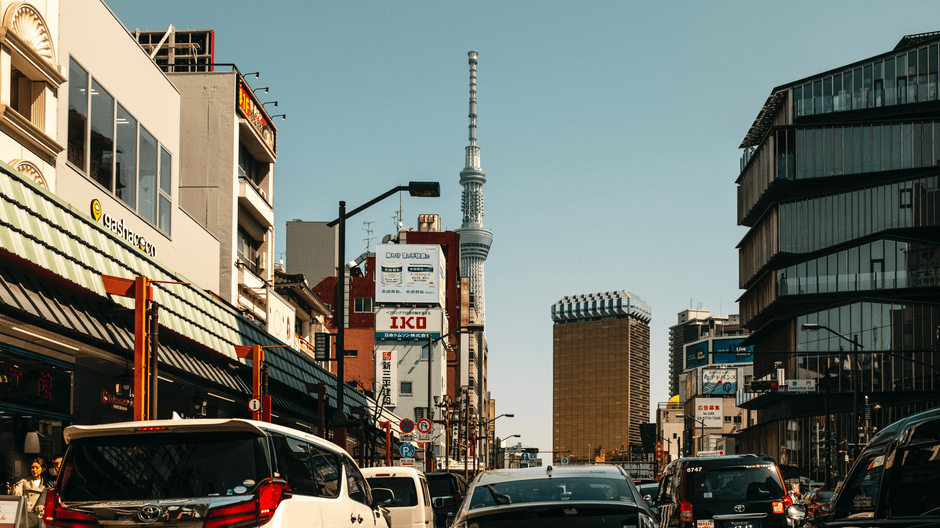
Where to Stay in Ikebukuro, Tokyo
Best hotels, neighborhoods & budget options in Ikebukuro. Local tips on accommodation, transport, and what to expect from Tokyo's bustling hub.
Where to Stay in Ikebukuro, Tokyo
Ikebukuro gets overlooked. Most travelers gravitate toward Shibuya’s energy, Shinjuku’s chaos, or Shimokitazawa’s vintage charm. But spend a few days in Ikebukuro and you’ll understand why locals actually live here. It’s a working Tokyo neighborhood that happens to be incredibly accessible, affordable, and genuine. The accommodation options reflect this: solid business hotels, reliable capsule facilities, and an increasing number of design-conscious boutique options. You get central Tokyo proximity without the premium pricing of trendier districts.
This guide covers where to actually stay in Ikebukuro, what each area offers, and how to decide based on your travel style. It draws on Daniel’s year living in Tokyo neighborhoods, which required understanding how different areas feel, and Ikebukuro surprised him with its practicality.
Ikebukuro Station East Exit vs. West Exit: Understanding the Geography
Ikebukuro Station is massive, split into two distinct zones, and this decision shapes your entire stay. Understanding the difference is the first real choice you’ll make.
The East Exit (Higashi-guchi) connects to Meiji-dori and the shopping district. This side has department stores, the Sunshine City complex (shopping, aquarium, planetarium), and more tourist infrastructure. Train connections are strong here, particularly the Marunouchi Line and JR lines. Hotels on this side tend toward business chains: Dormy Inn, APA Hotel, Tokyu Stay. The streets feel busier and more commercial. If you want walkable access to everything immediately, East Exit is your answer.
The West Exit (Nishi-guchi) is quieter and more residential in feel. You’ll find smaller hotels, local restaurants, and fewer English signs. This side connects better to Kasuga-dori and feels less touristy. The nightlife and izakaya alleys are concentrated here. West Exit is where locals actually spend time, not where tour groups gather. The trade-off is slightly less convenience and fewer English speakers at smaller establishments.
Stay on the East Exit side if you’re prioritizing convenience and shopping. Choose West Exit if you want to experience Ikebukuro as residents do, with a 10-minute walk tolerance for major attractions.
Budget-Friendly Business Hotels: The Best Value in Ikebukuro
Ikebukuro’s strength lies in no-nonsense business hotels that undercut Shinjuku and Shibuya pricing by 20-30% while maintaining identical cleanliness standards. These aren’t charming. They’re efficient, quiet, and excellent value.
Dormy Inn Ikebukuro (East Exit, 2-minute walk from station) charges around 8,000-12,000 yen per night for clean double rooms with proper beds, fast wifi, and included breakfast. The onsen bathtub in the basement is genuinely relaxing after walking Tokyo’s streets all day. Staff speak enough English for check-in issues. Breakfast includes both Japanese and Western options, which matters more than you’d expect when you’re traveling solo and eating every meal out otherwise.
APA Hotel Ikebukuro Meguro-dori (West Exit side, 5-minute walk) runs slightly cheaper at 6,500-10,000 yen and offers identical service quality. APA is the reliable choice across all Tokyo locations: small rooms (around 12m² for a double), excellent showers, convenient location. The West Exit placement means fewer tourists in the breakfast room, which matters if you’re trying to avoid tourist fatigue. Rooms are genuinely small, but you’re sleeping here for maybe 8 hours anyway.
Tokyu Stay Ikebukuro (East Exit, 3-minute walk) at 9,000-13,000 yen sits between the two in both price and positioning. It’s newer, rooms are slightly larger, and the location is optimal. The integrated laundry facility is genuinely useful for longer stays (five-day trips and up).
Book these directly or through Japanese hotel booking sites (Rakuten Travel, Jalan) for better rates than international OTA sites. Prices fluctuate significantly: weekday rates are 30-40% cheaper than weekends. A Wednesday night might be 7,000 yen where Saturday is 11,000 yen for the same room.
Boutique and Design Hotels: The Rising Trend
Ikebukuro is experiencing a quiet design hotel influx, partly because developers realized there’s genuine demand from design-conscious travelers who don’t want corporate sameness and partly because West Exit land is cheaper than Shibuya equivalent.
Mitsui Garden Hotel Ikebukuro (East Exit, 2-minute walk) at 15,000-22,000 yen is the category leader. Clean Scandinavian-influenced design, excellent beds, rooms that feel like actual hotel rooms rather than cardboard boxes. The location is unbeatable. It’s pricier than business hotels, but the experience difference justifies it for a 3-4 night stay. The breakfast buffet is notably better than business hotel standards.
Hotel Gracery Shinjuku (nearby in connected Kasuga area, 8-minute walk) bleeds into both neighborhoods but offers similar modern aesthetics at 12,000-18,000 yen. Worth it if you want contemporary design without premium pricing.
For something smaller, Ikebukuro Villa (West Exit, 7-minute walk, around 10,000-14,000 yen) is a 15-room property with genuine personality. Not all rooms are identical. Breakfast is optional and basic. It’s run by people who understand Tokyo hospitality, not a corporate chain. Staff are friendly beyond script. This is the hotel where you’ll actually have conversations, not transactions.
The design hotel trend means you can stay somewhere interesting without the ultra-premium pricing of Nakameguro or Roppongi. Ikebukuro is becoming where design-conscious travelers quietly stay while tourists overcrowd trendier neighborhoods.
Capsule Hotels and Compact Budget Options
Capsule hotels get unfair reputation. Modern ones are clean, efficient, and genuinely viable for solo travelers. Ikebukuro has several.
Nine Hours Shinjuku North (technically Shinjuku but 12-minute walk from Ikebukuro Station via multiple neighborhoods) pioneered the concept. Rooms are 6m² pod-style spaces: bed, small desk, wifi. Around 5,500-7,500 yen. You’re not roughing it. The facilities are spotless. Staff speak enough English. If you’re solo and want the budget experience with actual comfort, this works.
Nui Hostel & Lounge Bar (5-minute walk from West Exit, around 3,500-5,000 yen for dormitory) is newer and Instagram-popular, which means it’s either charming or crowded depending on what you value. Shared facilities include a kitchen and lounge. The rooftop bar area is genuinely nice. Good for meeting other travelers. Less good if you want quiet evenings. Breakfast costs extra (around 800 yen, decent options).
Book capsule accommodations knowing you’re trading private space for budget and location. They work well for 1-2 night stays. Beyond three nights, you start missing private bathroom access and feeling the spatial constraint.
When to Book and Seasonal Pricing Considerations
Ikebukuro pricing follows Tokyo patterns, but with less volatility than premium neighborhoods. Expect baseline prices to jump 50-80% during cherry blossom (late March through early April), New Year (December 31-January 3), Golden Week (late April), and summer vacation (late July through August).
A hotel running 8,000 yen mid-February might be 13,000 yen in late March. Book these periods 2-3 months ahead. Conversely, November is excellent: cool weather, fewer tourists, same hotel quality. Rooms drop to near-baseline pricing while everything feels more authentic.
Weekday stays are genuinely cheaper than weekends, even outside peak season. A Tuesday night in June might be 6,500 yen where the same room Friday is 9,500 yen. If your schedule is flexible, travel Tuesday-Thursday.
Weather matters less in Ikebukuro than other Tokyo neighborhoods because everything is connected by covered shopping arcades and train corridors. Summer humidity and winter cold are manageable without extensive outdoor time.
Transport Connections from Ikebukuro
Staying in Ikebukuro makes sense partly because of transport practicality. The station connects six major train lines: JR Yamanote Line (circle line hitting every major neighborhood), JR Saikyo Line, Tokyo Metro Marunouchi Line, Tokyo Metro Fukutoshin Line, Tokyo Metro Tojo Line, and Seibu Ikebukuro Line.
From Ikebukuro Station, you’re 5 stops to Shinjuku on the Marunouchi Line (8 minutes), 3 stops to Shibuya via transfer (12 minutes total), 9 stops to Tokyo Station (15 minutes). The Yamanote Line means you can reach any Tokyo major neighborhood within 30 minutes. This makes Ikebukuro a legitimate base for exploring the entire city.
Day trips from Ikebukuro are practical. Kawagoe (traditional warehouse district) is 30 minutes on the Seibu Line. Nikko is 90 minutes via JR. Mount Takao is accessible within 90 minutes. Staying outside central Tokyo becomes viable because exit flexibility exists.
Load a Suica or Pasmo IC card at any station machine (cash only, around 2,000 yen deposit plus usable balance). Tap on/off every train and bus. It’s the practical way to move around. English is sufficient at major stations, but station signage is excellent, so language isn’t a real barrier.
What to Actually Do While Staying in Ikebukuro
This is the overlooked part. Most guides treat Ikebukuro as somewhere you sleep before going to “real Tokyo.” Actual Ikebukuro has attractions.
Sunshine City (East Exit, 5-minute walk) is a shopping and entertainment complex. The aquarium is solid (tropical fish, jellyfish, penguin care demonstrations). The planetarium (Sunshine City 60-floor location) is genuinely relaxing. The shopping center itself contains restaurants and stores you don’t find elsewhere. It’s not exciting, but it’s functional and rain-proof.
Meiji-dori shopping street (East Exit) has department stores and regular shops. Nothing you can’t find elsewhere, but it’s walkable and you’ll see what locals actually buy.
The Sunshine City area bleeds into Tobu Department Store and various pachinko parlors, which tells you Ikebukuro’s real function: it’s a neighborhood where Tokyo residents shop and spend leisure time. Tourists aren’t the primary audience, which is exactly why it’s worth experiencing.
West Exit izakaya alleys offer better dining than touristy areas. Pick an alley, enter a small restaurant at random, order via pointing at pictures or saying “omakase” (chef’s choice). Meals run 2,000-4,000 yen. The experience is Tokyo without performance.
Related Reading
- What Nobody Tells You About Staying in Tokyo (pillar)
- First Time in Tokyo: The Best Neighborhood to Stay In
- Where to Stay in Ginza, Tokyo
Frequently Asked Questions
Is Ikebukuro worth staying in compared to Shinjuku or Shibuya?
Yes, if you value authenticity and pricing. Ikebukuro is cheaper (20-30% less for equivalent hotels), feels more residential, and has identical transport access to major neighborhoods. The trade-off is slightly less concentrated nightlife and fewer English signs. You’re staying in Tokyo as it actually is, not as tourism markets it. This matters more if you’re staying 4+ nights. For 1-2 night stays, the convenience of Shinjuku might outweigh the savings.
What’s the best area within Ikebukuro for families?
East Exit side, specifically near Sunshine City. The aquarium and planetarium are genuinely good for children. The area has more English signage. Hotels are larger (family rooms exist, unlike West Exit budget options). The trade-off is more tourist atmosphere and higher prices. West Exit works if your children are older and independent, but East Exit is objectively more practical for families with young kids.
Should you book accommodation directly with hotels or through booking sites?
Book directly with the hotel’s Japanese booking site (Rakuten Travel, Jalan) for better rates. International sites (Booking.com, Agoda) often charge 10-15% premiums. Call the hotel directly (English usually available) for the best rate. Japanese sites require creating an account, but the savings justify the effort. Some hotels offer direct-booking discounts explicitly advertised. APA and Dormy Inn sometimes undercut all booking sites when you reserve directly at their website.
Find hotels in Ikebukuro
Browse live availability and compare prices for your dates.