Where to Stay in Shinjuku, Tokyo: Neighborhoods, Hotels & Insider Tips
Find the best places to stay in Shinjuku with neighborhood guides, hotel recommendations, and insider tips for first-time visitors.
Where to Stay in Shinjuku, Tokyo: Neighborhoods, Hotels & Insider Tips
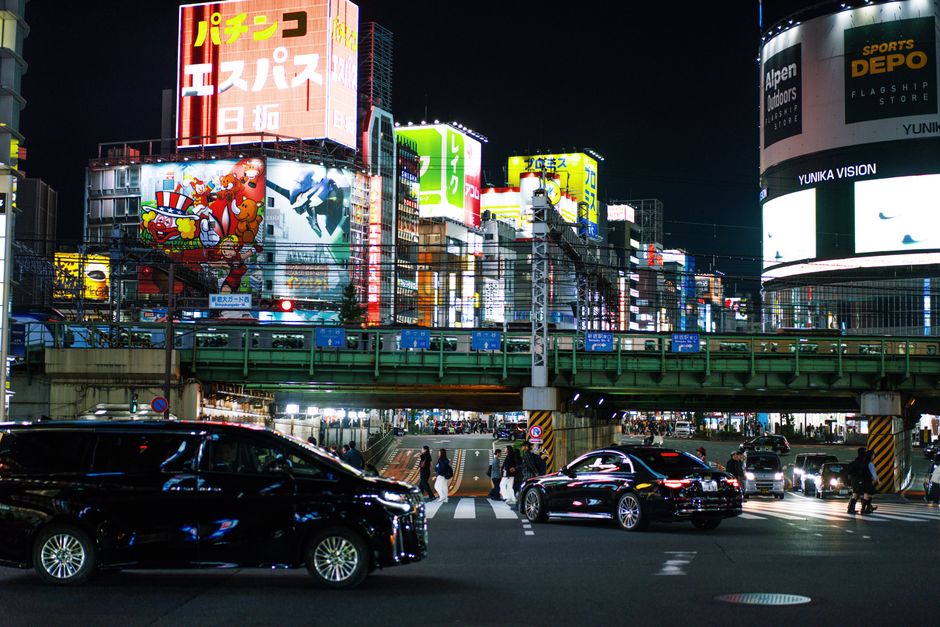
Shinjuku is Tokyo’s most hyperactive neighborhood, a place where neon signs scream at you in multiple languages, salarymen pour out of train stations at 8am, and you can eat ramen at 3am without it being strange. It’s also where most visitors end up staying, for good reason: the transport hub is unmatched, the food is incredible, and you’re never more than five minutes from something interesting.
But “Shinjuku” is massive. It stretches from the Imperial Palace gardens in the east to the Tokyo Metropolitan Government Building in the west, and choosing where to sleep here means understanding which Shinjuku you actually want to be in. The nightlife Shinjuku is very different from the business hotel Shinjuku, which is different from the quiet residential Shinjuku blocks just north of the station.
Over a year of moving around Tokyo, Daniel stayed in three different Shinjuku neighborhoods and passed through dozens more. Here’s where you should actually stay, broken down by what you’re actually looking for.
Shinjuku Station Area: The Energetic Hub
This is the default choice for most visitors, and honestly, it’s not a bad one. Shinjuku Station is the busiest train station in the world, and it’s not even close. On an average weekday, roughly 2 million people pass through it. That number means everything you need is within walking distance, train connections go everywhere, and you’ll never feel lost or stranded.
The hotels around the station itself are concentrated in two zones. East of the station is a solid cluster of mid-range and budget business hotels, mostly chains like Dormy Inn, APA, and Tokyu. These are your 12-14 square meter rooms with excellent bathrooms, reliable wifi, and complimentary breakfast (usually a solid spread of rice, grilled fish, miso soup, and tsukemono pickles). Prices run roughly 6,000-12,000 yen per night for a single or double, which is good value for central Tokyo. The eastern side is quieter than directly facing the station exit.
West of the station is where things get noisier and more touristy. This is the Kabukicho direction, where red neon bleeds into everything, karaoke boxes stack on top of each other, and the street energy is definitely “sensory overload.” Hotels here are slightly pricier but equally competent. The advantage is that you’re literally steps from everything, and the chaos is contained to about six blocks.
The key practical tip: check which station exit you’re booking near. Shinjuku Station has multiple exits on multiple lines (JR, Tokyo Metro, Toei, Odakyu, Keio). The “East Exit” and “South Exit” are different worlds, even though the station is connected underground. Get this wrong and you might add 10 minutes to every exit, which adds up when you’re leaving at 8am for a day trip.
The recommendation for this area: stay on the east side of the station (the Fukutoshin Line or Marunouchi Line east exits). You get the convenience without the overwhelming sensory assault of Kabukicho, and you can still walk into the chaos whenever you want.
Yotsuya: The Residential Sweet Spot
Move one train stop east on the Marunouchi Line to Yotsuya, and you enter a different Shinjuku entirely. This is where actual Tokyo residents live, where the pace is noticeably slower, and where a decent izakaya meal costs 1,000-1,500 yen instead of 2,000-3,000.
Yotsuya’s main street is busy during business hours but genuinely pleasant on weekends. There’s a decent shopping street (Yotsuya Dori), solid convenience stores, and several small neighborhood-level restaurants that tourists never find. The Meiji Outer Gardens (Meiji Gaien) are about 10 minutes north on foot, which is a genuinely beautiful park with tree-lined avenues and way fewer crowds than Yoyogi Park.
Accommodation here skews toward budget capsule hotels and smaller business hotels. There are no high-end options, which is actually fine because you’re paying 4,000-8,000 yen per night instead of 10,000+ and getting the same cleanliness and wifi. The trade-off is that you’re 6 minutes by train from the station action, which for some people is too far away, and for other people is exactly the point.
Yotsuya works best for travelers who want to base themselves in Shinjuku (for transport access and food options) but aren’t actually here to experience Shinjuku’s tourist attractions. If you’re doing day trips and using this as a home base, Yotsuya is genuinely excellent.
Okubo: The University Neighborhood
Head north from Shinjuku Station and you hit Okubo, which is dominated by Waseda University. This neighborhood is significantly younger, significantly cheaper, and significantly less touristy than anywhere else in Shinjuku ward.
The main street (Meiji-dori) is lined with student-oriented shops, used clothing stores, cheap ramen places, and the kind of bars where you can get a beer and small plate for 500 yen. Accommodation is sparse here, mostly small business hotels and some capsule options, priced at 3,500-7,000 yen per night. This is the budget basement of Shinjuku, and the catch is that you’re genuinely far from the station action, about 12-15 minutes on foot or one train stop.
Okubo works if you’ve got Tokyo figured out already, want to save money, and don’t mind being further from the tourist infrastructure. If this is your first Tokyo visit and you want easy access to major attractions, skip this neighborhood.
Sendagaya: The Quiet Alternative
Just south of the main Shinjuku area, Sendagaya is close enough to be convenient but far enough to feel like you’ve escaped. This neighborhood is residential, quiet, and includes the south side of Yoyogi Park, which is one of Tokyo’s best parks. It’s 5 minutes by train to Shinjuku Station on the Oedo Line.
Hotels here are mostly smaller business hotels and some boutique options, priced at 7,000-15,000 yen per night. The neighborhood has excellent ramen shops, a couple of decent convenience-store level coffee spots, and far fewer tourists than Shinjuku proper.
Sendagaya is the real pick if you want to stay “near Shinjuku” without actually being in Shinjuku. You’ve got the Meiji Shrine and Yoyogi Park as your home park, quieter streets to walk at night, and you’re still 5 minutes from one of Tokyo’s best train hubs.
Hotel Types and What to Expect
Business hotels (Dormy Inn, APA, Toyoko Inn, Route-Inn) are the value leaders here. They’re not glamorous, rooms are small (typically 12-14 square meters for a single), but they’re spotless, have excellent bathrooms, almost always include breakfast, and wifi is standard. Expect to pay 6,000-12,000 yen per night in central Shinjuku, less in Yotsuya. These are genuinely good value.
Capsule hotels have upgraded significantly in recent years. The good ones (like Nine Hours or Nui. Hostel and Lounge) have proper capsules (not tiny), reading lights, good ventilation, and communal areas that don’t feel depressing. Prices run 3,500-7,000 yen per night for a single capsule, which is exceptional value. The catch is that you don’t get a full room, and some capsule hotels still have rules about noise and checkout times that feel restrictive.
Mid-range hotels (2,500-4,000 yen per night range) are trickier in Shinjuku. You’ll find them, but you’ll be sacrificing either location or room quality. If you’re committed to staying here, a business hotel at the higher end (10,000-12,000 yen) is usually better value than a cheaper mid-range option.
Boutique and higher-end hotels (Mitsui Garden, Keio Plaza, Hilton, Marriott properties) are abundant in Shinjuku and priced at 15,000-40,000+ yen per night. These make sense if you want upscale comfort, specific brands, or concierge access.
Practical Staying in Shinjuku: What You Should Know
The train access is genuinely the best in Tokyo. From Shinjuku Station you can reach Shibuya (2 stops, 5 minutes), Harajuku (2 stops, 6 minutes), Ikebukuro (15 minutes), Tokyo Station (15 minutes), Akihabara (20 minutes), and further destinations. Day trips to Nikko, Hakone, and Kamakura are all manageable with JR Pass or individual tickets.
Accommodation books fastest during cherry blossom season (late March to early April), New Year (Dec 31-Jan 3), and Golden Week (late April). If you’re traveling during these windows, book 2-3 months ahead or expect to pay premium prices. Autumn (November) is busy but not impossible, and summer (July-August) has decent availability.
The neighborhood is genuinely alive at all hours. This is excellent if you love nightlife, food options at 3am, and constant activity. It’s terrible if you’re sensitive to noise or want an early, quiet night. If you’re in the second camp, pick Yotsuya or Sendagaya instead.
Luggage is fine but cumbersome. Shinjuku Station is huge and sometimes luggage lockers are full by noon. Many hotels will store your bags if you arrive early or want to explore after checkout, so ask when you book.
One final practical note: if you’re taking the Narita Express (N’EX) airport train, it runs through Shinjuku Station, which makes arrival and departure genuinely easy. If you’re flying into Haneda instead, you’ve got more flexibility, but Shinjuku is still well-connected (20-25 minutes by train).
Related Reading
- What Nobody Tells You About Staying in Tokyo (pillar)
- First Time in Tokyo: The Best Neighborhood to Stay In
- Where to Stay Near Ueno, Tokyo: A Local’s Guide to the Best Neighborhoods and Hotels
Frequently Asked Questions
Is it better to stay in Shinjuku or a quieter neighborhood like Nakameguro?
It depends on your priority. Shinjuku gives you the best transport hub, most affordable accommodation, and maximum food/entertainment options. You sacrifice quiet and get sensory overload in exchange. Nakameguro (one train stop south on the Tokyu Toyoko Line) gives you a more relaxed neighborhood feel, excellent food, and a beautiful canal, but accommodation is pricier and the neighborhood is smaller. If this is your first Tokyo trip and you’re doing multiple day trips, Shinjuku makes logistical sense. If you want a neighborhood experience and are comfortable traveling 15-20 minutes for major attractions, Nakameguro is better.
What’s the cheapest place to stay in Shinjuku?
Capsule hotels in Okubo or the capsule options on the east side of Shinjuku Station run 3,500-5,000 yen per night and are genuinely clean. Business hotels in Yotsuya run 4,000-7,000 yen for a proper room with a bed. If you’re willing to share a dorm in a hostel, prices drop to 2,500-3,500 yen, but Shinjuku isn’t known for good hostels, so look in Asakusa or Ueno instead if you want hostel culture.
What time do trains start running and when do they stop?
The first trains from Shinjuku Station start around 5:00-5:30am depending on the line, and the last trains leave around 12:30-1:00am. This is Tokyo-standard. Taxis and late-night buses run after that if you’re out later, but they’re expensive and slower. The practical answer is to plan your nights around train schedules, not the other way around.
Find hotels in Shinjuku
Browse live availability and compare prices for your dates.