Where to Stay Near Yanaka, Tokyo: Old Town Guide
Stay in Yanaka for old Tokyo vibes. Guide to hotels, ryokan, guesthouses in this charming historic neighborhood near Ueno.
Where to Stay Near Yanaka, Tokyo: Old Town Guide
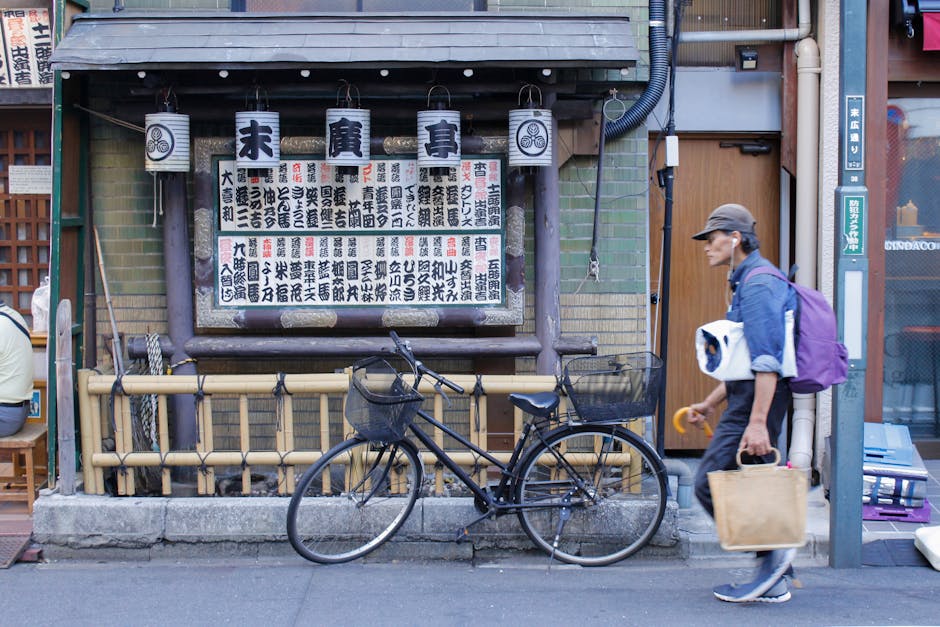
Yanaka is where Tokyo keeps its secrets. While other neighborhoods chase trends, Yanaka holds on to wooden townhouses, narrow lanes, and the kind of quiet that makes you forget you’re in a city of 37 million people. The neighborhood sits on a hillside in northeast Tokyo, untouched by the post-war rebuilds that flattened most of the city. If you stay here instead of Shinjuku or Shibuya, you’ll wake up to morning light filtering through shop windows that have sold the same tea or charms for decades.
The decision to stay in Yanaka is itself a statement about what kind of traveler you are. You’re not here for convenience or nightlife. You’re here for atmosphere, for morning walks, for the sound of shrine bells, and for restaurants where the owners remember regulars’ names. The neighborhood’s main draw is Yanaka Ginza, a 200-meter shopping street that’s part old-school market, part museum of Tokyo life. Walk it at 8 AM and you’ll see locals buying vegetables. Walk it at 5 PM and you’ll see nothing but golden hour light on painted shop signs.
Yanaka is also practical. The neighborhood sits directly adjacent to Ueno, one of Tokyo’s main transit hubs. Ueno Station connects to the JR Yamanote Line (rings the city), the Ginza Line, and the Chiyoda Line. From Yanaka you can reach Shibuya, Shinjuku, or the Imperial Palace in 15-30 minutes. But because Yanaka itself feels far from the main action, you’ll get the sense of having escaped Tokyo while still being completely inside it.
Finding Your Ryokan: Traditional Stays in Historic Yanaka
Ryokan in central Tokyo are rare. Most are concentrated in mountain towns and hot spring areas. But Yanaka has several genuine ryokan, and staying in one here offers something special: traditional accommodation in an actual working Tokyo neighborhood, not in a preserved theme park.
Yanaka Ginza Yado is one of the most approachable options. It’s a small family-run place on the shopping street itself, with tatami rooms, a shared bath, and breakfast served in a wooden dining room. The owners speak limited English but are genuinely welcoming. Rooms run roughly 8,000-12,000 yen per person per night including breakfast and dinner. This is budget by Tokyo standards, but you’re not paying for luxury, you’re paying for the experience. Book directly through their website or by phone rather than through OTA sites; small ryokan in Tokyo often have better rates for direct bookings.
Hakusuian is another option, a slightly more upscale ryokan set back from the main street in a quiet area. Rooms here range 15,000-25,000 yen per person with meals included. The building is newer but maintains traditional tatami aesthetics. The owner, who spent years living in Kyoto, has deliberately kept the place small (5 rooms) to maintain intimacy.
The challenge with Yanaka ryokan is availability. Many are booked months ahead, especially during cherry blossom season and autumn. Winter is your best bet for walk-in or last-minute bookings. If you can’t find a ryokan room, guesthouses are your next best option for maintaining the neighborhood vibe.
Guesthouses and Budget Hotels: The Real Yanaka Experience
Guesthouses (also called guesthouses, pensions, or small hotels) are where Yanaka truly shines for budget travelers. These are family-run places, typically 8-15 rooms, converted from older wooden buildings. You’ll often find the owner downstairs reading or working, happy to chat about the neighborhood.
Nipponia Hotels Yanaka is in this category, though on the higher-end: it’s a collection of renovated heritage buildings, each room individually designed, ranging from 20,000-40,000 yen per night. The aesthetic is “modern Japanese minimalism in a 1920s building.” If you want old Tokyo vibes with modern comfort and don’t need the full ryokan experience, this works.
For something closer to the budget guesthouse feel, look for places listed on Airbnb and booking sites under “Yanaka guesthouse” or “Yanaka pension.” Many are owner-run places with 2-5 rooms, often owned by Japanese creatives who moved to Yanaka specifically for its character. Prices typically run 6,000-10,000 yen per night. The trade-off is often less English support and no meals included, but you get direct interaction with people who chose to live here for reasons other than rent arbitrage.
A practical note: check room sizes carefully. “Room” in Tokyo sometimes means 8-10 square meters. For guesthouses in Yanaka, ask about room dimensions and whether there’s an ensuite bathroom or if it’s shared. Many budget places have shared facilities, which is fine but worth confirming.
Business Hotels: Reliable and Nearby in Ueno
If you want the reliability and cleanliness of a business hotel with the location advantage of Yanaka, you have two solid options just outside the neighborhood in adjacent Ueno.
Dormy Inn Premium Ueno is about a 5-minute walk from the top of Yanaka Ginza. It’s a business hotel, so rooms are small (12-15 square meters), but they’re impeccably clean. The chain includes amenities like a free hot bath (onsen) on the top floor, a vending machine with cheap booze, and fast wifi. Breakfast is included and offers both Japanese and Western options. Rooms run 6,000-12,000 yen per night depending on booking timing and day of week. Book early for weekends and special seasons.
APA Hotel Ueno is similar: functional, clean, accessible. It’s slightly cheaper than Dormy Inn (5,000-10,000 yen per night) but the rooms are marginally smaller and amenities are more basic. The trade-off is cost. Both these hotels are filled with Japanese business travelers, which means they operate with military precision.
The advantage of staying in a business hotel at the Ueno edge of Yanaka is you get easy access to both the neighborhood’s character and Ueno’s practical amenities (museums, parks, restaurants, convenience stores). The walk into Yanaka itself takes 5-10 minutes depending on where you’re headed.
Timing Your Stay: Seasons in Yanaka
Yanaka transforms with the seasons in ways that more modern neighborhoods don’t. Spring (late March-early April) brings cherry blossoms, specifically to the historic Yanaka Cemetery. If you stay here during this period, you’ll wake to blossoms framing narrow streets and morning mist over graves dating to the Edo period. Book accommodation 3-4 months ahead; Yanaka’s smallness means rooms fill quickly during bloom season.
Autumn (October-November) is arguably better than spring. Ginkgo trees on Yanaka Dori turn bright yellow. Temperatures are cool enough for long walks without melting, and the light in late afternoon turns the whole neighborhood gold. This is peak season but slightly less manic than cherry blossom time.
Winter (December-February) is the sleeping giant season. Fewer tourists, cold clear mornings, and a meditative quality to the streets. Many travelers skip Tokyo’s winter, which means you’ll have Yanaka nearly to yourself. Accommodation prices drop noticeably.
Summer is hot and humid but least crowded. If you can handle the heat, you’ll experience Yanaka as locals do: morning shopping on Yanaka Ginza before 10 AM, then retreating to air-conditioned cafes and restaurants.
Eating and Drinking in Yanaka: Practical Guide
One major benefit of staying in Yanaka is access to restaurants that locals actually use. Yanaka Ginza has small eating establishments: a 60-year-old soba shop, a ramen counter with 4 seats, a tiny tempura place. These aren’t tourist traps because tourists don’t really know about them.
For proper meals, head off the main shopping street. Kezuyamacho (a small street parallel to Yanaka Ginza) has several sit-down restaurants. Kappa Zushi is a tiny sushi counter, 6-8 seats, where lunch is 1,500-2,000 yen. Yanaka Gakuen Street has izakayas (casual drinking restaurants) that fill with locals after 5 PM. Expect to spend 3,000-5,000 yen for dinner and drinks.
If your accommodation includes meals (ryokan or some guesthouses), take advantage. Ryokan dinners are set menus showcasing seasonal ingredients and proper kaiseki presentation. Even budget ryokan give this level of care to dinner.
Convenience stores (7-Eleven, Lawson) are scattered around but less visible than in other neighborhoods, which is kind of the point. You can grab onigiri and canned drinks if you need quick meals, but Yanaka pushes you toward sitting down and eating properly.
Getting to and From Yanaka: Transit Logistics
Yanaka doesn’t have its own train station. This is actually part of its charm: fewer tourists arrive by accident. You reach it primarily via Ueno Station, which is served by multiple lines.
From Ueno Station, take the Ginza Line south one stop to Nezu Station and exit toward Yanaka. It’s a 5-minute walk from Nezu Station to the heart of Yanaka (the top of Yanaka Ginza). Alternatively, many guesthouses and ryokan are about a 10-15 minute walk from Ueno Station proper if you prefer walking uphill through residential streets.
From Narita Airport, take the Narita Express train to Tokyo Station, then transfer to the Chiyoda Line toward Ikebukuro and get off at Nezu. Total journey is roughly 70 minutes. From Haneda Airport, take the monorail to Hamamatsucho, transfer to the Oedo Line toward Hikarifuchu, get off at Uguisudani, then walk or take a cab 10 minutes to Yanaka. Alternatively, Haneda to central Tokyo via the Keihin Tohoku Line is also feasible but requires more transfers.
Have a Suica or Pasmo IC card loaded before you arrive. Tap it at entry and exit gates for all train and bus travel. Load it at any station machine with 1,000-10,000 yen and you’re set for a week’s worth of movement.
What Makes Yanaka Worth the Stay
The practical truth about staying in Yanaka is that it requires a different mindset than staying in Shinjuku or Shibuya. You won’t stumble into huge shopping complexes at 11 PM. You won’t find casual nightlife on your doorstep. You’re choosing intentionality over convenience.
What you get instead is Tokyo as it actually existed before the 1960s: a neighborhood where streets follow old property lines rather than grid planning, where shops have loyalty to regular customers, where quiet mornings are the default. You get the sensation of traveling in time as much as space.
For many travelers, one night is enough and they move to a more central hub. For others, three or four nights in Yanaka feel like the actual point of the entire trip. Yanaka forces you to slow down. Whether that’s appealing or frustrating depends entirely on what you’re looking for.
Related Reading
- Living in Shimokitazawa: An Insider’s Tokyo Guide (pillar)
- Where to Stay Near Ueno, Tokyo: A Local’s Guide to the Best Neighborhoods and Hotels
- First Time in Tokyo: The Best Neighborhood to Stay In
Frequently Asked Questions
Is Yanaka good for first-time Tokyo visitors?
No, not really. Yanaka is best for second or third Tokyo visits, or for travelers who specifically want to experience old Tokyo. First-timers usually benefit from staying in Shinjuku, Shibuya, or Ueno proper, where transit connections and dining options are denser. That said, if you’re a first-timer who cares more about atmosphere than efficiency, Yanaka is perfectly accessible. It’s just not the easiest introduction to Tokyo’s scale and pace.
How far is Yanaka from Tokyo’s main attractions?
Yanaka is about 15-25 minutes by train from major hubs. Shibuya Crossing is 20 minutes via the Ginza Line to Shibuya. Senso-ji Temple in Asakusa is one stop north on the Ginza Line (3 minutes). Ueno Park and museums are adjacent. The Imperial Palace area is 20 minutes via the Chiyoda Line. You’re well-positioned for day trips while living in a quiet neighborhood.
Do you need to speak Japanese to stay in Yanaka?
Not for ryokan and business hotels, which have English-speaking staff or translation apps. Small guesthouses are the variable. Most have written information in English, but spoken English support is hit-or-miss. Young Japanese travelers increasingly run these places and often speak English. If you’re staying in a very traditional owner-run guesthouse, having translation apps or speaking some Japanese helps, but it’s not essential. Book places that explicitly mention English support if you’re concerned.
Find hotels in Yanaka
Browse live availability and compare prices for your dates.