10 Best Neighbourhoods in Tokyo and Who Each Suits
The 10 best neighbourhoods in Tokyo, from Shinjuku and Shibuya to Yanaka, Koenji and Kagurazaka: what each is like, who it suits, and which to stay in.
Tokyo isn’t one city. It’s closer to fifty villages that grew into each other over four centuries, each with its own personality, its own pace and its own reasons to visit. The neighbourhood you spend most of your time in shapes your trip more than any single attraction, and a base on the wrong side of the city adds an hour of trains to every day.
This guide covers the ten neighbourhoods to understand before you book, with a straight read on who each one suits. All of them are on the interactive Tokyo travel map, and each links to a full guide with specific places.
The backbone: the Yamanote Line
Almost every neighbourhood that matters for visitors sits on or inside the Yamanote Line, the JR loop that circles central Tokyo. It takes roughly an hour to go all the way round and passes through Shinjuku, Shibuya, Harajuku, Ebisu, Shinagawa, Tokyo, Ueno, Akihabara and a dozen others. If a place is on the Yamanote, you can reach it from anywhere else on the loop in about half an hour at most. Most of the neighbourhoods in this guide are on it or one change away.
Shinjuku
Best for first-timers, the full Tokyo experience in one place.
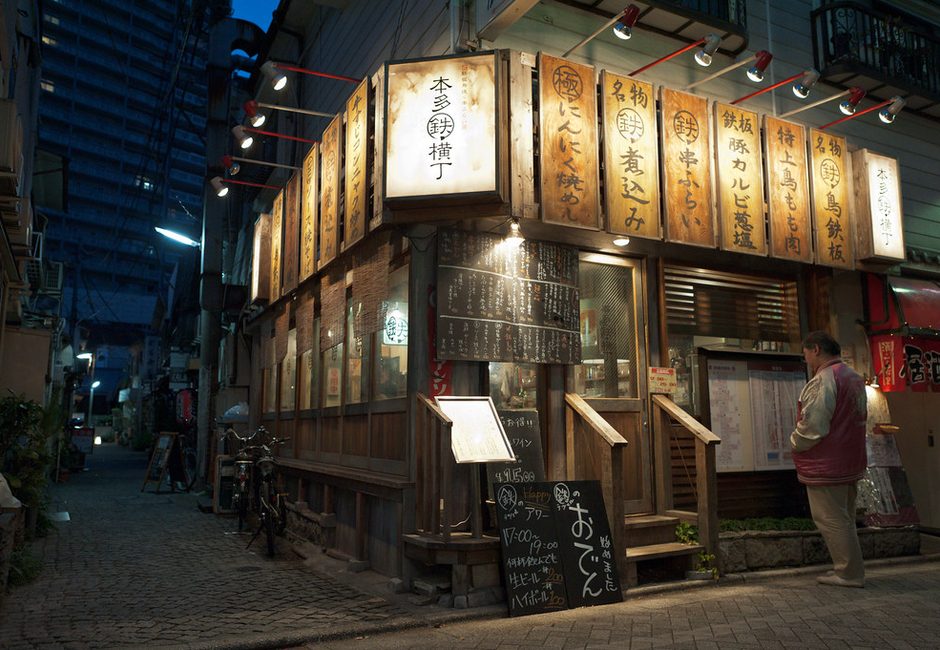
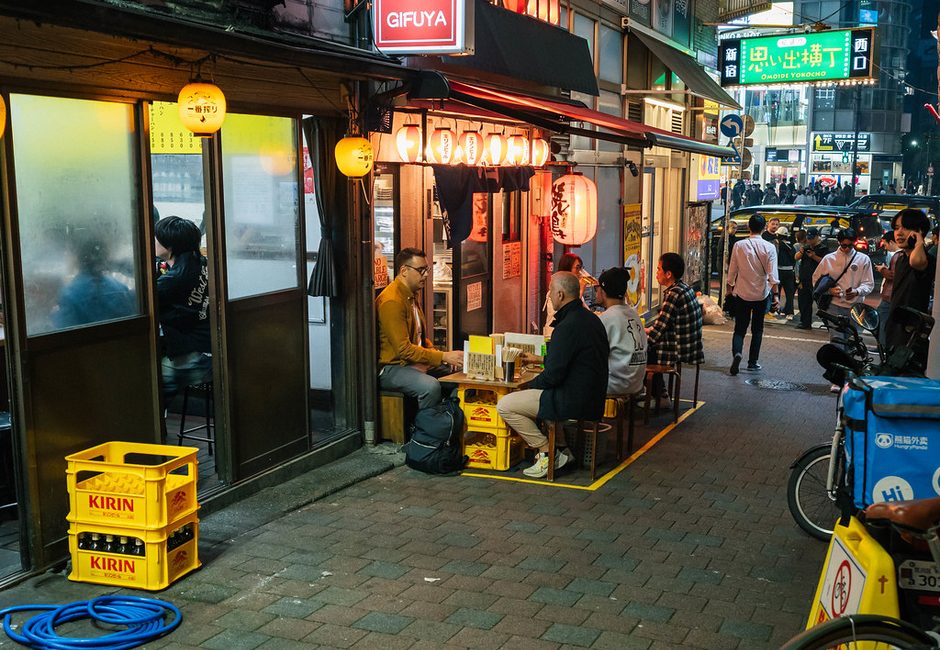
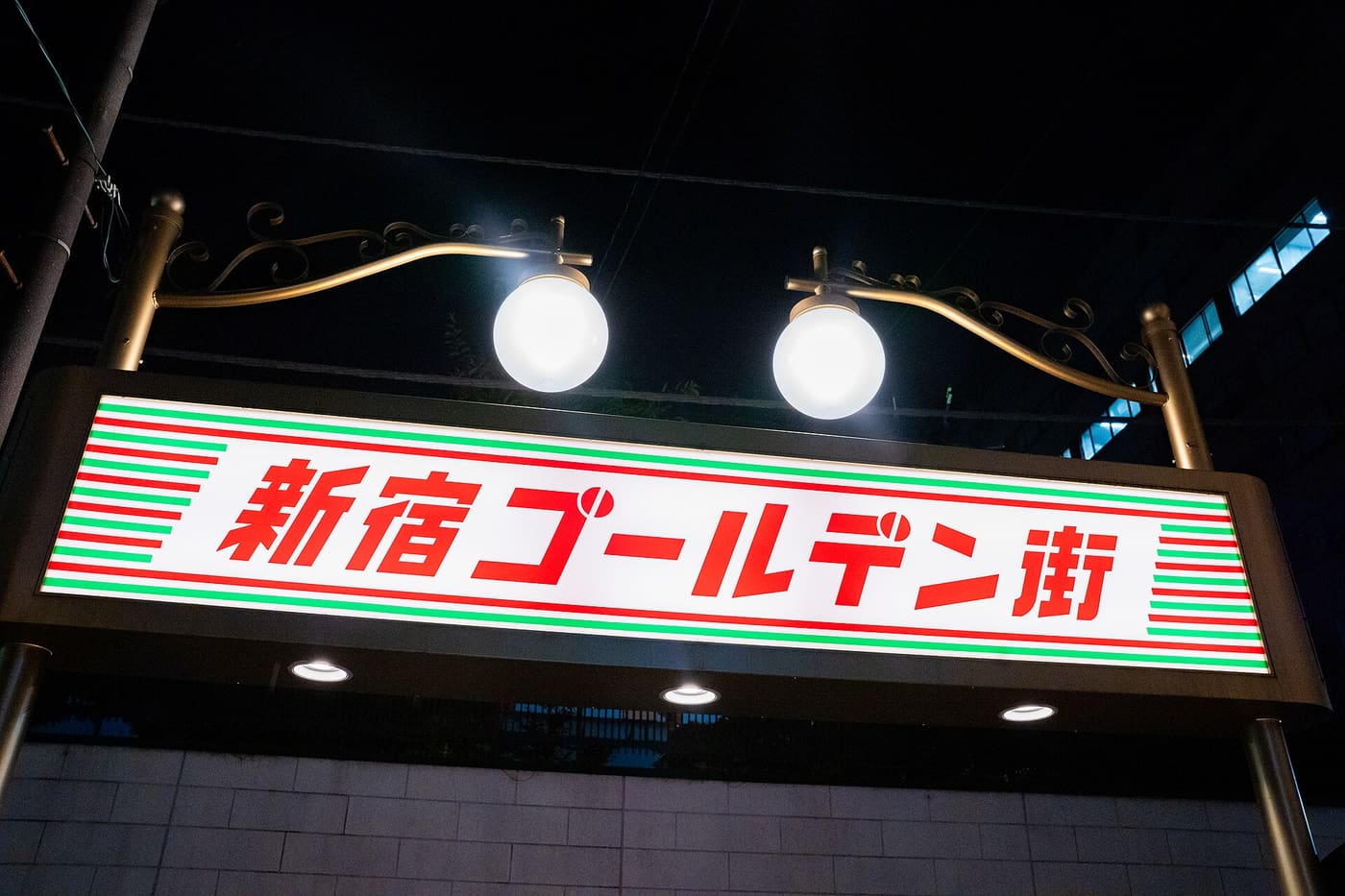
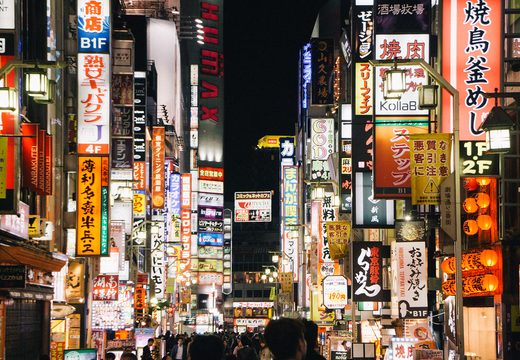
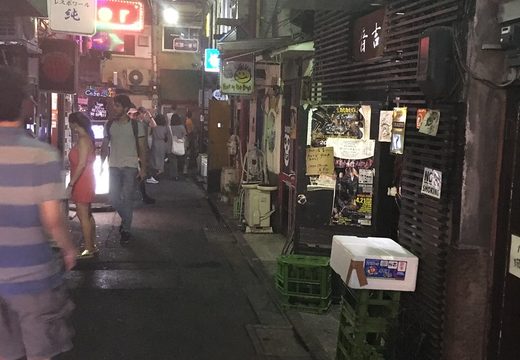
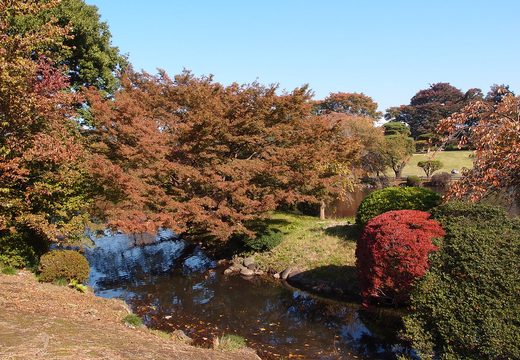
Shinjuku is the Tokyo everyone pictures before they arrive, and it really is that intense. The west exit has free observation decks and the smoky yakitori of Omoide Yokocho pressed against the train tracks. The east side opens into Kabukicho’s neon and, beside it, Golden Gai, around two hundred bars, most seating fewer than a dozen people. Shinjuku Gyoen, just south, is the best park in Tokyo for cherry blossoms and the one place in this neighbourhood that runs at a human speed.
Staying in Shinjuku makes practical sense for a first visit. It’s connected to almost everything, the hotel density keeps prices competitive, and having the city’s most overwhelming neighbourhood as your base means everywhere else feels manageable by comparison. The Shinjuku guide has the specific places to find.
Shibuya
Best for young Tokyo, eating well, the famous crossing.
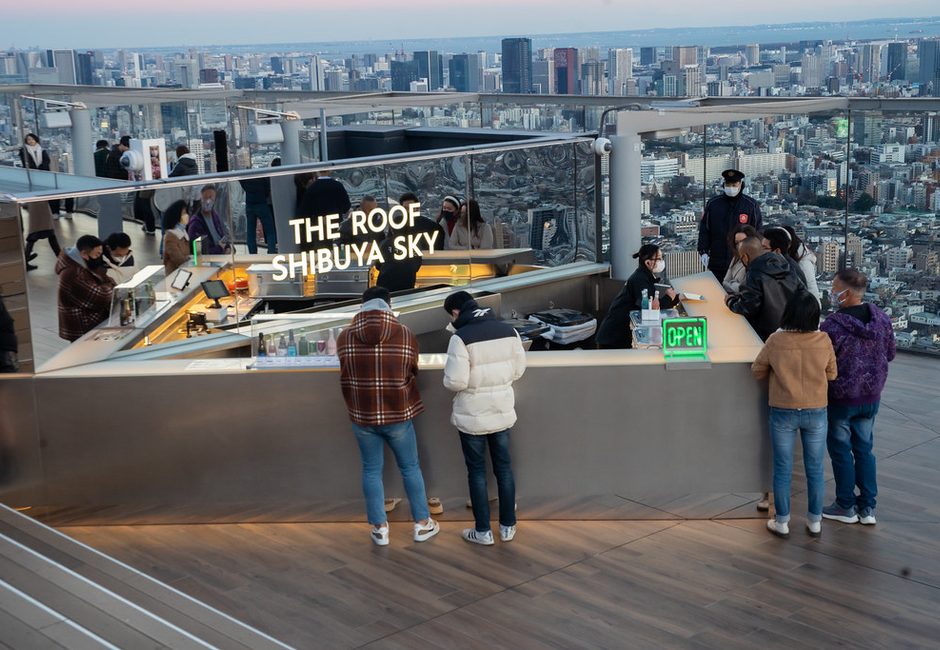
Everyone does the Scramble, and you should, once. Cross it, take the photo, then walk five minutes to Nonbei Yokocho, a double alley of bars pressed against the train tracks, and you’ve had the essential Shibuya experience in under an hour. The neighbourhood’s personality is in its creases: the backstreets towards Tomigaya where locals book dinner, canal-side Nakameguro two stops away on the Toyoko Line, the rooftop views from Shibuya Sky at sunset.
Shibuya works well as a base for the south side of the city. Walking south from the crossing through Daikanyama and down to Nakameguro makes one of the best evenings in Tokyo. Full neighbourhood detail is in the Shibuya guide, and if you’re thinking of sleeping here, the Shibuya hotel guide covers every price tier near the crossing.
Asakusa
Best for old Tokyo, traditional atmosphere, shrine and temple itineraries.
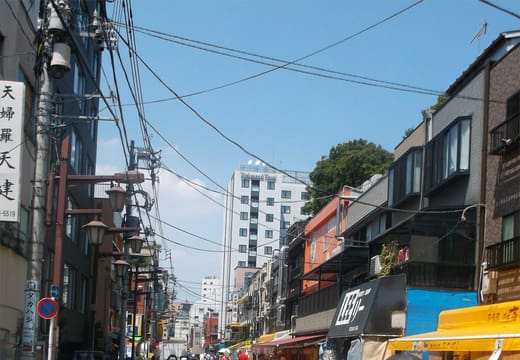
Asakusa gets called touristy, and at 2pm on a Saturday it is. Go at 7am instead. Senso-ji at dawn, with incense drifting through an empty Nakamise arcade, is a completely different experience from the midday crowds, and the backstreets west of the temple still look like the shitamachi Tokyo that most of the city paved over decades ago.
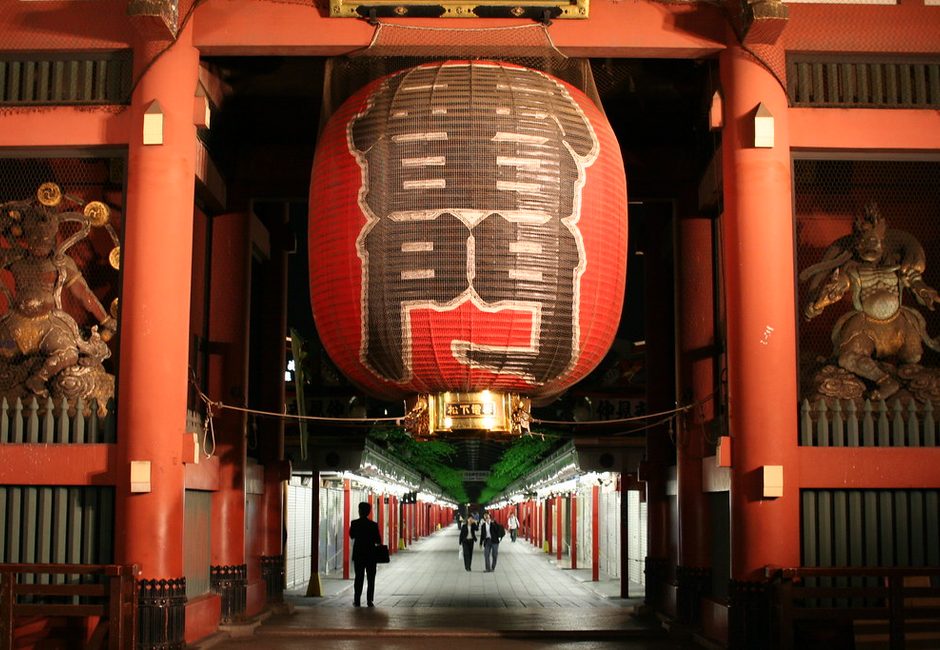
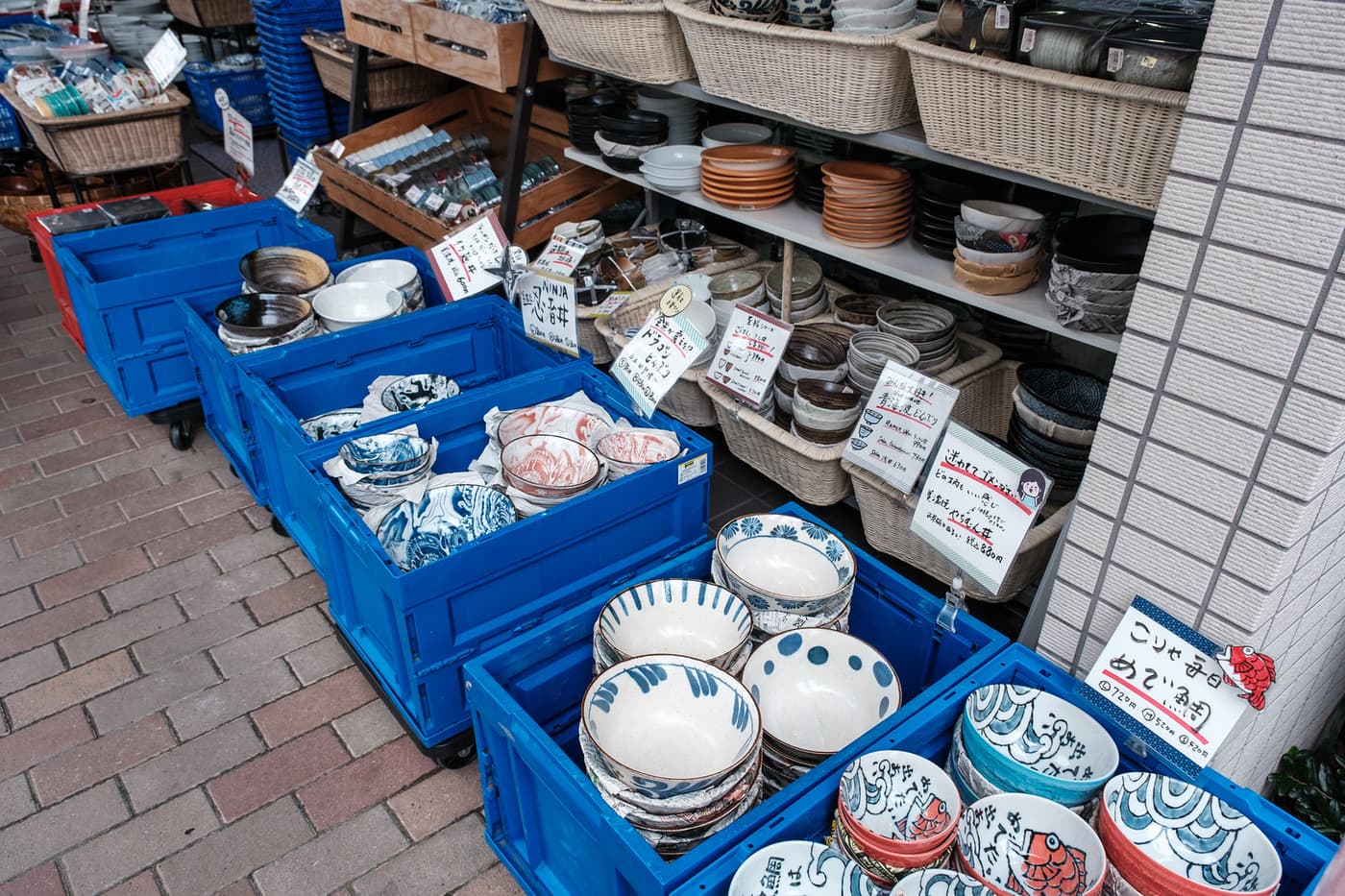
Beyond the temple, Kappabashi kitchen street sells the knives and ceramics that chefs actually buy, and Hoppy Street does daytime beer and beef tendon stew from a row of open-fronted izakayas. The east side of the city, Asakusa and its neighbours, rewards early starts more than almost anywhere else. Read the full Asakusa guide.
Shimokitazawa
Best for music, vintage, the creative scene, alternative Tokyo.
Step out of the station and the city changes completely: narrow winding lanes, second-hand clothing racks, live houses that look untouched since the eighties. It’s a short ride from Daniel’s Tokyo neighbourhood and one he knows well. Wander without a plan. That’s how it works.
When the Odakyu tracks went underground, the land above was redeveloped with low-rise strips of small units such as Bonus Track and Reload, rented mostly to independent shops rather than chains. The crowd is young and creative, designers and musicians and film students. Weekday mornings are calm. Saturday afternoon is the crush, and the best kind of crush. Read the full Shimokitazawa guide.
Ueno
Best for museums, Narita arrivals, Yamanote access, Ameyoko market.
Ueno does double duty in a way most neighbourhoods can’t. On one side, the park holds the Tokyo National Museum, a science museum, a zoo, concert halls and a cluster of temples and shrines. On the other, Ameyoko market runs under the Yamanote tracks selling dried fish, spices, sneakers and street food in a way that still feels like the post-war market it once was.
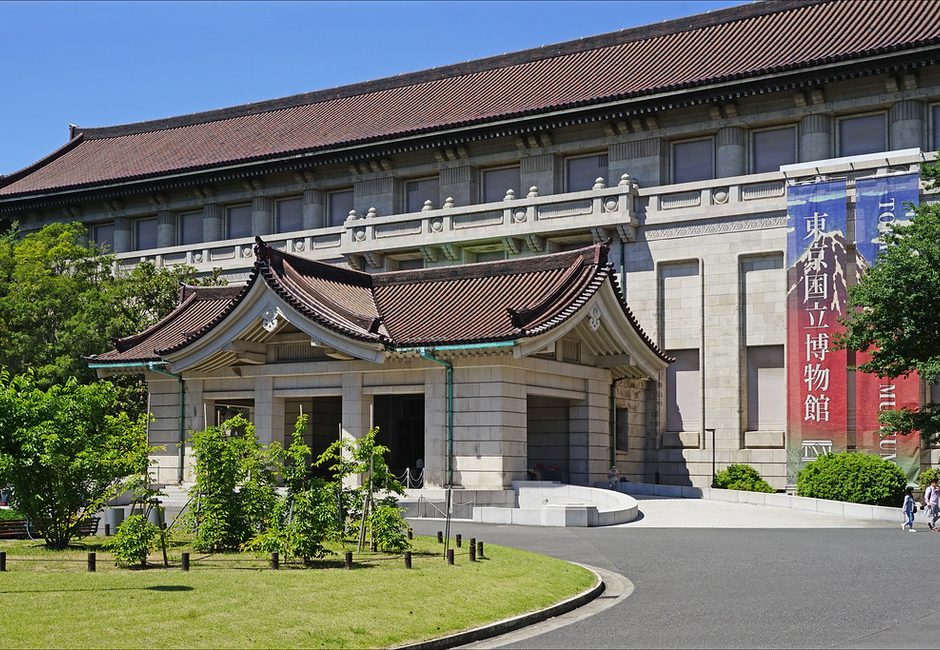
The Keisei Skyliner from Narita ends at Ueno, so for many visitors it’s their first taste of Tokyo, and it’s a practical base: hotel density is high and the park is free. Do the museums in the morning, lunch in the market, then walk north into Yanaka as the afternoon softens. Read the full Ueno guide.
Harajuku and Omotesando
Best for fashion, Meiji Shrine, the full contrast of new and old Tokyo.
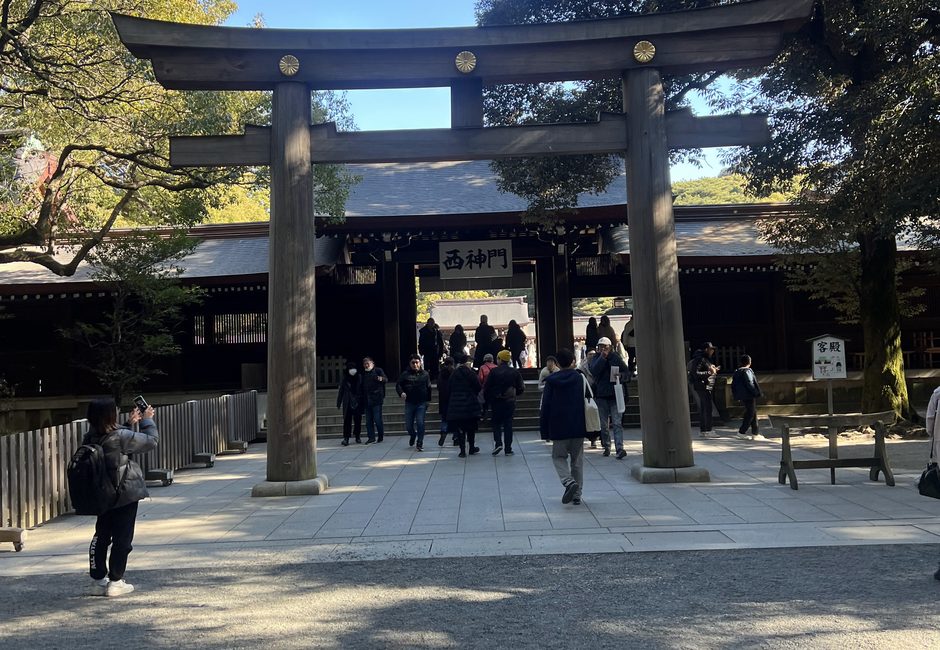
Harajuku is two worlds sharing a station. On one side, the gravel approach to Meiji Shrine runs through a planted forest of 100,000 trees, calm enough that the city disappears. On the other, Takeshita Street packs teen fashion, crepe stands and pure sensory overload into 350 metres. Doing both in one morning is the point.
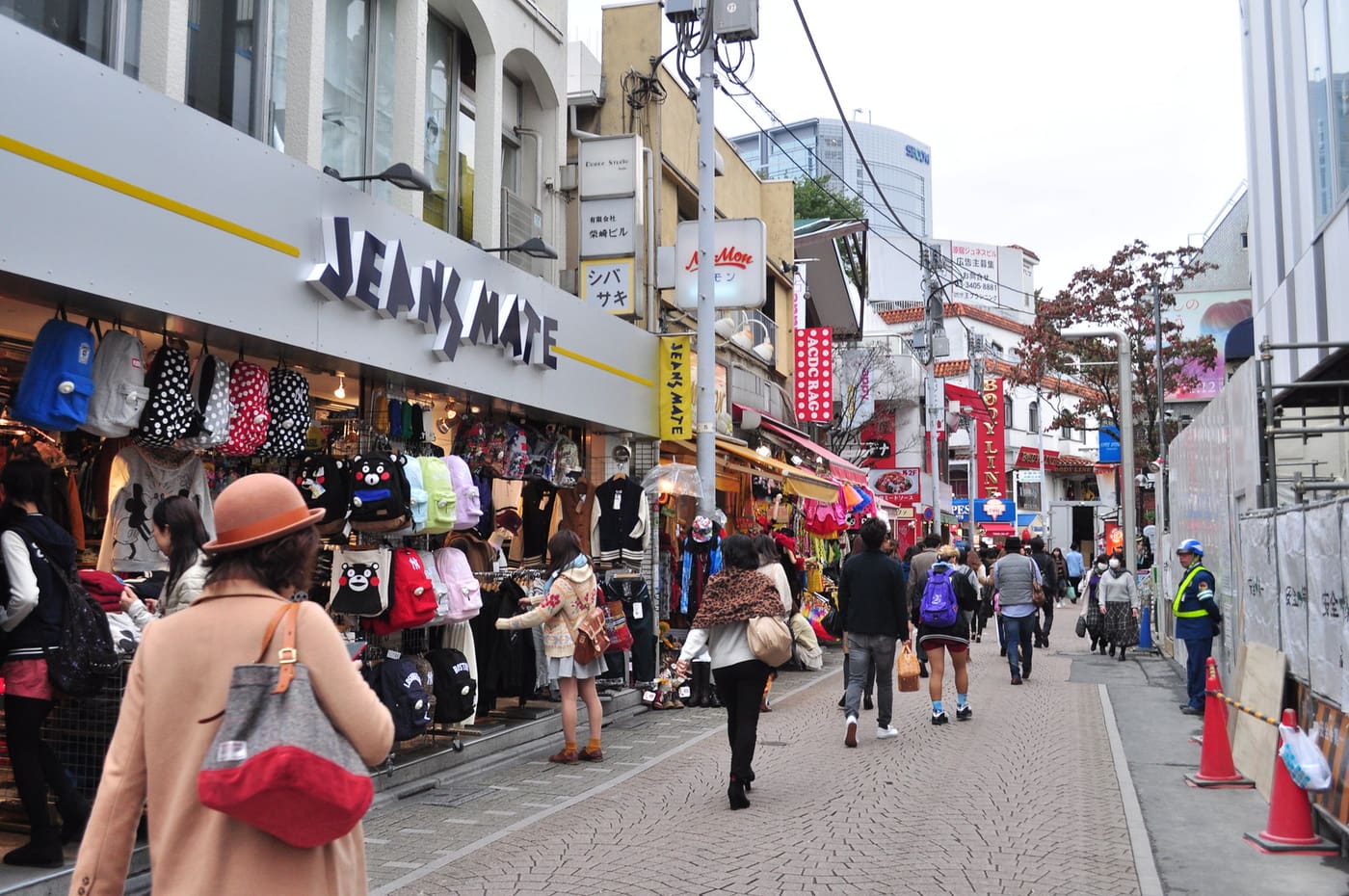
Omotesando, the zelkova-lined boulevard that connects Harajuku to Aoyama, is where the architecture arrives. Kengo Kuma, Tadao Ando and Herzog and de Meuron all have buildings here. The Cat Street backstreets between Omotesando and Shibuya are some of the best mid-range shopping in the city. Read the full Harajuku guide.
Roppongi
Best for art museums, serious evening bars, skyline views.
Roppongi rebuilt itself from a nightlife district with a rough reputation into Tokyo’s serious art quarter. The Mori Art Museum, 21_21 Design Sight and the National Art Center sit within a fifteen-minute walk of each other. The Mori Tower observation deck at dusk, with Tokyo Tower close enough to feel like a model, is one of the best paid views in the city.
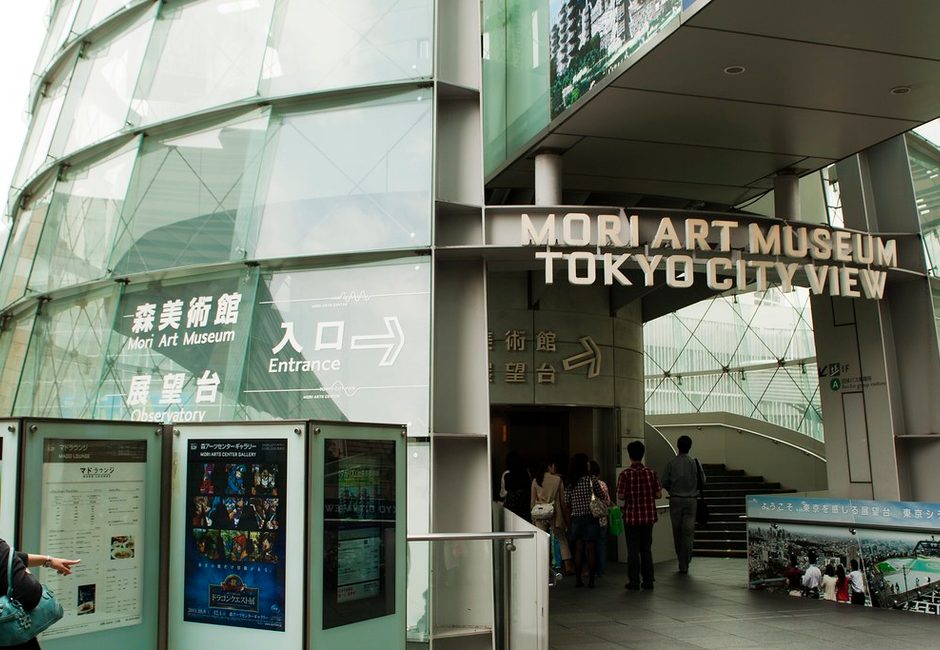
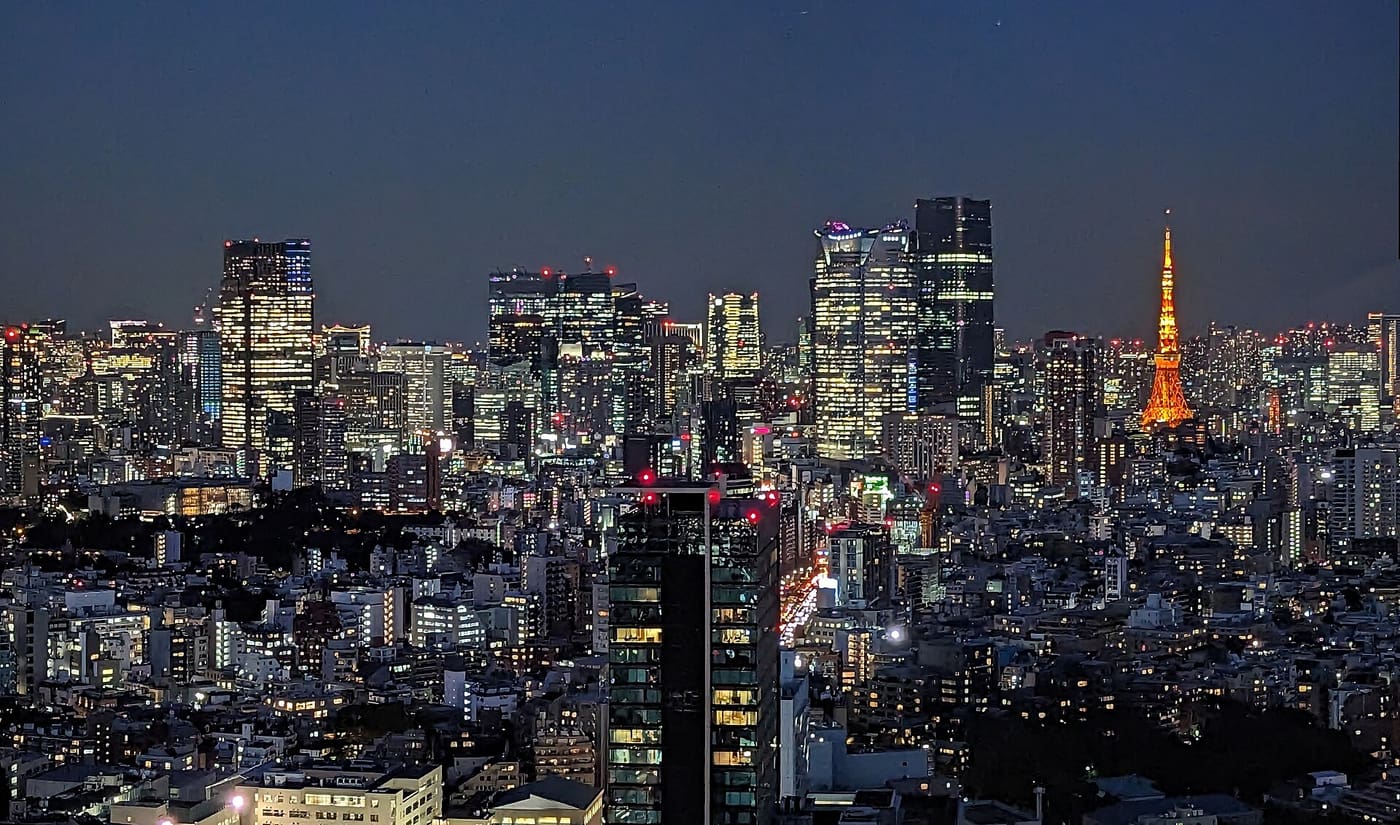
Roppongi isn’t for everyone as a base. The main strip at night is loud and geared to visitors in ways other parts of the city aren’t. But for a daytime museum crawl that ends at the observation deck, it’s excellent. Read the full Roppongi guide.
Koenji
Best for vintage Tokyo without the Shimokitazawa crowds.
Koenji is Shimokitazawa’s calmer older sibling on the Chuo Line, with a similarly dense vintage scene and none of the weekend tourist overflow. The covered shotengai arcades around the station have been running the same record stores and second-hand shops for decades. It’s an ordinary, excellent slice of west-side Tokyo, and it rewards half a day of wandering with no particular plan.
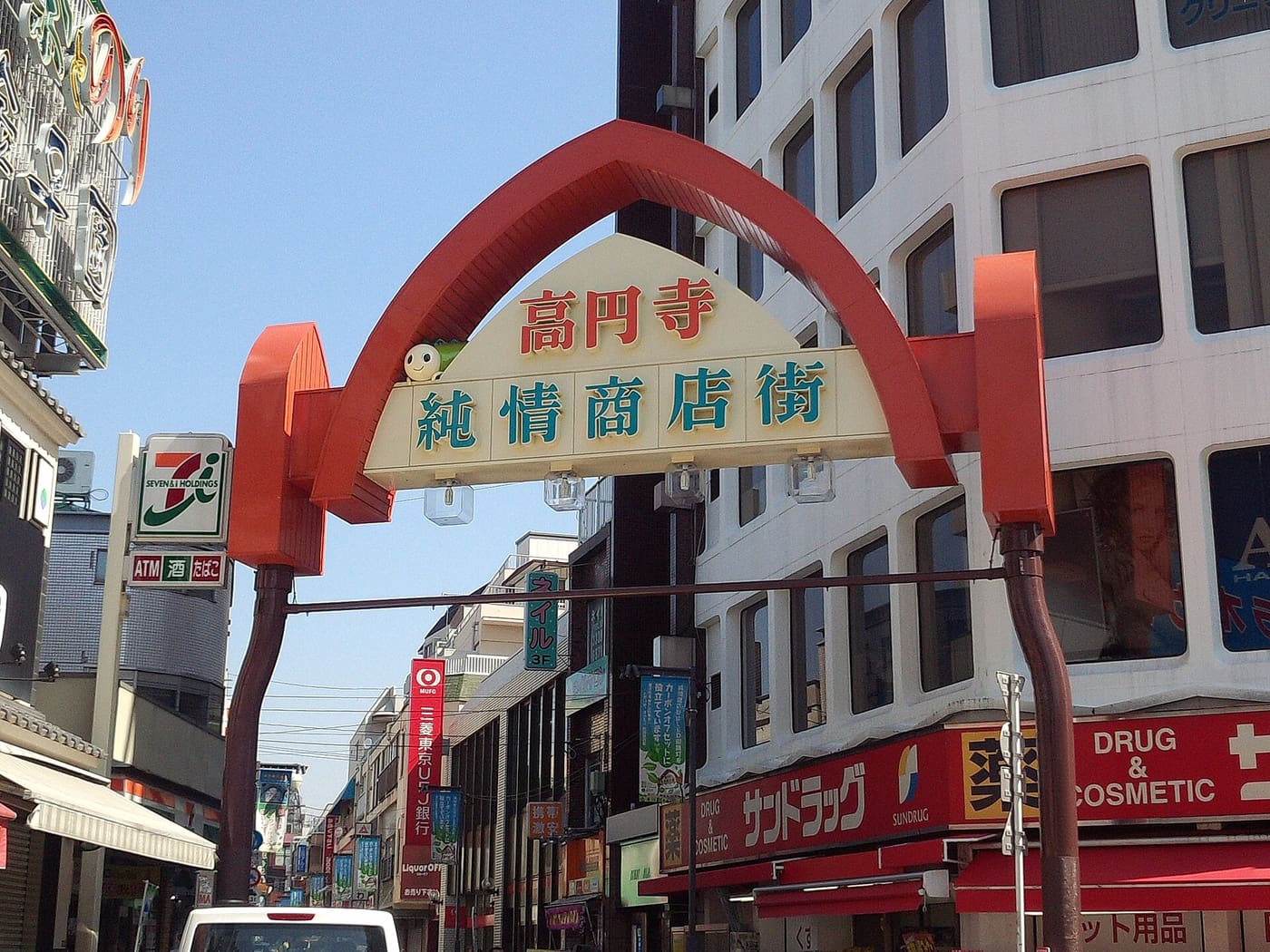
Read the full Koenji guide, and use the interactive map for the places to find.
Yanaka
Best for old wooden Tokyo, no crowds, slow afternoons.
Yanaka largely escaped both the 1923 earthquake fires and the wartime bombing, so it kept much of the low wooden streetscape the rest of Tokyo lost. The cemetery sounds like an odd recommendation until you walk it: cherry-lined paths, cats sunning themselves on gravestones, near silence. The Yanaka Ginza shopping street sells croquettes and cat-themed everything from small family stalls. Together they make the best slow afternoon in the city, especially in late-afternoon light.
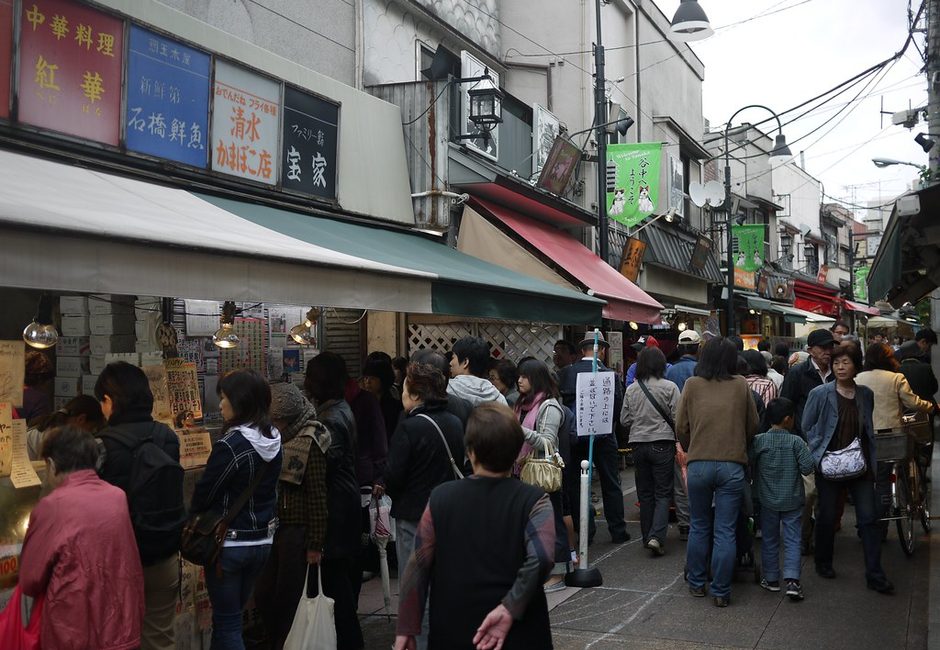
Walk north from Nezu Station through the Nezu Shrine torii tunnel, on to Yanaka Ginza, then up the Yuyake Dandan steps and through the cemetery to Nippori. Read the full Yanaka guide.
Kagurazaka
Best for atmosphere, evening lanterns, the old Tokyo that tourists miss.
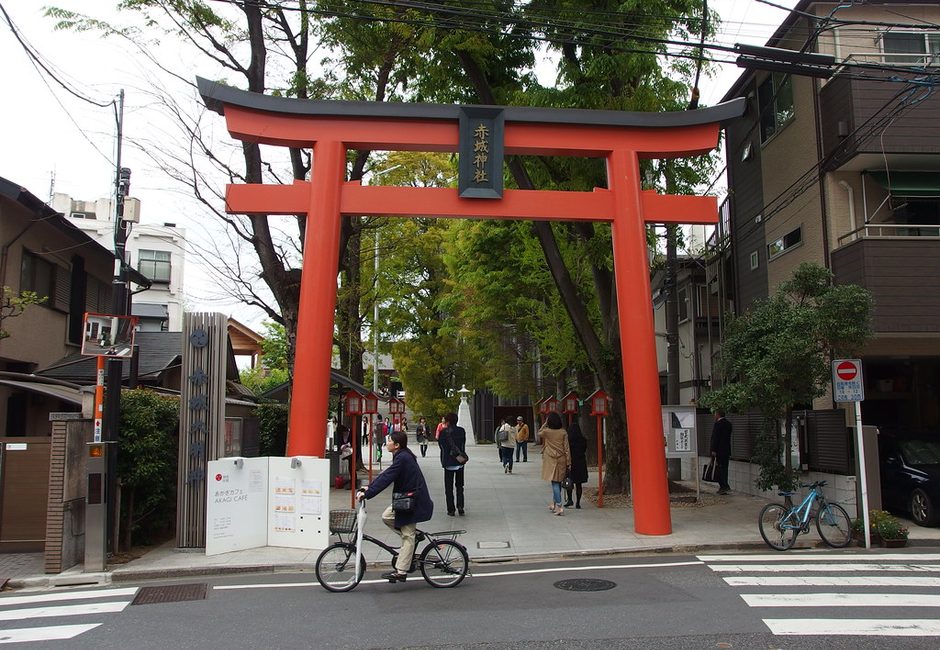
Kagurazaka was an Edo-era geisha district and its bones survived: stone-paved alleys, black wooden fences, lantern light, and a concentration of French restaurants and bakeries that earned it the nickname Tokyo’s Little Paris. A handful of geisha still work the district’s ryotei, which is rarer in Tokyo than most visitors realise.
Come at dusk, when the lanterns switch on, and walk the side alleys, especially Hyogo Yokocho, said to be the most atmospheric 100 metres in the city. Akagi Shrine at the top of the hill, rebuilt in glass and cedar by Kengo Kuma, is the turnaround point before you head back down for dinner. Read the full Kagurazaka guide.
The west side versus the east side
This distinction matters more than most maps suggest. East-side Tokyo, Asakusa, Ueno and their neighbours, is older, denser and shitamachi in spirit: markets, temples, working neighbourhoods that have been there for centuries. It rewards early mornings and anyone interested in traditional Japanese aesthetics.
West-side Tokyo, Shimokitazawa, Koenji, Kichijoji and the areas along the Keio and Odakyu lines, is younger, more residential and creative in character. Less famous, less crowded, and Daniel’s own part of the city. It rewards afternoons that turn into evenings, and anyone more interested in how the city lives than in how it presents itself.
Shinjuku and Shibuya sit at the hinge between the two sides, which is part of what makes them so useful as bases.
Which neighbourhood should you stay in?
For a first visit. Shinjuku, on the west side of the station. Transport links and hotel choice make it the most forgiving base. Asakusa is the alternative if atmosphere matters more than nightlife, and Shibuya works for a short trip of two or three nights.
For old Tokyo and traditional culture. Asakusa. You wake up, Senso-ji is a few minutes away at dawn, and the neighbourhood rewards the hours most tourists spend asleep.
For food. Ebisu or Nakameguro, or anywhere between Shibuya and Meguro. This strip has the highest density of serious restaurants that people book ahead for.
For creative, local-feeling Tokyo. Shimokitazawa, or any station along the Keio Inokashira Line between Shibuya and Kichijoji. You’ll need a train to reach the main sights, but you’ll eat well and feel less like you’re on a tourist circuit.
For culture and museums. Roppongi or Ueno. Both have enough museums within walking distance to fill several days.
The full neighbourhoods index has guides to every area, and the Tokyo travel map plots every place in this guide so you can see the geography before you decide.
Frequently Asked Questions
What is the best neighbourhood in Tokyo for first-timers?
Shinjuku. It isn’t the most comfortable or the most local-feeling, but it’s the most connected: virtually every major train line stops here, the area around the station has hotels at every price point, and having the city’s most intense neighbourhood as your anchor means everywhere else feels manageable. If Shinjuku turns out to be too much, Asakusa is the calmer alternative, and Shibuya suits a short trip.
Which area of Tokyo is safest?
All of them. Tokyo consistently ranks among the safest large cities in the world. Safety almost never comes into choosing a neighbourhood here. It comes down to the same common sense you’d use anywhere. The areas around major stations at night, Roppongi and Kabukicho in Shinjuku, have pushier bar touts than elsewhere, and that’s the extent of it.
Is it better to stay in Shinjuku or Shibuya?
For transport and value, Shinjuku. For a short trip, evening atmosphere and a slightly younger crowd, Shibuya. The Shinjuku vs Shibuya comparison goes through it. If your itinerary leans towards the west-side creative neighbourhoods (Shimokitazawa, Kichijoji), Shinjuku has better direct connections. If it leans towards south and canal-side Tokyo (Nakameguro, Ebisu, Daikanyama), Shibuya is the better hub.
Places in this guide
Photos show the actual places, licensed under Creative Commons and credited to their photographers.
Find hotels in Tokyo
Browse live availability and compare prices for your dates.