Jimbocho
Tokyo's book town, fuelled by curry and old coffee houses
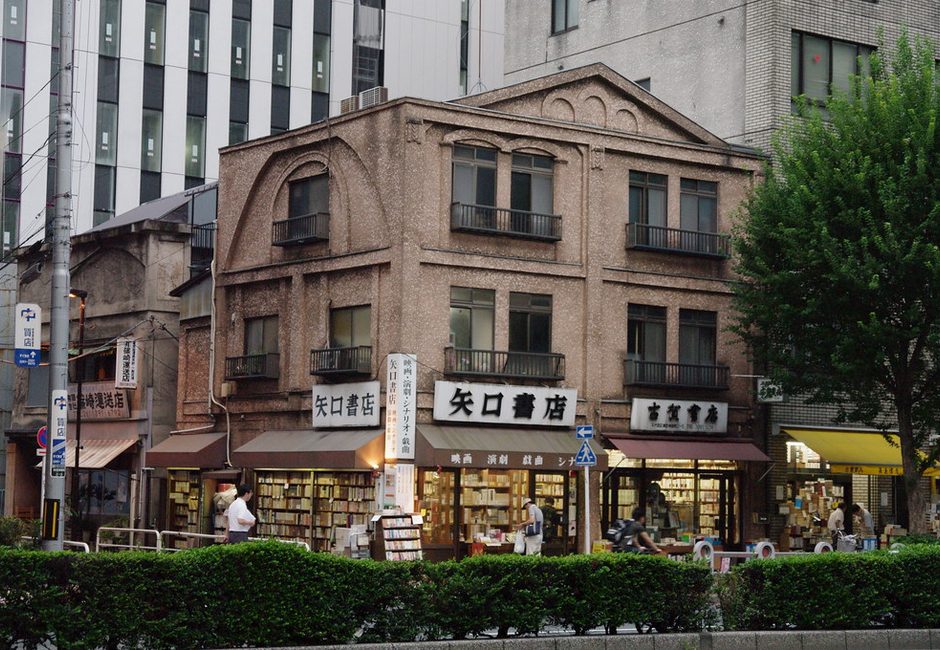
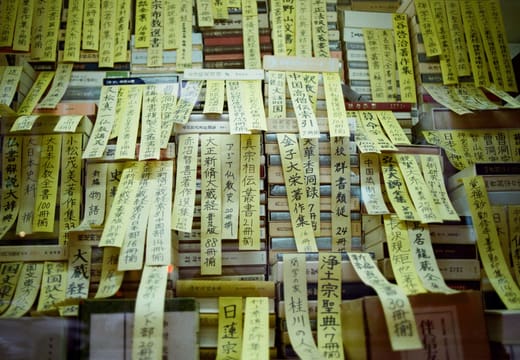
Jimbocho is the largest second-hand book district in the world, with around 130 bookshops on a few blocks, from rare woodblock prints to 100-yen paperback carts. Between the shelves you'll find some of Tokyo's oldest coffee houses and the densest cluster of curry restaurants in the city, and that's what the book trade has run on for a century.
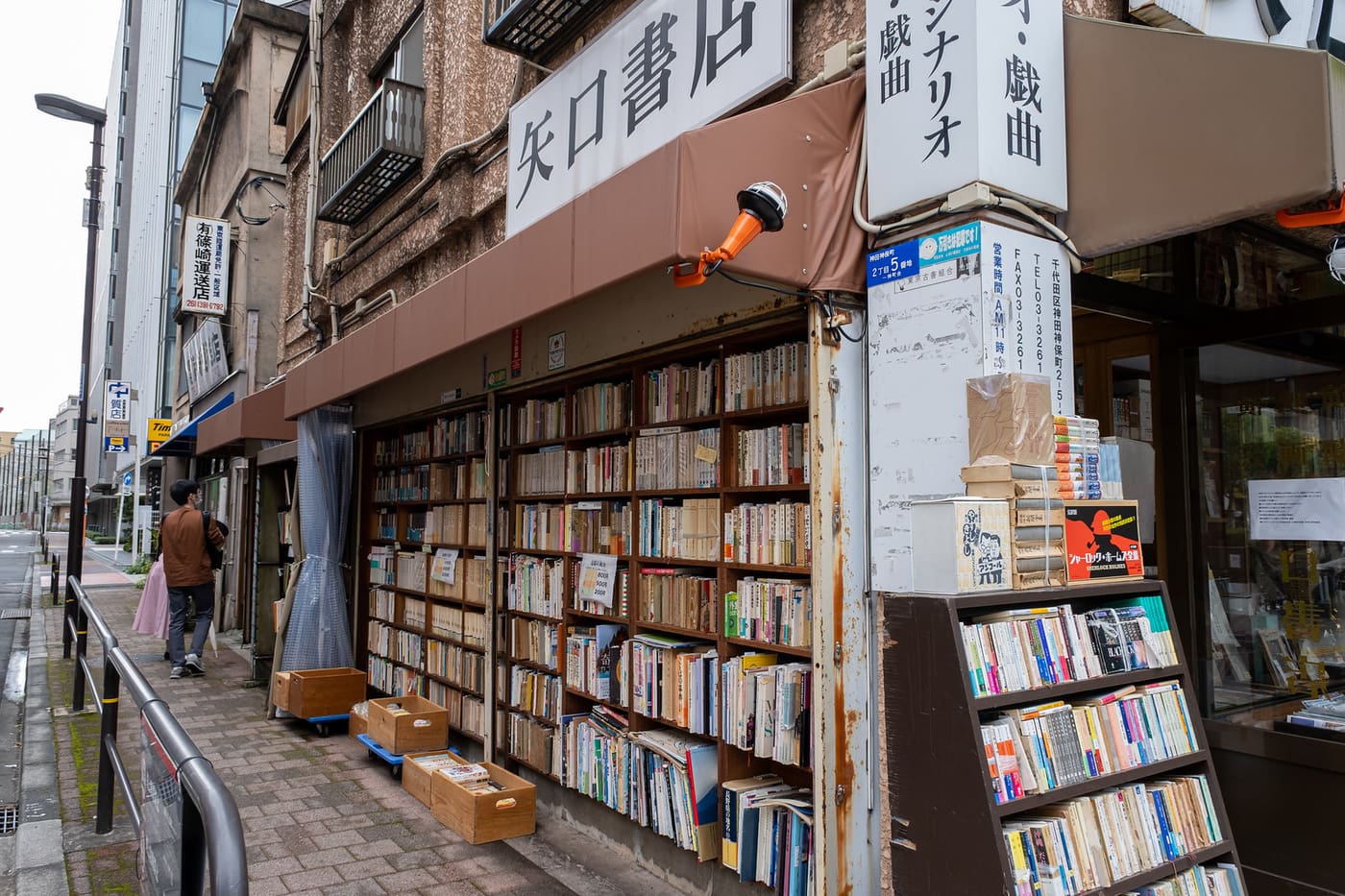
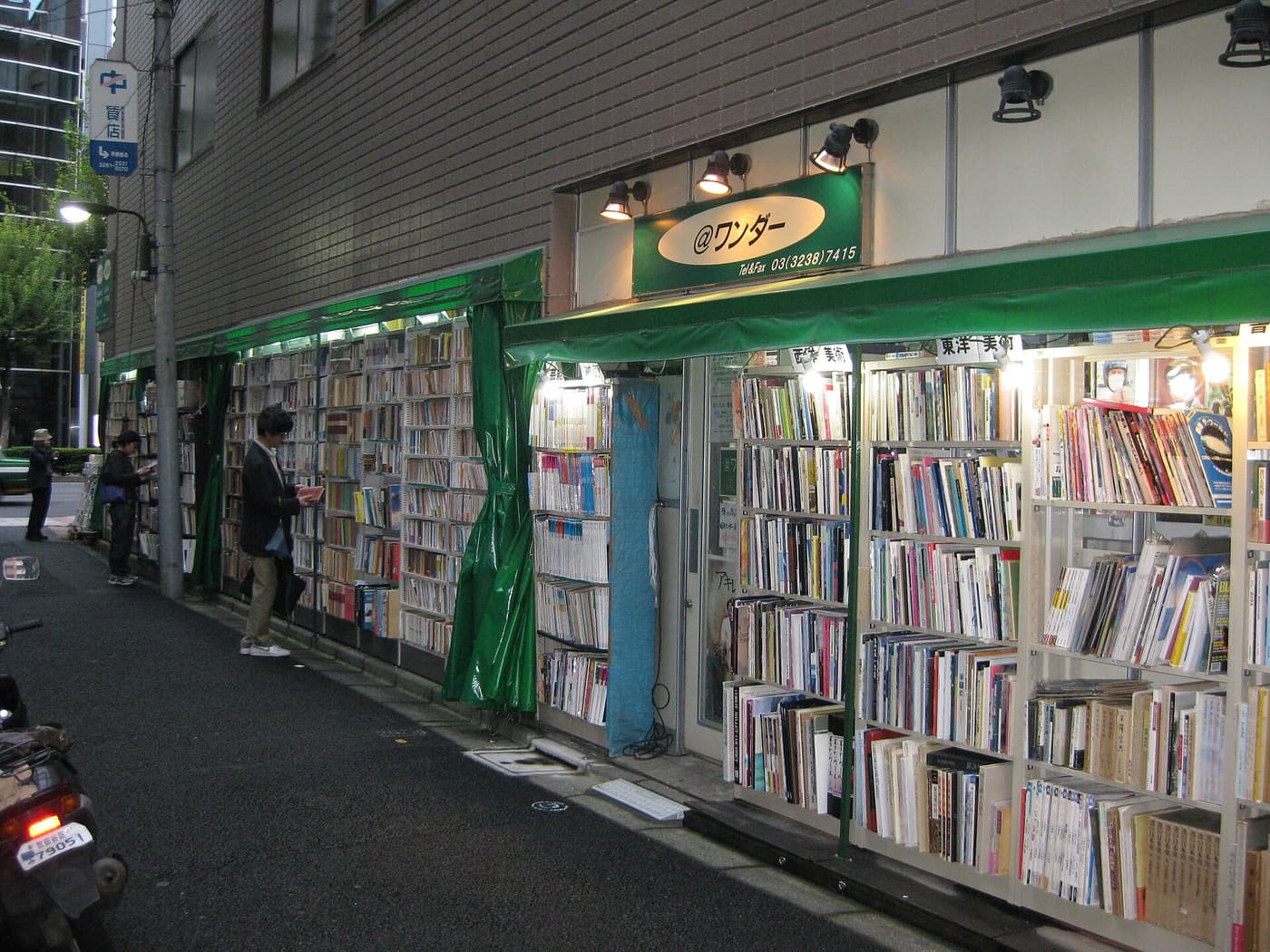
The bookshops grew up around the universities that settled in Kanda in the late 19th century, and the district kept the trade through earthquake, war and the internet. Most of the shops line the south side of Yasukuni-dori, their fronts facing north to keep the sun off the spines, and each has a speciality, whether that's art books, film, Edo maps, law or foreign literature. Browsing works best if you've got a subject in mind and no timetable.
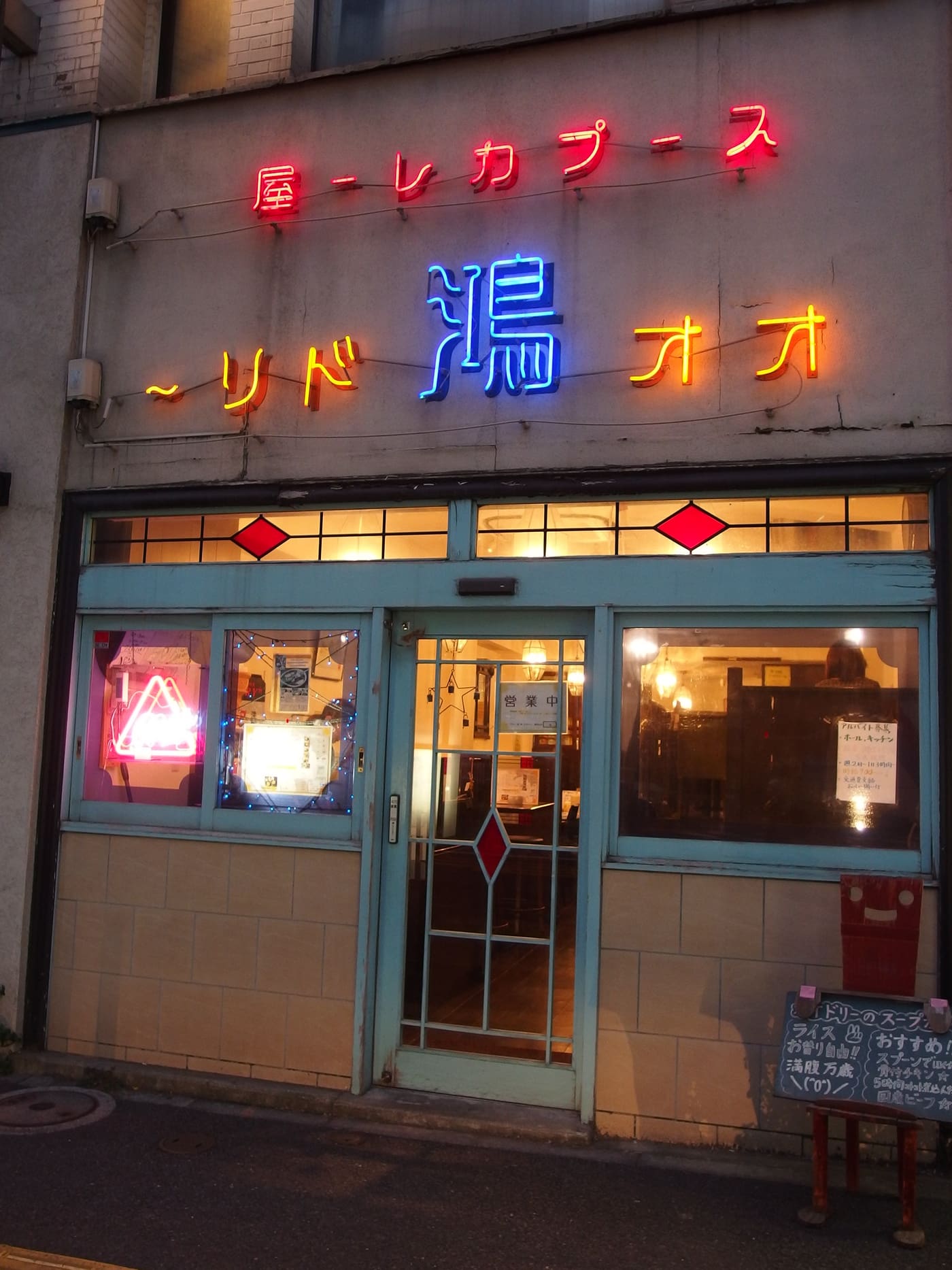
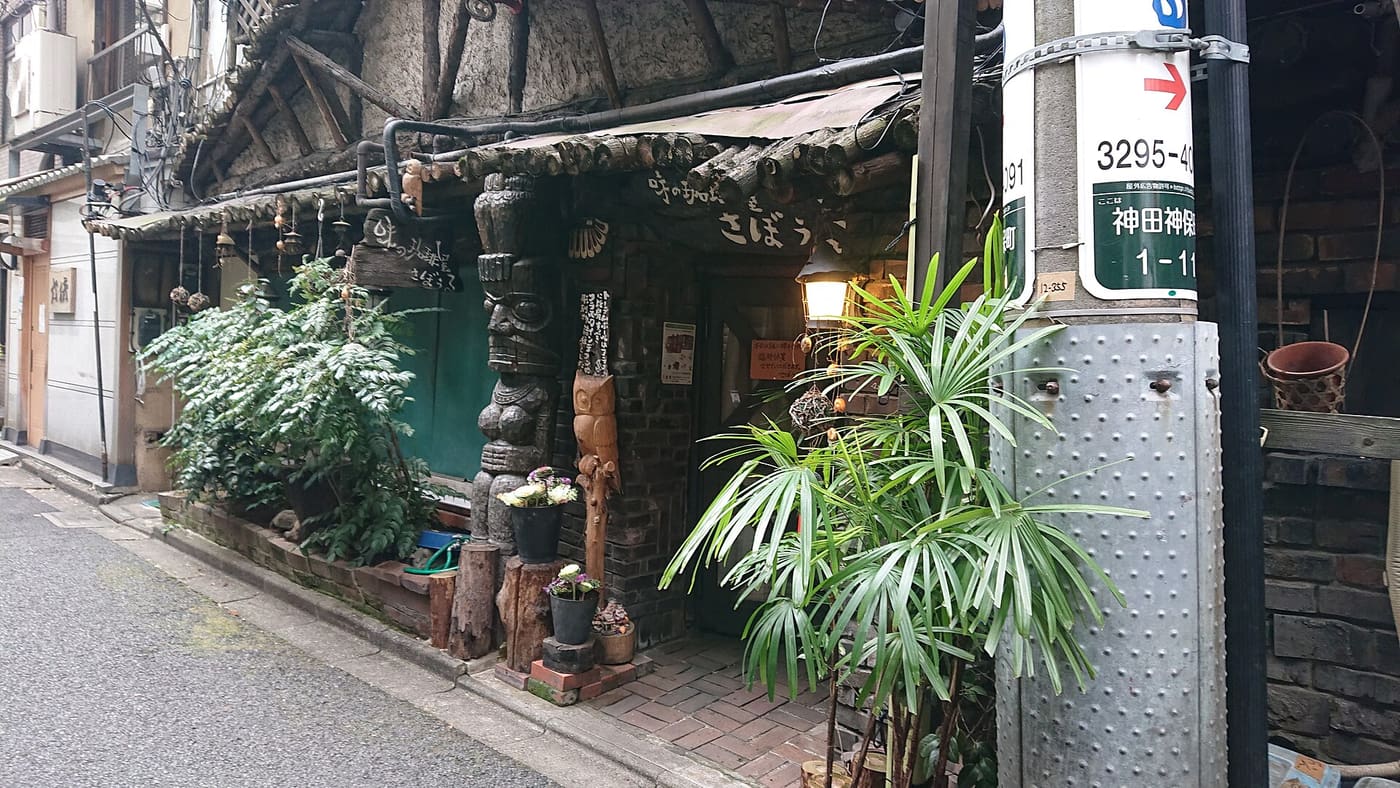
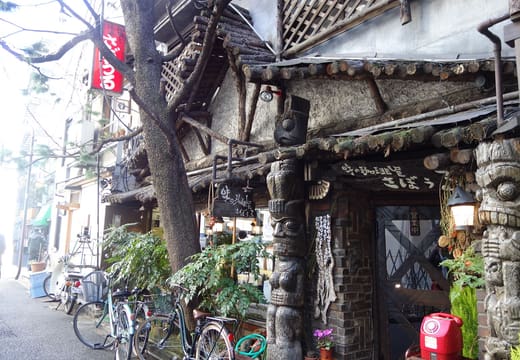
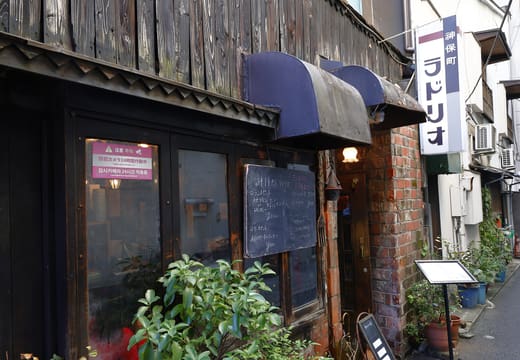
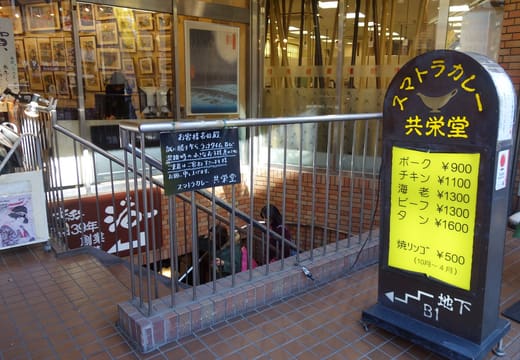
The food follows the readers. Why is curry the district's meal? The usual answer is that you could eat it quickly, one-handed, between bookshops. Dozens of curry houses now compete within a few streets, from a 1924 Sumatra-style basement to the European-style pioneer above a bookshop. The kissaten are older still in spirit. Vine-covered Sabouru, and Ladrio, where Vienna coffee is said to have arrived in Japan, are a few minutes apart in the lanes off Yasukuni-dori.
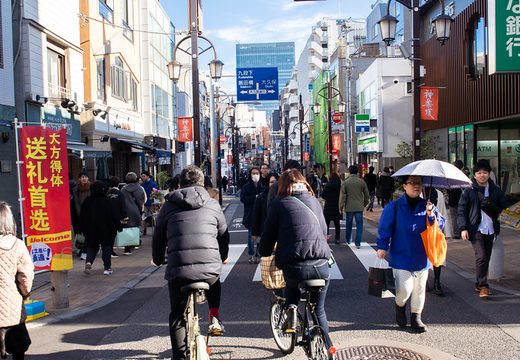
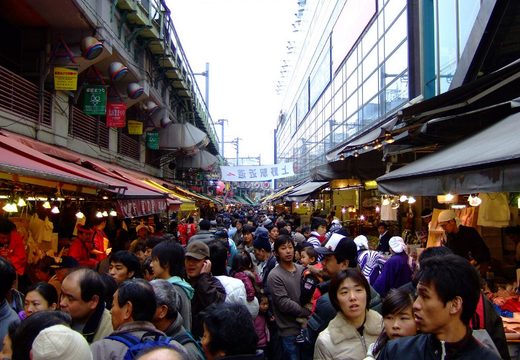
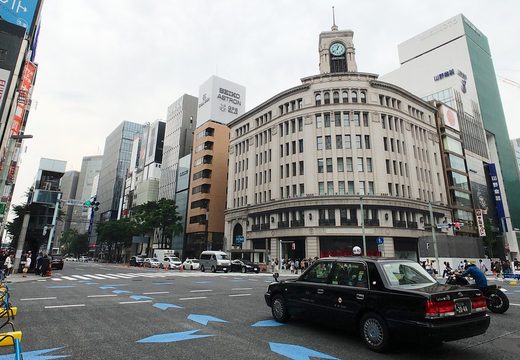
Jimbocho in photos
Getting there
Take the Hanzomon, Mita or Toei Shinjuku line to Jimbocho, which comes up at the Yasukuni-dori and Hakusan-dori crossing in the middle of the book district. JR Ochanomizu and Suidobashi are each about a ten-minute walk away.
What to see
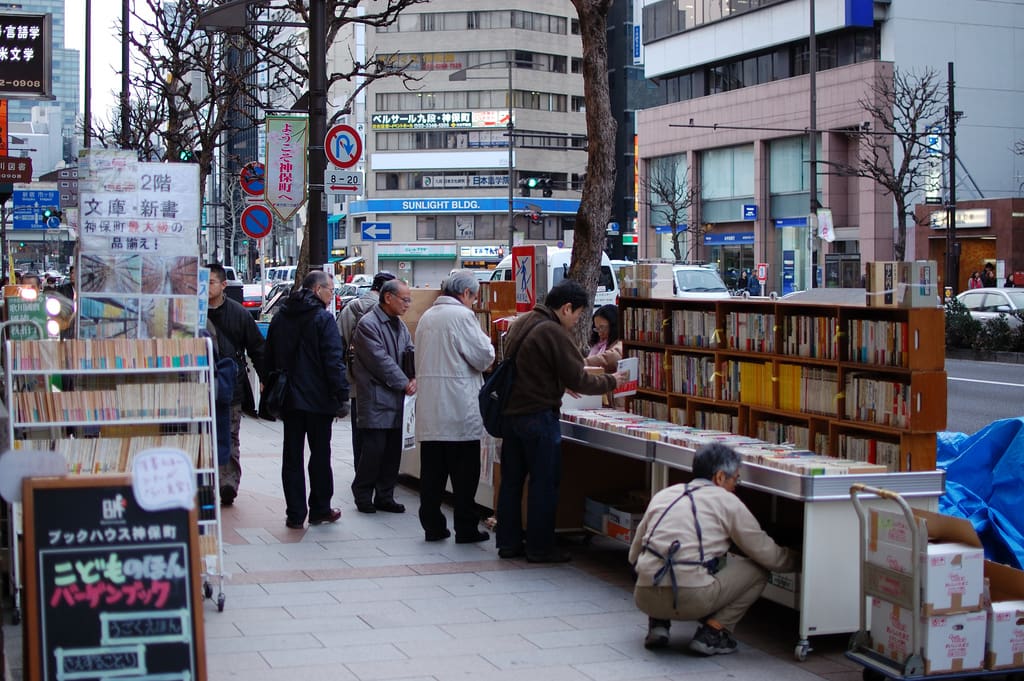
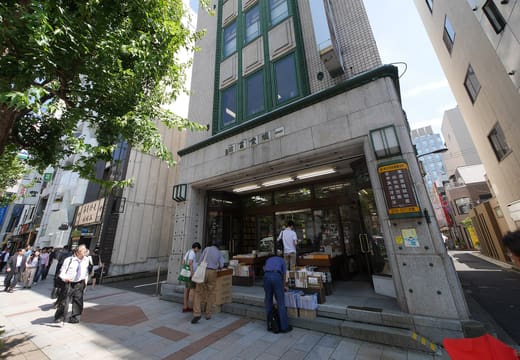
Jimbocho Book Town is the sight, and the way to do it is one long browse along Yasukuni-dori and the lanes behind it. Around 130 shops trade within a few blocks, most of them on the south side of the street so their fronts face north, away from the sun. The pavement carts of 100-yen paperbacks are the way in. Ohya Shobo is the shop for old maps and woodblock prints, and the specialists run from film posters to law. Isseido Booksellers, trading since 1903 from a stone-faced building finished in 1931, is the landmark. Downstairs it's Japanese scholarship and rare books, and upstairs there's one of the best stocks of antiquarian English-language books in Tokyo. It closes on Sundays and holidays, and so do many of the smaller shops.
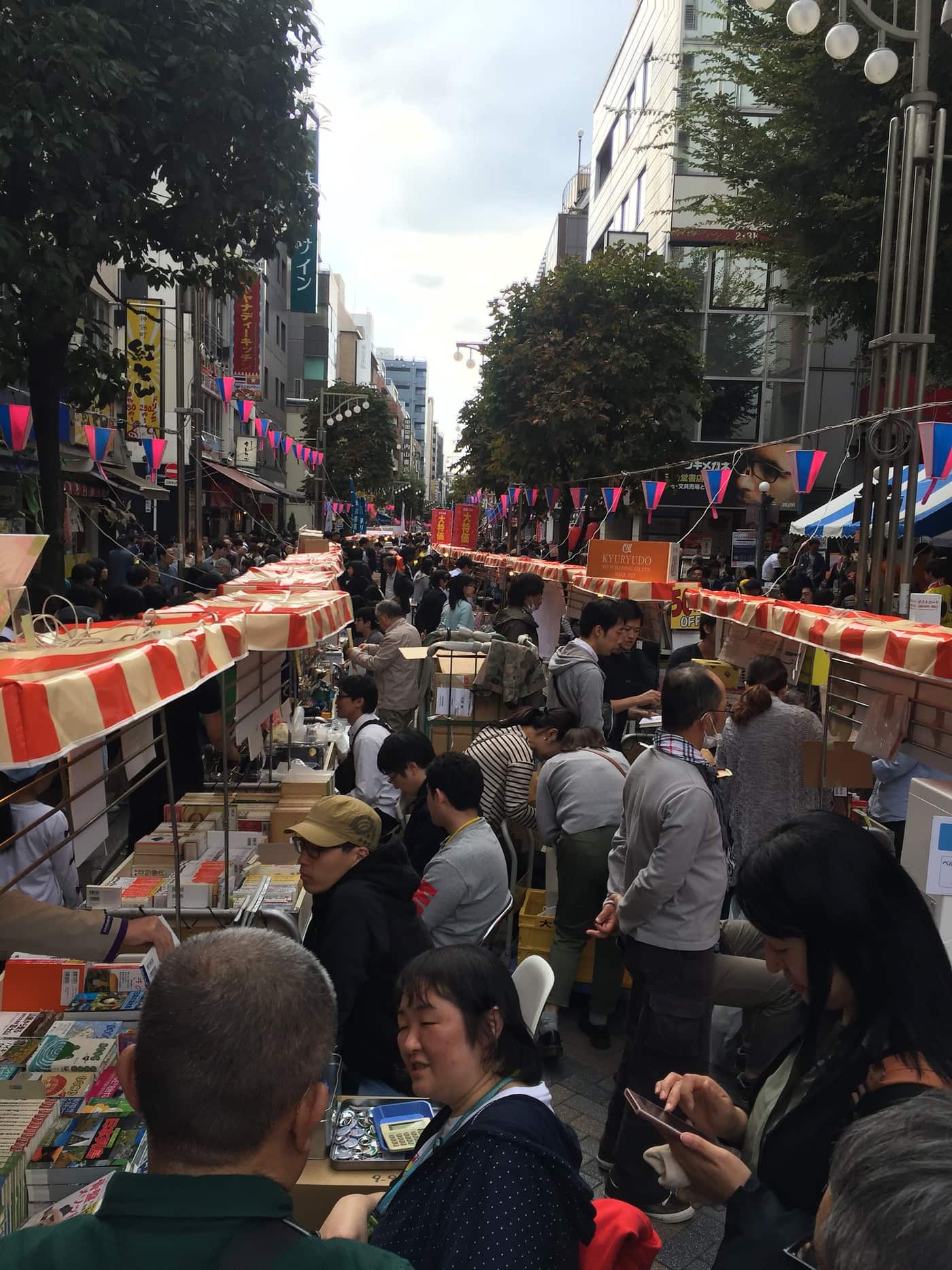
If you can, time a visit for late October or early November, when the Kanda Used Book Festival turns around 500 metres of Yasukuni-dori into a corridor of bookshelves holding around a million titles. Otherwise, you can't beat a slow weekday afternoon. The streets north of Yasukuni-dori lead toward Ochanomizu and its universities, and the walk up is part of the district's character, with the bookshops thinning out into instrument shops and student canteens as you go.
Where to eat and drink
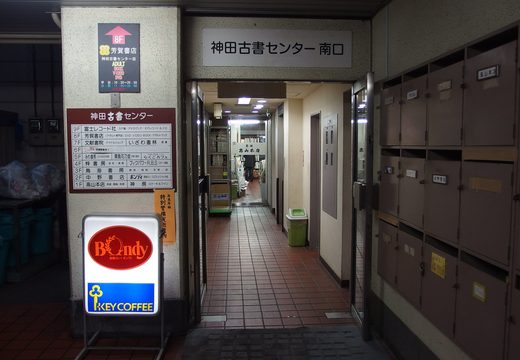
Curry is the local lunch. Sumatra Curry Kyoeido, in a basement since 1924, is the oldest curry house still going in Jimbocho. Its near-black curry is built from more than twenty spices, and it's thickened without flour. It closes on Sundays, and from October to April there's a baked apple on the menu. Curry Bondy, which you reach through the Kanda Kosho Center bookshop and up the stairs, has served its deep brown European-style curry since 1973 and pioneered the style in Tokyo. Order the beef, and come early or late, because the lunch queue builds fast.
The coffee houses are the other half of the day. Sabouru, open since 1955, is a mountain hut of a cafe under climbing vines, with carved wood, red lamps and a morning set of thick toast and a boiled egg. A few minutes east, in a narrow lane off Yasukuni-dori, Ladrio has been pouring since 1949 in a dim, brick-walled room, and it's widely credited with bringing Vienna coffee to Japan. On weekdays it stays open into the evening. For the modern version, Glitch Coffee & Roasters brews very light roasts of rare single origins as careful pour-overs, and on a quiet morning the baristas will talk you through the list.
Where to stay
Jimbocho is central and quiet at night, and its hotels are mostly business hotels and a few mid-range properties within walking distance of the book streets and of Kudanshita. Three subway lines make it a useful base. The Hanzomon Line runs direct to Omotesando and Shibuya, the Mita Line to Otemachi and Mita, and the Shinjuku Line to Shinjuku. Chidorigafuchi's cherry trees and the Imperial Palace moat are about fifteen minutes' walk west. It suits readers, repeat visitors and anyone who likes walking to breakfast at an old kissaten. But it's a working and student district that goes to sleep early, so if you want an evening out, that's a train ride.
How to do it in a day
Start with the morning set at Sabouru (thick toast, a boiled egg and coffee under the carved beams). Cross to Glitch Coffee & Roasters if one cup isn't enough, then spend the late morning on Yasukuni-dori, working west along the book carts and into whichever shops match your interests, with Ohya Shobo for old maps and prints. Take an early lunch at Sumatra Curry Kyoeido before the office crowd arrives, or join the queue at Curry Bondy. Give the afternoon to Isseido Booksellers and its upstairs room of antiquarian English books, then keep browsing the side streets until the shops close. End at Ladrio with a Vienna coffee, or walk fifteen minutes west to Chidorigafuchi for the moat at dusk.
Nearby neighbourhoods
The best of Jimbocho
Things to do in Jimbocho
Stay in Jimbocho
Browse live availability and compare prices around the neighbourhood.
Median US$197 a night across 41 listings within 1.2 km for a two-night stay a month out, sampled 29 September 2026. Cheapest quarter under US$143. See the weekly index for every neighbourhood.