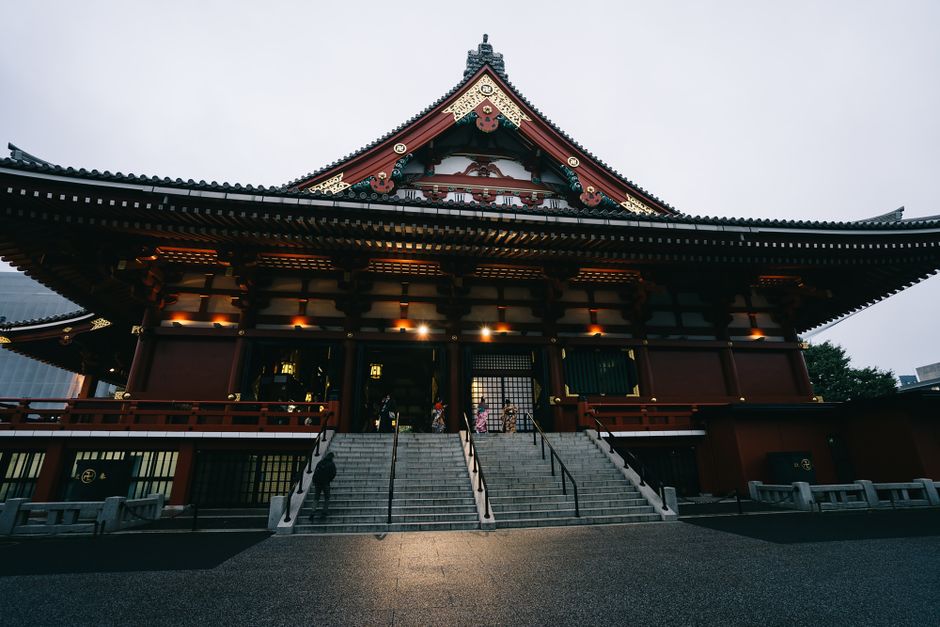
40 Things to Do in Tokyo, From Someone Who Lived There
A local's list of the best things to do in Tokyo: free skyline views, shrine forests, izakaya alleys, day trips, and the spots tourists walk straight past.
Every “things to do in Tokyo” list starts the same way: Shibuya Crossing, Senso-ji, the Skytree. They are all worth doing, and they are all on this list too. But after a year of living on the west side of the city, the recommendations look a little different. This is the list Daniel sends to friends, in the rough order to care about it.
Everything below is pinned on the interactive Tokyo travel map, where you can filter by category, save places, and get walking times between them.
The icons, done properly
1. Senso-ji at 7am. Tokyo’s oldest temple is mobbed by mid-morning. Arrive at dawn and you get incense smoke, monks, and almost nobody else. The walk through the empty Nakamise arcade is its own reward, the shuttered souvenir stalls and pooled lantern light are a different place entirely. More on the area in the Asakusa guide.
2. Shibuya Crossing, then immediately leave it. Cross once, take the photo, then walk five minutes into Nonbei Yokocho, two storeys of matchbox bars pressed against the train tracks. That contrast, from the most photographed intersection on earth to a bar barely wider than your shoulders, is the whole city in ten minutes.
3. Meiji Shrine before nine. A genuine forest in the middle of the city, planted a century ago by 110,000 volunteers. Go early enough and the only sound is your own feet on gravel. The torii gate at the entrance is one of the largest wooden torii in Japan, and you genuinely feel the shift in atmosphere the moment you pass through it.
4. The Skytree from below, not from the top. The observation decks are fine, but the better experience is the riverside walk from Asakusa with the tower growing in front of you the whole way. You get the scale of it over water, framed by boats and old-Tokyo shopfronts, which no elevator view can match. That exact route is written up as a walking itinerary.
5. Shinjuku at night, for the geography lesson. Walk from the east exit into Kabukicho, then cut through Omoide Yokocho, then find Golden Gai. Three completely different cities in fifteen minutes on foot. More on the full area in the Shinjuku neighbourhood guide.
The free skyline views nobody queues for
6. Tokyo Metropolitan Government Building. A free observation deck at 202 metres, with Mount Fuji on the horizon on clear days. Sunset here beats most of the paid decks, and the queue is a fraction of the Skytree or Tokyo Tower. Two lifts to two separate towers mean you almost never wait long.
7. KITTE Marunouchi rooftop. Look down on the restored red-brick Tokyo Station while shinkansen slide in and out beneath you. Free, central, and somehow always quiet. The building itself is worth a browse, it is the old Tokyo Central Post Office rebuilt around a six-storey atrium.
8. Yebisu Garden Place tower. The free 38th floor lounge most visitors never hear about. The complex is in Ebisu, a short walk from the station, and the tower sits above a brick courtyard with beer-museum associations going back to the 1890s.
9. Carrot Tower in Sangenjaya. The free observation deck here is the sleeper pick: 124 metres above one of the city’s liveliest shopping and bar districts, basically no tourists, open until 10:30pm. It earns its place on the rainy day collection for obvious reasons.
10. Shibuya Sky at dawn (worth paying for, once). The open-air rooftop on the Scramble Square skyscraper does cost money, but the sunrise view from Tokyo’s highest open deck is something else. Completely different from the glass-box experience at other decks, the wind hits you and the city is below you in every direction.
The full set is on the free things to do in Tokyo collection page.
Eat like you live there
11. A depachika basement food hall. The one under Isetan in Shinjuku is the best food museum in the city, and everything is for sale. Spend an hour before you buy anything, because the visual experience of a Tokyo depachika on a weekend afternoon is worth the entry price, except there is no entry price.
12. Tsukiji Outer Market for breakfast. The wholesale market moved, the street food did not. Tamagoyaki on a stick by 8am, a tuna chunk in a plastic cup, an oyster from a vendor who has been there for decades. It anchors the first-morning walking route.
13. A proper tsukemen. Fuunji near Shinjuku is the bowl Daniel still thinks about. Thick, chewy noodles dipped into a concentrated, porky-fishy broth, then splash in the thinning soup at the end. Every city has a “best ramen” recommendation. This one is specifically tsukemen, which is harder to find done this well.
14. Yakitori under the train tracks. Omoide Yokocho in Shinjuku or the Yurakucho gado-shita arches near Ginza. Smoke, charcoal, trains overhead. The Yurakucho arches are the more local version, long brick tunnels under the elevated line with standing-room izakayas that have not changed since the post-war era.
15. Conbini breakfast, unironically. Egg sandwiches and canned coffee from 7-Eleven are a legitimate Tokyo food experience. Trust the process. The Japanese convenience store is genuinely one of the best food inventions in the world, and the hot foods, soft drinks, and seasonal items are worth treating as a category of cuisine in their own right.
The neighbourhood afternoons
16. Shimokitazawa for vintage and curry. Daniel’s old weekend default. The full neighbourhood guide covers the curry row, the record stores, and Bear Pond’s famously strict espresso. Budget a full day, the place does not reward rushing, and the live music venue scene gives you a reason to stay into the evening.
17. Yanaka, the Tokyo that survived. Old wooden streets, a cemetery full of cats and cherry trees, and a shopping street where you snack while you walk. Very little of this part of the city was rebuilt after either the 1923 earthquake or the post-war years, which is why it feels like somewhere else entirely. Walk it with the Old Tokyo on Foot itinerary.
18. Kichijoji and Inokashira Park. Swan boats, buskers, and the alley bars of Harmonica Yokocho. Inokashira is one of the few genuinely pleasant urban parks in Tokyo, with a pond, a small shrine on an island, and cherry blossoms so thick they turn the water pink. Pair it with the Ghibli Museum on the West Side Day route.
19. Kagurazaka’s stone alleys. The old geisha district does French bakeries and kanzashi shops side by side. Best in the early evening when the lanterns come on and the cobbled side alleys are lit up. The French influence dates to the early 20th century when many French institutions set up in the area, and it gives the neighbourhood a character completely unlike anywhere else in the city.
20. Harajuku Takeshita Street on a Sunday. The weekend pedestrian circus of Takeshita Street is worth one visit for the spectacle, but the better move is to exit Harajuku station the other direction toward Omotesando, where the architecture is as good as the shops. Prada’s Herzog building, the Ando-designed outdoor mall, the zelkova tree avenue: it is Tokyo’s most visually coherent street.
The culture hits
21. The Roppongi art triangle. Three world-class museums within a ten minute walk of each other. They string together into a full-day art crawl with tonkatsu at the end.
22. teamLab Planets. Yes it is everywhere on social media. It is also genuinely great, and walking barefoot through water in a mirror room does not really photograph the way it feels. The scale of the infinity rooms is larger in person than images suggest, and the outdoor garden section at the end is underrated.
23. The Ghibli Museum. Tickets sell out the moment they release on the 10th of each month for the following month. Set an alarm, it is worth it. The building itself, designed by Miyazaki, is as much the point as the exhibits: spiralling stairs, rooftop robot, and a short film that plays on a single screen in a theatre that seats about eighty people.
24. Sumo, if the calendar cooperates. Tournaments run 15 days each January, May, and September at Ryogoku Kokugikan. Cheap upper-tier tickets go on sale each morning of the tournament and cost around 2,500 yen. Arrive by mid-afternoon to catch the most senior ranks and buy the bento from the vendors inside.
25. Kabuki at the Kabukiza. You do not need to book a full five-hour show. Single-act tickets sell at the door for about 1,000 yen and run forty to sixty minutes per act. It is enough to understand the form, the scale of the costume work, and why this art has not died. The building is in Ginza, which pairs with a depachika lunch above or below.
When you need to leave the city
26. Kamakura. Great Buddha, hillside temples, a beach, and an hour on the train. The default first day trip for a reason. The hike between the Daibutsu and Hachimangu via the Daibutsu Hiking Course is an hour through cedar forest and worth doing over the streets.
27. Nikko in autumn. The most spectacular shrine complex in Japan, in a cedar forest two hours north. The gilded excess of Toshogu contrasts with the restraint that characterises almost everything else in Japanese architecture, which is either the point or the criticism depending on who you ask. The autumn colour collection has the timing notes.
28. Mt Takao. The locals’ mountain: an hour from Shinjuku, a cable car if you want it, beer and dango at the top. The octopus dango at the summit stalls is the specific food experience to seek out, and on a clear day the Fuji view from the top is as good as most views from inside the city.
The ones that need timing
29. Cherry blossoms, done strategically. Ueno Park for the spectacle, Chidorigafuchi for the rowing boats, the Meguro River after dark for the lanterns. The cherry blossom guide has all sixteen spots that make the cut, including the less obvious ones: the canal in Nerima, the castle moat at Chidorigafuchi, and the single ancient tree at Rinshi no Mori park.
30. A rainy day done right. Tokyo is arguably better in the rain: underground food halls, nine floors of Tower Records, kitchen-town browsing in Kappabashi. The rainy day collection is the fallback plan, and it genuinely improves on most sunny-day plans.
Experiences worth splurging on
These cost real money. They are worth it.
31. High counter sushi. Not the conveyor belt. Not the tourist sushi street in Tsukiji. An eight or ten-seat counter with an omakase starting at 15,000 yen, where the chef picks the sequence and talks you through each piece if you want. The craft involved in that format, the cuts, the temperature of the rice, the pacing, is one of the clearest expressions of Japanese attention to detail you will find anywhere. Book weeks ahead for anything serious.
32. A traditional tea ceremony. Not the thirty-minute tourist version in a temple annexe. A proper ninety-minute seated ceremony in a genuine machiya or tea house, where the procedures are explained and you are expected to participate. The etiquette around receiving the bowl, rotating it, and the conversation that follows is the whole point. Several places in Yanaka and Kagurazaka do this for under 5,000 yen.
33. Yakatabune river boat dinner. A flat-bottomed wooden boat on the Sumida River with tempura, yakitori, beer, and city lights reflecting in the water. These go out at dusk and return two hours later. It is a completely different relationship with Tokyo’s geography, and the Skytree looks genuinely spectacular from the water. Book through the ryokan-adjacent operators near Asakusa.
34. Onsen ryokan for one night. Not in the city. Take the Romance Car or the Shinkansen two hours out to Hakone or Yuzawa, check into a ryokan with a private rotenburo (outdoor hot spring bath), and have kaiseki dinner served in your room. The format, seasonal food in small lacquered dishes, a procession of courses, warm sake, matters at least as much as any single ingredient. It resets your relationship with what a meal can be.
35. Robots and sake at teamLab Borderless (when it reopens). The original Odaiba location closed for a new venue. Worth tracking when the Azabudai version opens its full programme. The difference between Borderless and Planets is scale: Borderless is a building you could spend four hours in, and people do.
36. Kappabashi knife shop, serious purchase. The wholesale kitchen district near Asakusa sells professional-grade Japanese knives at prices significantly below what they cost anywhere else. A good gyuto or santoku from one of the serious shops here, properly sharpened, is the one Tokyo purchase that earns its place in the luggage. Bring a box or ask them to package it for air travel. The shops will do a free sharpen for you while you wait.
Tokyo for free
Tokyo is one of the most affordable cities in the world for free experiences if you know where to look.
37. Walk the entire Yamanote Line ring. Not in one go. But picking a station at random and walking fifteen minutes in any direction from it is consistently productive. The line forms a ring around central Tokyo and almost every station has something within walking distance that does not appear on any list: a street market, a covered arcade, a shrine, a yokocho alley. The map is the tool for this.
38. Nezu Shrine’s torii tunnel. Often called Tokyo’s answer to Fushimi Inari, and more honest about it: the tunnel is shorter, the crowds are lighter, and the hillside azalea garden in late April is among the best seasonal spectacles in the city, completely free. In Yanaka, five minutes from Nezu station.
39. The Shinjuku Gyoen gardens. Five hundred yen entry and one of the few places in central Tokyo where you can lie on the grass. The garden combines French formal, English landscape, and Japanese traditional sections in a way that feels eclectic rather than muddled. Every style works, and the greenhouse is free with entry.
40. Walk the Meguro River on an ordinary Tuesday. Without the cherry blossoms and the crowds and the lanterns, the Meguro River between Nakameguro and Naka-Meguro stations is just a kilometre of independent coffee shops, florists, bookstores, and lunch counters with canal-side seating. It is what Tokyo looks like when it is not performing for anyone.
The full set is on the free things to do in Tokyo collection page.
Things nobody tells you to do
These did not make it onto any list Daniel found before he moved there. They are all better than half the official recommendations.
Yanaka cemetery in the afternoon. Yes, the cats. But also the cherry trees in spring, the weathered stone of 7,000-plus graves, and the feeling that this is one of the few places in the city with no agenda whatsoever. Locals walk their dogs here on Sunday afternoons. The cats are real, they live here, and they are completely indifferent to you.
Koenji’s vintage scene on a Saturday. Shimokitazawa gets all the attention but Koenji’s vintage shops have more serious stock and less tourist traffic. The scene runs along the north and south of the station on both sides of the tracks, with independent record stores mixed in. Best done with no plan and a few hours.
Jiyugaoka’s French quarter. Called the “Little Ile de France” without embarrassment, this residential neighbourhood in Meguro ward has French bakeries, patisseries, and a pedestrian square that genuinely feels like a different country. Montblanc cake originated here and is still the thing to eat. It is twenty minutes from Shibuya and almost nobody goes.
Standing bars under the Yurakucho tracks. The gado-shita arches under the elevated JR line between Yurakucho and Shimbashi contain thirty-odd standing bars, small-plate counters, and places serving cheap champagne to salarymen at 5pm on a Tuesday. It is the most after-hours-feeling spot in Tokyo at the most ordinary hour of the day. Duck into any arch with light and people and you will not be disappointed.
Morning eel in Nakameguro. Unaju, braised eel over rice, in a specialist restaurant at 8am. The texture and richness of the eel with plain rice and dashi soup is one of Tokyo’s distinctive flavour experiences, and the morning service at several Nakameguro specialists means you can have it before the tourist restaurants have opened their doors. It costs about 2,000 yen and sets up the rest of the day.
Shimokitazawa on a weeknight for live music. The weekend version is the tourist version. On a Tuesday or Wednesday evening, the live houses, Shelter, Garage, Club 251, are half the price, the crowd is mostly regulars, and the bands play like they mean it more. Pick a venue with a board outside showing the night’s lineup and go in.
How to actually plan this
Do not try to do this list top to bottom. The whole point of having 40 options is that you have room to skip the ones that do not fit your trip.
The reliable structure: pick a neighbourhood per day, anchor it with one or two specific things from this list, and let the rest emerge from whatever you walk past. The walking itineraries do the sequencing for you, each one covering a neighbourhood’s worth of sights and food in a single day, and the map shows what is near wherever you already are.
That second part is the real trick. In Tokyo, something on this list is always a fifteen minute walk away. Use the map with your current location and the category filters to see what is close. The free views, the shrines, the yakitori alleys, they are distributed across the city, not concentrated in one tourist zone.
A few hard rules from a year of navigating this:
- Do the famous things early. Senso-ji, Tsukiji, Meiji Shrine: all best before 9am. Go once at the right time and the tourist-mob version ceases to exist.
- One neighbourhood per half-day, not per day. Tokyo neighbourhoods are walkable and dense. A half-day in Yanaka covers more ground than a full day of cross-city hops.
- Keep the evenings loose. The things you will remember most, a standing bar you stumbled into, a basement live house with an unknown band, a ramen counter at midnight, do not go on any list. The list gets you to the right postcode. The rest is yours.
The map, the itineraries, and the neighbourhood guides are the three tools. Start with those and the list below will fill itself in.
Frequently Asked Questions
How many days do you need in Tokyo?
Seven days is the point where things start to feel unhurried. Five days is tight but workable if you focus by neighbourhood rather than landmark-hopping. Anything under four days means hard choices. Tokyo is one of the few cities where a longer trip genuinely reveals more, because the things that make it interesting, the density of small places, the neighbourhood-level variation, the food culture, require time to absorb properly.
What is the best area to stay in Tokyo?
Shinjuku and Shibuya are the transport hubs and work for first-timers who want everything in walking or one-stop range. Asakusa gives you old Tokyo at the door but means more train time to the west side. Shibuya or Ebisu works well for the second or third trip, when the map is clearer and staying somewhere with good restaurant density matters more than pure transport convenience.
When is the best time to visit Tokyo?
Spring (late March to early May) for cherry blossoms and mild weather. Autumn (late October to mid-November) for autumn leaves and cool temperatures. Both are peak tourist seasons and hotel prices reflect that. Summer is hot and humid but festival season compensates, and the crowds thin at the shrines. Winter is cold but clear: the best odds of seeing Fuji on the skyline and the fewest tourists per square metre.
Is Tokyo expensive?
Less than its reputation suggests. Transport is cheap for a capital city. Food ranges from 500 yen ramen to 50,000 yen omakase, with the sweet spot around 1,500 to 2,500 yen per meal covering genuinely excellent lunches. Museums are moderate (1,000 to 1,800 yen). The costs that catch people out are accommodation and activities that involve private bookings. The free things to do in Tokyo list cuts the daily spend considerably without cutting the quality of experience.
Do you need to speak Japanese?
No. The JR and metro systems have full English signage. Restaurant tickets are ordered by pointing at pictures. The language barrier is real but rarely mission-critical. Learning ten words, sumimasen (excuse me), kudasai (please give me), ikura (how much), arigatou gozaimasu (thank you, formal), goes further than a phrase book because it signals enough effort that people meet you more than halfway. Daniel’s wife being Japanese helped in specific situations, but his Japanese was basic throughout the year and it was never a serious barrier.
Find hotels in Tokyo
Browse live availability and compare prices for your dates.