Mitama Matsuri 2027: Yasukuni's Lantern Festival, 13 to 16 July
Mitama Matsuri guide: the fixed 13 to 16 July dates, what to see among 30,000 lanterns at Yasukuni Shrine, the best time to go, food, stations, the shrine's history, and where to stay nearby.
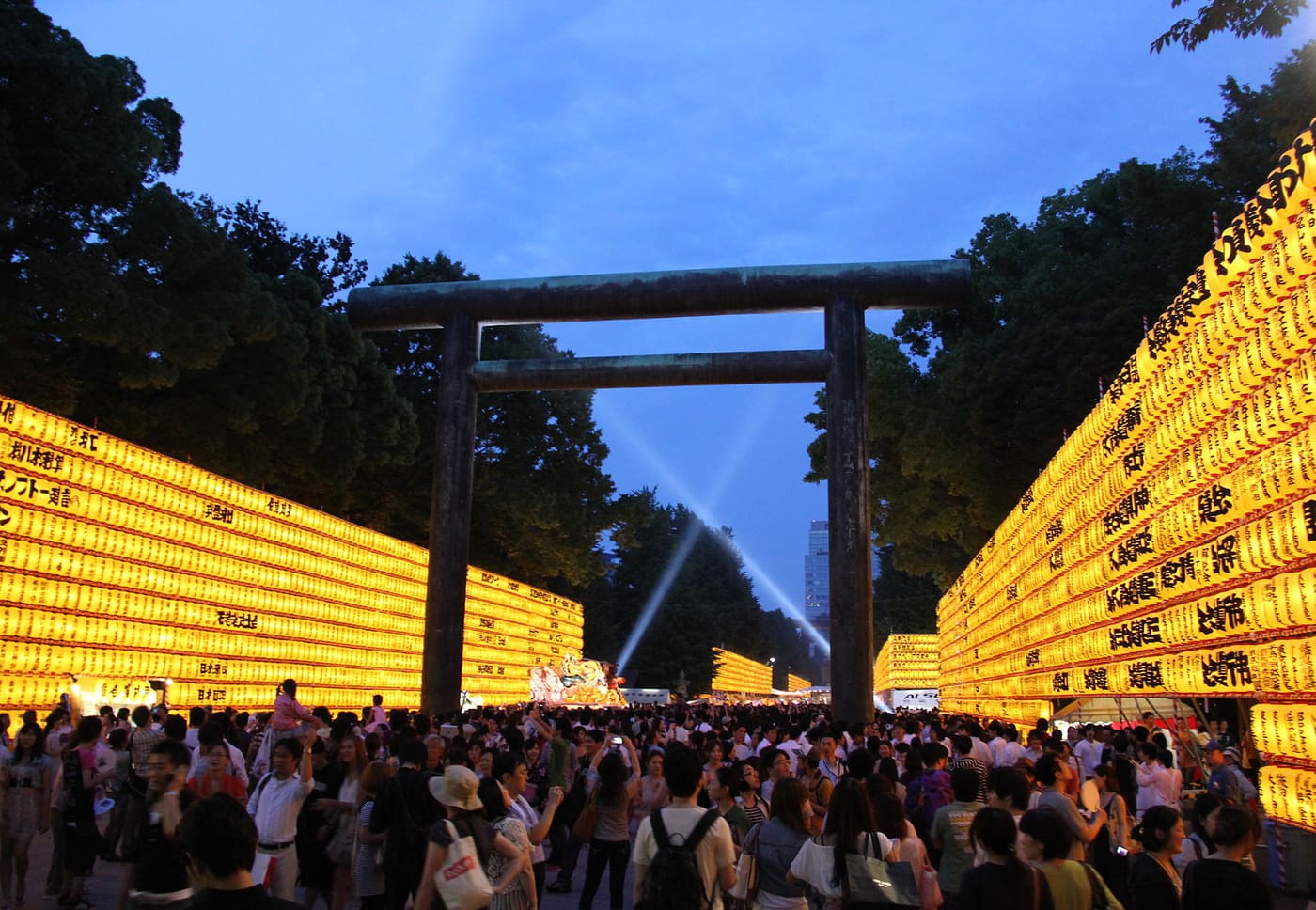
Mitama Matsuri is a summer festival at Yasukuni Shrine in Chiyoda, held for the souls of the dead during Tokyo’s July Obon season. For four evenings the long approach and the inner grounds are lined with more than 30,000 lanterns, stacked in glowing walls several tiers high, with hand-painted paper lanterns hung along the way. It’s one of the most photogenic summer evenings in the city, and it’s free.
The dates are the same every year, 13 to 16 July. In 2027 that’s Tuesday 13 to Friday 16 July. Fixed dates make it easy to plan around, but check the shrine’s announcements in early summer for the year’s programme.
Go on a weekday evening around 7 PM, walk the full approach from Kudanshita, and pair it with dinner in Jimbocho or Kagurazaka.
What you will see
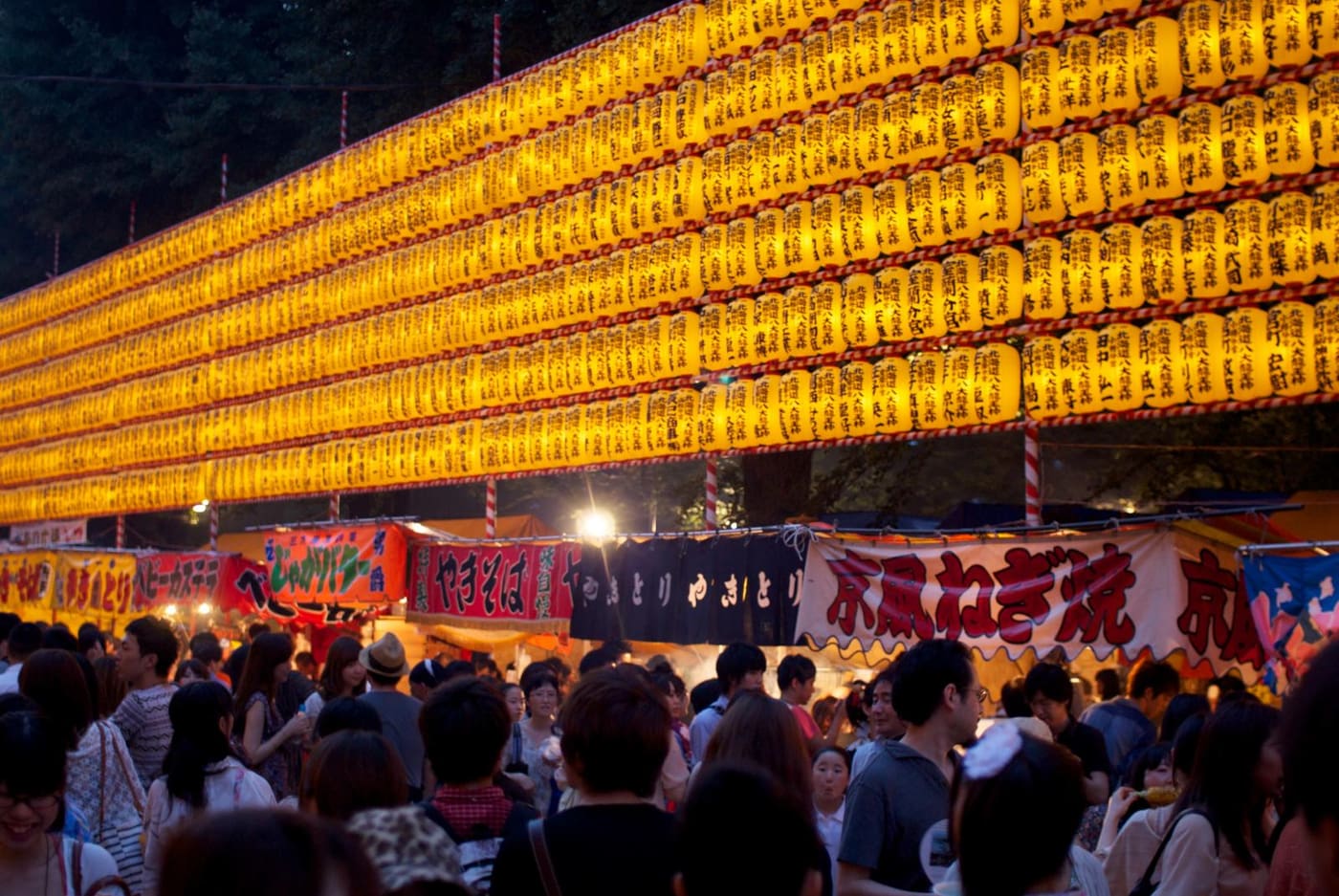
The lantern walls. The heart of the festival is the lantern display. Large and small lanterns dedicated by individuals, companies and groups, each carrying the donor’s name, are arranged in towering frames on both sides of the approach and around the inner courtyard. They’re lit from sunset to about 9:30 PM.
The painted lanterns. Hanging paper lanterns along the approach carry calligraphy and paintings by artists, writers and well-known figures. Slow down for these, since each one is different.
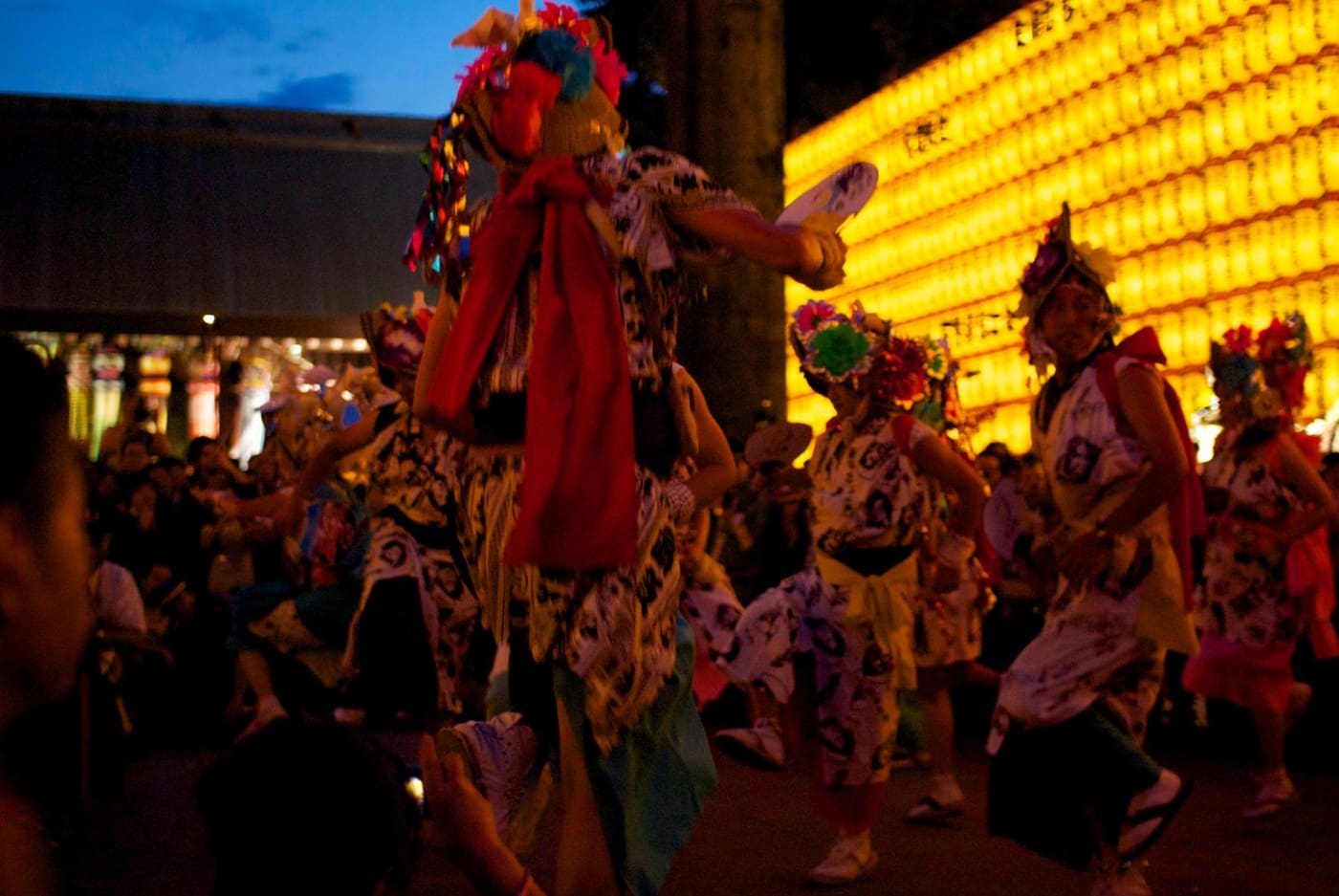
Dances and performances. Traditional Bon dances and other performances take place on the grounds during the festival evenings. The programme changes each year, and the shrine posts it.
Food. The long rows of traditional food stalls that once lined the approach weren’t part of the 2026 festival. A smaller number of food trucks sold skewers, yakisoba and shaved ice instead. If you’d rather have a real meal, eat before or after in the neighbourhoods nearby.
Understanding Yasukuni
Yasukuni Shrine was founded in 1869 to honour those who died in service of Japan. It’s politically contested. Those enshrined include wartime leaders convicted as war criminals after the Second World War, and visits by Japanese politicians draw protests from neighbouring countries. Mitama Matsuri itself is a summer lantern festival, and most visitors come for the lanterns, but you’ll want to know where you are. Behave as you would at any shrine. Walk to the side of the central path and keep your voice down near the main hall.
When to go
The lanterns light up at dusk, and you’ll get the best light in the half hour after sunset, around 7 PM in mid-July, when the sky is still deep blue behind the glowing walls. The grounds are busiest on weekend evenings and from about 7:30 PM onward. In 2027 all four evenings fall on weekdays (Tuesday to Friday), which should help. The shrine is open for worship from 6 AM to 9:30 PM during the festival, so you could go in the daytime, but the lanterns are the reason to come.
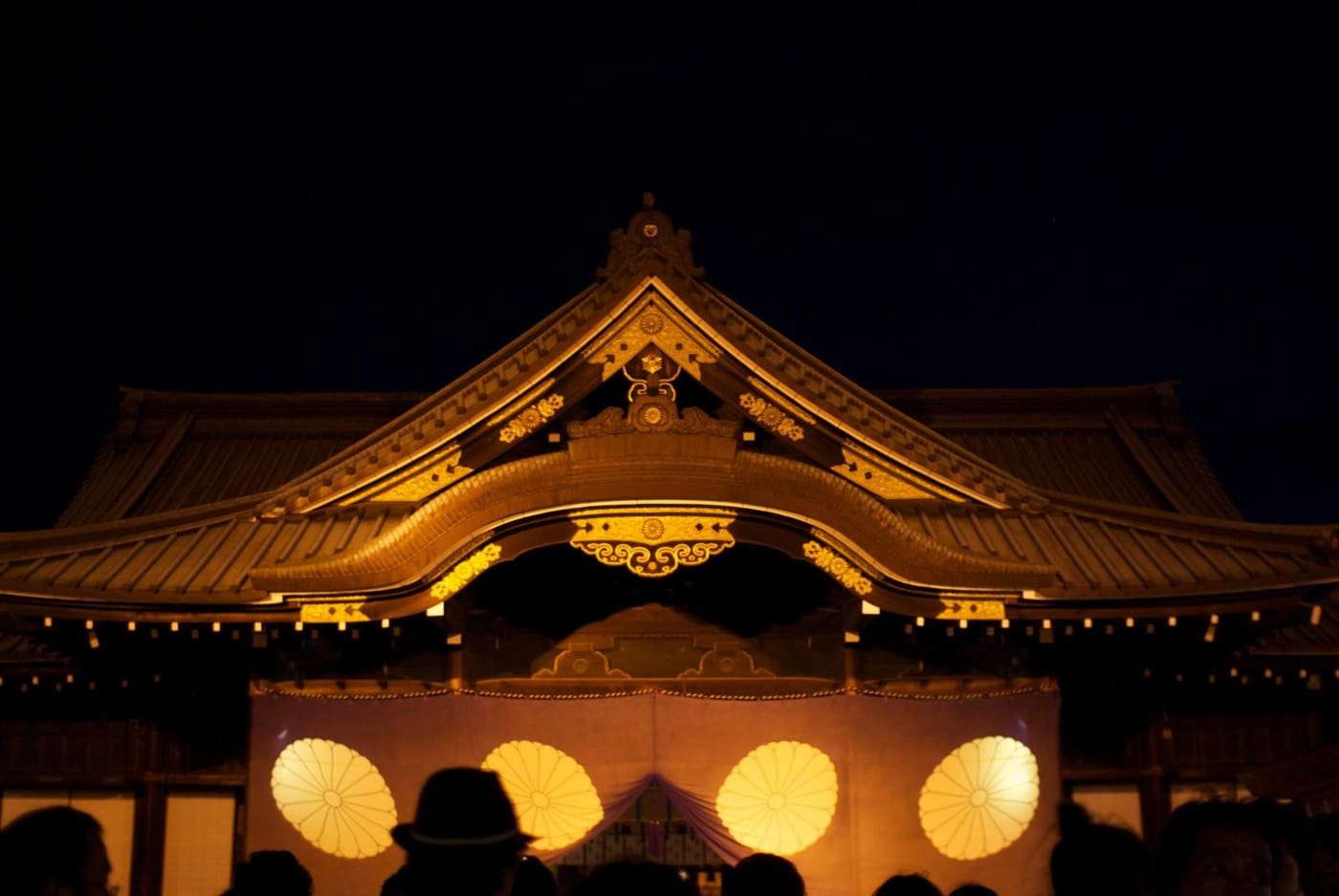
You’ll want an hour to walk the full approach, see the painted lanterns and reach the inner grounds.
Getting there
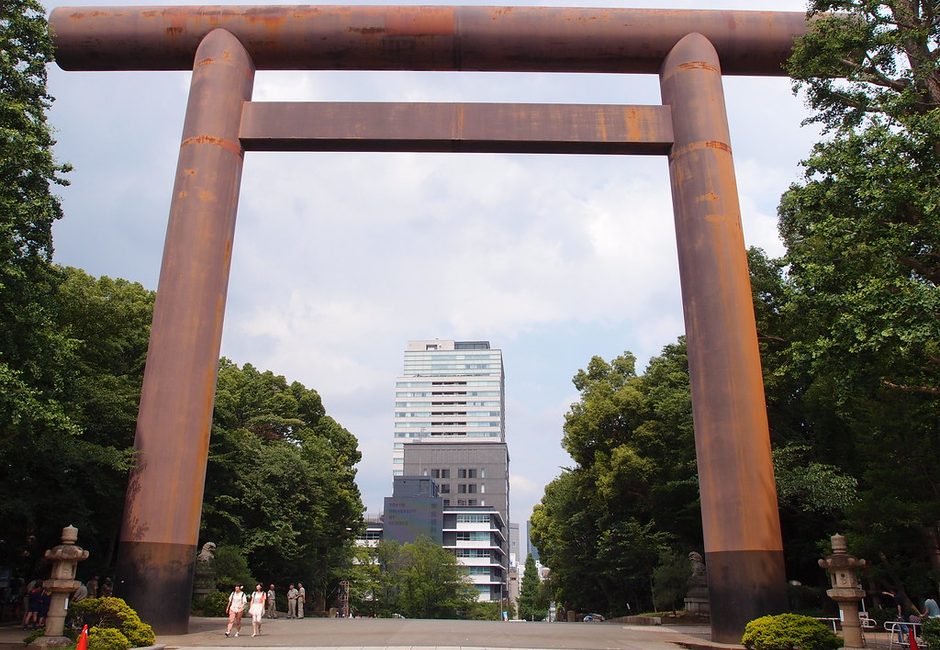
The main approach starts at Kudanshita Station (Tozai, Hanzomon and Toei Shinjuku lines). Walk up the hill from the station and in through the giant torii. Don’t slip in from a side gate, because the approach is built to be seen from the bottom. Ichigaya and Iidabashi stations are also within about 10 to 15 minutes on foot. After the lanterns go out at 9:30 PM, Kudanshita gets busy. Jimbocho, about 15 minutes’ walk east, is a calmer station to head home from.
Costs and what to bring
Entry is free. Anyone can dedicate a lantern to the festival by applying in advance. In 2026 the shrine asked 5,000 yen for a small lantern and 20,000 yen for a large one. Mid-July is hot and humid even after dark, so bring water, a fan and a small towel. It’s a good night to wear yukata, and plenty of visitors do.
Nearby: Chidorigafuchi and the moat
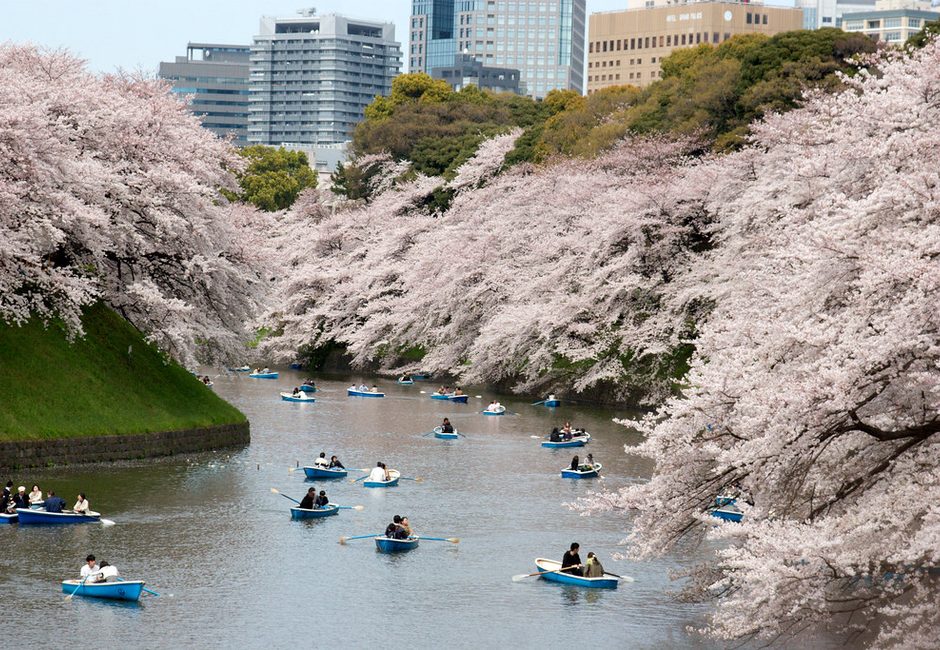
Next to the shrine, Chidorigafuchi runs along the Imperial Palace moat. It’s best known as a cherry-blossom walk, but a stroll along the water on a July evening, before the lanterns light up, is a nice way to arrive.
Where to eat nearby
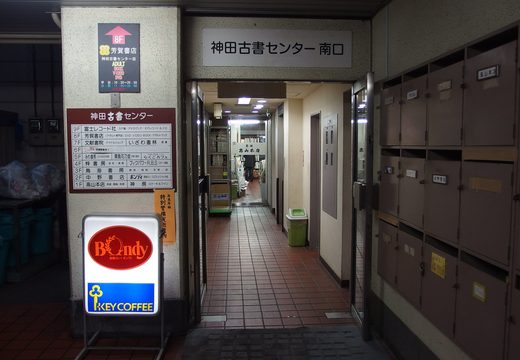
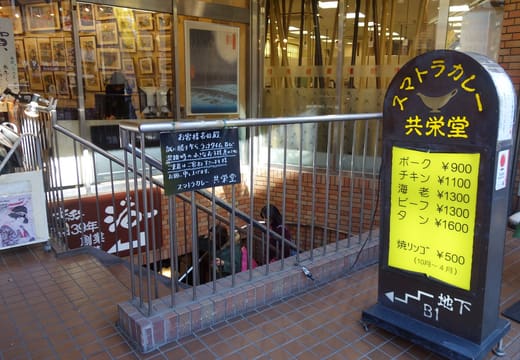
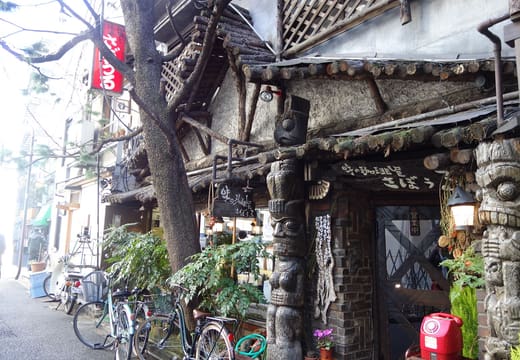
Jimbocho, 15 minutes east, is Tokyo’s book town and its curry capital. Curry Bondy and Sumatra Curry Kyoeido are two of the classics, and Sabouru, a 1955 coffee shop of carved wood and red lamps, is where you go for an iced coffee. The Jimbocho neighbourhood guide has more.
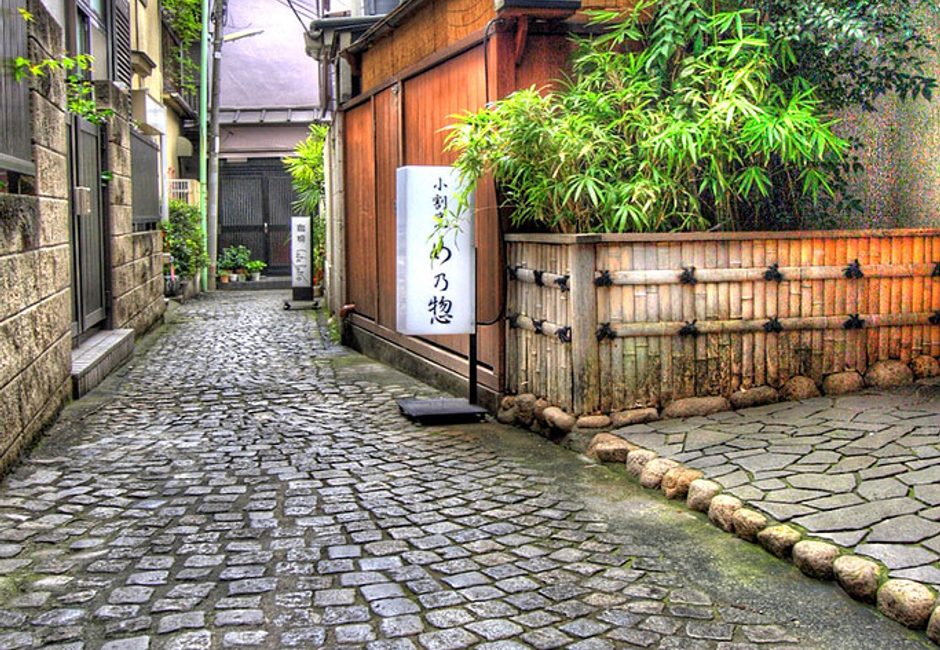
Kagurazaka, about 15 minutes north-west past Iidabashi, is a sloping street of French bistros and old-style Japanese restaurants in stone-paved alleys. The Kagurazaka neighbourhood guide covers it.
Where to stay for Mitama Matsuri
Here’s what the weekly hotel price index (sampled 29 September 2026, a two-night stay a month out) shows for a base within walking distance or a short ride of the shrine.
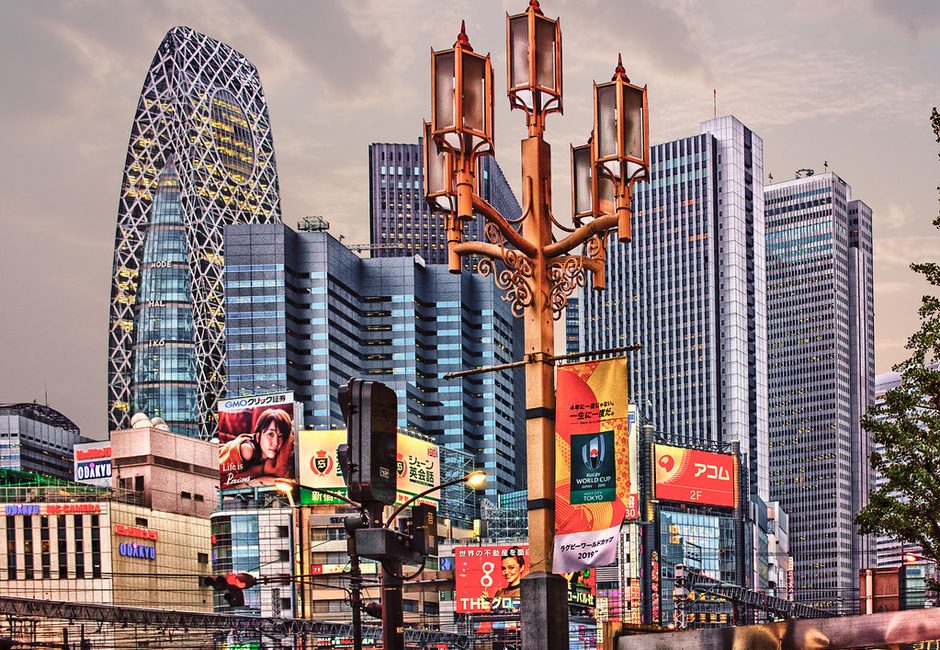
- Jimbocho, at US$197, is 15 minutes on foot and has the best food of the four.
- Kagurazaka, at US$214, has a quieter, residential feel.
- Akihabara, at US$186, is a few stops away with a wide range of hotels. See the Akihabara where to stay guide.
- Shinjuku, at US$274, is direct on the Toei Shinjuku Line to Kudanshita and the best base for the rest of a summer trip. See the Shinjuku where to stay guide.
Open the Tokyo travel map with your dates to compare live hotel prices near the shrine. For the rest of July, including the Sumida River Fireworks later in the month, see the Tokyo in summer guide, the Sumida River Fireworks guide and the events calendar.
Frequently Asked Questions
When is Mitama Matsuri 2027?
Mitama Matsuri is held on 13 to 16 July every year. In 2027 that’s Tuesday 13 to Friday 16 July, with the lanterns lit from dusk until about 9:30 PM.
Is Mitama Matsuri free?
Yes. Entry to Yasukuni Shrine and the festival is free. Food trucks, drinks and lantern donations are the only things you’ll pay for.
Are there food stalls at Mitama Matsuri?
Not the traditional rows of stalls. In 2026 a smaller number of food trucks sold festival food instead. Jimbocho and Kagurazaka, each about 15 minutes’ walk away, are better for a meal.
Which station is closest to Mitama Matsuri?
Kudanshita (Tozai, Hanzomon and Toei Shinjuku lines) is at the foot of the main approach. Ichigaya and Iidabashi are 10 to 15 minutes’ walk.
Is it appropriate for tourists to visit Yasukuni Shrine?
Anyone can visit, and the festival draws a large local crowd. The shrine is politically sensitive because of who’s enshrined there, so visit respectfully and be aware of the history.
Places in this guide
Photos show the actual places, licensed under Creative Commons and credited to their photographers.
Find hotels in Chiyoda
Browse live availability and compare prices for your dates.