Sumida River Fireworks 2027: Dates, Where to Watch, Getting Home
Sumida River Fireworks guide: the expected 2027 date, the two launch sites, where to stand, when to arrive, which stations to use and avoid, rain policy, and where to stay.
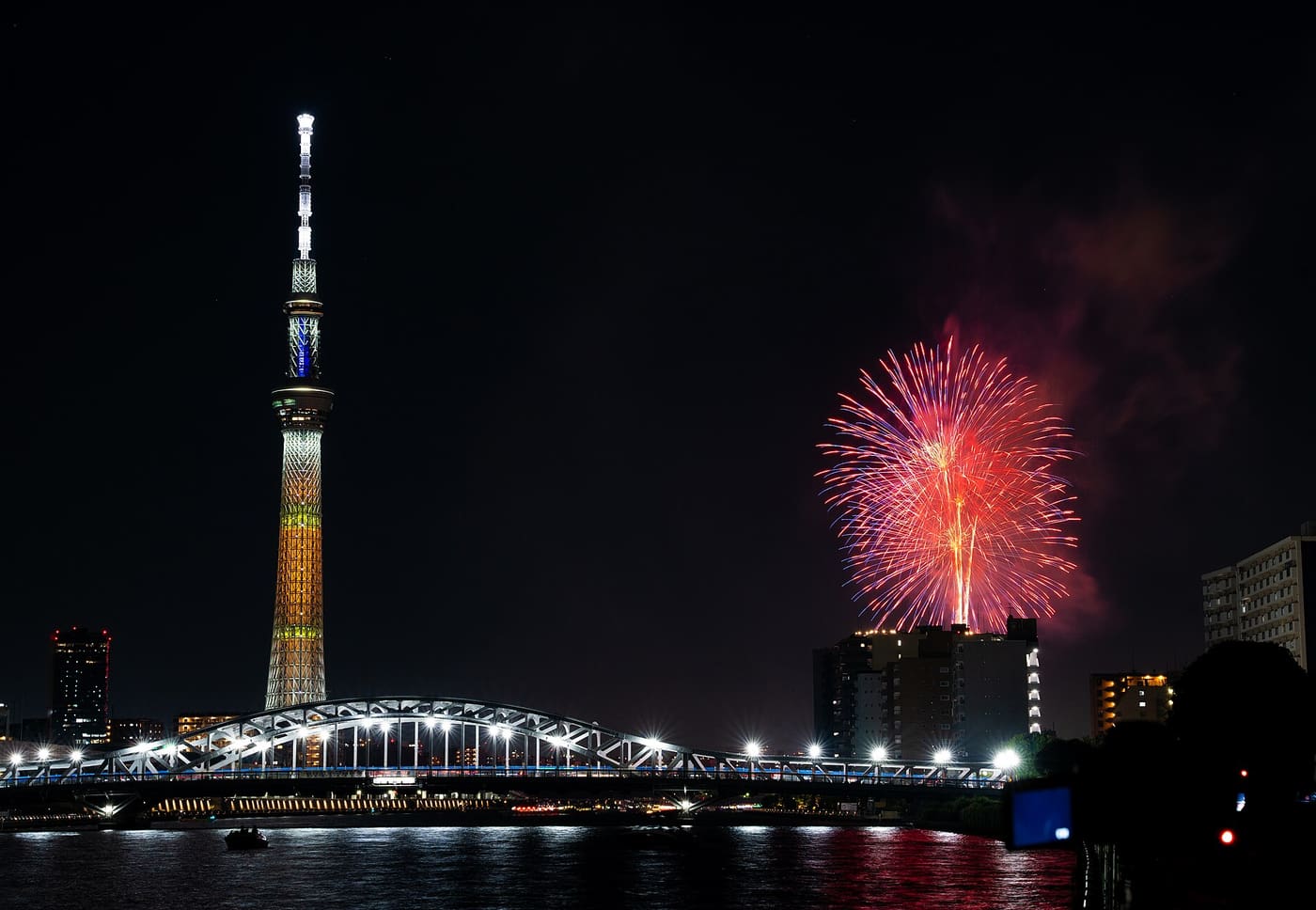
The Sumida River Fireworks Festival is Tokyo’s biggest summer fireworks show. About 20,000 shells go up over ninety minutes from two stretches of the river beside Asakusa, and close to a million people watch. It’s held on a Saturday evening in late July, usually the last one. The 2026 edition ran on Saturday 25 July, from 7 PM to 8:30 PM. The 2027 date hadn’t been announced at the time of writing. The usual pattern points to Saturday 31 July 2027. It isn’t confirmed until the organisers publish it, so treat it as expected.
In short, watch from a side street or a riverside spot a little away from the launch sites, arrive by late afternoon, and when it ends walk to a station other than Asakusa. If you can, book a room within walking distance and don’t touch the trains at all.
What happens and where
Fireworks go up from two launch areas on the Sumida River. The first venue sits between Sakurabashi and Kototoibashi bridges, north of Senso-ji Temple beside Sumida Park, and fires roughly 9,350 shells. The second venue sits further south, between Komagatabashi and Umayabashi bridges, and fires roughly 10,650. In 2026 the first venue started at 7 PM and the second at 7:30 PM, with both finishing at 8:30 PM.
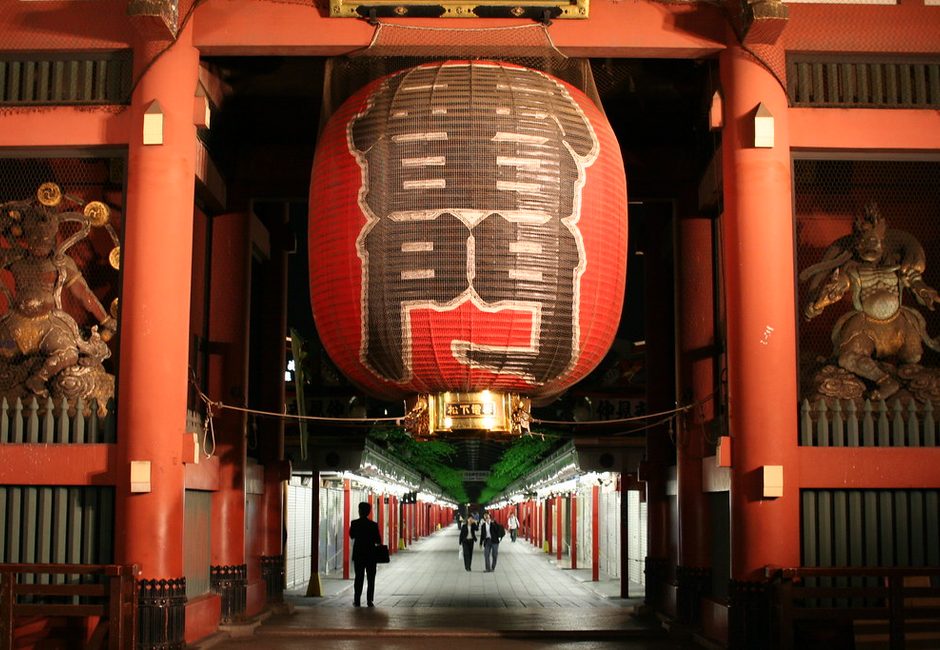
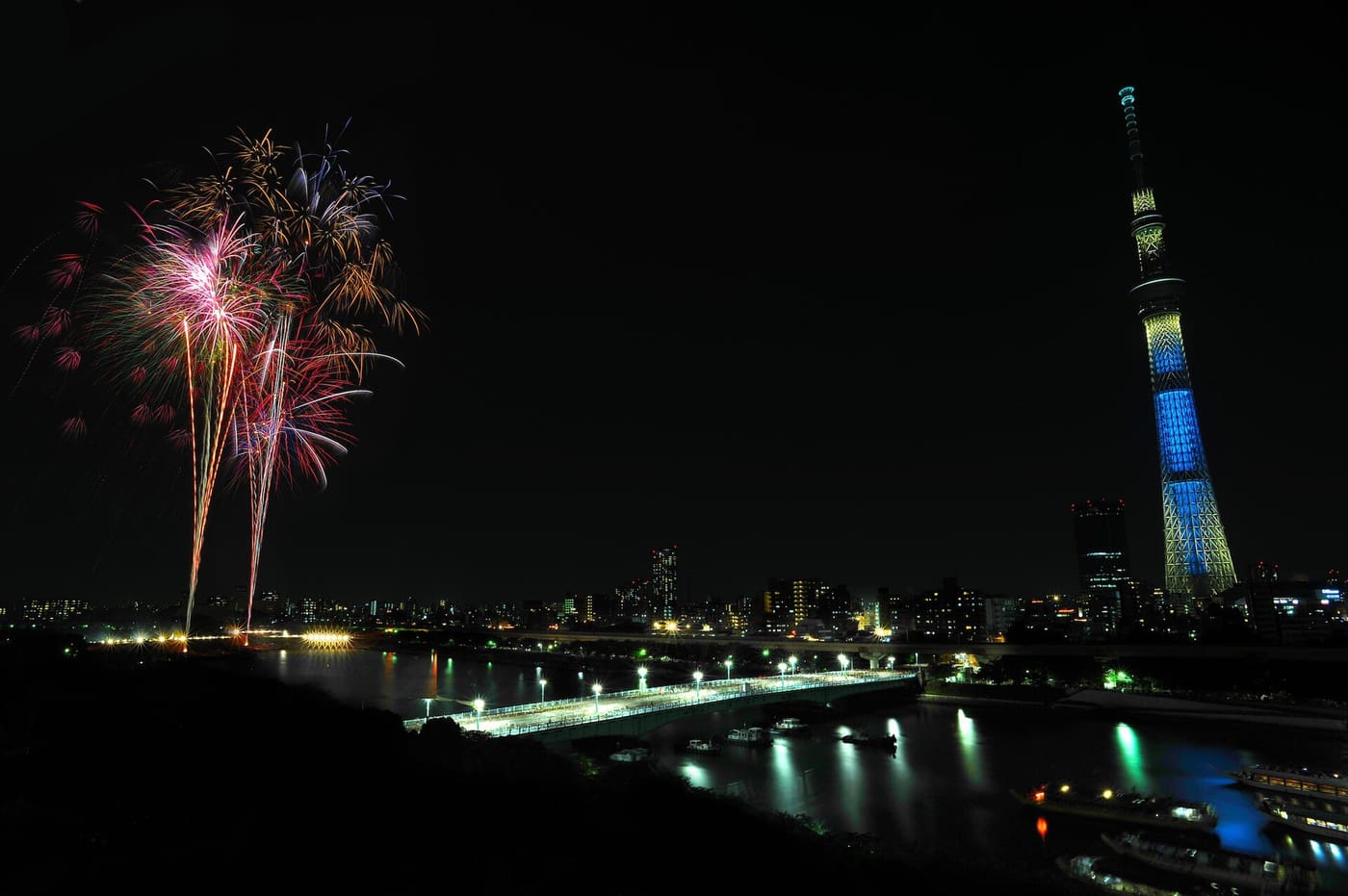
The event traces its roots to river-opening fireworks at Ryogoku in the 1730s and has run under its current name since 1978. The first venue also hosts a competition between Japanese fireworks makers, so part of the show is a run of entries judged one after another.
Where to watch
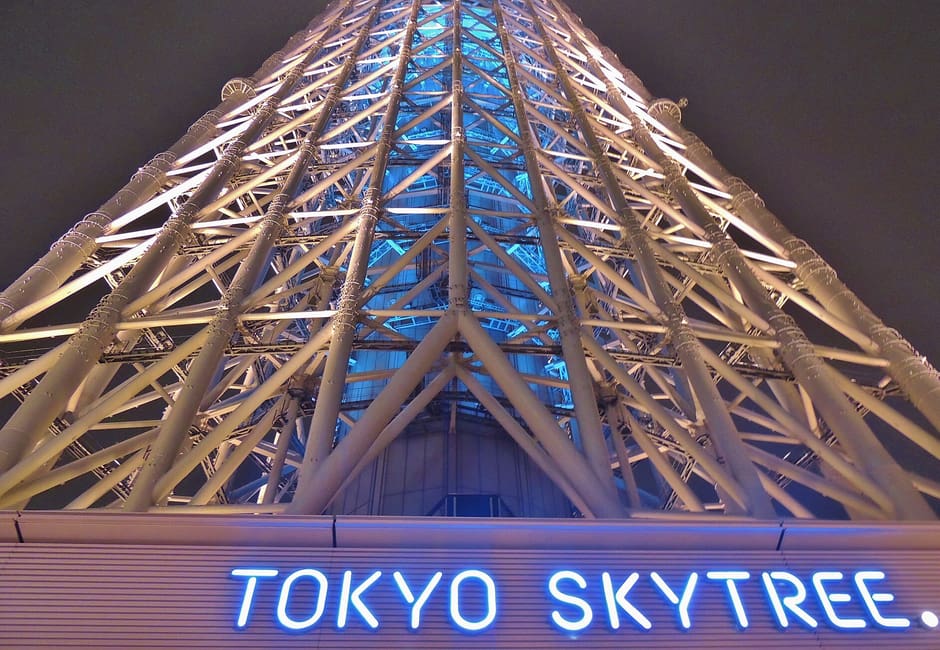
Sumida Park (both banks, first venue). The classic view, with the shells bursting directly overhead and Tokyo Skytree lit up across the water. It’s also one of the most crowded spots that night and fills from early afternoon.
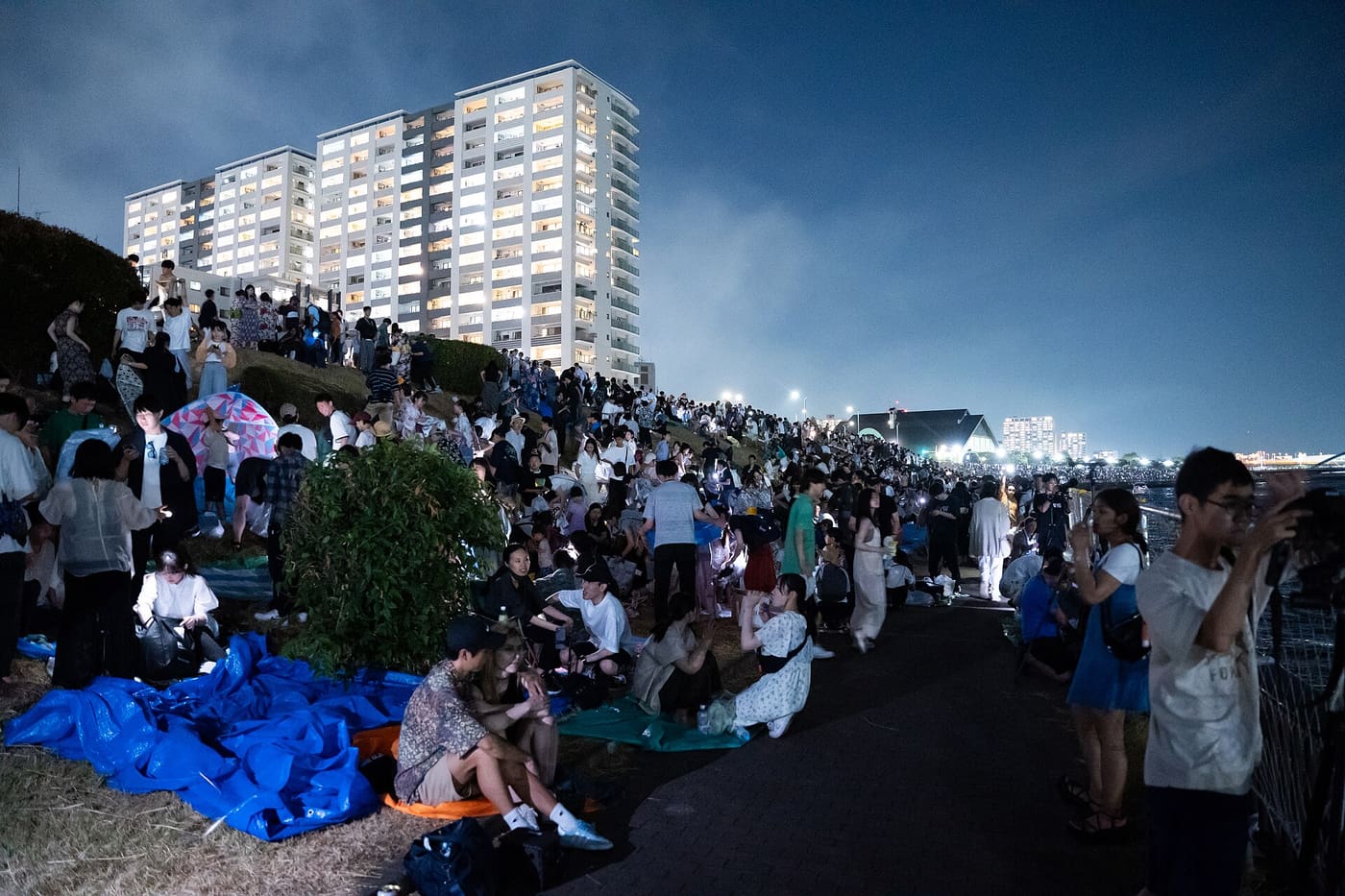
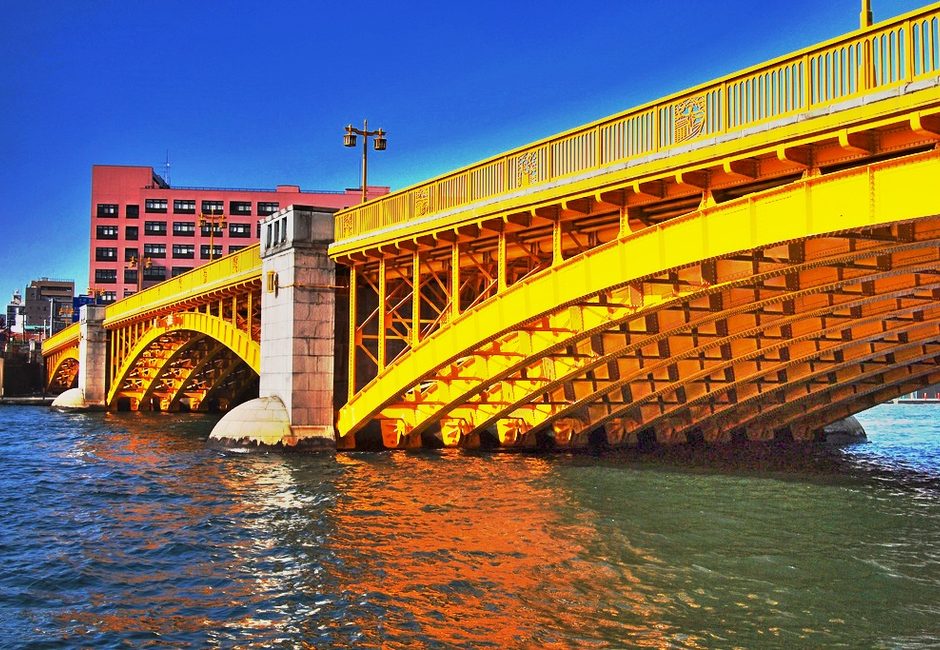
Around Komagatabashi and Umayabashi (second venue). The riverside terraces and streets near these two bridges catch the bigger half of the show. Umayabashi is a short walk from Kuramae Station and usually doesn’t feel quite as packed as central Asakusa.
Kuramae and the side streets. South of the second venue, Kuramae Bridge and the streets of Kuramae give partial views with more room to breathe. The Kuramae guide covers cafes for the afternoon wait.
A few blocks back. The big shells climb high enough to be seen between buildings from many streets in Asakusa and across the river in Sumida ward. You’ll lose the low set pieces, but you get space, shade and a quick exit.
Paid options. The official seated areas are allocated through a citizen sponsorship scheme rather than sold as general tickets, so most visitors watch for free. Third parties sell dinner cruises and restaurant or rooftop packages, and Tokyo Skytree has run a special fireworks-night opening. Book any of these weeks ahead, and read what the view includes before you pay.
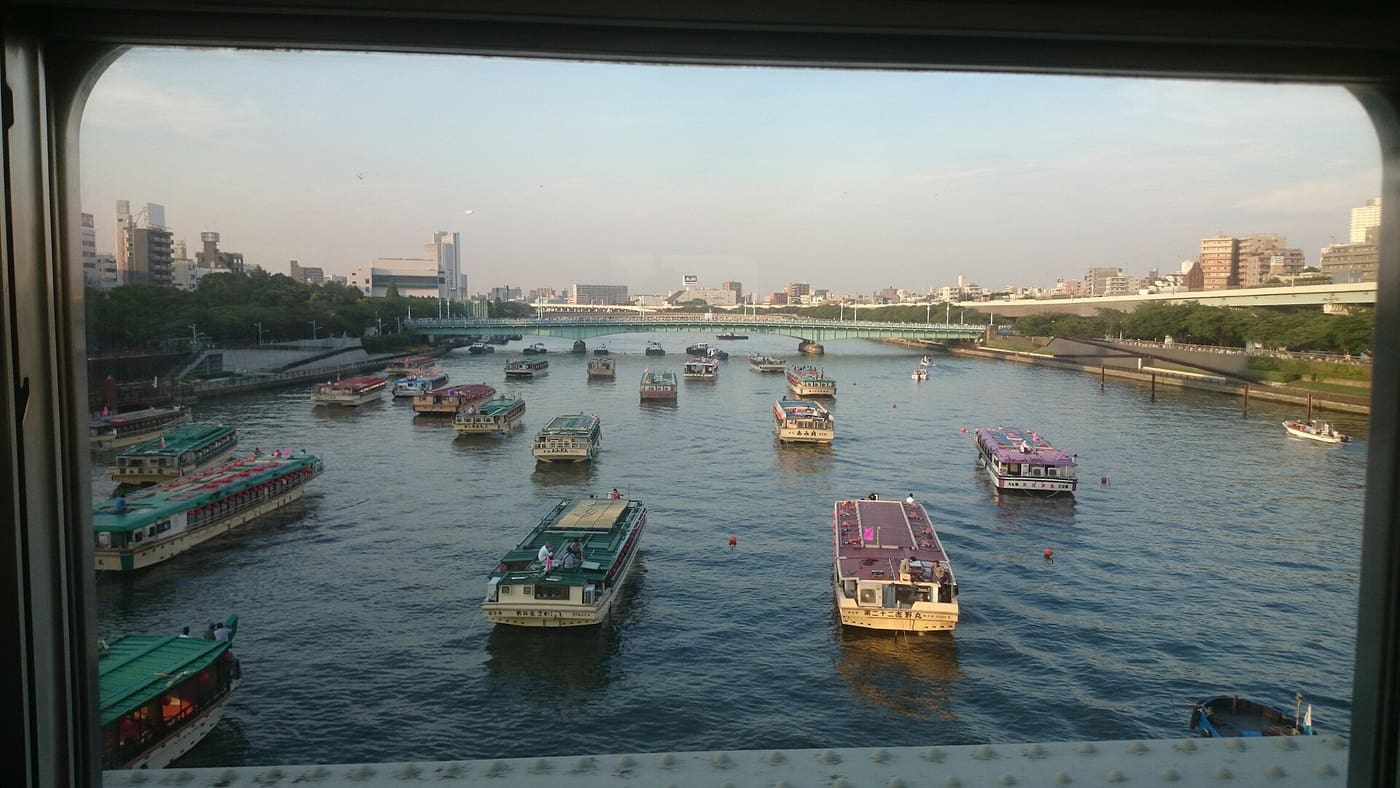
Road and pavement rules matter. Holding a spot on pavements, roads or restricted areas isn’t allowed, and several bridges switch to one-way pedestrian traffic in the evening. Traffic restrictions around the venues ran from about 6 PM to 9:30 PM in 2026.
When to arrive
For a seat on the grass in Sumida Park, arrive by early afternoon with a picnic sheet. People start settling in before lunch. For the riverside around the second venue, mid-afternoon is safe. For a standing view from a side street, arriving around 5 PM is enough. Asakusa and Kuramae stations get crushed from about 5 PM onward, so get into the area by then, even if you’re going to wander for an hour. It beats trying to arrive at 6:45.
Getting there and getting away
The nearest stations are Asakusa (Ginza Line, Toei Asakusa Line, Tobu), Kuramae (Toei Asakusa and Oedo lines), Honjo-azumabashi (Toei Asakusa Line) and Oshiage (Hanzomon Line, Keisei, Tobu). Tawaramachi on the Ginza Line is one stop west of Asakusa, about 15 minutes on foot from the river.
Getting away is the hard part. When the finale ends, a large part of the crowd heads for Asakusa Station at once and entry controls kick in. Three ways round it:
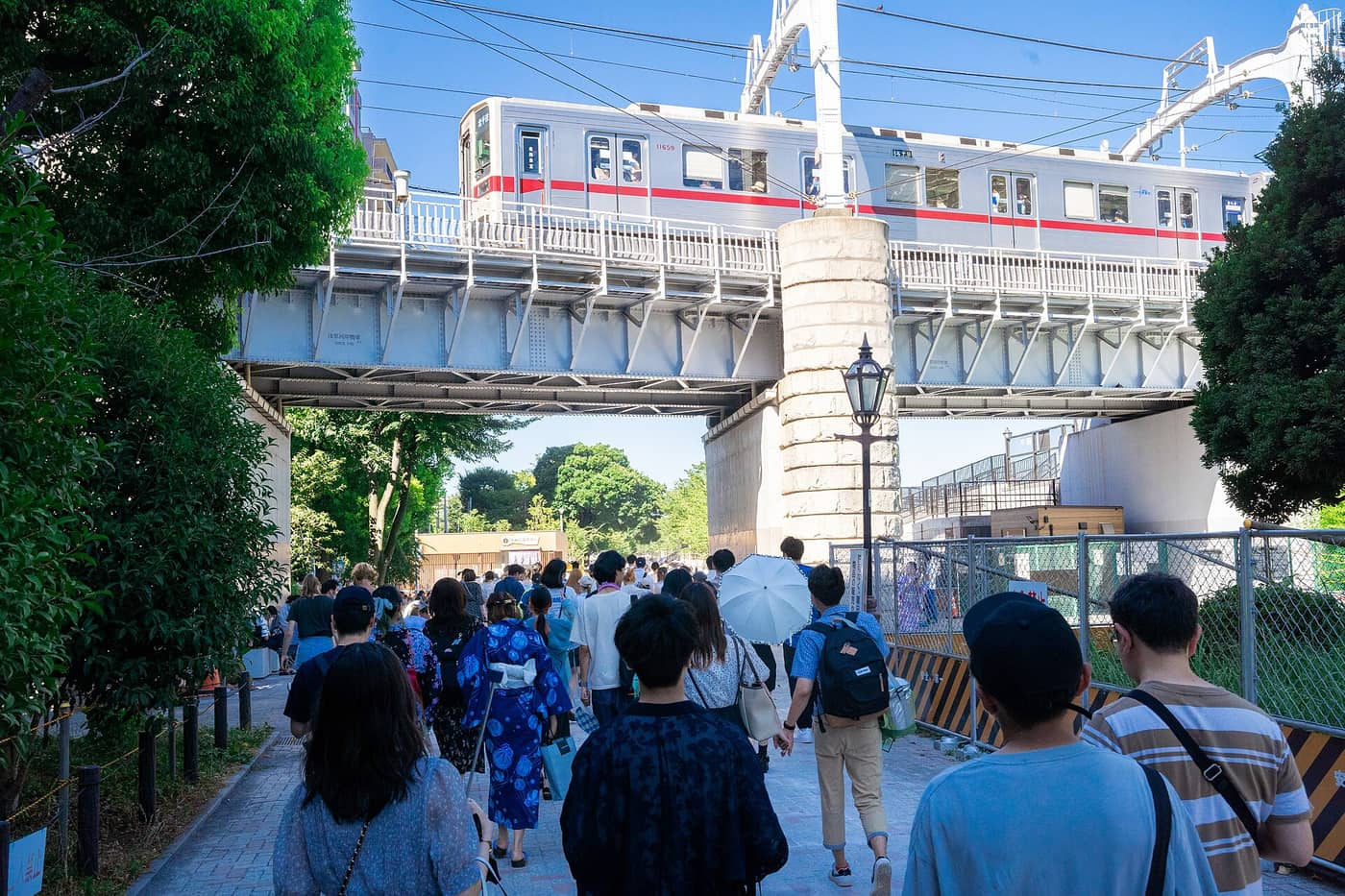
- Walk to Tawaramachi, Kuramae or Honjo-azumabashi instead. It’s 15 to 20 minutes and often beats the queue at Asakusa.
- Wait it out. Eat dinner in Asakusa after the show and head for the trains after 10 PM, when the crush has thinned.
- Stay the night nearby and walk home. It’s the only option with no queue at all.
Rain, heat, and what to bring
In 2026 there was no postponement day. If the weather ruled out the show, it was cancelled outright, with the decision made at 8 AM on the day. Light rain doesn’t stop fireworks, so don’t guess from the forecast. Check the official site that morning.
Late July in Tokyo is hot and humid. Bring a picnic sheet, water, a small towel, a fan and a portable phone battery, since mobile data can slow down in a crowd this size. Convenience stores near the river are packed in the evening, so buy drinks and ice before you settle. Toilets have long queues, so use one at a station or department store before you claim a spot. Many people wear yukata, and it’s a good night to try it.
Where to eat nearby
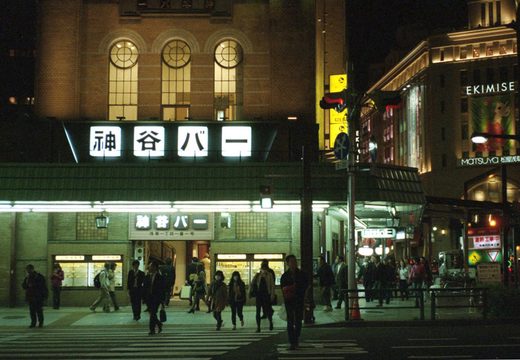
Eat early or eat late. Lunch in Asakusa before the crowds arrive works well, at Sometaro for do-it-yourself okonomiyaki or the open-air izakaya along Hoppy Street. After the show, Kamiya Bar by Azumabashi is the old Asakusa nightcap. Street stalls set up around the venue, but you’ll face long queues once the fireworks start.
Where to stay for the fireworks
Staying within walking distance changes the whole evening. You can go back for a shower and a nap, watch the show, and you’ll be in bed while the stations are still queuing.
- Asakusa is the obvious base. The weekly hotel price index puts its median at US$239 a night (sampled 29 September 2026, a two-night stay a month out, so fireworks night itself will cost more if you book late). The Asakusa where to stay guide covers the blocks and hotels.
- Kuramae, a short walk south of the second venue, runs US$184 in the same index and is quieter for the rest of your trip.
- Ryogoku, across the river to the south, runs US$179 and gives you a walk home along the east bank.
- Ueno at US$203 is the fallback, three stops from Asakusa on the Ginza Line, with the Ueno guide for detail.
Expect rooms near the river to go early for this date, so book as soon as your trip is fixed and pick free cancellation until the date is confirmed. To compare live prices for your own dates, open the Tokyo travel map, set your dates, and use Search this area for hotels.
Other fireworks in the same trip
Other displays run across the metro area in late July and August, and the events calendar lists them as dates are announced. The Tokyo in summer guide covers the heat and the matsuri, and the Asakusa neighbourhood guide the district by day.
Frequently Asked Questions
When are the Sumida River Fireworks in 2027?
The 2027 date hadn’t been announced at the time of writing. The festival is usually held on the last Saturday of July, which points to Saturday 31 July 2027. The 2026 edition was on Saturday 25 July, from 7 PM to 8:30 PM.
Is the Sumida River Fireworks free?
Yes. It doesn’t cost anything to watch from the parks, riverbanks and streets. The official seated areas go to sponsors, and dinner cruises and rooftop packages are sold separately by private operators.
What happens if it rains?
Light rain doesn’t stop the show. In 2026 there was no backup day, so bad weather meant cancellation, decided at 8 AM on the day and posted on the official site.
Which station should you use after the fireworks?
Don’t head for Asakusa Station straight after the finale, when entry is restricted. Walk 15 to 20 minutes to Tawaramachi, Kuramae or Honjo-azumabashi, or wait until after 10 PM.
Where is the best place to watch the Sumida River Fireworks?
Sumida Park for the full overhead view if you arrive by early afternoon, the riverside near Komagatabashi and Umayabashi for the second venue, or a side street a few blocks back for space and an easy exit.
Places in this guide
Photos show the actual places, licensed under Creative Commons and credited to their photographers.
Find hotels in Asakusa
Browse live availability and compare prices for your dates.