New Year in Tokyo: Hatsumode, Joya no Kane, and What's Open
How to spend New Year in Tokyo: where to hear the joya no kane bells, where to go for hatsumode, crowds at Meiji Jingu, all-night trains, what closes from 1 to 3 January, and where to stay.
New Year is Japan’s biggest holiday, and Tokyo doesn’t spend it at parties. It spends it at temples and shrines. On the night of 31 December, Buddhist temples ring their great bells 108 times (joya no kane) to see out the old year. From midnight into the first days of January, millions make hatsumode, the year’s first shrine or temple visit. There’s no city-wide fireworks countdown, and Shibuya’s street countdown has been cancelled for several years running.
The dates are fixed. New Year’s Eve is 31 December 2026, and the busiest hatsumode days are 1 to 3 January 2027. Opening hours, bell-ringing arrangements and all-night train plans are announced each December, so unless marked otherwise, what’s below is from the 2025 to 2026 New Year.
Here’s the plan. Hear the bells at Zojo-ji under a lit Tokyo Tower on the 31st, do hatsumode early on 2 or 3 January rather than at midnight, and book a hotel near a big shrine or temple so you can walk back and won’t need a train.
New Year’s Eve: joya no kane
At temples across Tokyo, the big bronze bell is struck 108 times around midnight, one strike for each of the worldly desires in Buddhist teaching. The sound is slow and deep, and it’s the New Year’s Eve moment in Japan.
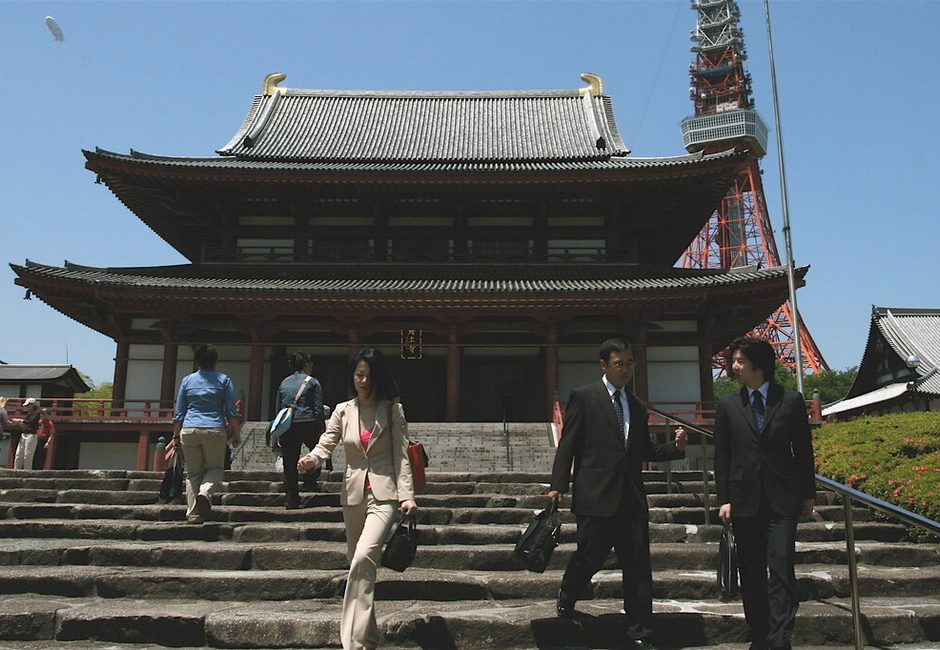
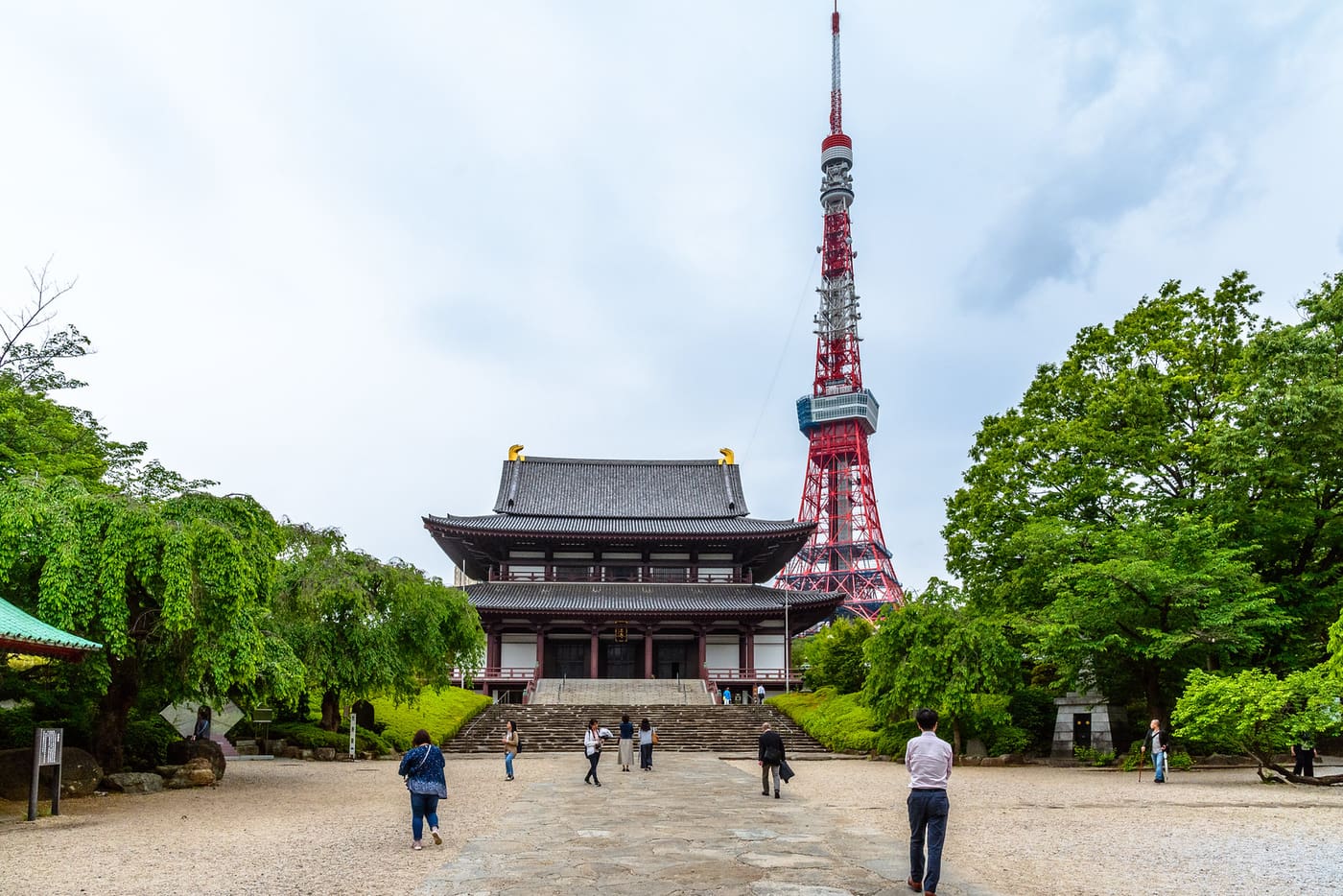
Zojo-ji Temple in Shiba, with Tokyo Tower directly behind it, is the most photogenic place to hear the bell. In recent years Zojo-ji has sold a limited number of tickets in December that let visitors take part in striking it, and everyone else watches from the grounds. It’s busy but manageable, and afterwards you can stay for hatsumode at the same temple.
Senso-ji Temple in Asakusa rings its bell on New Year’s Eve too, but only the temple rings it, so you listen and watch. Crowds build through the evening for the first prayers of the year at the main hall.
Smaller neighbourhood temples often let local people queue to strike the bell. If you’re staying outside the centre, ask at your hotel which nearby temple rings at midnight.
Hatsumode: the first visit of the year
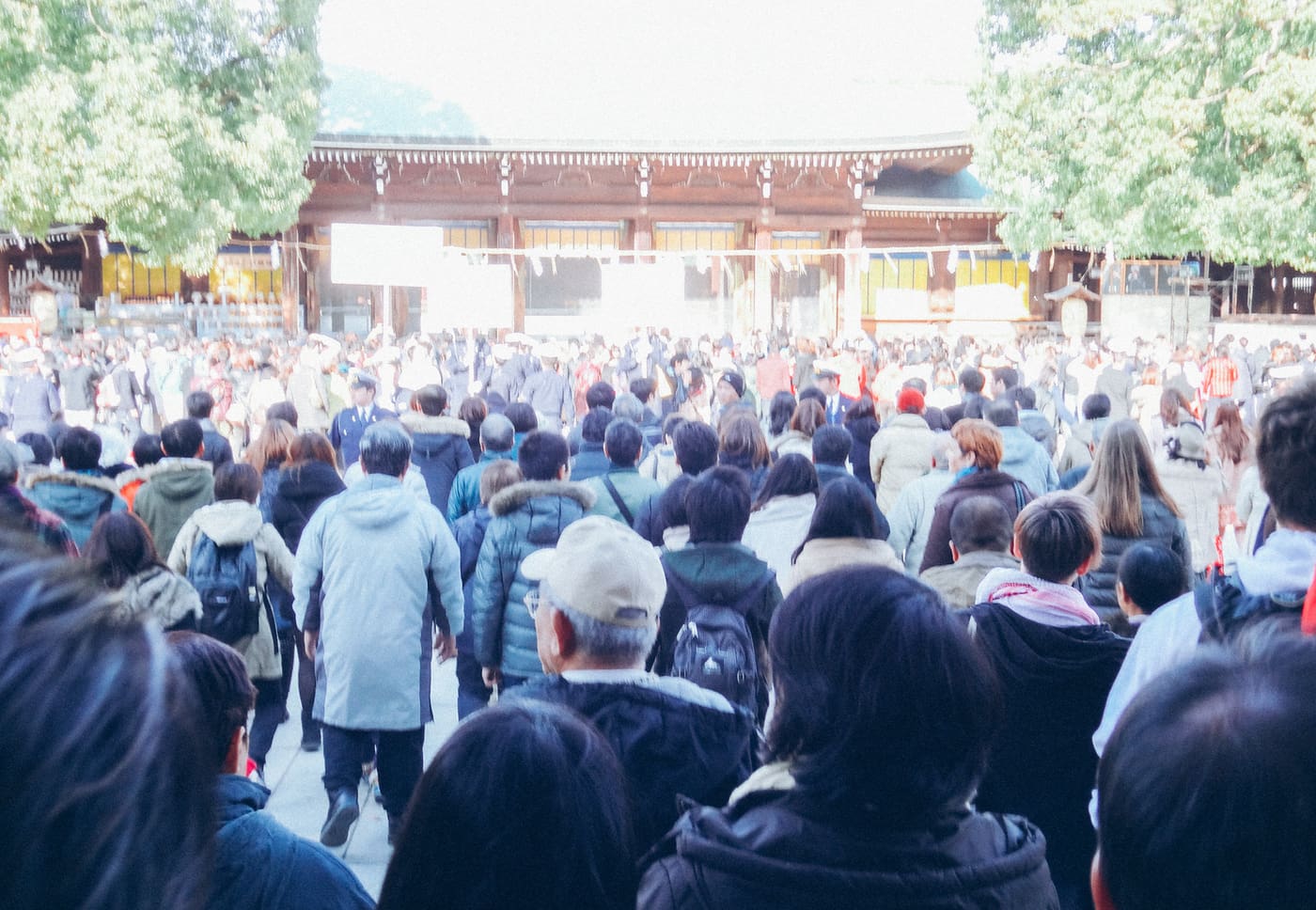
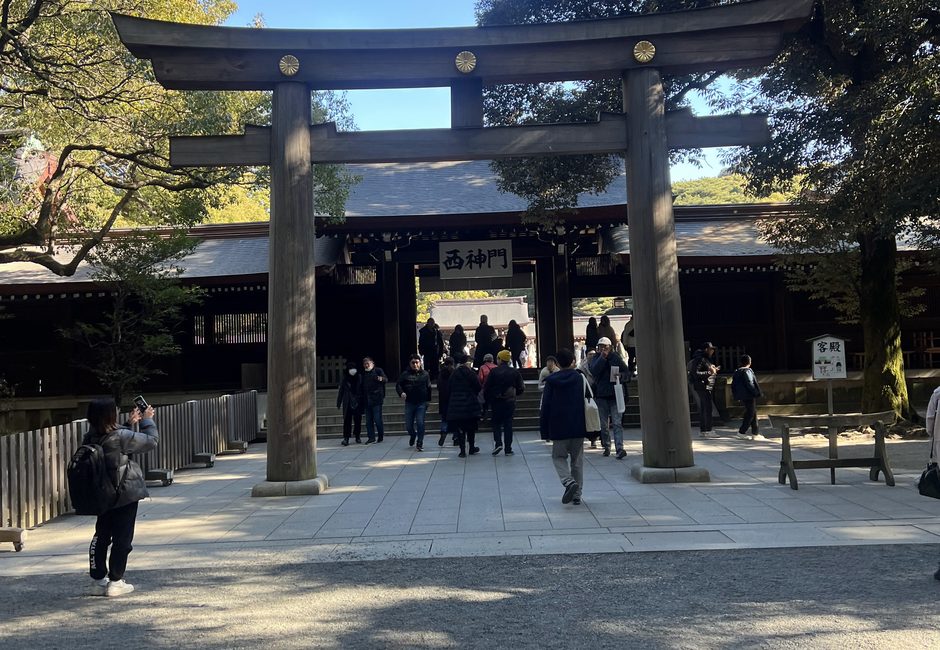
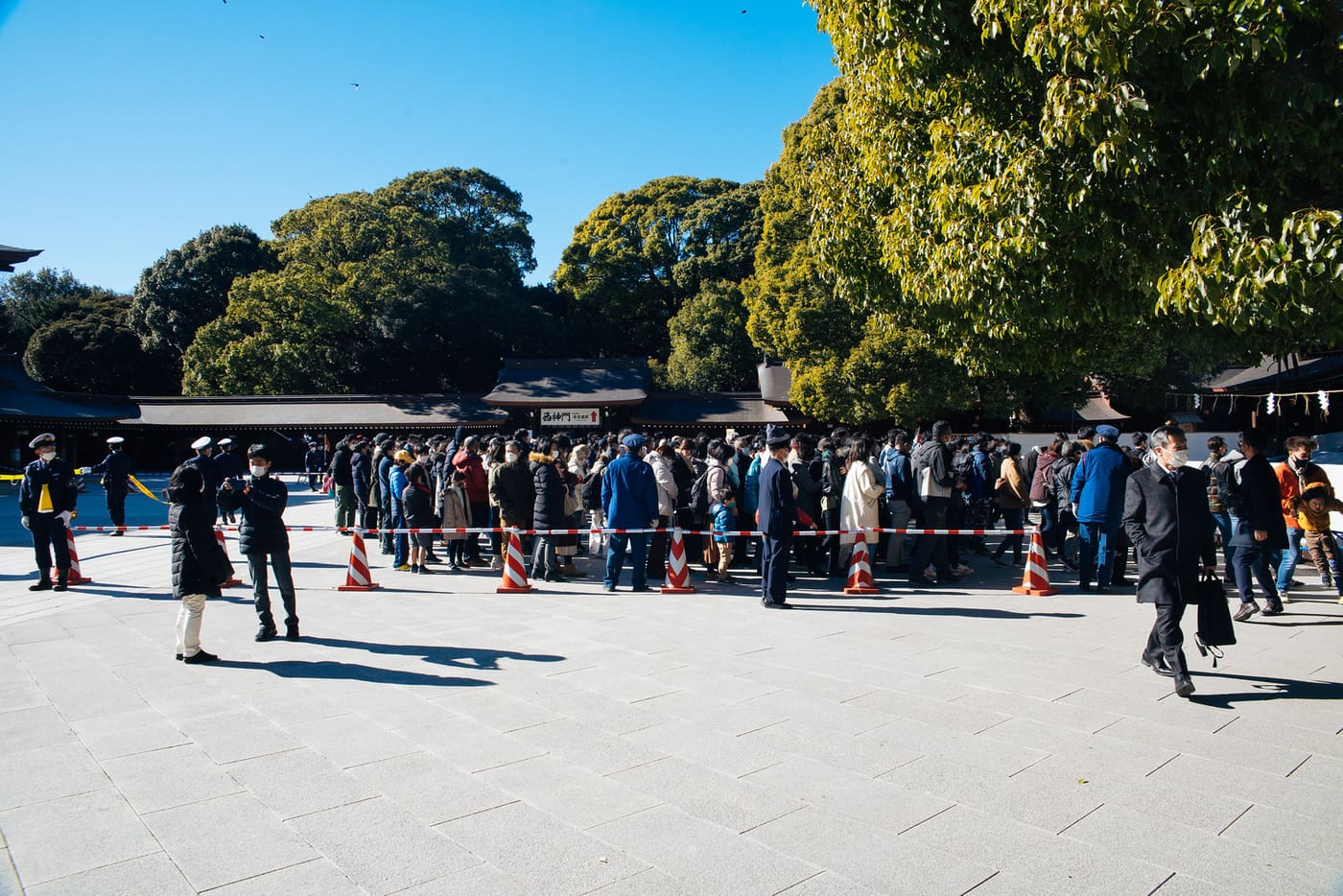
Meiji Shrine receives more hatsumode visitors than any other shrine in Japan, around three million in the first three days of January. At the 2025 to 2026 New Year it opened at 6:40 AM on 31 December and stayed open through the night until about 6:30 PM on 1 January, then kept daytime hours from 2 January. The busiest windows were late evening on 31 December to about 3 AM, and from mid-morning each day from 1 to 3 January. Expect a slow, orderly queue that can take an hour or more at peak, and traffic restrictions around Harajuku Station from 31 December to 3 January.
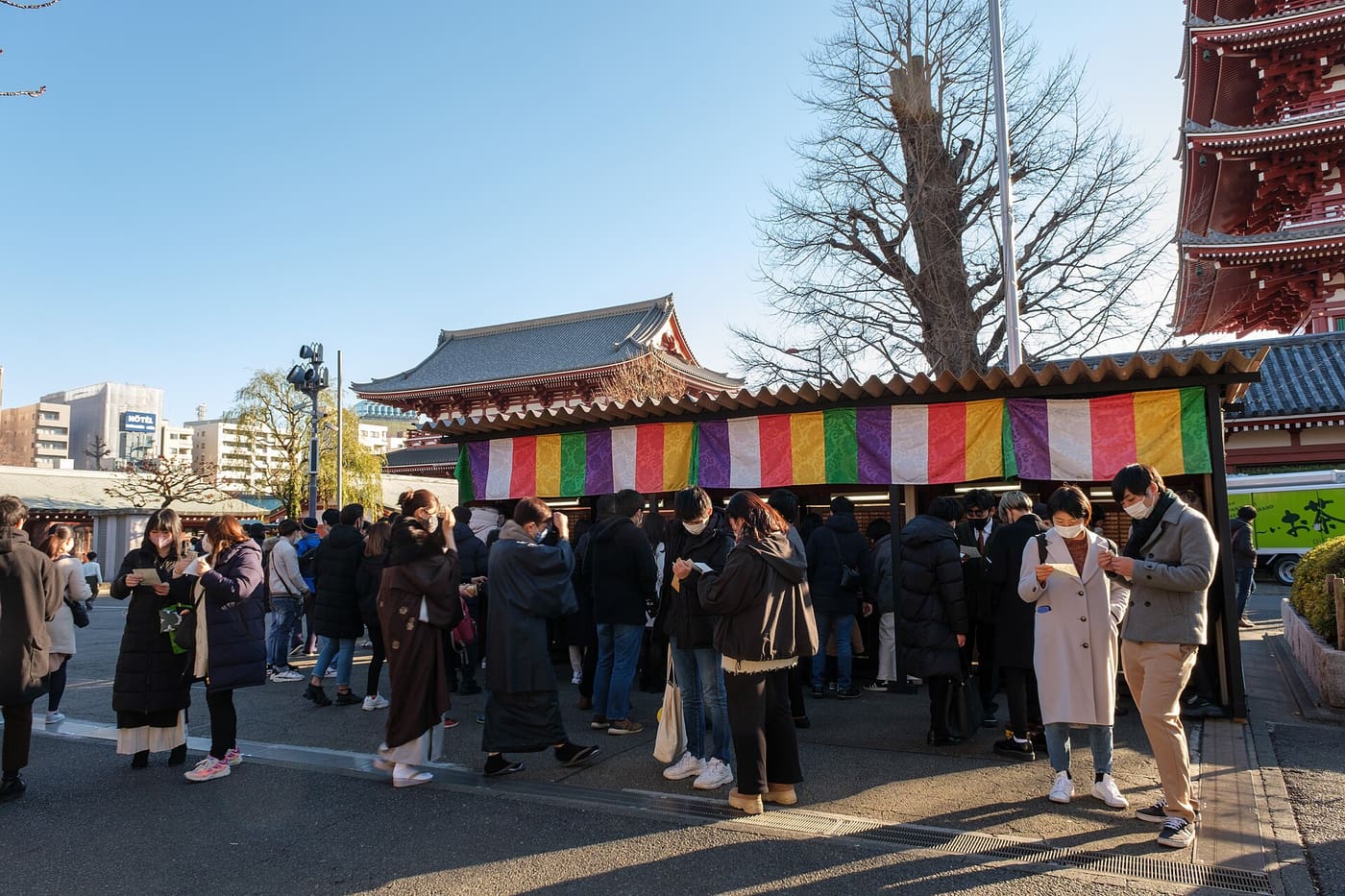
Senso-ji is the other giant, with food stalls along the approach and the fortune slips (omikuji) doing brisk business. Its grounds never close, so you can visit at any hour.
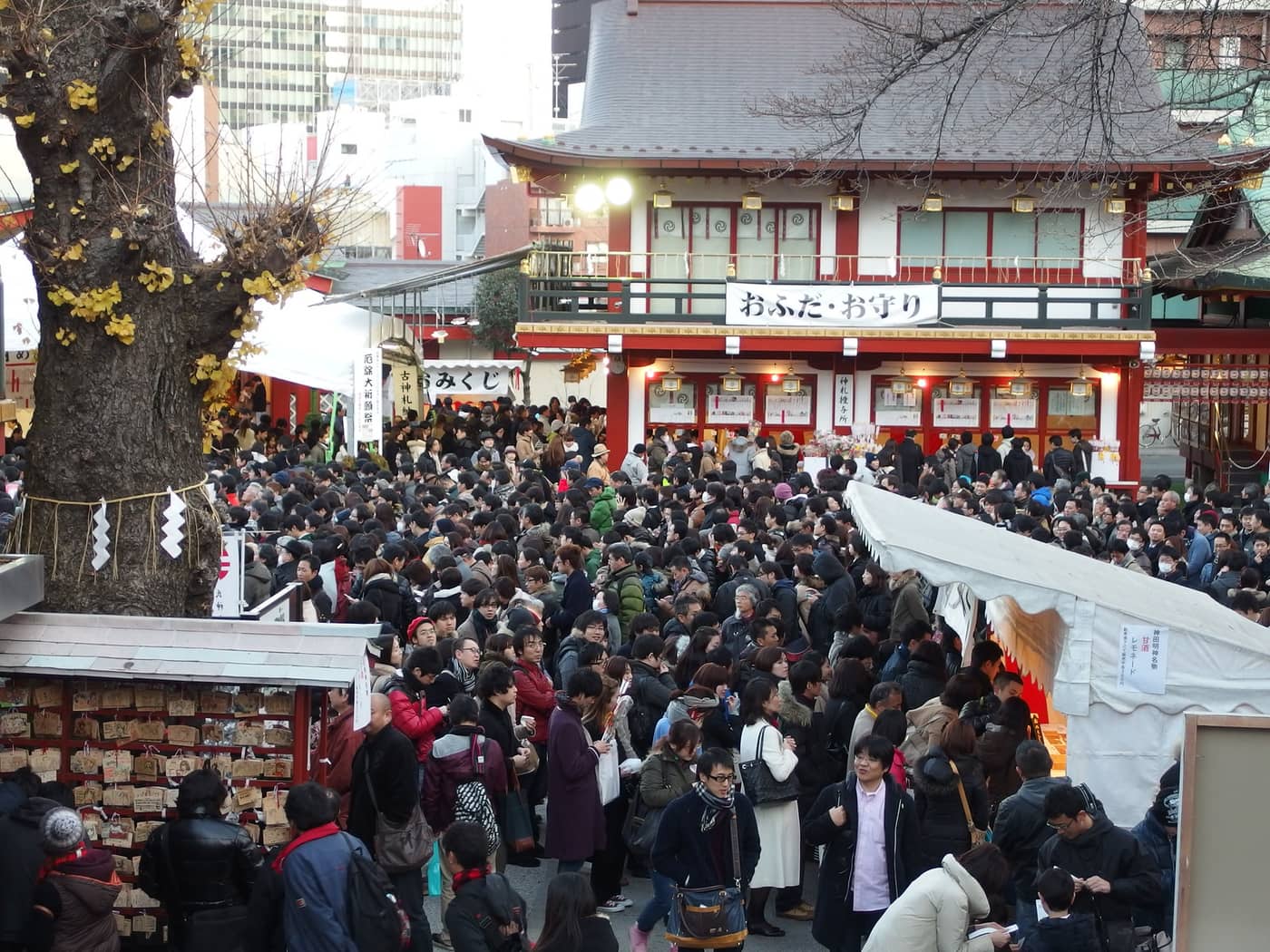
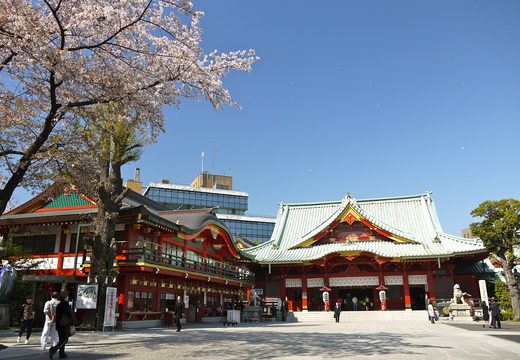
Kanda Myojin Shrine is known as the business shrine. On the first working days of January, office workers arrive in groups to pray for the company’s year, and it’s the most striking hatsumode scene if you’re curious about working Tokyo.
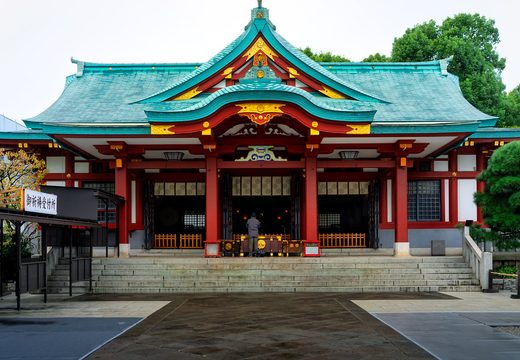
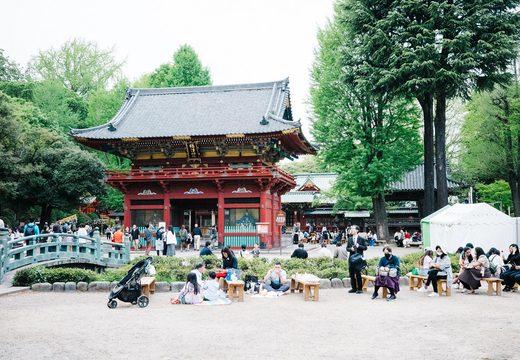
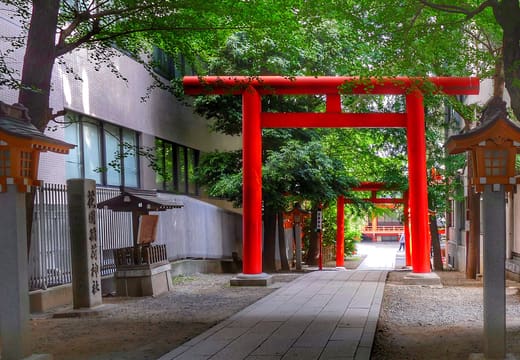
Smaller shrines are the relaxed alternative. Hie Shrine in Akasaka, Nezu Shrine in Yanaka and Hanazono Shrine in Shinjuku all draw locals, and there’s no Meiji-scale queue.
Timing tip. Hatsumode counts as long as it’s early in the new year, and most people go within the first week. An early morning visit on 2 or 3 January is calm by comparison, and you still get the atmosphere, the New Year decorations, the stalls and families in their best clothes.
Getting around on New Year’s Eve
Train plans are announced in December. For the 2025 to 2026 New Year, JR East ran trains through the night on six Tokyo lines, including the Yamanote, the Chuo Rapid and the Chuo-Sobu local line, and Keio and Keisei also ran all night. Tokyo Metro, the Toei subway and Odakyu didn’t, and ran weekend timetables instead. Don’t rely on a late train until you’ve checked the 2026 to 2027 arrangements.
What’s open and what closes
Tokyo quietens sharply from 31 December to 3 January:
- Museums and gardens usually close for several days around the New Year. Check before you go.
- Many independent restaurants close from 31 December to 3 January or longer. Hotel restaurants, chains, convenience stores and restaurants in big stations stay open.
- Department stores usually close on 1 January and reopen on 2 January with fukubukuro, sealed lucky bags sold at a discount, which draw queues at opening time.
- The Imperial Palace holds its New Year greeting on 2 January, when the Emperor and the Imperial Family appear on a palace balcony several times through the late morning and early afternoon, and the public can enter the palace grounds. The Imperial Household Agency publishes the timetable in advance.
Plan the first three days around shrines, walks and the few things that stay open, and save shopping and museums for later in the trip. The Tokyo in winter guide and the winter illuminations guide, several of which stay lit into January, cover the rest of the season.
What to wear and bring
Nights around New Year are cold, often near freezing after midnight, and it’s usually dry. Wear layers, gloves and comfortable shoes, because you’ll be standing in long outdoor queues at the big shrines. Carry some coins for offerings and cash for the stalls.
Where to eat
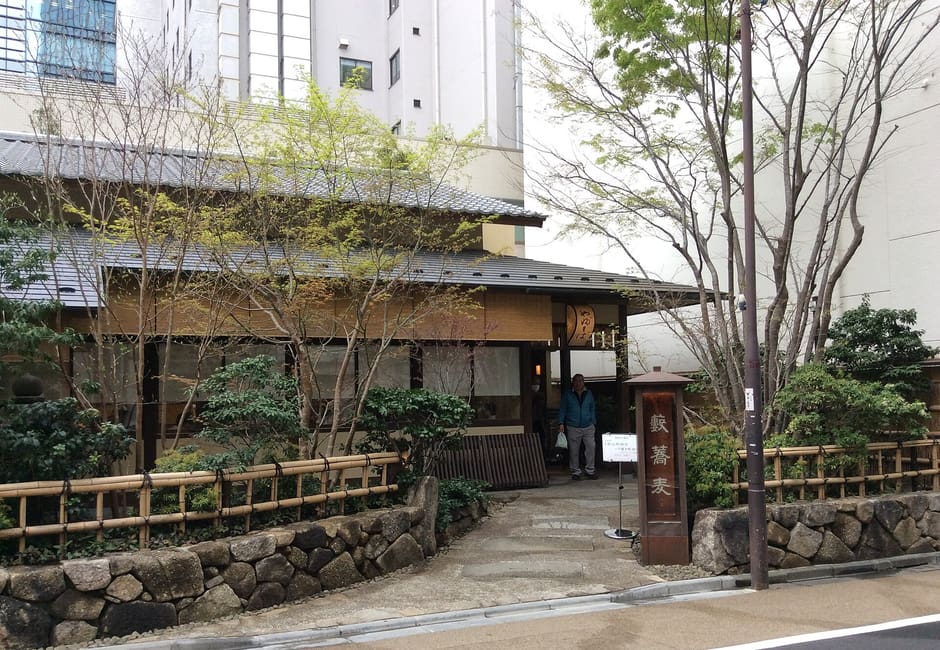
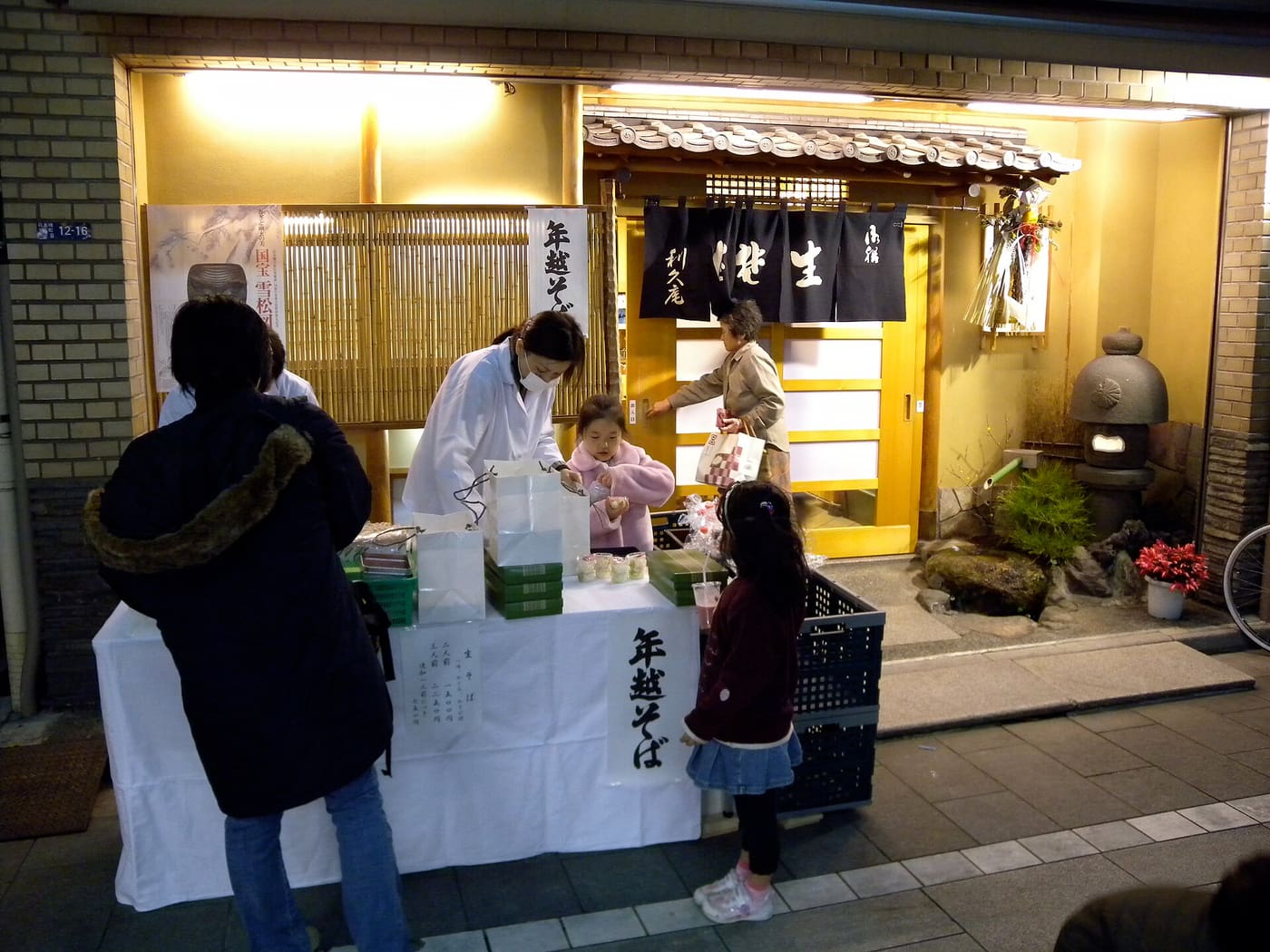
Toshikoshi soba, buckwheat noodles eaten on New Year’s Eve for a long life, is the traditional dinner on the 31st, and soba shops are busy that evening. Kanda Yabu Soba near Kanda Myojin is one of the city’s historic soba houses, though it sets its holiday dates each year. On the first days of January, the food stalls at Senso-ji and Meiji Shrine are your easy option, alongside the station food halls.
Where to stay for New Year
Choose by which shrine or temple you plan to visit, and book early, since New Year week is a busy one for Tokyo hotels. From the weekly hotel price index (sampled 29 September 2026, a two-night stay a month out, so holiday prices will be higher):
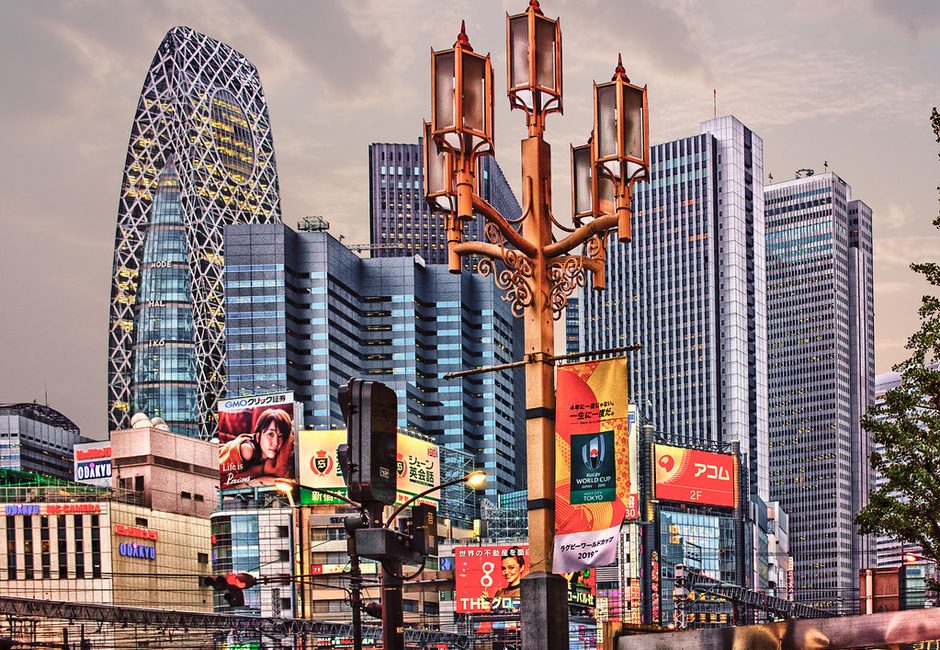
- Harajuku (US$277) or Shinjuku (US$274) for Meiji Shrine. Shinjuku has the most rooms and sits on the JR lines that have run all night in recent years. See the Shinjuku where to stay guide.
- Asakusa (US$239) for Senso-ji, with the temple a short walk away at any hour. See the Asakusa where to stay guide.
- Ginza (US$403) for Zojo-ji and the Imperial Palace. See the Ginza where to stay guide.
Open the Tokyo travel map with your dates to compare live prices, and check the events calendar for what’s on in the first weeks of January.
Frequently Asked Questions
What do people do on New Year’s Eve in Tokyo?
Most spend it quietly with family, eating toshikoshi soba, then go to a temple to hear the joya no kane bells at midnight or to a shrine for the first prayers of the year. There’s no big public fireworks countdown in central Tokyo.
Where is the best place for hatsumode in Tokyo?
Meiji Shrine is the biggest, with around three million visitors in the first three days of January. Senso-ji is the most atmospheric for food stalls. Smaller shrines such as Hie Shrine and Nezu Shrine are calmer.
Is Tokyo open on 1 January?
Partly. Shrines, temples, convenience stores, chains and hotel restaurants are open, but most museums, many independent restaurants and most department stores close. Department stores usually reopen on 2 January.
Do trains run all night on New Year’s Eve in Tokyo?
Some do. For the 2025 to 2026 New Year, JR East ran all night on six lines including the Yamanote, as did Keio and Keisei, while Tokyo Metro and Toei didn’t. Plans for 2026 to 2027 are announced in December.
Is there a New Year countdown at Shibuya Crossing?
No official one. Shibuya has cancelled its countdown event for several years in a row, and in recent years it’s banned drinking in public around the station on New Year’s Eve.
Places in this guide
Photos show the actual places, licensed under Creative Commons and credited to their photographers.
Find hotels in Tokyo
Browse live availability and compare prices for your dates.