Tokyo Winter Illuminations 2026 to 2027: Best Light-Ups and Dates
The best Tokyo winter illuminations for the 2026 to 2027 season: Marunouchi, Roppongi Hills, Tokyo Midtown, Ebisu's Baccarat chandelier, Shibuya's Blue Cave, Meguro River and Yomiuriland, with dates, routes, and where to stay.
From early November to February, Tokyo’s business and shopping districts string their street trees and plazas with millions of LEDs. Almost all of it is free, most of it is within a few subway stops of Tokyo Station, and the season peaks from late November to Christmas, when every display is running at once.
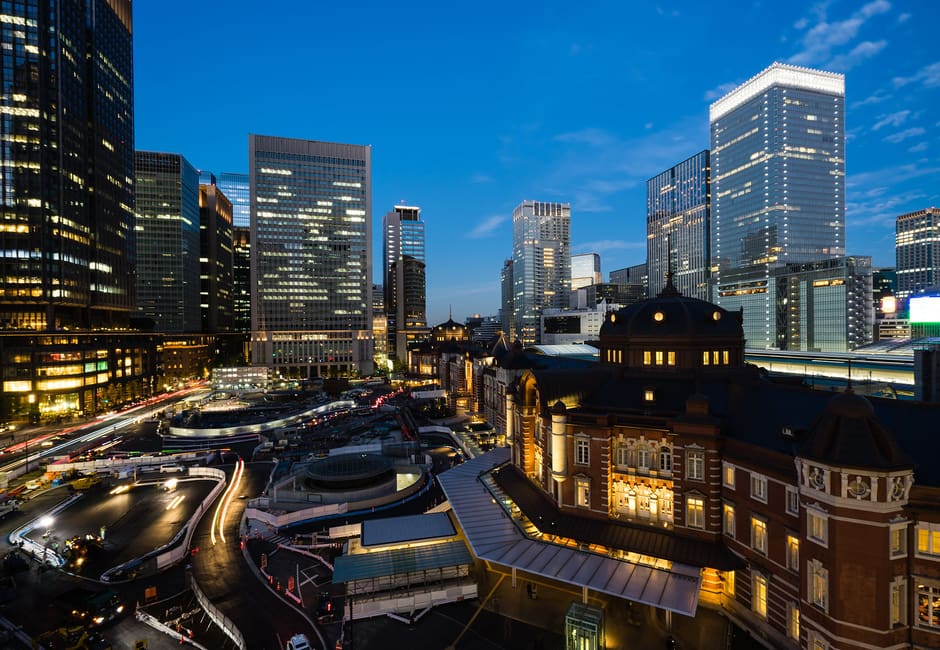
Here’s the short list. Marunouchi’s Naka-dori for elegance, Roppongi Hills’ Keyakizaka for the Tokyo Tower view, Tokyo Midtown next door for a light show, Yebisu Garden Place for its giant Baccarat chandelier, Shibuya’s Blue Cave for spectacle in December, and Yomiuriland if you’d rather have a full theme-park night out of town.
A word on dates. At the time of writing, Yomiuriland had confirmed its 2026 to 2027 season (29 October 2026 to 4 April 2027), and Marunouchi had confirmed 12 November 2026 to 14 February 2027. The other city-centre displays announce their dates in autumn, so the dates below are last season’s unless they say otherwise, and most of these displays follow a similar calendar each year. Check each organiser’s site before you plan a night around one, and keep an eye on the events calendar as dates are confirmed.
Marunouchi Illumination
The street trees along Marunouchi Naka-dori, the quiet boulevard of flagship stores between Tokyo Station and Yurakucho, are wrapped in champagne-gold lights for about 1.2 km. It’s the most refined display in the city and the easiest to fit into any evening. Marunouchi Illumination 2026 runs from Thursday 12 November 2026 to Sunday 14 February 2027, its 25th year. The 2026 lighting hours weren’t published at the time of writing. Last season was lit from 5 PM to 11 PM (to midnight in December). Free.
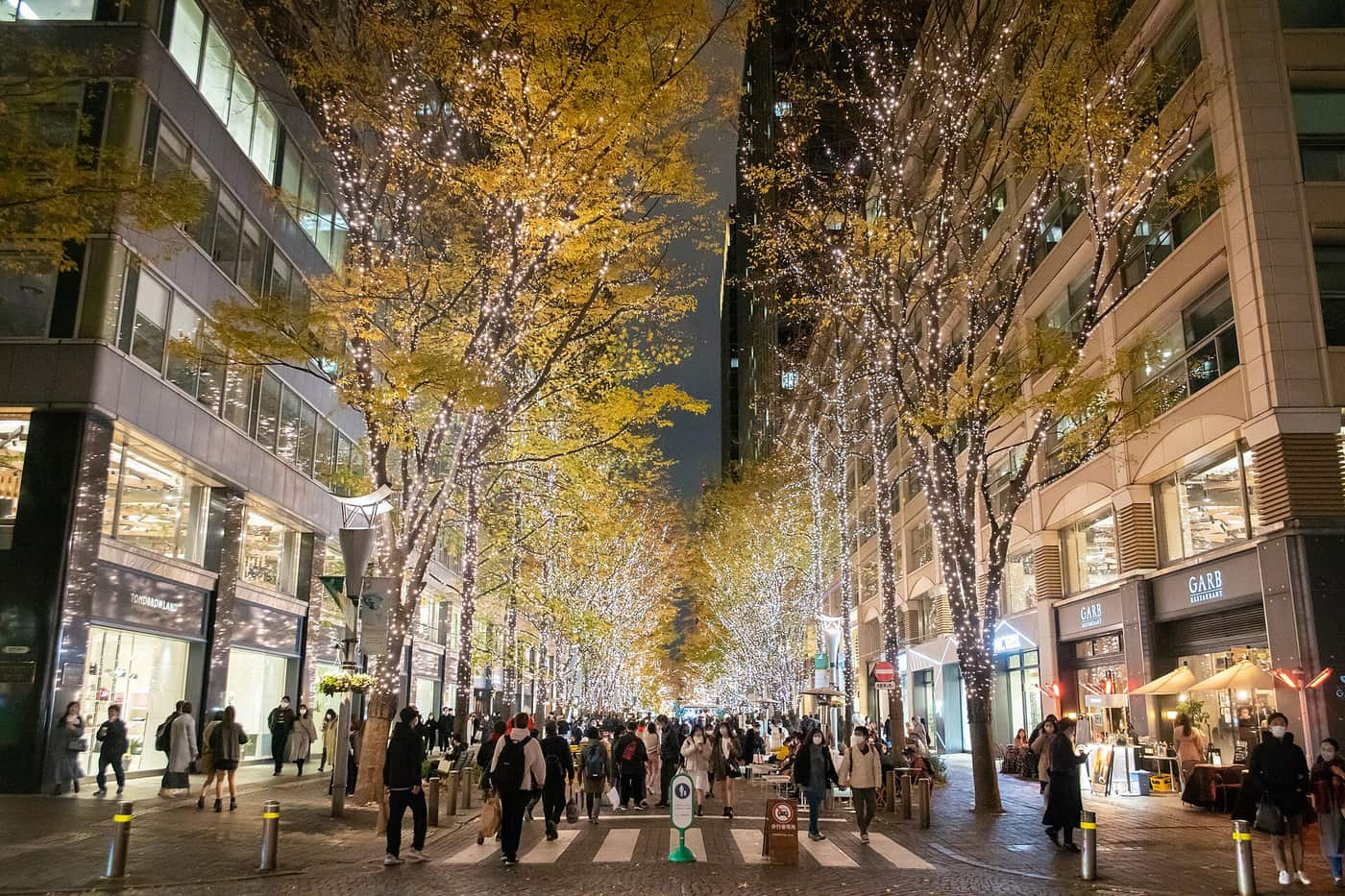
How to see it. Start at Tokyo Station’s Marunouchi side, go up to the rooftop garden at KITTE Marunouchi for the view over the lit station building, then walk Naka-dori south towards Yurakucho. The Ginza neighbourhood guide picks up where the lights end.
Roppongi Hills Keyakizaka
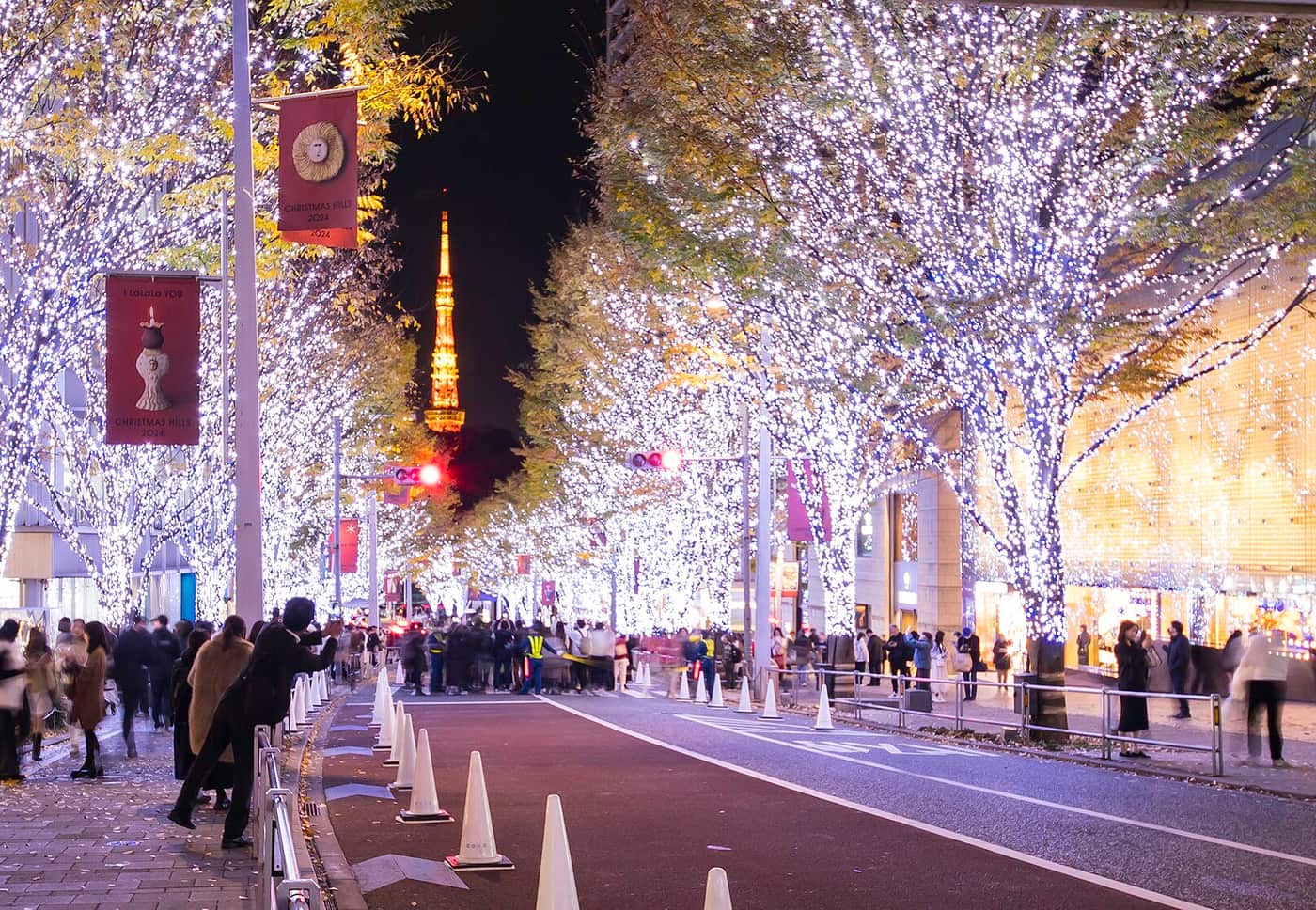
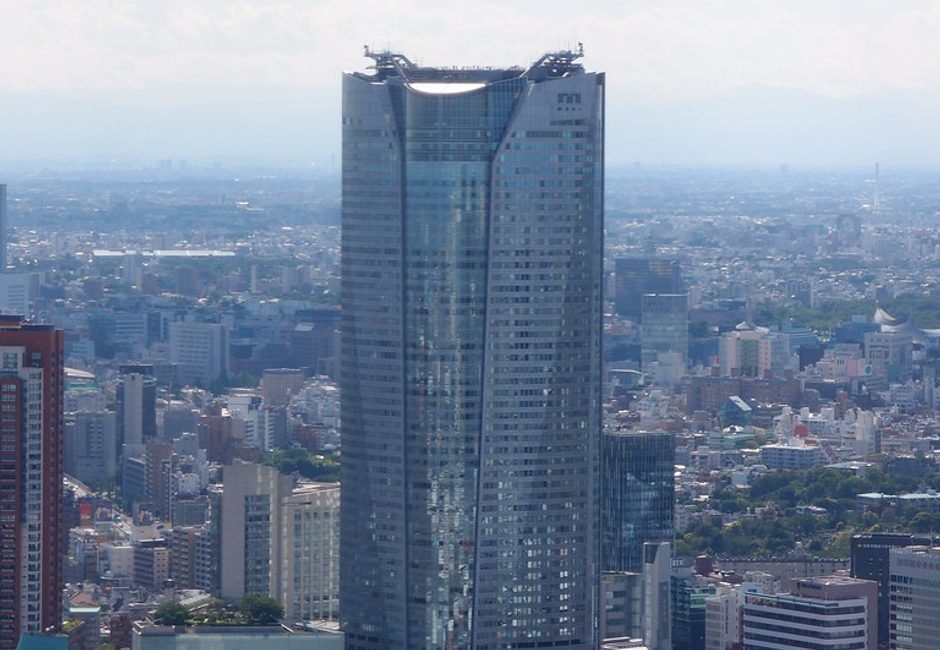
Keyakizaka-dori, the sloping street below Roppongi Hills Mori Tower, is lined with zelkova trees in white and blue lights, with Tokyo Tower glowing at the far end. It’s one of the most photographed illumination views in Tokyo. Last season ran 4 November to 25 December 2025, 5 PM to 11 PM. Free.
How to see it. Stand at the top of the slope and look downhill towards the tower. Weekday evenings are calmer, and you won’t get much room on the pavement on December weekends.
Tokyo Midtown
Tokyo Midtown is a ten-minute walk from Roppongi Hills, and its lawn hosts a light show through the Christmas season, with a lit walkway that stays up longer. Last season the show ran 13 November to 25 December 2025 and the walkway lights stayed on until 23 February 2026. Free. Pair it with Keyakizaka and you’ve got both in one Roppongi evening. The Roppongi neighbourhood guide covers the area.
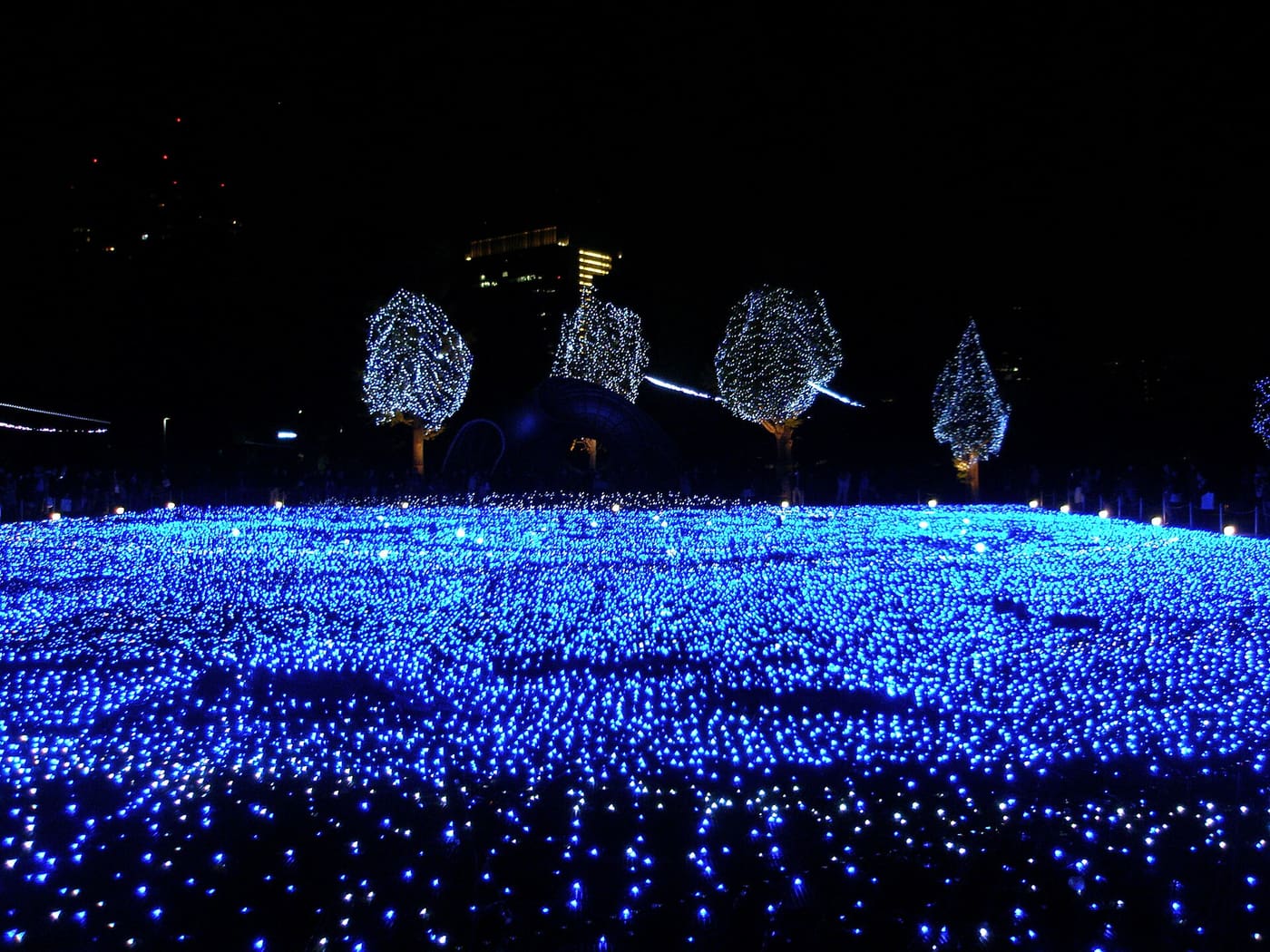
Yebisu Garden Place: Baccarat Eternal Lights
The central plaza of Yebisu Garden Place hangs one of the largest Baccarat crystal chandeliers in the world, about 5 m tall with around 8,500 crystal parts and 250 lights. Last season it was on display from 8 November 2025 to 12 January 2026, lit from 11 AM to 11 PM. Free.
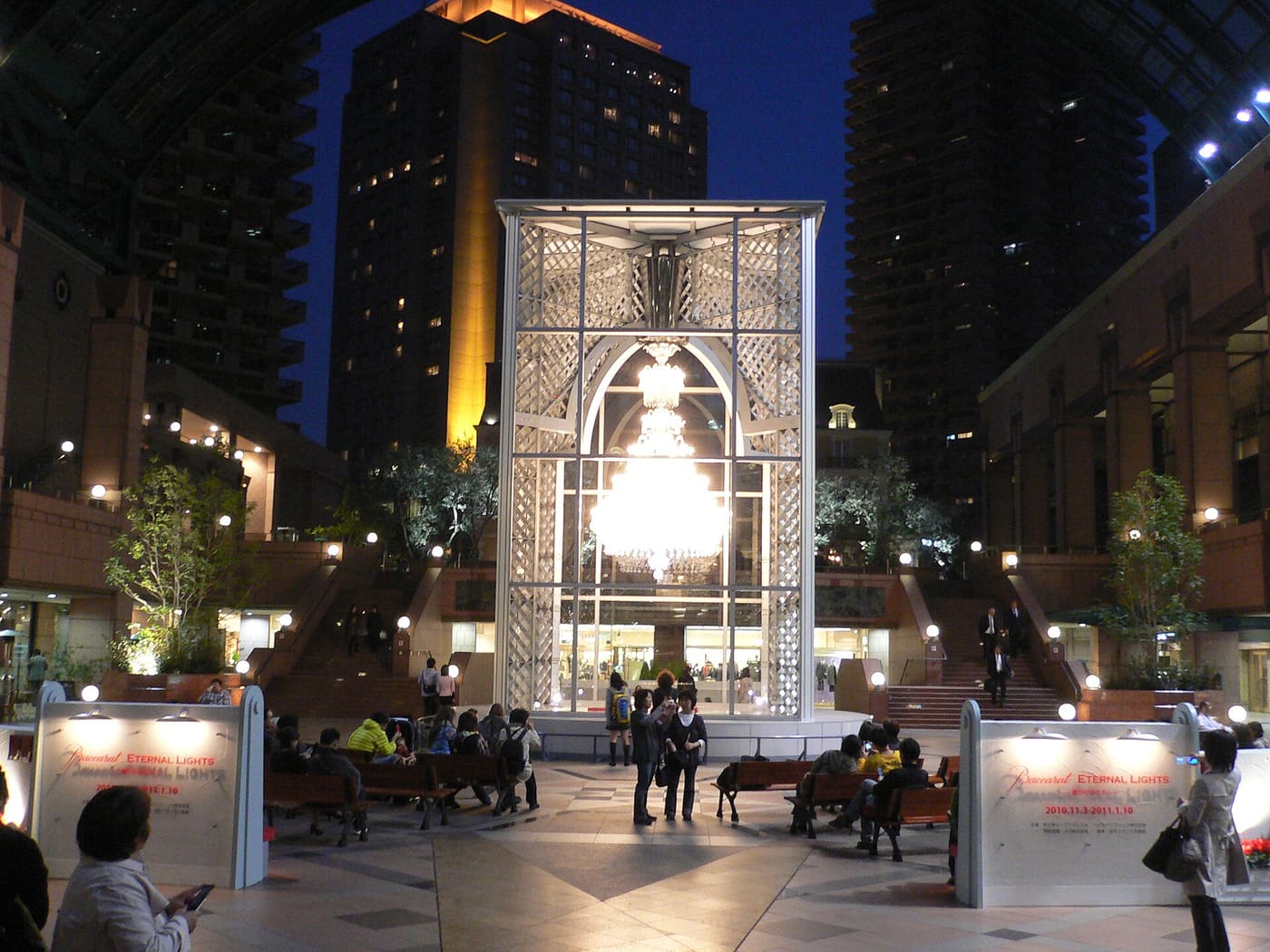
How to see it. Come at sunset, ride up to the free observation floors at Yebisu Garden Place Tower for the city view, then come down for the chandelier after dark. If you’re staying for dinner, the Ebisu neighbourhood guide has ideas.
Ao no Dokutsu (Blue Cave) Shibuya
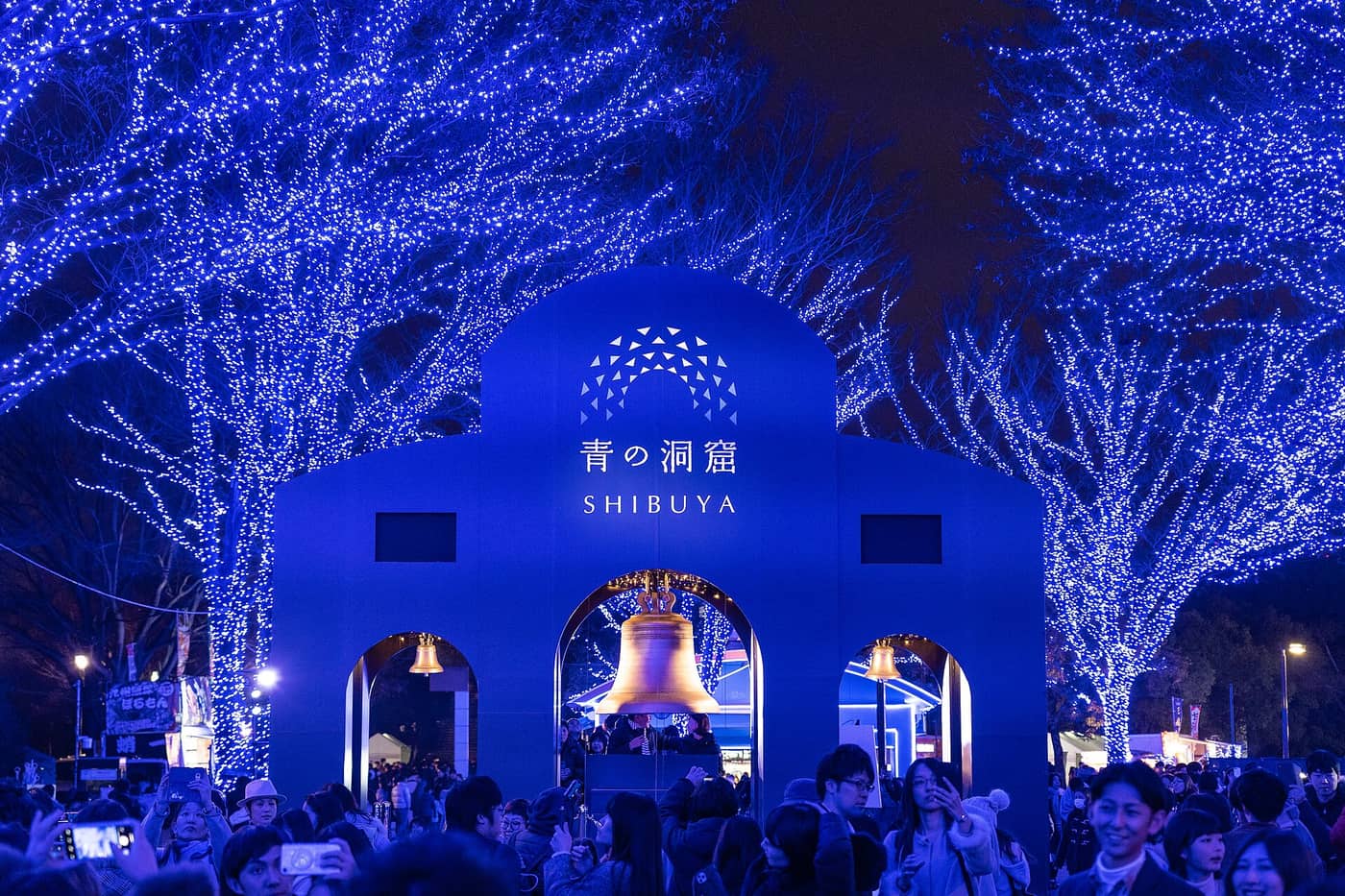
For about three weeks in December, some 500,000 blue lights turn the roughly 900 m stretch from Shibuya’s Koen-dori to the zelkova avenue by Yoyogi Park into a glowing blue tunnel. Last season it ran 4 to 25 December 2025, 5 PM to 10 PM. Free. It’s packed on weekend nights, so go on a weeknight or get there right at 5 PM. The Shibuya neighbourhood guide covers the rest of the district.
Meguro River Minna no Illumination
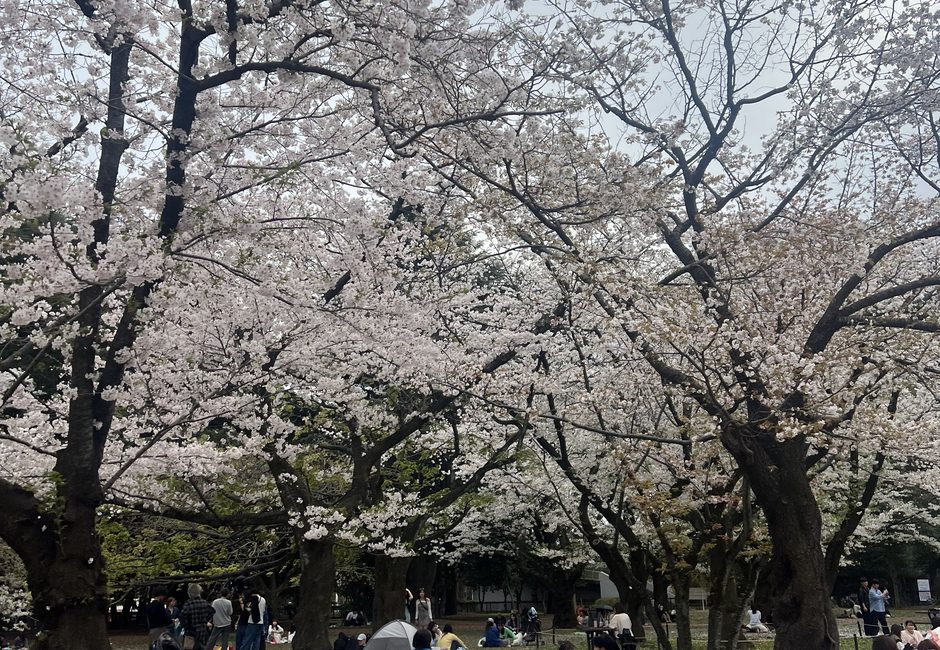
South of the famous Nakameguro cherry stretch, the Meguro River between Osaki and Gotanda is lined with about 390,000 pink LEDs across roughly 2.2 km of both banks, a “winter cherry blossom” that reflects in the water. Last season it ran 5 December 2025 to 31 January 2026, 5 PM to 10:30 PM. It’s free, and it’s usually calmer than the city-centre displays.
Caretta Shiodome
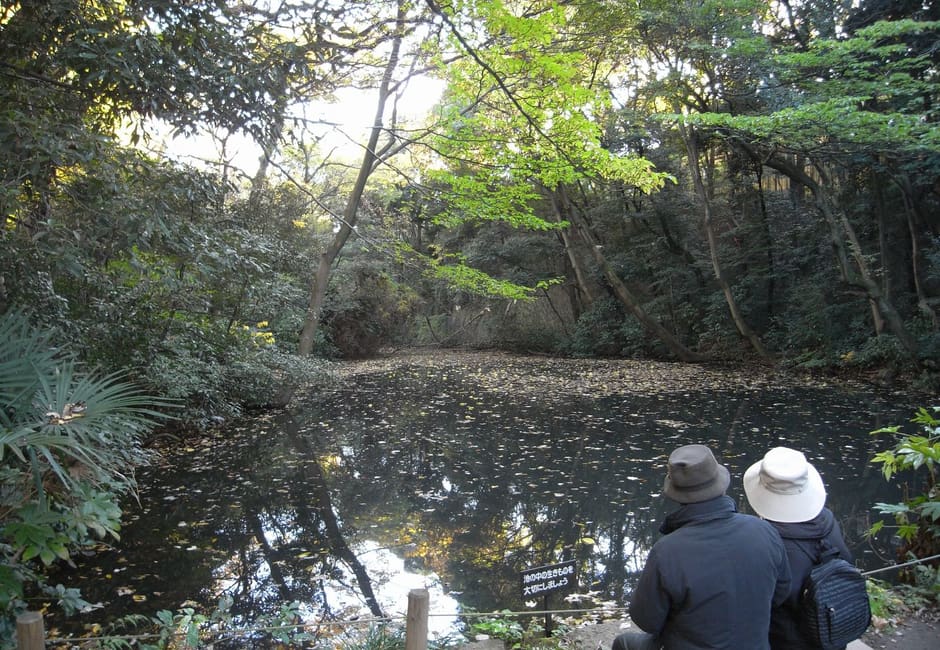
The Caretta Shiodome complex by Shiodome Station fills its plaza with around 45,000 lights and stages a light and projection show through the Christmas season. Last season the illumination ran from 1 November 2025, with the lights staying up until 28 February 2026. It’s free and close to Ginza.
Yomiuriland Jewellumination (out of town)
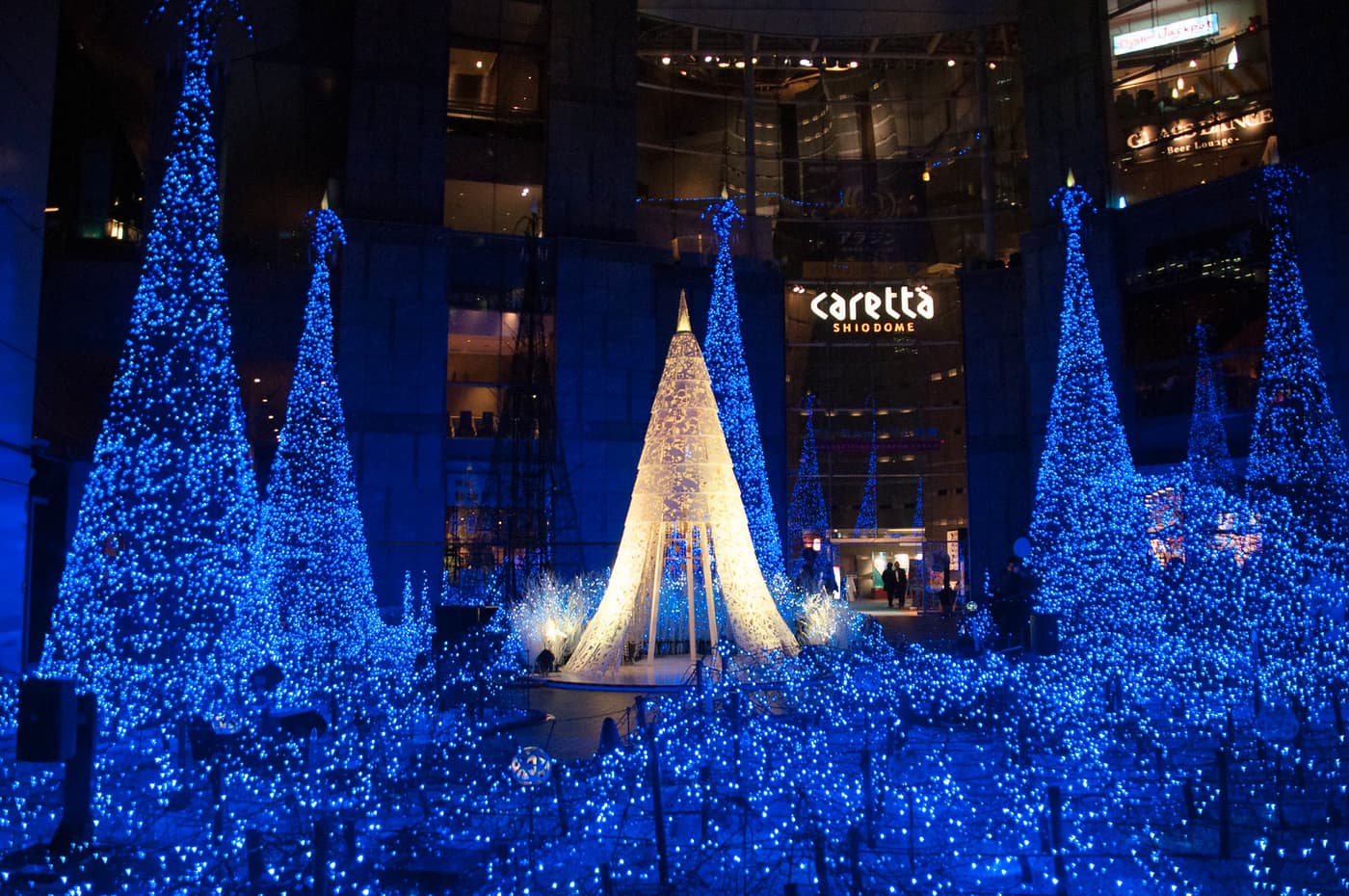
One of the largest illuminations in the Tokyo area is at Yomiuriland, an amusement park in Inagi in western Tokyo, reached by Keio Line trains from Shinjuku. The 2026 to 2027 edition, designed by lighting designer Motoko Ishii, runs from 29 October 2026 to 4 April 2027 (closed on park closure days), typically 4 PM to 8:30 PM, with hours varying through the season. Unlike the city displays it isn’t free, since you need park admission. It’s worth the trip if you want rides, fountain shows and lights in one night.
Planning an illumination night
- The best single evening is Marunouchi at 5 PM, then the subway to Roppongi for Keyakizaka and Midtown. You’ll find late dinner options in both districts.
- The best week is the first half of December, when nearly every display above is running and the Christmas rush hasn’t peaked yet.
- Crowds. Christmas Eve is a date night in Japan, and the popular displays are packed on 24 and 25 December. Weekday evenings are always calmer.
- Weather. December evenings in Tokyo are cold, often in single figures Celsius, and it’s usually dry. Bring gloves, because photographing lights is slow work. The Tokyo in winter guide covers the rest of the season.
Where to stay for the illuminations
Base yourself where you can walk to at least one display and reach the others in a few stops. From the weekly hotel price index (sampled 29 September 2026, a two-night stay a month out):
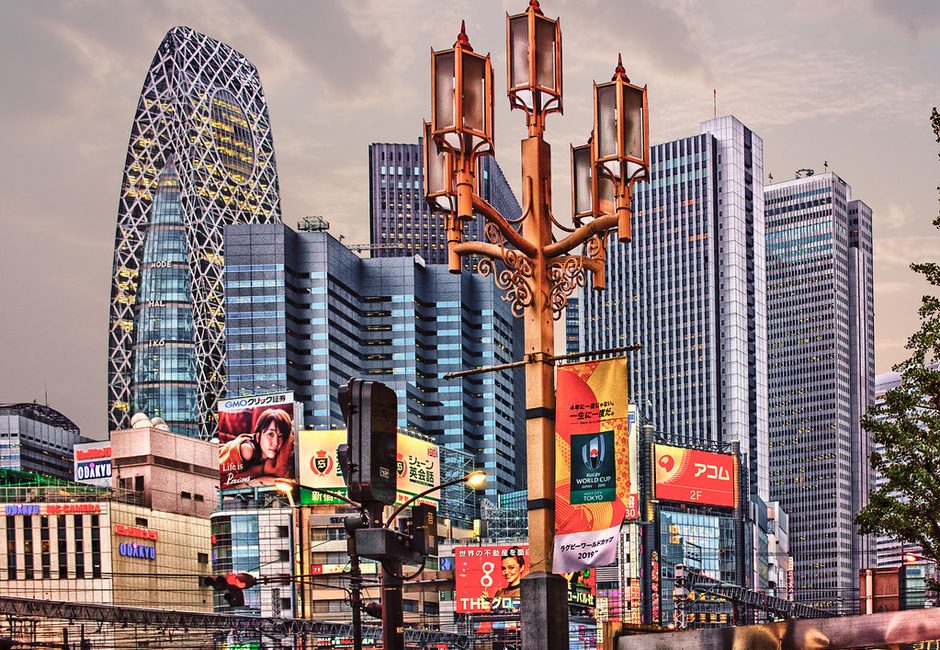
- Ginza (US$403) is walking distance from Marunouchi and Shiodome. The Ginza where to stay guide covers the options.
- Roppongi (US$294) puts Keyakizaka and Midtown on your doorstep.
- Ebisu (US$233) has the Baccarat chandelier and is one stop from Shibuya for the Blue Cave.
- Shinjuku (US$274) hasn’t got a major display of its own in this list, but it has the widest hotel choice and direct trains to Shibuya, Ebisu and Tokyo Station. See the Shinjuku where to stay guide.
Open the Tokyo travel map with your dates to compare live hotel prices near any of these.
Frequently Asked Questions
When do the Tokyo winter illuminations start?
The first displays switch on in late October and early November, and Yomiuriland’s 2026 to 2027 season starts on 29 October 2026. Most city-centre displays run from early or mid November. Several finish on 25 December and others continue into February.
Are Tokyo’s illuminations free?
The city-centre displays in this guide (Marunouchi, Roppongi Hills, Tokyo Midtown, Yebisu Garden Place, Shibuya’s Blue Cave, Meguro River, Caretta Shiodome) are free. Yomiuriland isn’t, because you need park admission.
What is the best illumination in Tokyo?
For one evening, Roppongi Hills’ Keyakizaka with the Tokyo Tower view and Marunouchi’s Naka-dori are the two classics. For scale, Yomiuriland’s Jewellumination is one of the largest in the Tokyo area.
When is the best time to see Tokyo’s Christmas lights?
The first half of December on a weekday evening, around 5 to 7 PM. Almost every display is running, and there’s less of a crowd than on Christmas Eve and Christmas Day.
Places in this guide
Photos show the actual places, licensed under Creative Commons and credited to their photographers.
Find hotels in Tokyo
Browse live availability and compare prices for your dates.