One Week in Tokyo: A 7-Day Itinerary That Actually Works
A day-by-day Tokyo itinerary for 7 days: the icons done properly, the neighbourhoods locals love, one day trip to Kamakura, and room to breathe.
Seven days is a generous amount of time in Tokyo, and most people still waste half of it criss-crossing the city, ticking off attractions that aren’t near each other, and treating the whole thing like a scavenger hunt. This itinerary does the opposite. It clusters each day by area, works through the icons in the right order, leaves one full day for getting out of the city, and builds in enough slack that the best parts, the ones that happen when you stop following a list, have room to happen.
Daniel’s Tokyo is the west side, and after years of time in the city he still doesn’t feel like he’s finished it. Seven days won’t finish it either. But it’ll introduce you to the real thing rather than the postcard version.
Every place mentioned on this site is pinned on the interactive Tokyo travel map. Use it to find your way around, save places, and see what’s nearby wherever you happen to be.
Before you go: three things that matter
Get an IC card first. Suica or Pasmo, from any airport machine or added to your phone wallet before you land. Tap in, tap out. It works on every train and bus and at most convenience stores. Don’t buy paper tickets.
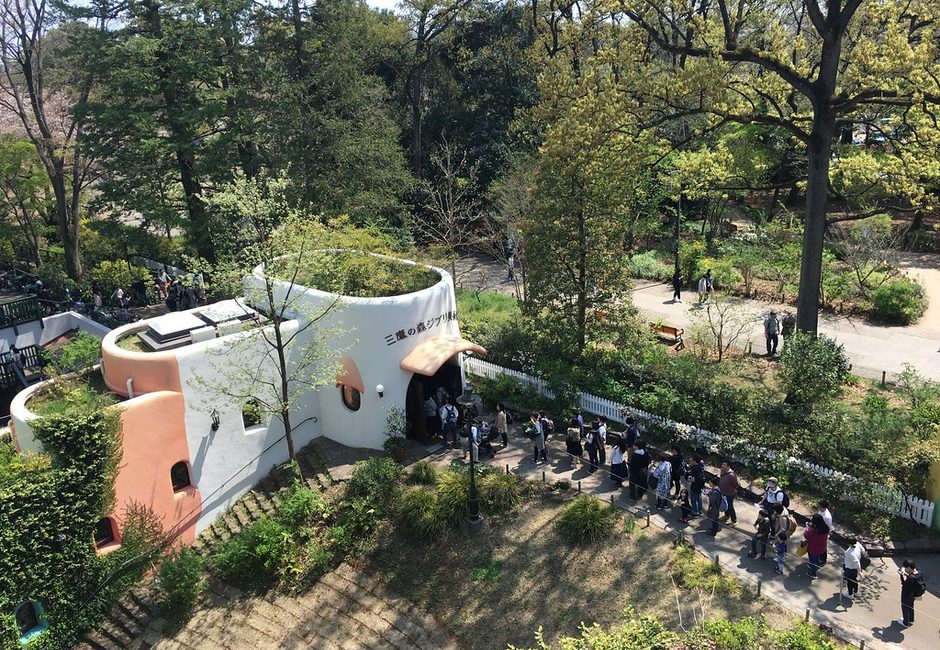
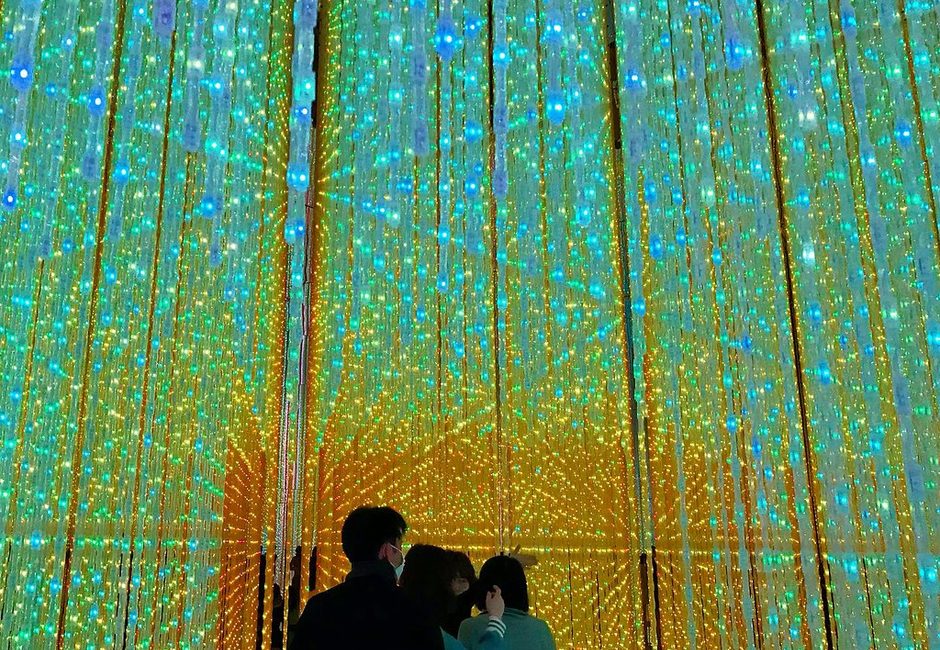
Book the high-demand tickets now, not when you arrive. Ghibli Museum tickets go on sale on the 10th of each month for the following month and sell out within the hour. teamLab Planets is popular enough to sell out peak dates too. If either is on your list, sort it before you finalise your flights.
Plan by neighbourhood, not by attraction. Tokyo is enormous, and its neighbourhoods are distinct enough that each one rewards a full day. Combine Senso-ji in the morning with Shibuya in the afternoon and Roppongi in the evening and you’ll spend six hours on trains and arrive everywhere too tired to enjoy it. Pick an area, go deep, and let the rest happen.
Where to base yourself for this itinerary
Days 1, 5 and 7 are on the east side of the city, days 2, 3 and 6 are west, and day 4 leaves town from the south. No single base is next to everything, so pick the one whose compromises you can live with.
Shinjuku is the neutral choice. Every day on this plan starts under 30 minutes away, the day-2 morning is on foot, the Odakyu line for Shimokitazawa leaves from the station, and the hotel supply is the deepest in Tokyo. Book the west side (Nishi-Shinjuku) rather than Kabukicho, unless you want to sleep inside the nightlife. The Shinjuku hotel guide has the exits and the picks.
Asakusa if the day-1 dawn temple and a quiet ryokan night matter more to you than being central. This week’s median on the price index is US$239 a night against US$274 in Shinjuku, the Ginza Line gets you to Shibuya in about half an hour, and the neighbourhood is asleep by nine, which after a long flight is a feature. The Asakusa hotel guide covers ryokan, business hotels and the blocks by Senso-ji.
The full comparison of every area is in where to stay in Tokyo, and the weekly hotel price index shows live nightly medians by neighbourhood, so you can see what the choice costs this week. Then put your dates into the Tokyo travel map and use Search this area for hotels over the base you pick. Every price pill quotes those dates.
Day 1: Land and orient (Asakusa)
You’ll probably land exhausted and slightly bewildered. That’s fine. Asakusa is the right place to start. It’s compact and walkable, the history is right there in the streets, and it’s at its best first thing in the morning.
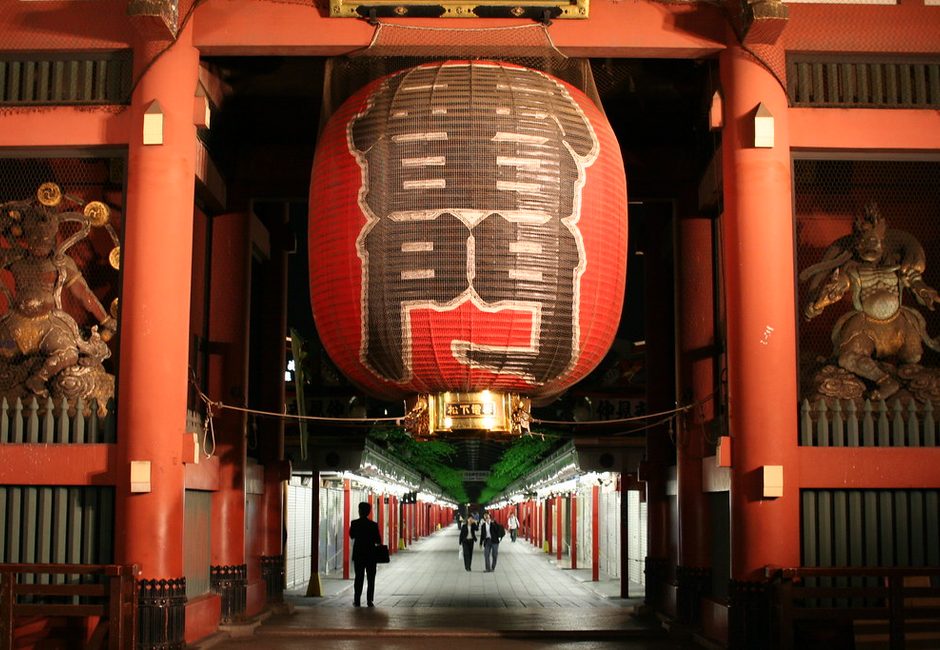
The morning move. Get to Senso-ji before 8am. Tokyo’s oldest temple at dawn means incense smoke, monks, and almost nobody else. Walk the empty Nakamise shopping arcade, buy taiyaki from the first stall that opens, and watch the neighbourhood wake up. The same route at 10am is a different and much worse experience.
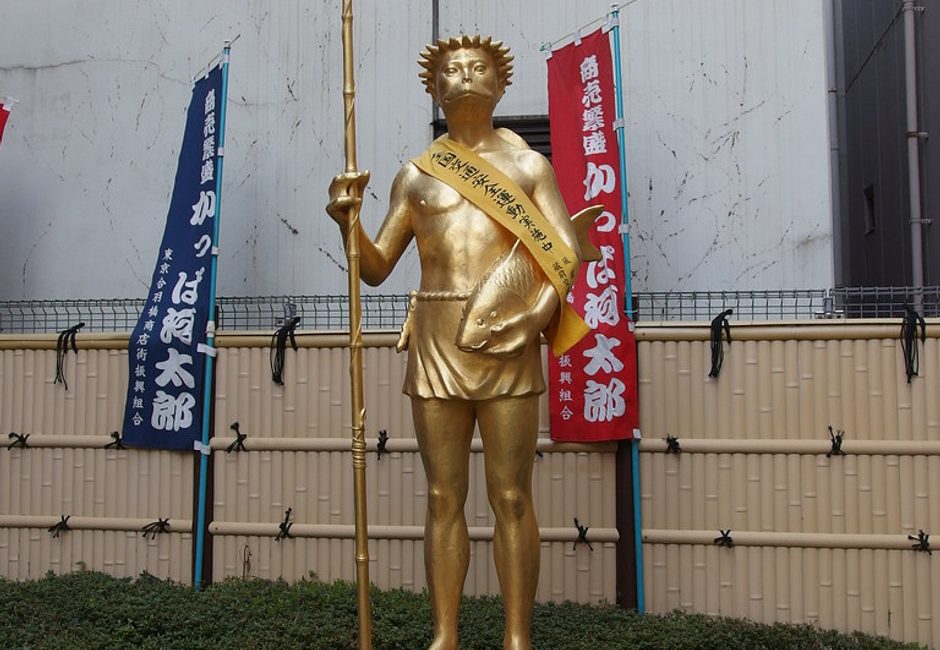
After the temple, drift west through the backstreets to Kappabashi Kitchen Town, ten minutes’ walk to a long street of shops selling hand-forged knives, plastic food displays, and every piece of kitchen equipment you didn’t know existed. Kamata will engrave a knife while you wait. Most Kappabashi shops close on Sundays.
Lunch. Come back past the temple to Hoppy Street for beef tendon stew and a daytime beer at an outdoor table. It’s a perfectly legitimate Tokyo activity.
Afternoon. Follow the Sumida River and cross towards the Skytree, watching the tower grow as you get closer. You don’t need to pay for the observation deck on day one. The free view from the base and the river walk are the real experience.
Evening. Back in Asakusa, find a basement izakaya, order beer and yakitori, and sleep early. You’ll be awake at 5am tomorrow whatever you do.
Day 2: West side (Shinjuku and Shimokitazawa)
The west side of Tokyo is where most people live and where most visitors never quite reach. Today fixes that.
Morning in Shinjuku. Start at Shinjuku Gyoen, a park that earns its ¥500 entrance fee. It opens at 9am and closes on Mondays (except in cherry blossom season), so swap days if day two lands on one. In spring it’s the calmest good cherry blossom spot in the city, and in any season it’s a real breather.
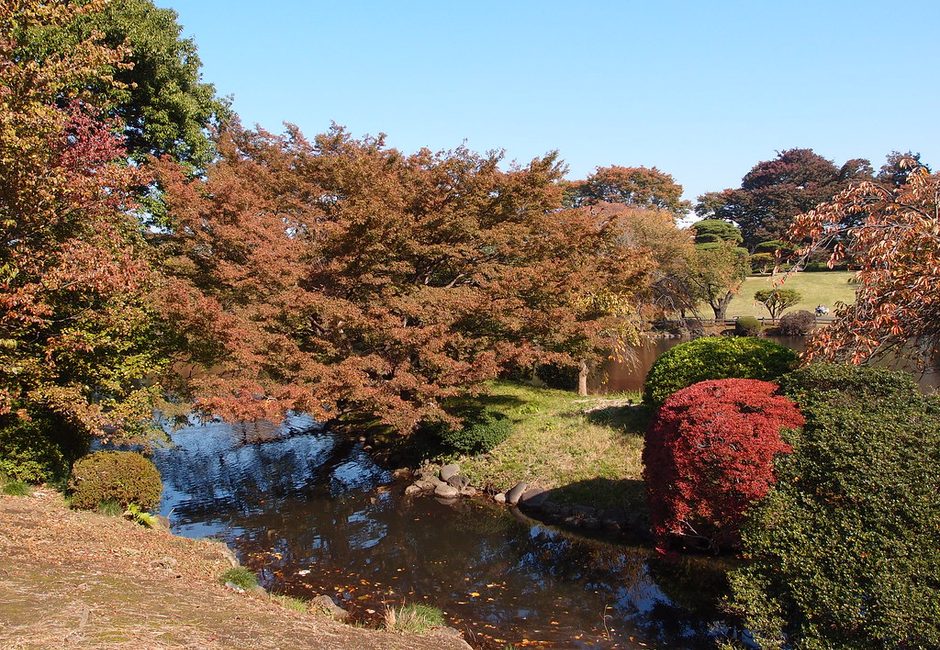
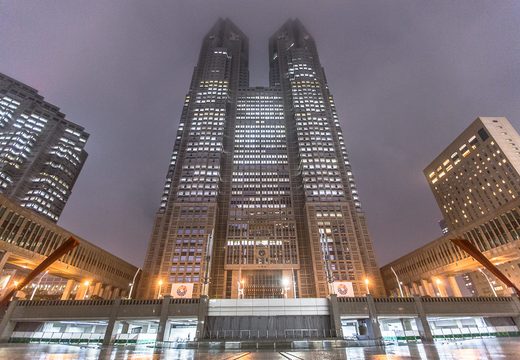
After the park, walk to the Tokyo Metropolitan Government Building for the free observation deck at 202 metres. Fuji sits on the horizon on clear mornings. It’s a better view than most of the paid decks in the city. The Shinjuku neighbourhood guide covers the ward if you want to come back in the evening.
Lunch is at Fuunji nearby. Tsukemen, dipping ramen, in a form that resets your idea of what ramen can be.
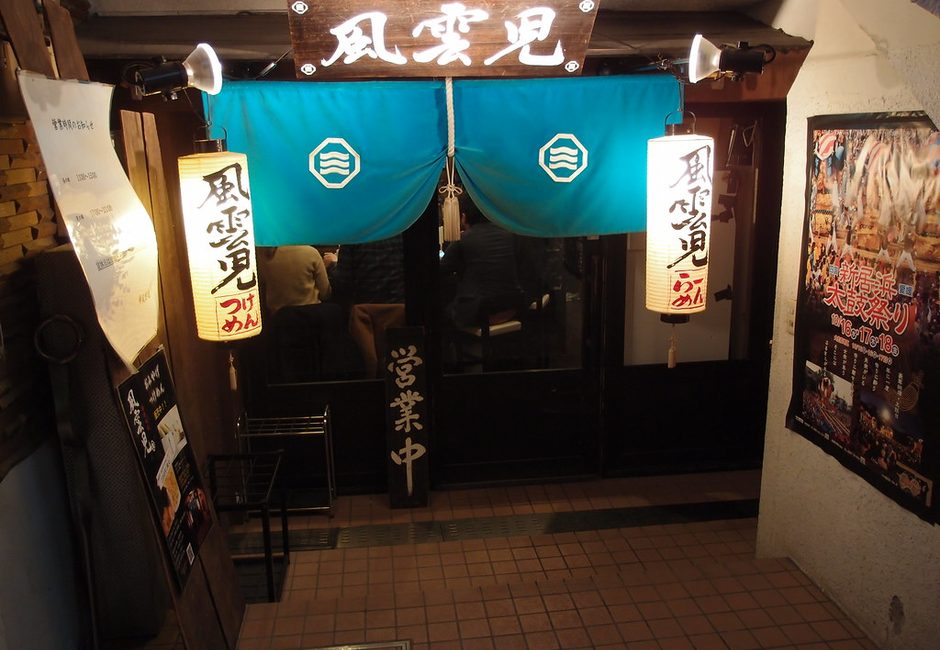
Afternoon and evening in Shimokitazawa. About ten minutes on the Odakyu line and you’re in a completely different city. Shimokita runs on its own schedule. Record stores and vintage shops, curry counters and espresso bars, live music that starts at nine. Start with Sidewalk Coffee Roasters, work through the vintage shops, have curry for an early dinner, and be here at sunset when the bars get going. Daniel knows it well. It’s a short ride from his corner of Tokyo in Sasazuka.
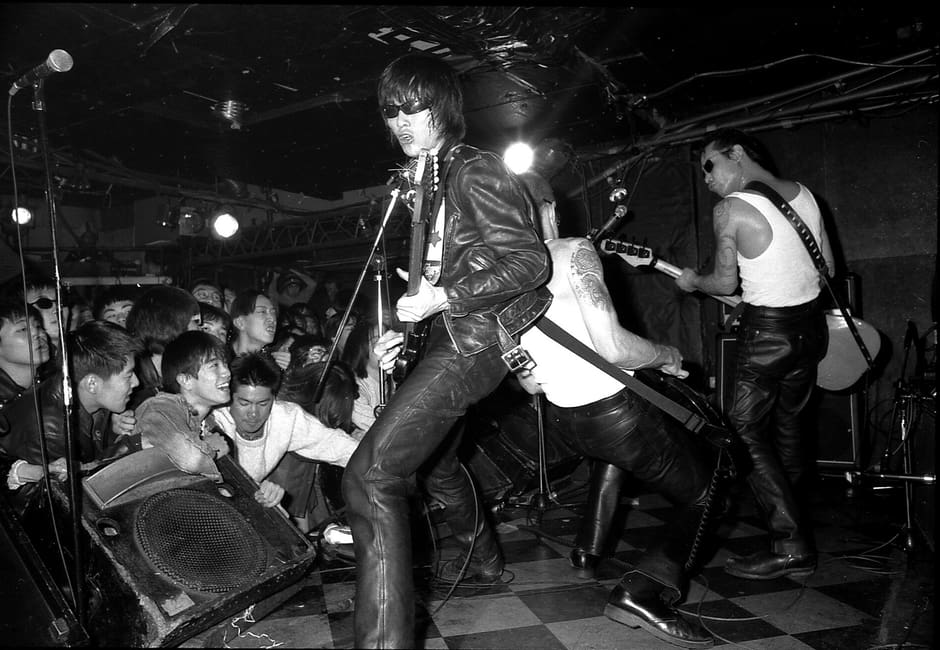
End the night at one of the live houses, Shelter or Garage, whoever’s playing. The door price usually includes a drink.
Day 3: Art and Roppongi
Roppongi has a reputation that makes most visitors either avoid it or turn up only at midnight. Both are mistakes. The neighbourhood holds the densest concentration of serious art in Japan, and a daytime visit is one of the best days you’ll spend in Tokyo.
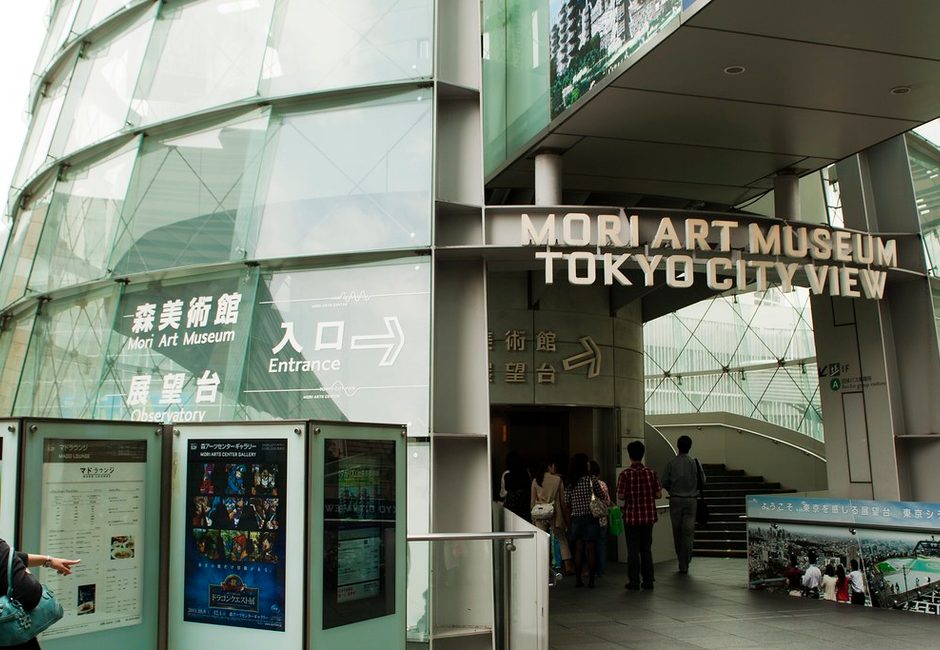
Roppongi’s art triangle is a full day built around three world-class institutions. Start at the Mori Art Museum at the top of Mori Tower, contemporary blockbusters on the 53rd floor, with observation deck access on your ticket. Walk through Roppongi Hills and across to 21_21 Design Sight in Midtown Garden, where Issey Miyake and Tadao Ando built a design museum half-buried underground. Then the National Art Center, which has no permanent collection, just a rolling slate of huge exhibitions inside a glass wave facade. Avoid Tuesdays, when 21_21 and the National Art Center close. The Nezu Museum closes on Mondays.
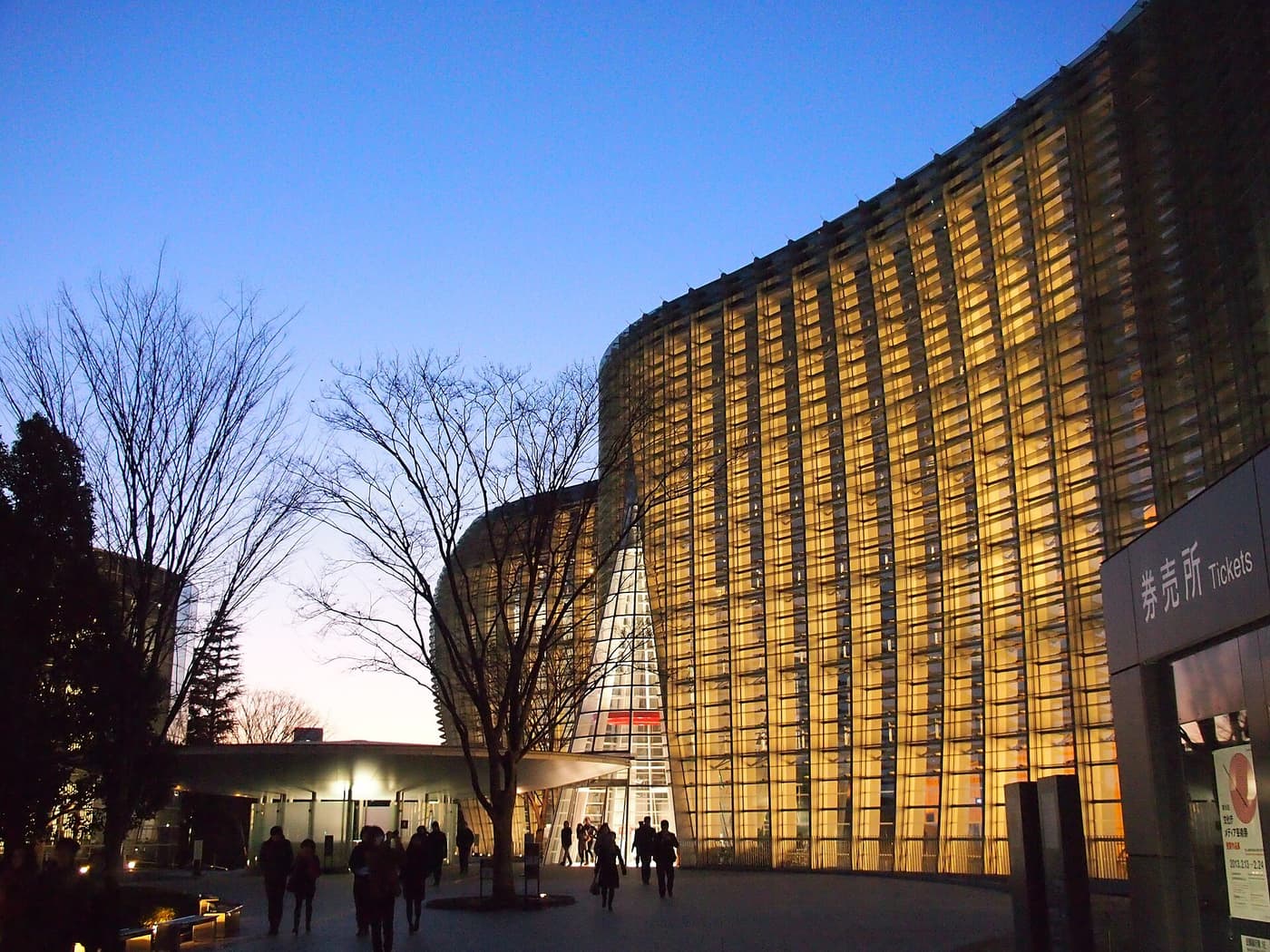
If your feet still have it in them, a 20-minute walk through Aoyama brings you to the Nezu Museum, pre-modern Asian art behind a Kengo Kuma bamboo entrance, with the best small garden in central Tokyo.
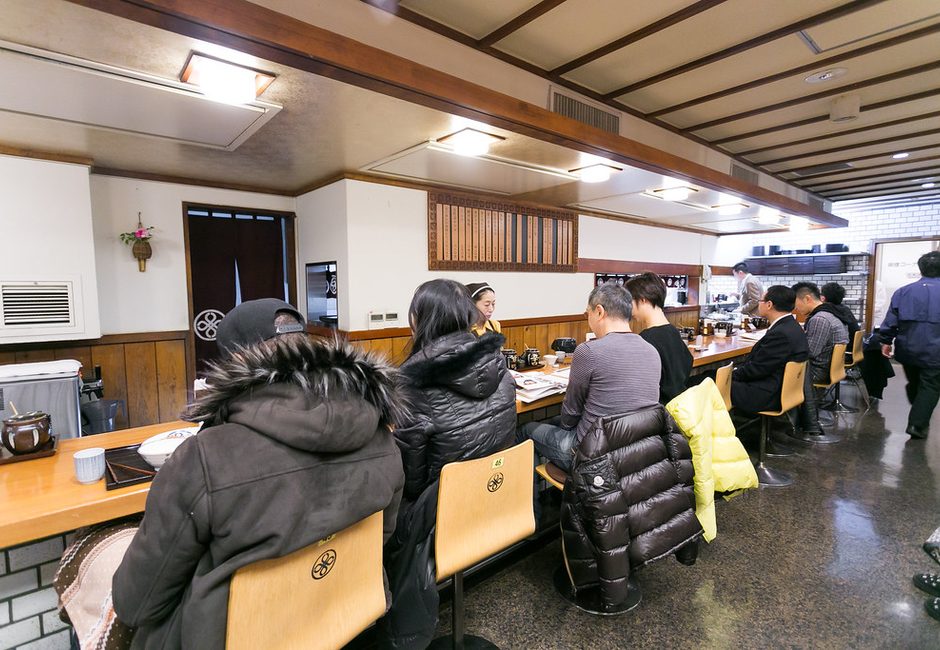
Finish at Tonkatsu Maisen in Aoyama, a converted public bathhouse serving kurobuta tonkatsu. There’s a queue, and it’s there for a good reason.
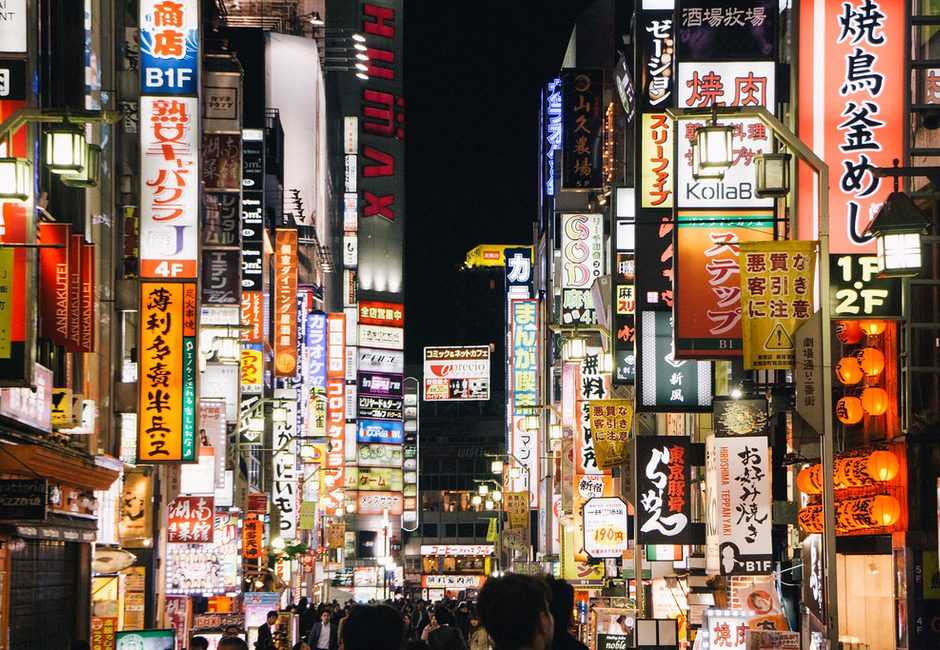
The neighbourhood has a different energy in the evening. Neon, karaoke buildings, the kinds of bars that don’t exist in daylight. Take one walk through, even if you don’t go inside anything.
Day 4: Day trip to Kamakura
One day out of the city, and Kamakura is the right choice for a first visit. An hour south on the JR Yokosuka line and you get the Great Buddha, Zen temples in wooded valleys, a working beach town, and the rattling Enoden tram along the coast. The Kamakura place page has the train details.
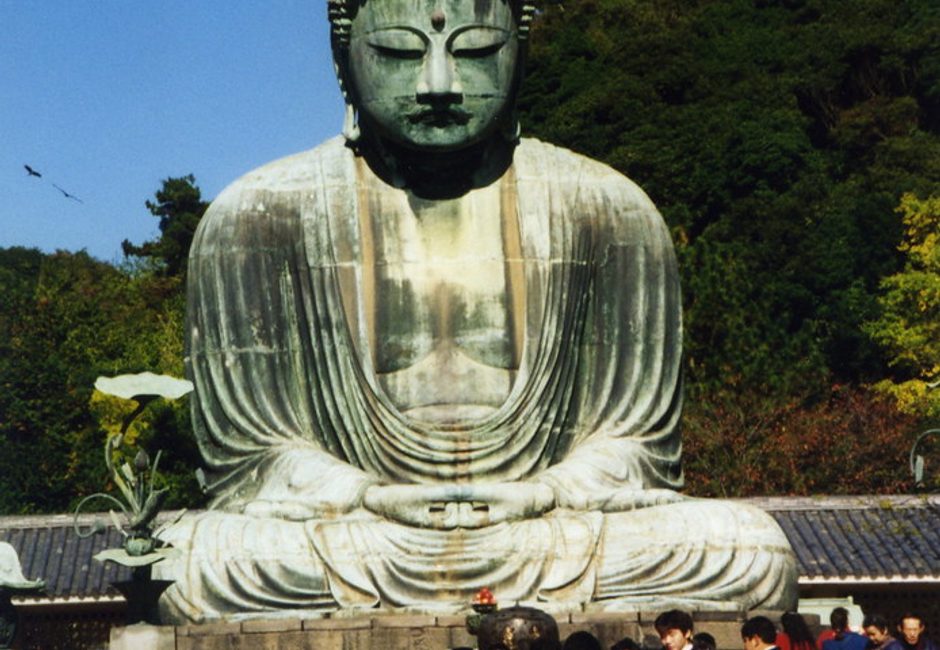
The move. Train to Kamakura station, walk Komachi-dori while it’s still calm, then head to Kotoku-in, where the Great Buddha sits in the open air, either over the ridge on the Daibutsu hiking trail (check first, it has had long closures after typhoon damage) or three stops on the Enoden to Hase. Walk on to Hase-dera on the hillside, then ride the Enoden coastal tram all the way to Enoshima if you’d like an afternoon by the sea. The Kamakura day trip guide has the timed route.
Avoid summer weekends, when half of Tokyo has exactly the same plan. And don’t combine this with any other day trip. The point is to breathe different air for a full day, and stacking transport defeats it.
For all the day trip options and how to choose between them, the day trips from Tokyo guide lays them out.
Day 5: Old Tokyo (Yanaka, Nezu, Kagurazaka)
Today is the day that separates good Tokyo itineraries from great ones. None of it needs a museum ticket or a queue. All of it is walking.
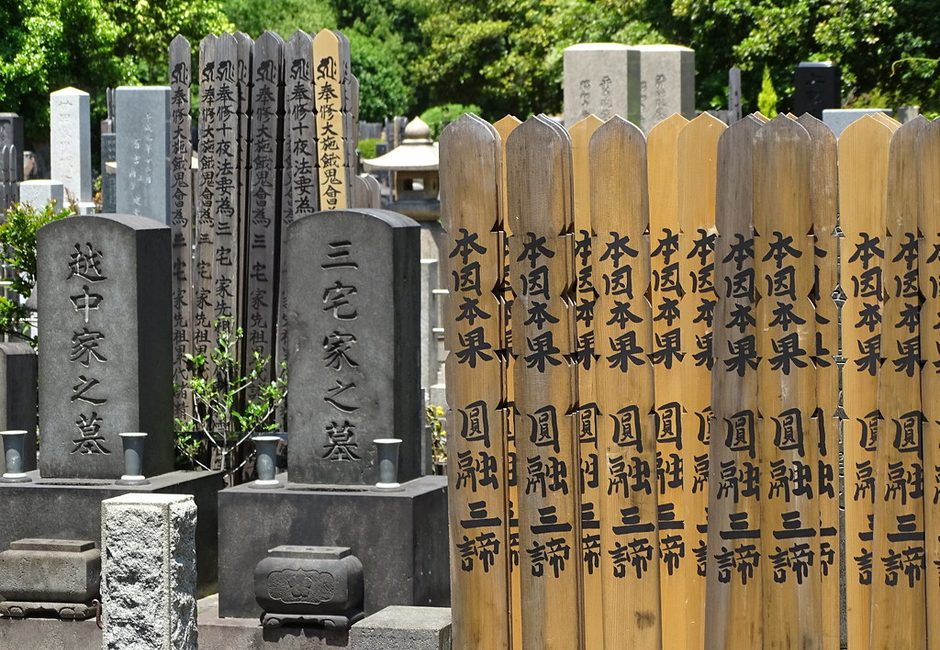
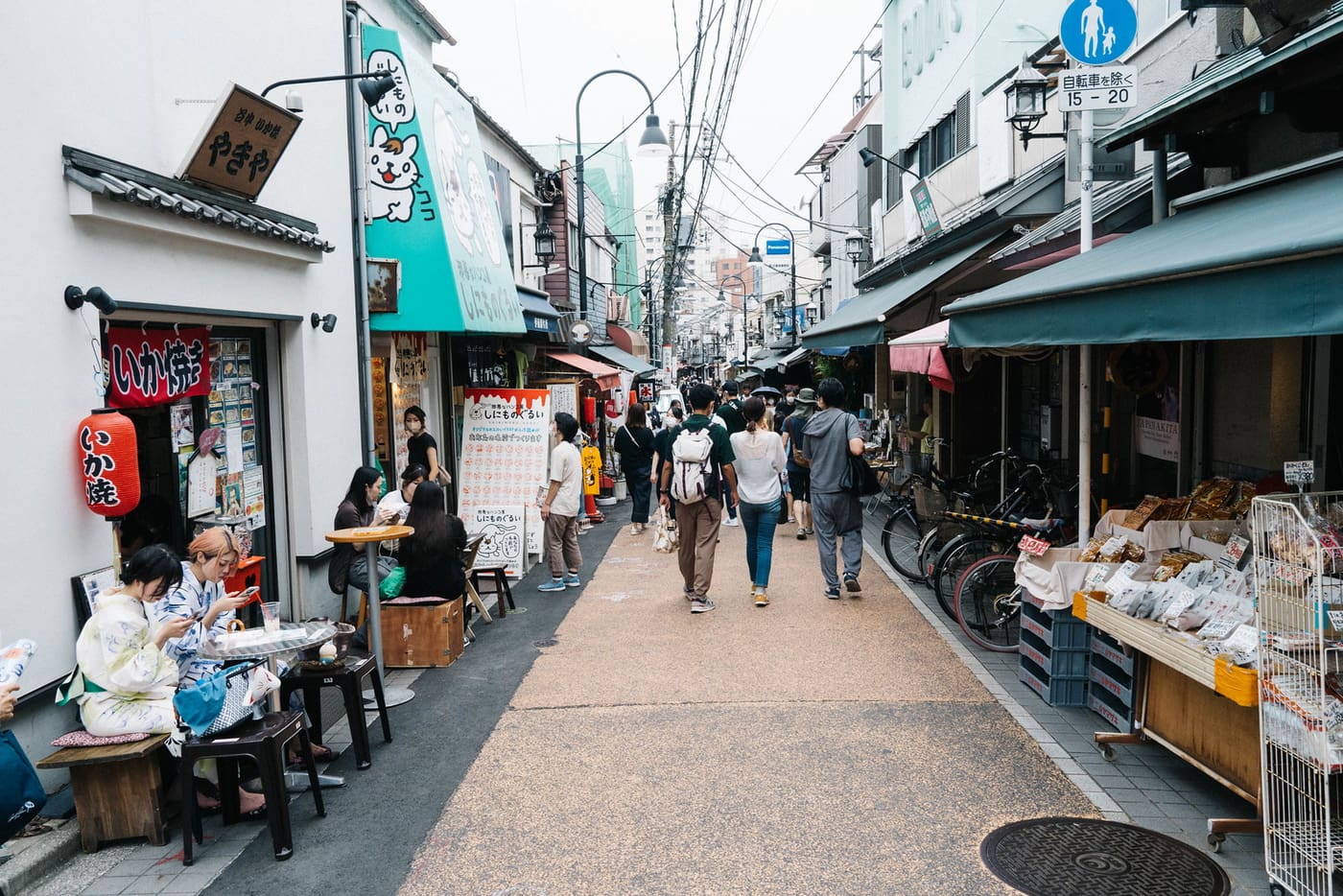
Yanaka and Nezu. Start at Nippori Station and walk into the streets the Yanaka neighbourhood guide covers. Yanaka survived both the 1923 earthquake and the war, so the streets still run at an older Tokyo pace. Wooden houses, cats everywhere, a shopping street where you eat as you walk. Yanaka Cemetery is one of the quietest places in the city. Nezu Shrine has a torii tunnel that beats fighting the crowds in Kyoto.
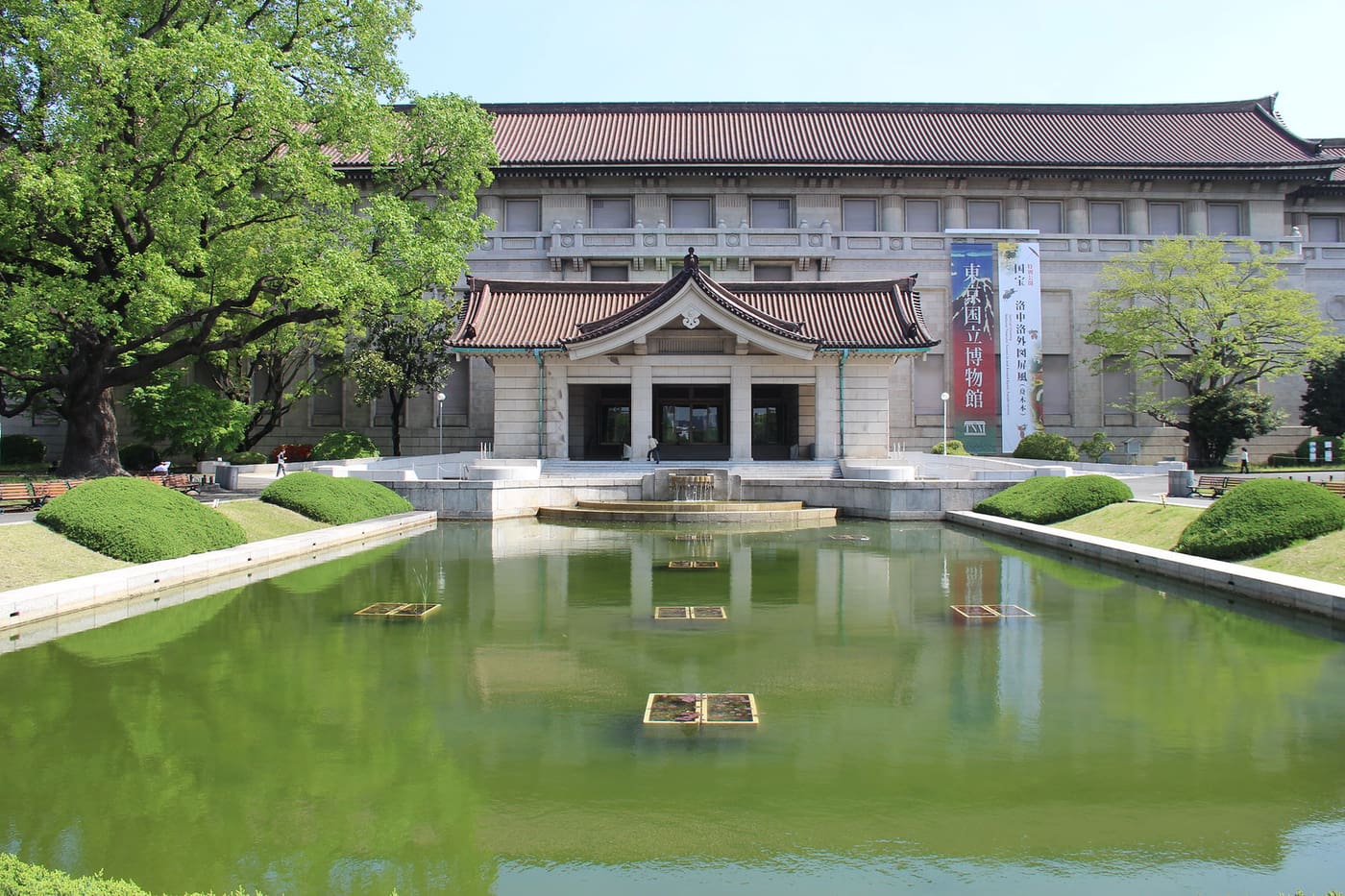
End the walk at Ueno Park and give an hour to the Tokyo National Museum if your legs are still working (closed Mondays). The samurai armour in the Honkan building is the real thing.
Evening in Kagurazaka. Cross town to Tokyo’s old geisha district, now a neighbourhood where French bistros sit beside old ryotei restaurants. Walk the stone-flagged alleys when the lanterns come on. There’s nothing ticketed or structured about it, and that’s the point. The Kagurazaka neighbourhood guide has the specifics.
Day 6: Shibuya, then east
Morning. The Shibuya Crossing shot is worth doing once, and once only. Go before 9am if you can, before the organised tour groups arrive, cross it, take the photo, and get it out of your system. Then walk five minutes into Nonbei Yokocho, two storeys of matchbox bars pressed against the train tracks. That contrast, tourist spectacle to neighbourhood bar in ten minutes on foot, is the whole city in miniature. From there, Miyashita Park for the rooftop lawn, then up through the backstreets towards Harajuku.
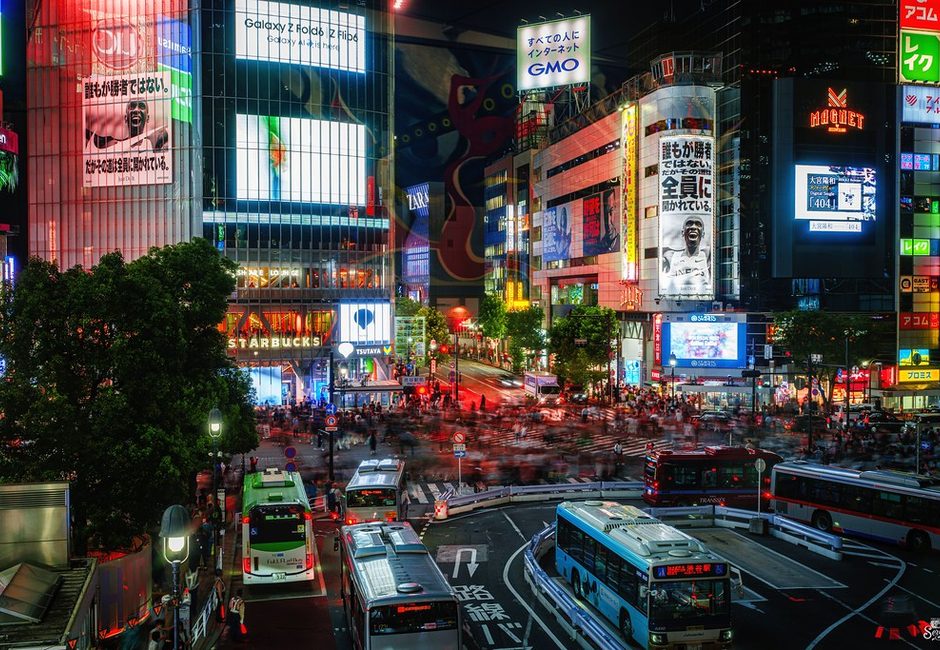
Afternoon. Walk south from Shibuya through Daikanyama, where the T-Site bookshop and its art book collection deserve at least an hour, and down to Nakameguro’s canal-side restaurant strip. If the weather cooperates, book a Shibuya Sky ticket for the slot before sunset. An open-air observation deck above the scramble, wind included, is one of the better things Tokyo offers. Sunset slots are the first to sell out, so book the moment your date opens for online sale rather than on the day.
Evening. teamLab Planets in Toyosu. Yes, it’s all over social media. It also lives up to it. Walking barefoot through water in a room-sized mirror installation doesn’t photograph the way it feels. Book ahead, because it sells out.
Day 7: Slow morning, Ginza, depart
Don’t schedule a flight before the afternoon if you can help it. The last morning in a city is when the previous six days start to make sense.
Start early at Tsukiji Outer Market for tamagoyaki on a stick and a uni bowl, then it’s ten minutes to Hamarikyu Gardens, a shogun-era garden with a tea house on an island in a seawater pond. Have matcha there. Take your time.
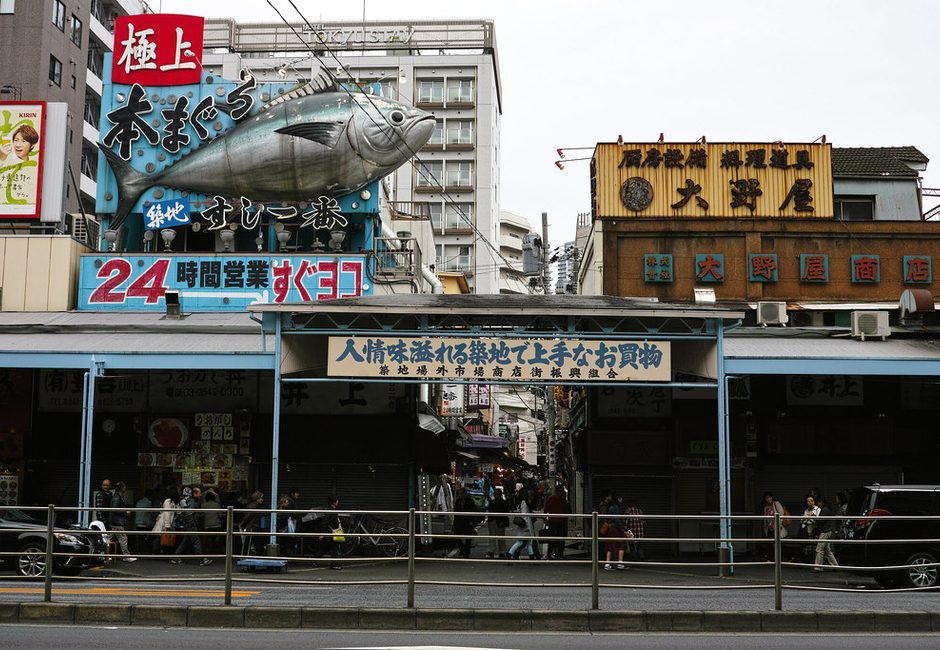
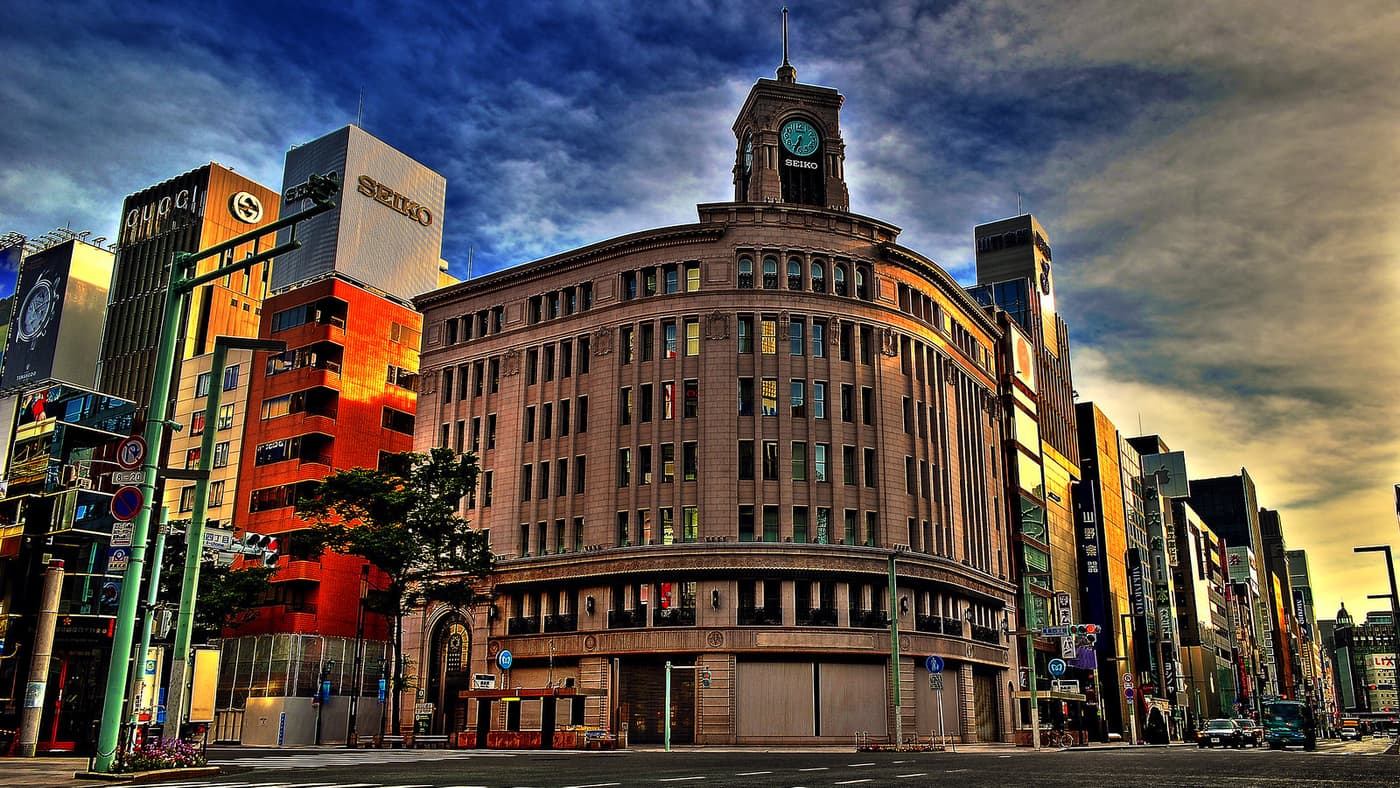
Walk up through Ginza as the shops open. You don’t need to buy anything. The basements of Ginza Six and Matsuya are food museums where everything is for sale at breakfast prices.
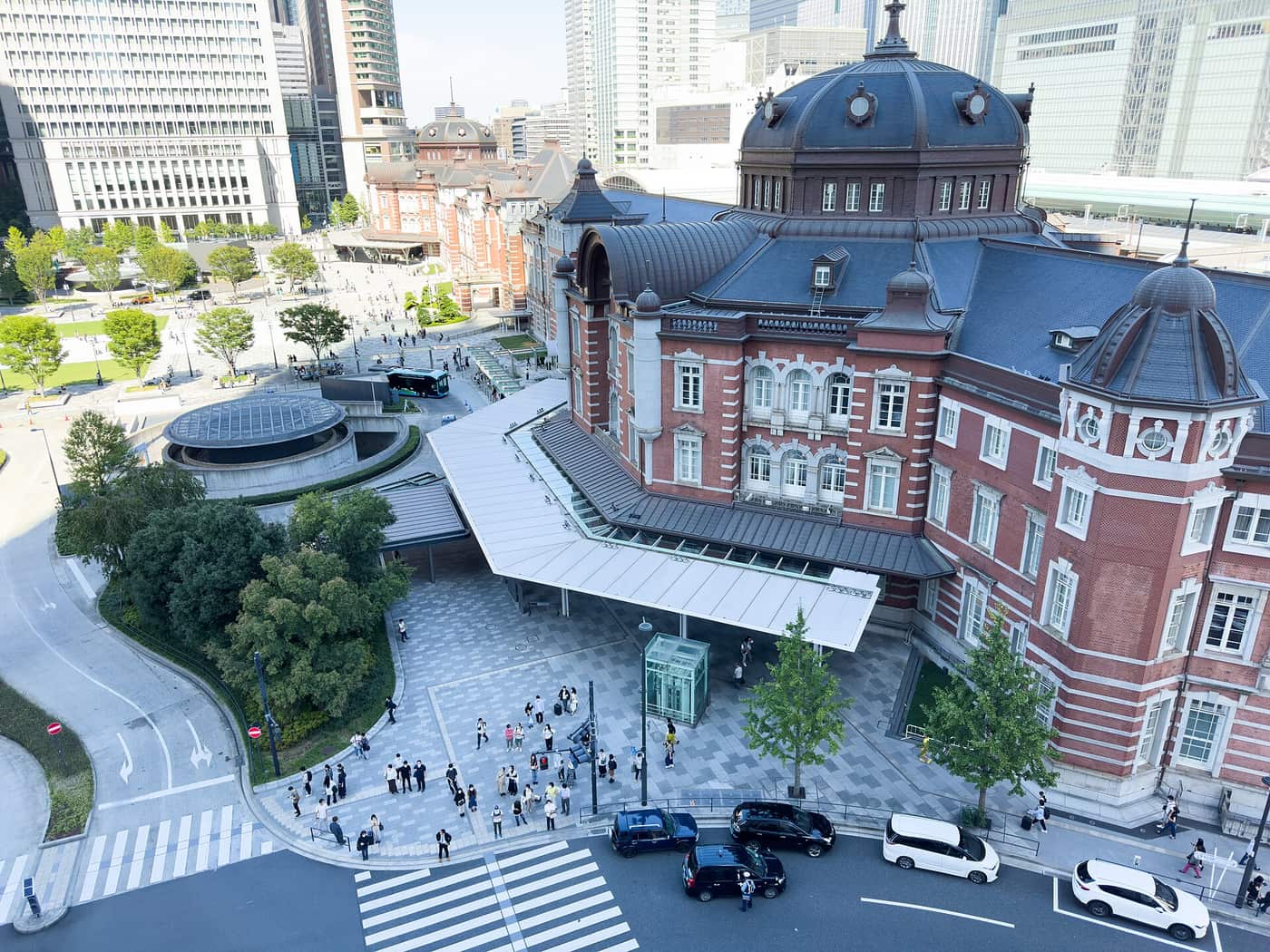
End at KITTE Marunouchi, where the free rooftop garden looks down on the red-brick Tokyo Station while shinkansen slide in and out beneath you. It’s one of the best free views in the city and it’s almost always quiet. Then go down and walk through the station itself. The restored 1914 facade is a proper architectural moment.
If you have more time: days 8 to 10
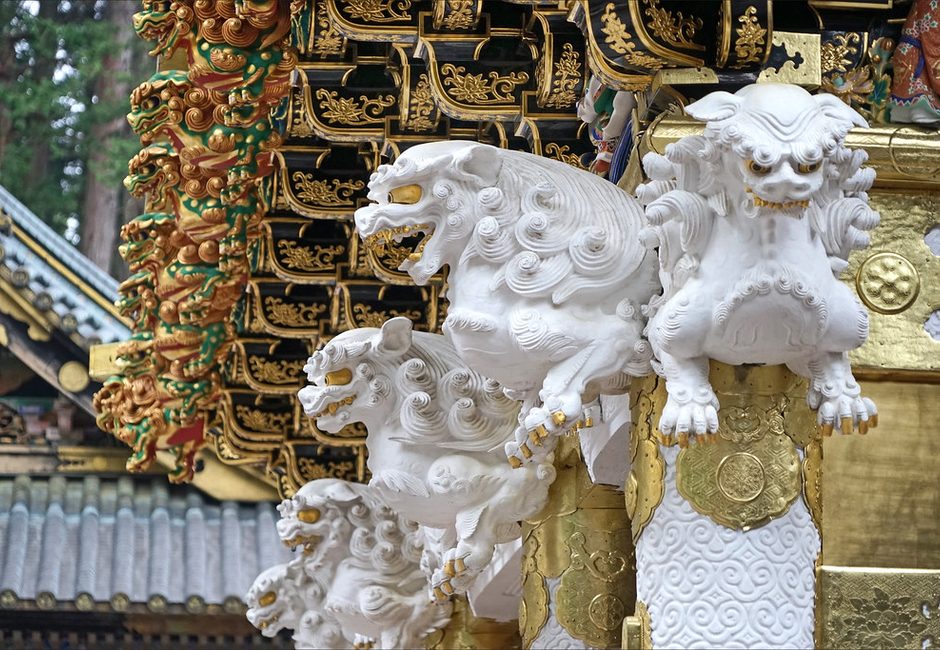
A second day trip. Nikko in October or November is two hours north and the most spectacular shrine complex in Japan, set in a cedar forest full of waterfalls. Hakone is the classic mountain loop: switchback railway, ropeway over a sulphur valley, pirate ship across Lake Ashi, onsen. The day trips guide covers both in detail.
Kichijoji and the Ghibli Museum. If you booked the Ghibli Museum (and you should have, on the 10th of last month), build the day around the Kichijoji neighbourhood guide. The lake in Inokashira Park, the Harmonica Yokocho micro-bars, the wooded walk to the museum.
A deeper Shimokitazawa. If you liked day two, go back and give it a whole evening. There’s a version of Shimokita that only shows itself after 9pm, when the live houses are full and the standing bars have no room to sit and nobody cares.
Daniel’s neighbourhood. The Sasazuka guide and the Hatagaya guide cover the west-side streets Daniel knows well, which rarely make the guidebooks, ending at Mil Tacos in Sasazuka, where the wedding dinner happened.

If you have less time: the 5-day edit
The 5-day itinerary is the full version. It keeps Asakusa, the west side, a market and neighbourhood day, the Kamakura trip and the Roppongi art day, and it ends in Yanaka. If Ghibli is booked, swap its art day for Kichijoji. The map’s nearby feature will fill any gaps.
Only three days? Asakusa one morning, Shibuya one evening, and Shimokitazawa for everything in between. The full 3-day itinerary plans it out day by day, and the 4-day and 5-day versions add the day trip and the art day in the right order.
FAQ
How many days do you actually need in Tokyo?
Seven days is enough to see the city well and have one day outside it. Five days covers the essentials plus a day trip if you plan by area. Three days shows you the surface. Tokyo has enough distinct neighbourhoods and food cultures that more time always turns up more city.
Is 7 days enough for Tokyo?
It’s enough to stop feeling lost and start feeling oriented, which is the most you can reasonably ask of a first visit. You’ll leave with a list of places to come back to. Everyone does.
What should I prioritise on a first visit?
One neighbourhood per day, done slowly, beats five attractions per day done frantically. Pick two or three things from the things to do in Tokyo guide per area and build from there. The map’s nearby feature fills the gaps, and it keeps turning up things no list predicted.
Should I do the day trip or skip it?
Do it, once. Kamakura in particular is a different place from Tokyo. Slower, greener, coastal, with a scale of history the city itself doesn’t offer. The break also makes the last two days in Tokyo better, because you notice what Tokyo is by spending a day somewhere it isn’t.
How do I handle jet lag on a 7-day trip?
Use the first two mornings instead of fighting them. You’ll be awake at 5am whether you like it or not. Senso-ji at dawn, Tsukiji at breakfast, shrines before the crowds. The early morning collection is a jet lag itinerary in all but name. By day three you’re usually on local time.
Is Tokyo expensive for 7 days?
The flights and hotels are real costs. Day to day, the city is cheaper than its reputation. Convenience store breakfast, ramen lunch, yakitori dinner and the trains between them come to roughly ¥5,000 to ¥6,000 a day. The free things to do collection runs long enough that a tight budget still fills a week.
What is the biggest mistake first-time visitors make?
Criss-crossing the city to hit attractions that aren’t near each other. Pick a neighbourhood, stay in it all day, and use the map to find what else is within walking distance. The fifteen-minute walk to something unexpected is usually the best part of the day.
Places in this guide
Photos show the actual places, licensed under Creative Commons and credited to their photographers.
Find hotels in Tokyo
Browse live availability and compare prices for your dates.