Meiji Jingu: Hours, Inner Garden, Museum and How to Visit
Meiji Jingu is free and open daily from sunrise to sunset, with the Inner Garden at ¥500. Monthly hours, the museum, the forest and torii, rules, festival dates and the gates to use.
What's on in Tokyo: November 2026 · December 2026 · January 2027 · February 2027 · May 2027 · June 2027
Month guides: Tokyo in December · Tokyo in January
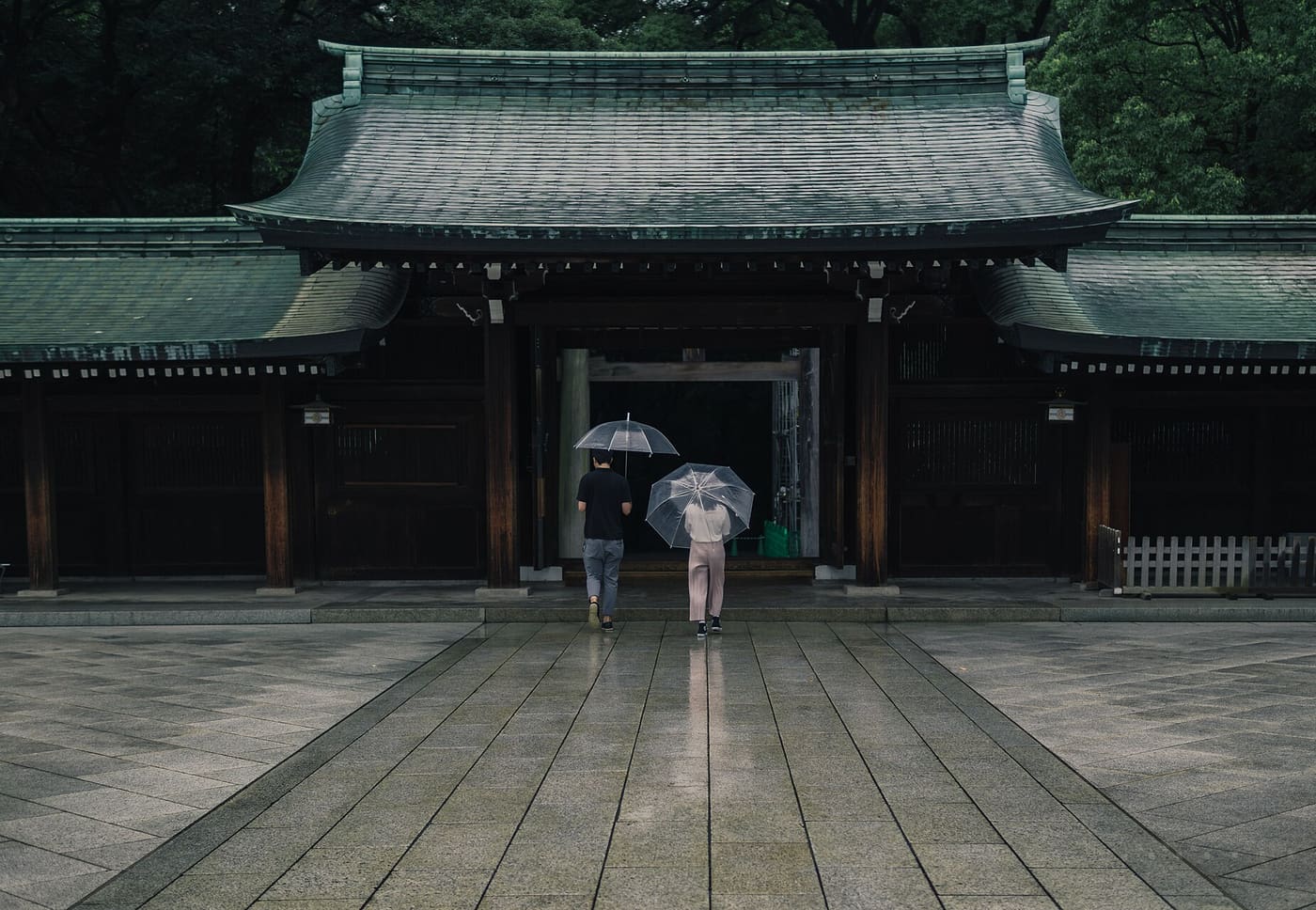
Meiji Jingu is free to enter and open every day, from sunrise to sunset. The closing time changes by month, from 16:00 in December to 18:30 in June. It sits in a man-made forest of about 70 hectares beside Harajuku, and it takes about 10 minutes to walk from any gate to the main hall. The Inner Garden costs ¥500, and the Meiji Jingu Museum is open 10:00 to 16:30 and closed on Thursdays. Allow an hour or two, and go in the morning, when the forest is at its quietest.
Opening hours by month
The shrine opens at sunrise and closes at sunset, and it publishes the times for each month:
| Month | Opens | Closes |
|---|---|---|
| January | 6:40 | 16:20 |
| February | 6:20 | 16:50 |
| March | 5:40 | 17:20 |
| April | 5:10 | 17:50 |
| May | 5:00 | 18:10 |
| June | 5:00 | 18:30 |
| July | 5:00 | 18:20 |
| August | 5:00 | 18:00 |
| September | 5:20 | 17:20 |
| October | 5:40 | 16:40 |
| November | 6:10 | 16:10 |
| December | 6:40 | 16:00 |
Some places and facilities inside keep shorter hours, mostly 9:00 to 16:00. The Meiji Jingu place page shows the same hours with the source. The shrine says that several million people visit for the first visit of the year, so the first days of January are the busiest. See the New Year in Tokyo guide for hatsumode.
Inner Garden, museum and treasure museum
- The Inner Garden (Gyoen). It costs ¥500, according to the shrine’s Japanese page, and it’s open all year. It’s open 9:00 to 16:30 from March to October and 9:00 to 16:00 from November to February. In June it opens at 8:00 and closes at 17:00, and at 18:00 on Saturdays and Sundays. It holds Kiyomasa’s Well and the Kakuun-tei tea house.
- The Meiji Jingu Museum. It opened in October 2019 and was designed by Kengo Kuma. It’s open 10:00 to 16:30, with last entry 30 minutes before closing, and it’s closed on Thursdays unless Thursday is a public holiday. Adults pay ¥1,000, and high school students and younger pay ¥900. The shrine’s English page lists a different price, which looks out of date, so check the price at the door.
- The Treasure Museum. It opens only for limited periods announced on the shrine’s site, and the English map showed it as closed when checked.
The forest and the torii
The shrine was established in 1920 for Emperor Meiji and Empress Shoken, and the precinct was completed on 1 November 1920. The forest was planted by hand. About 100,000 trees were donated from across Japan, and the shrine credits 110,000 volunteers. It burned in the air raids of 1945 and the main buildings were rebuilt in 1958, but the forest survived.
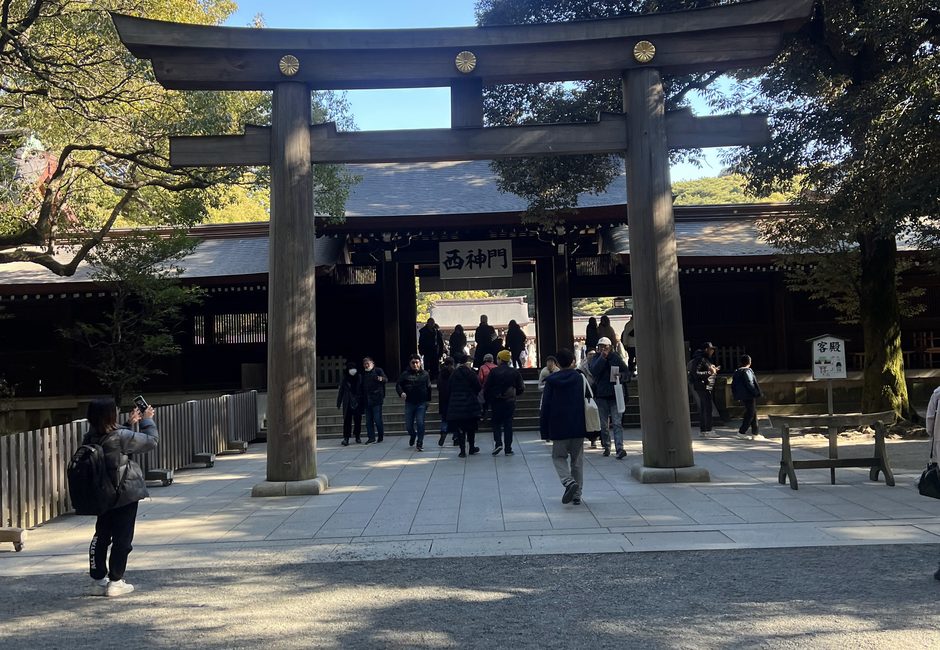
The great torii on the approach is 12 m tall and 17.1 m wide, and the shrine calls it the largest wooden myojin-style torii of its kind in Japan. The current one is built from a 1,500-year-old Japanese cypress, and it was completed on 23 December 1975. The original burned after lightning in 1966.
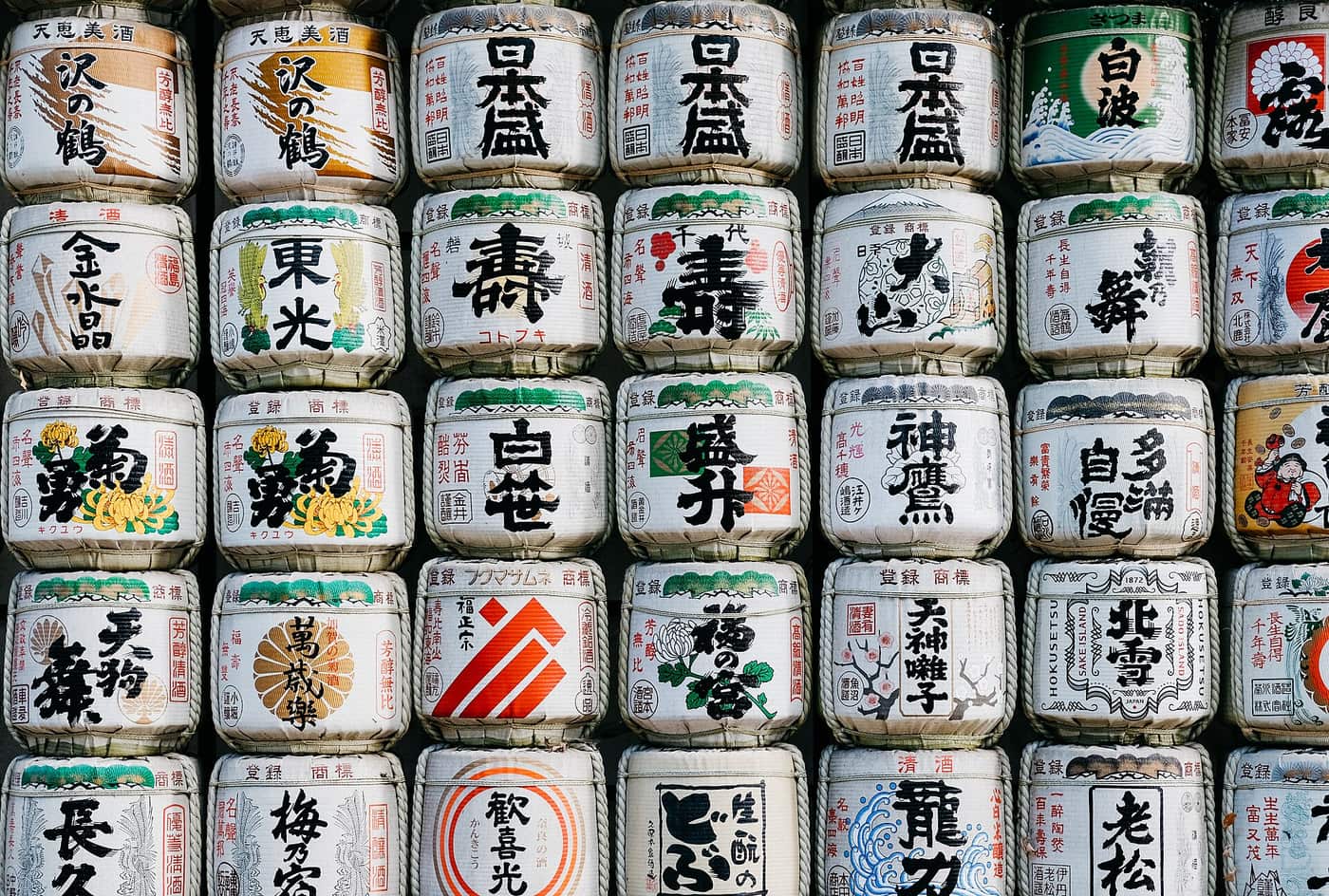
Along the approach you’ll see stacked sake barrels. They’re offered every year by the sake brewers’ association, and they’re decorative and empty. Burgundy wineries each donated a wine barrel in 2006, and wine is now offered every year.
Rules at the shrine
The shrine asks visitors not to take photos at the main sanctuary or close to the main shrine buildings, not to fly drones, not to run or play sports, to stay on the paths, and to eat and drink only in the designated areas. It explains the purification at the temizuya and the bow routine in full, which is two bows, two claps and one bow. The shrine’s pages don’t state a pet policy.
Festivals and key dates
- Hatsumode. The first days of January. The shrine’s pages don’t list the dates.
- Kigen-sai. 11 February at 10:00.
- Spring Grand Festival. 2 and 3 May at 10:00.
- Irises in the Inner Garden. Mid-June.
- Autumn Grand Festival. 2 and 3 November at 10:00, with a messenger from the Imperial Household. See events in November.
- Shichi-go-san. November, for children aged three, five and seven.
- Joya-sai. 31 December at 16:00.
The shrine holds the Nikku-sai daily at 8:00 and 14:00.
How to get to Meiji Jingu
There are three gates. The Harajuku gate is nearest JR Harajuku Station and Meiji-jingumae Station, the Yoyogi gate is by Yoyogi Station and Kita-sando, and the Sangubashi gate is by the Odakyu line. The shrine says it takes about 10 minutes to walk from any gate to the main hall. The museum is 5 minutes from the JR Harajuku Omotesando exit and from Meiji-jingumae exit 2. Cars can enter only through the Yoyogi gate. See Tokyo transport passes if you’re comparing fares.
What to combine it with
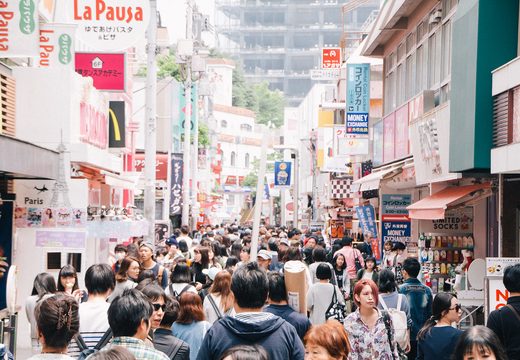
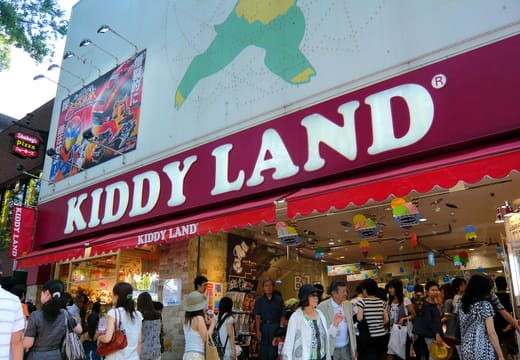
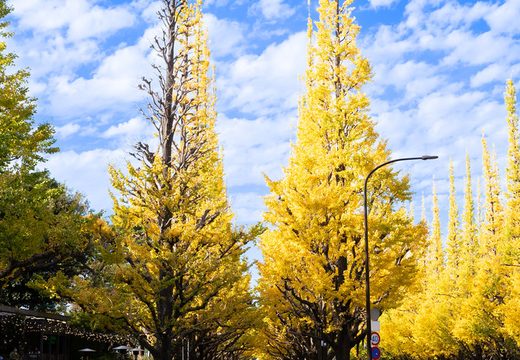
Yoyogi Park is next to the shrine, and Takeshita Street and Kiddy Land Harajuku are close to Harajuku Station. In autumn, the Meiji Jingu Gaien Ginkgo Avenue is a short ride away. Shinjuku vs Shibuya compares the nearby bases, and where to stay in Tokyo compares the areas. For the rest of the trip, see things to do in Tokyo, how many days in Tokyo and the best time to visit Tokyo.
Frequently Asked Questions
Is Meiji Jingu free?
Yes. The shrine grounds are free, and the Inner Garden costs ¥500.
What time does Meiji Jingu open and close?
It opens at sunrise and closes at sunset, so the times change by month. They run from 5:00 in May, June, July and August to 16:00 closing in December.
How long do you need at Meiji Jingu?
The shrine says it takes about 10 minutes to walk from a gate to the main hall. Allow an hour or two for the walk, the shrine and a look round the approach.
Which station is nearest to Meiji Jingu?
JR Harajuku Station and Meiji-jingumae Station for the Harajuku gate, and Yoyogi Station and Kita-sando for the Yoyogi gate.
Is the Meiji Jingu Museum open every day?
No. It’s closed on Thursdays unless Thursday is a public holiday, and it’s open 10:00 to 16:30.
Can I take photos at Meiji Jingu?
Not at the main sanctuary or close to the main shrine buildings.
Are the sake barrels at Meiji Jingu real?
They’re offered every year by the sake brewers’ association, and they’re decorative and empty.
Places in this guide
Photos show the actual places, licensed under Creative Commons and credited to their photographers.
Find hotels in Harajuku
Browse live availability and compare prices for your dates.
See hotels near Harajuku on Booking.comPrices are for the night of Saturday 21 November. You can change the dates on Booking.com. If you book, Roam Tokyo earns a small commission from Stay22 at no extra cost to you.