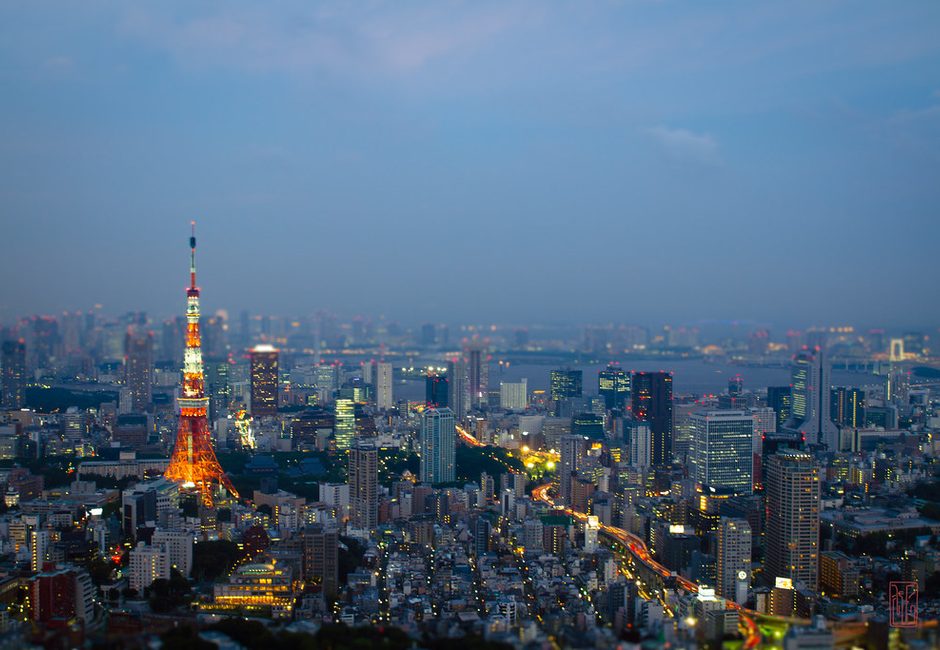
Where to Stay in Tokyo: Shinjuku, Asakusa or Shibuya? (2026)
Short answer: Shinjuku's west side for a first trip, Asakusa for atmosphere, Shibuya for short stays. 10 areas compared on this week's median hotel rates.
For a first trip, stay in Shinjuku, on the west side of the station (Nishi-Shinjuku). If atmosphere matters more to you than nightlife, make it Asakusa. If it’s a short trip and you want to be inside the postcard, Shibuya. That’s the short answer. The longer answer is that Tokyo’s trains make almost any central neighbourhood workable. A business hotel in Ueno puts you about 12 minutes from Ginza. A capsule in Ikebukuro gets you to Shibuya in under 20 minutes. The Yamanote Line loops the whole city, and once you’ve loaded a Suica card, getting between districts is easy.
What the trains can’t fix is atmosphere. Shinjuku and Yanaka are both in Tokyo, on the same rail network, and they give you completely different trips. Choosing a neighbourhood is really choosing what you want your time to feel like when you’re not on a train.
Price is the other variable, and it moves more than most guidebooks admit. Rather than fixed tiers, this page quotes the weekly hotel price index, which samples listings in each neighbourhood for a two-night stay 30 days out and publishes the median nightly rate in US dollars. The latest sample (index of 29 September 2026) has Asakusa at US$239, Shinjuku at US$274, Ueno at US$203, Ebisu at US$233 and Shibuya at US$265. The order changes from week to week, so check the index before you assume any area is the cheap one.
Put your dates into the Tokyo travel map and use Search this area for hotels. Every pin quotes those dates. Below, every major area gets a verdict and a link to its full guide. If you’re deciding between two or three, start with the table.
Quick comparison: Tokyo’s main stay areas
Medians are from the weekly hotel price index, US dollars per night for a two-night stay a month out, sampled 29 September 2026.
| Area | Best for | Median per night | Key transport |
|---|---|---|---|
| Shinjuku | First-timers, nightlife, every line in one station | US$27426 listings sampled | Yamanote, Chuo, Saikyo; Odakyu, Keio; Marunouchi, Shinjuku, Oedo lines |
| Shibuya | Short trips inside the postcard, shopping, energy | US$26550 listings sampled | Yamanote, Saikyo; Ginza, Hanzomon, Fukutoshin lines; Tokyu Toyoko, Den-en-toshi; Keio Inokashira |
| Asakusa | Temples, a ryokan night, quiet evenings | US$239100 listings sampled | Ginza, Asakusa lines (through to Haneda and Narita); Tobu Skytree Line to Nikko; Tsukuba Express |
| Ueno | Museums, Narita by Skyliner, Shinkansen north | US$20331 listings sampled | Yamanote, Keihin-Tohoku; Ginza, Hibiya lines; Keisei Skyliner; Tohoku and Hokuriku Shinkansen |
| Ginza | Luxury and department stores, Tokyo Station side | US$40341 listings sampled | Ginza, Marunouchi, Hibiya lines; Yurakucho Line and JR Yurakucho a short walk |
| Ikebukuro | Budget rooms, north side, Kawagoe day trip | US$158141 listings sampled | Yamanote, Saikyo, Shonan-Shinjuku; Marunouchi, Yurakucho, Fukutoshin lines; Tobu Tojo; Seibu Ikebukuro |
| Akihabara | Electronics and anime, early trains, no nightlife | US$18634 listings sampled | Yamanote, Keihin-Tohoku, Sobu; Hibiya Line; Tsukuba Express |
| Ebisu | Eating and drinking, one stop from Shibuya, quieter streets | US$23355 listings sampled | Yamanote, Saikyo, Shonan-Shinjuku; Hibiya Line |
| Nakameguro | Canal-side living for long stays; almost no hotels | US$25697 listings sampled | Tokyu Toyoko (through to Fukutoshin); Hibiya Line |
| Yanaka | Old Tokyo streets, ryokan and guesthouses, slow trips | US$19152 listings sampled | Yamanote and Keisei Skyliner at Nippori; Chiyoda Line at Nezu and Sendagi |
Shinjuku: the busiest station in the world
Shinjuku Station moves more passengers than any other station on earth, and that’s both the appeal and the warning. Stay here and every major Tokyo destination is within easy reach. The JR lines, three subway lines, Odakyu and Keio all meet at one interchange, so you’re rarely more than one change from anywhere.
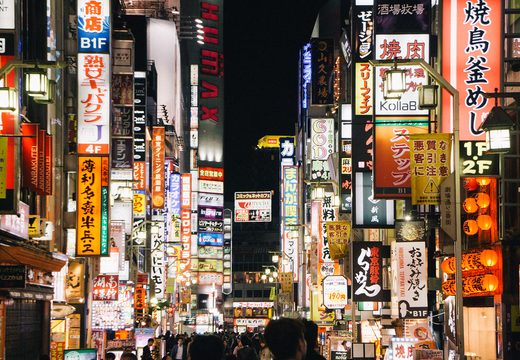
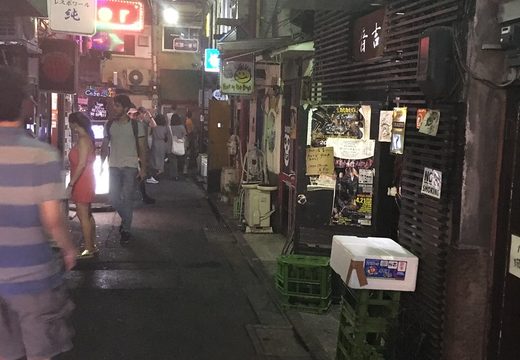
The neighbourhood splits into distinct zones. West of the station, Nishi-Shinjuku, is the skyscraper district: wide streets, the Tokyo Metropolitan Government Building, the city’s biggest cluster of full-service hotels, and calm after dark. East is Isetan, the department stores and the restaurant streets. Kabukicho, north-east of the station, is neon, izakayas and bars open until the first trains. Golden Gai, a tight block of alleys beside it, has around two hundred tiny bars. Book west for sleep, east for evenings, and only book Kabukicho if you want to be in it.
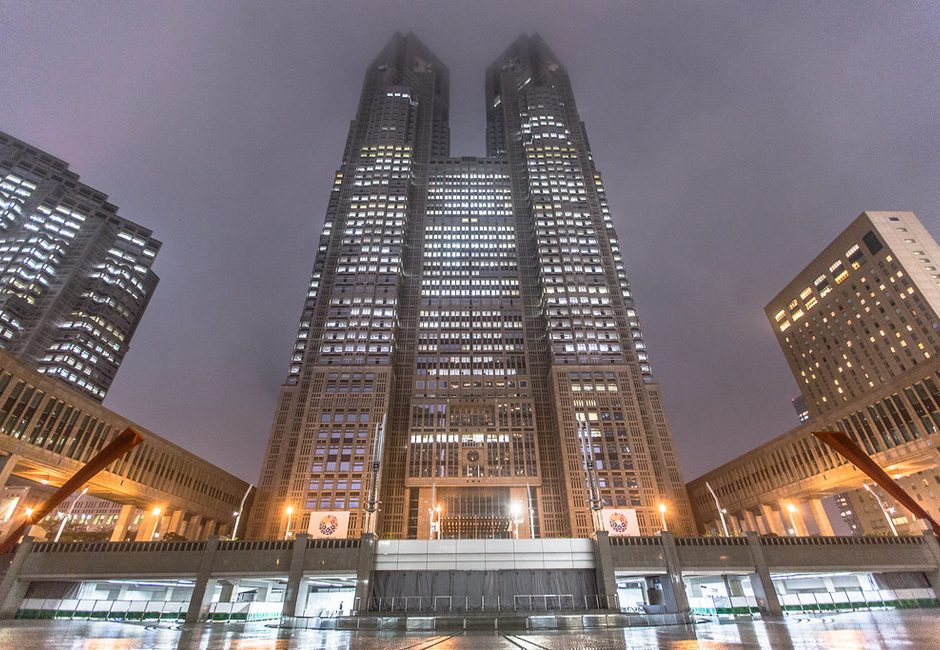
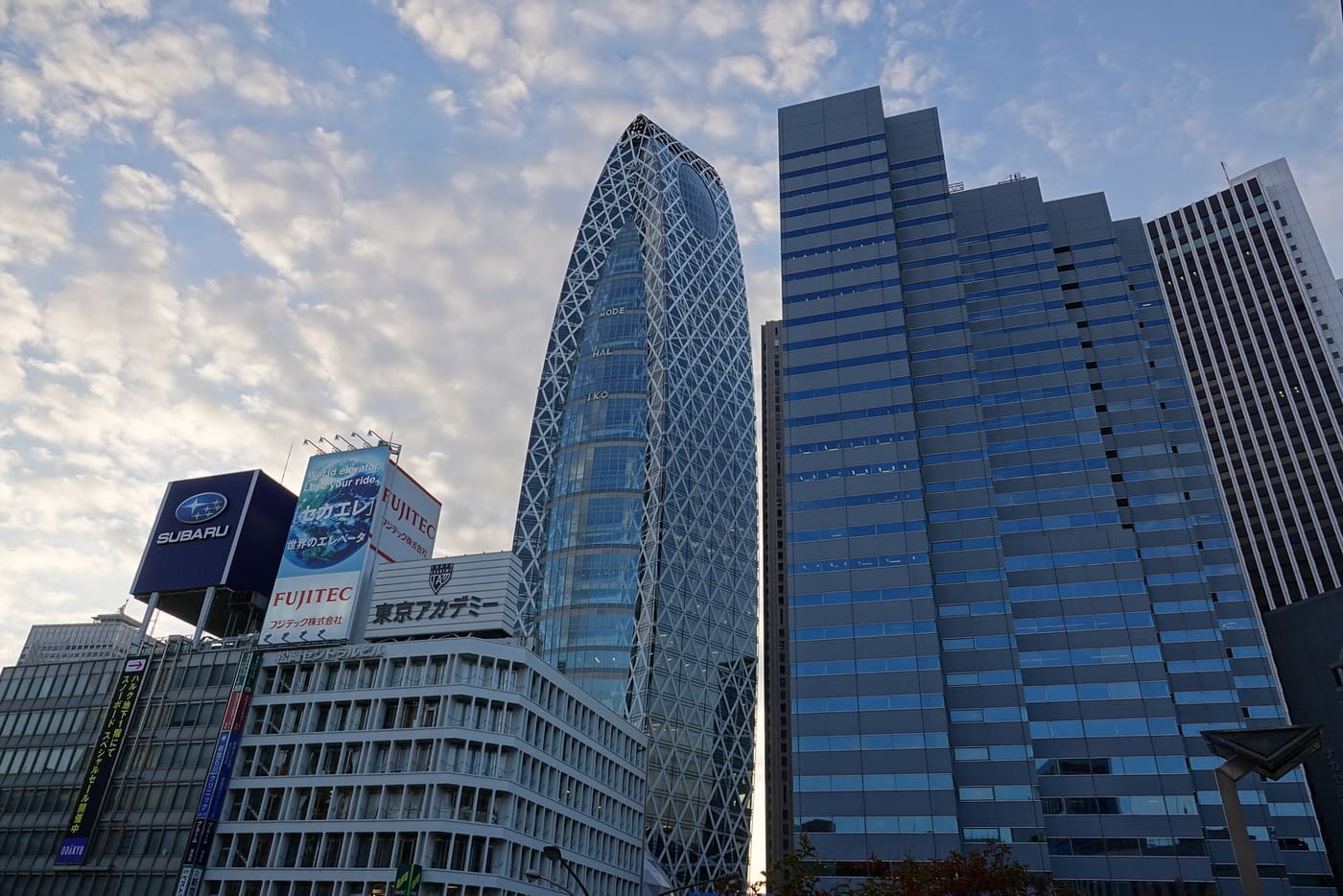
If it’s your first time and you want maximum convenience without having to think about logistics, Nishi-Shinjuku is the answer this site gives everywhere. The station is chaotic, but once you know which exit leads where, the scale stops being a problem.
Median US$274 a night, index of 29 September 2026, from 26 listings.
Read more in Where to Stay in Shinjuku, Tokyo and the Shinjuku neighbourhood guide.
Shibuya: the energy centre of young Tokyo
Shibuya is the Tokyo of the postcards: the scramble crossing, the giant screens, the record stores, basement bars and streetwear shops stacked six floors high. Staying here puts you inside that energy rather than commuting into it, and Shimokitazawa, Nakameguro, Daikanyama and Harajuku are all one short hop away.
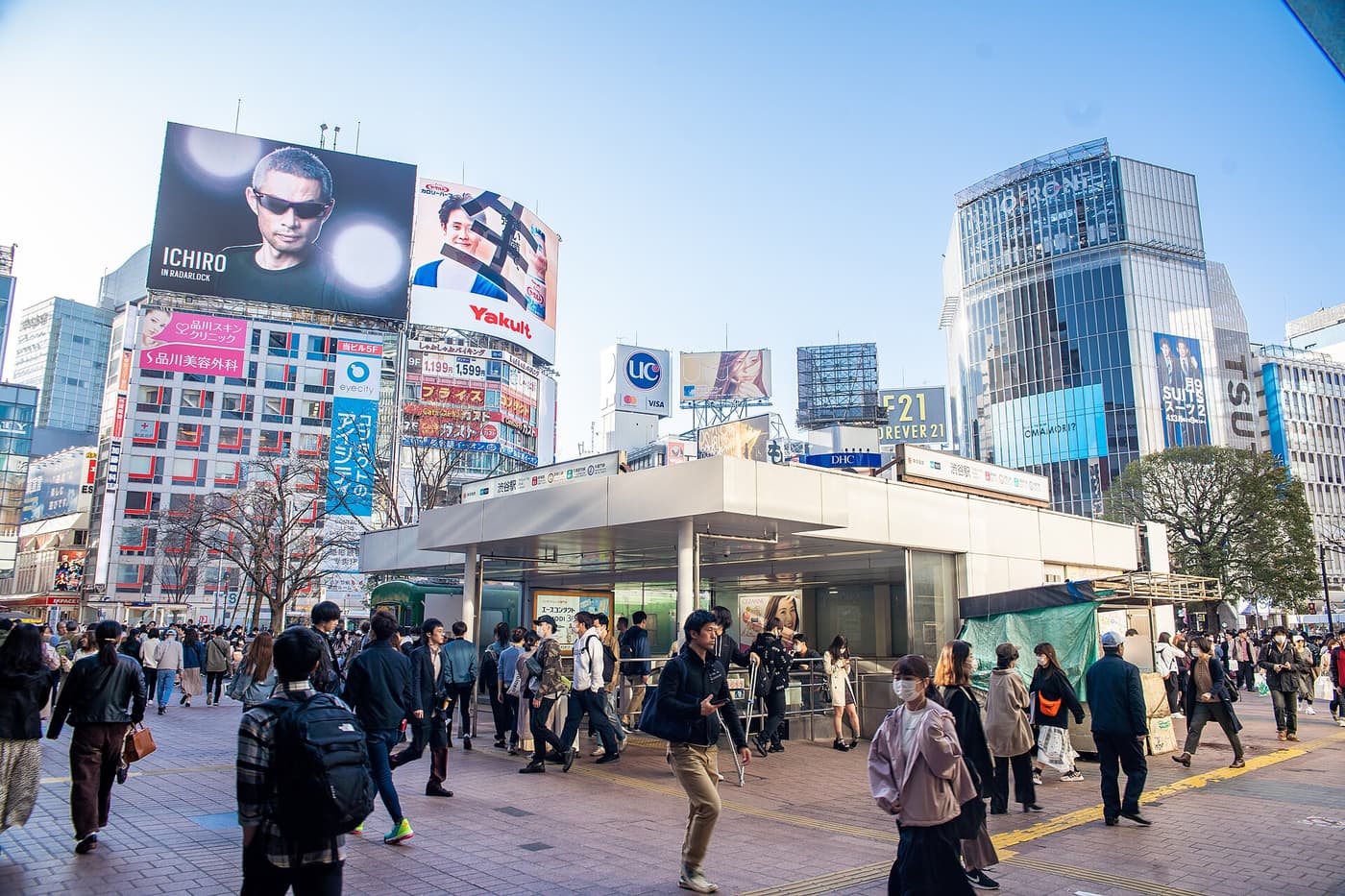
The catch is price and noise. Shibuya’s median sits near the top of every index sample, often for smaller rooms, and the streets around Center Gai stay loud past midnight. Walk ten minutes uphill towards Shoto or south towards Sakuragaoka and both problems fade, and that’s where the smarter bookings tend to be. One Yamanote stop south, Ebisu (below) is the other smart move.
Shibuya suits short trips of two or three nights where being in the thick of it is the point. If your Tokyo is temples and gardens, base yourself in Asakusa or Ueno instead and visit Shibuya for the day.
Median US$265 a night, index of 29 September 2026, against US$274 in Shinjuku.
Read more in Best Hotels in Shibuya, Tokyo and the Shibuya neighbourhood guide.
Asakusa: traditional Tokyo, practical location
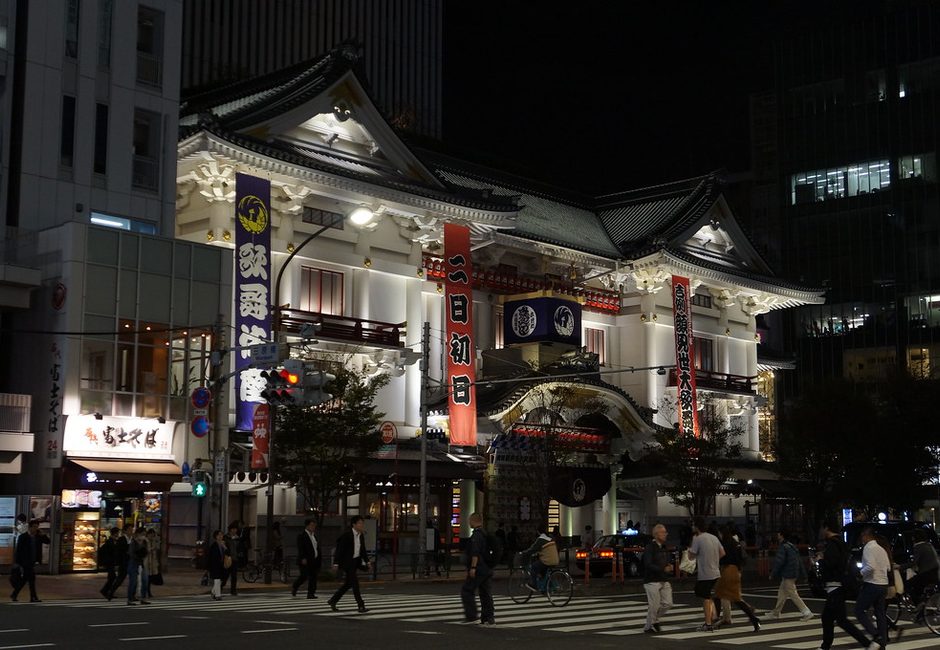
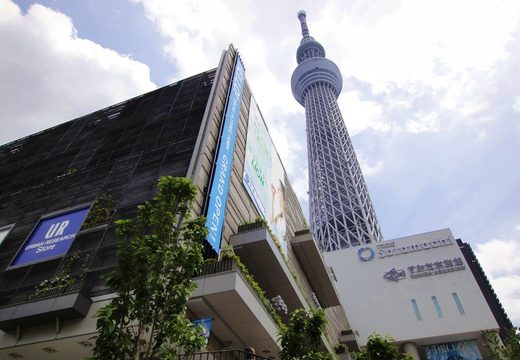
Asakusa has more old Tokyo atmosphere than anywhere else in the city. Senso-ji anchors the neighbourhood, Nakamise feeds into it, and the backstreets west of the temple still feel like a city that predates the neon. The Sumida River is a few minutes’ walk east, with Tokyo Skytree on the far bank.
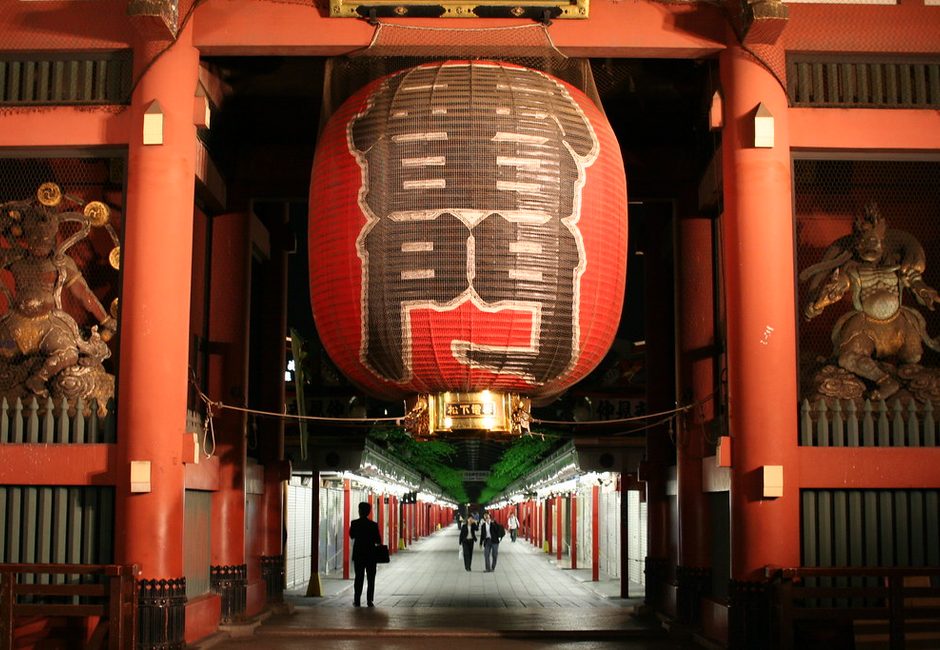
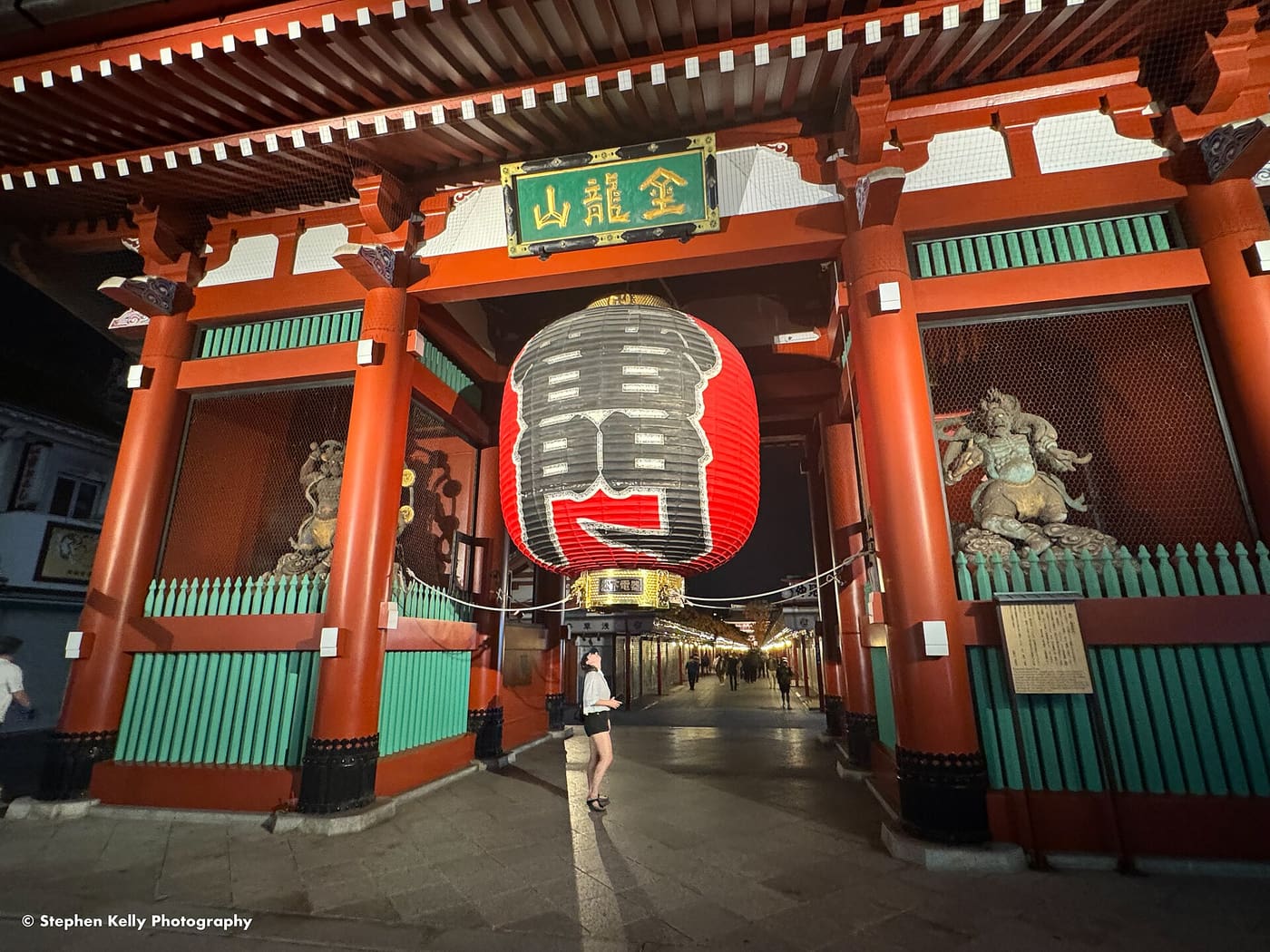
What surprises people about Asakusa is how well connected it is. The Ginza Line gets you to Ueno in 5 minutes, Ginza in about 17 and Shibuya in about 30. The Toei Asakusa Line runs through to both airports without a change. The Tobu Skytree Line leaves from Asakusa’s own terminal for Nikko. If your itinerary leans east and north, Asakusa is the smartest base, and it’s this site’s pick for anyone who wants atmosphere over nightlife.
It also has the widest spread of accommodation types: hostels near the station, a ryokan beside Nakamise and business hotels within a few minutes of the gate. The catch is that Asakusa goes to bed early. After about 8 PM the tourist streets are mostly empty, and nightlife means a few yokocho bars rather than a district.
Median US$239 a night, index of 29 September 2026.
Read more in Where to Stay in Asakusa, Tokyo and the Asakusa neighbourhood guide.
Ueno: museums, Narita, and the trains north
Ueno doesn’t have Shibuya’s brand or Asakusa’s atmosphere, but it’s one of the most practical bases in the city. Ueno Station is on the Yamanote Line and is a Shinkansen gateway for Tohoku, the Keisei Skyliner from Narita ends here, and the Ginza Line runs south to Ginza and Shibuya. Day trips north and airport arrivals are simpler from Ueno than from anywhere else on this list.
The neighbourhood has Ueno Park, which holds most of Tokyo’s major museums within one walkable footprint: the Tokyo National Museum, the National Museum of Western Art, the National Museum of Nature and Science and Ueno Zoo. Cherry blossom season turns the park into one of the city’s most famous hanami spots. Ameyoko, the market street under the tracks, adds street food and discount goods to your daily routine.
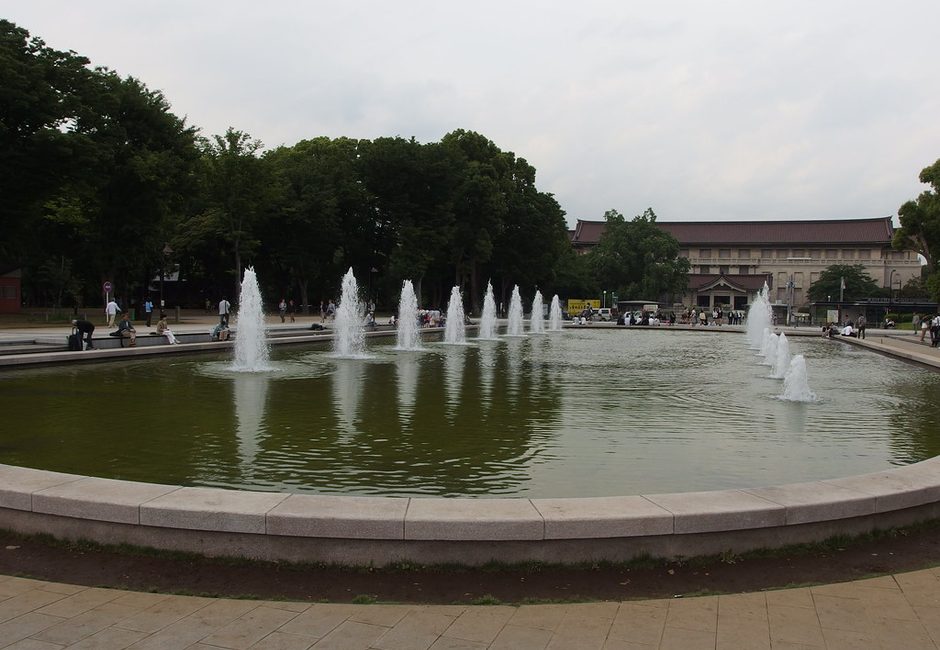
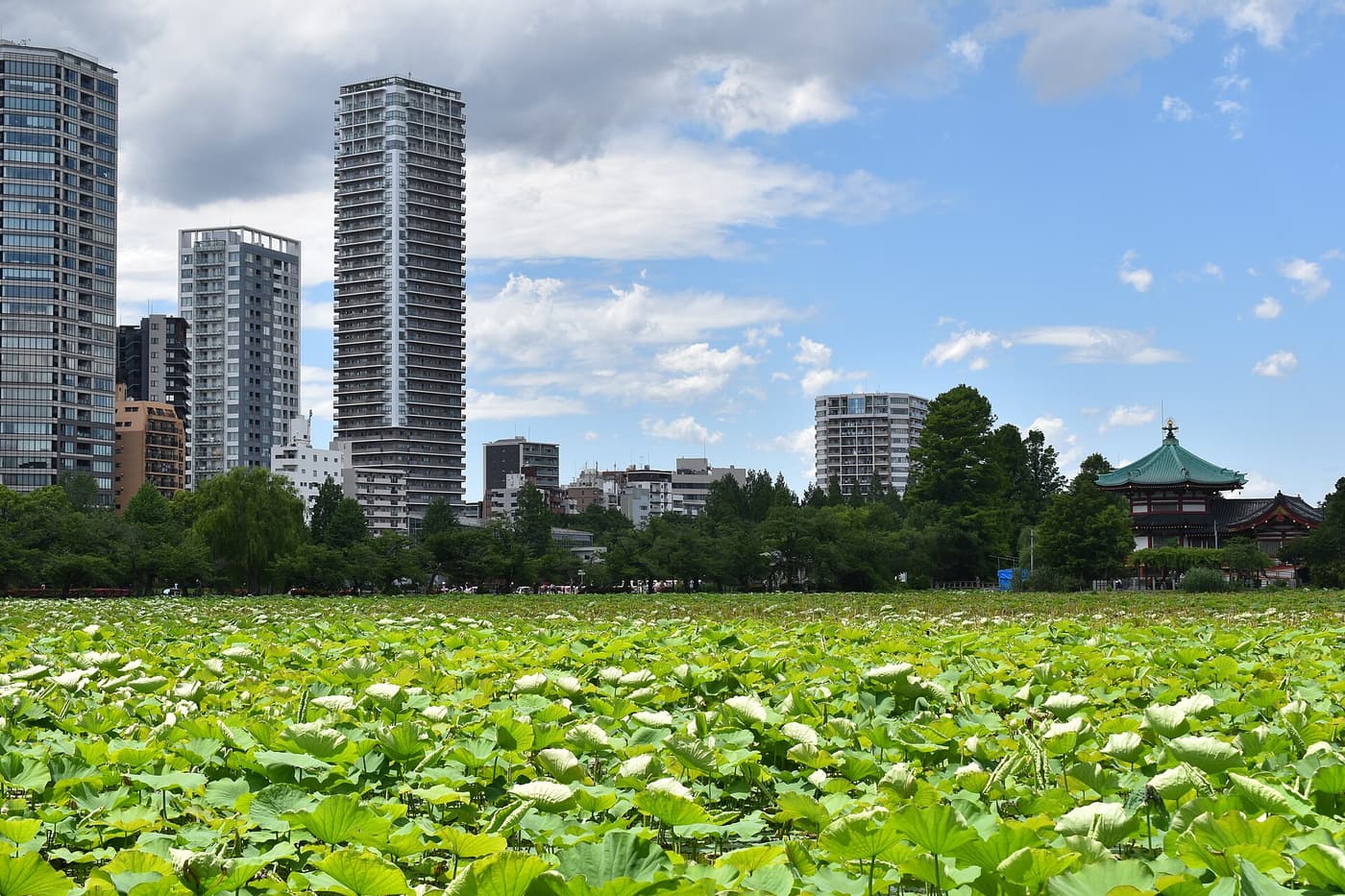
One caveat. It’s not the most polished neighbourhood, and it isn’t reliably cheap, so compare its median with Asakusa’s and Shinjuku’s on the index before you book. Choose it for the Skyliner, the museums and the Shinkansen, not for the rate.
Median US$203 a night, index of 29 September 2026.
Read more in Where to Stay in Ueno, Tokyo and the Ueno neighbourhood guide. Torn between the two east-side bases? Read Asakusa vs Ueno.
Ginza: for those who want the luxury end
Ginza is Tokyo’s most upscale shopping district, and the hotels match. This is where the international luxury chains sit alongside the department stores and starred restaurants. The address costs a premium, and most mid-range travellers will struggle to justify it unless the trip is built around high-end dining and shopping.
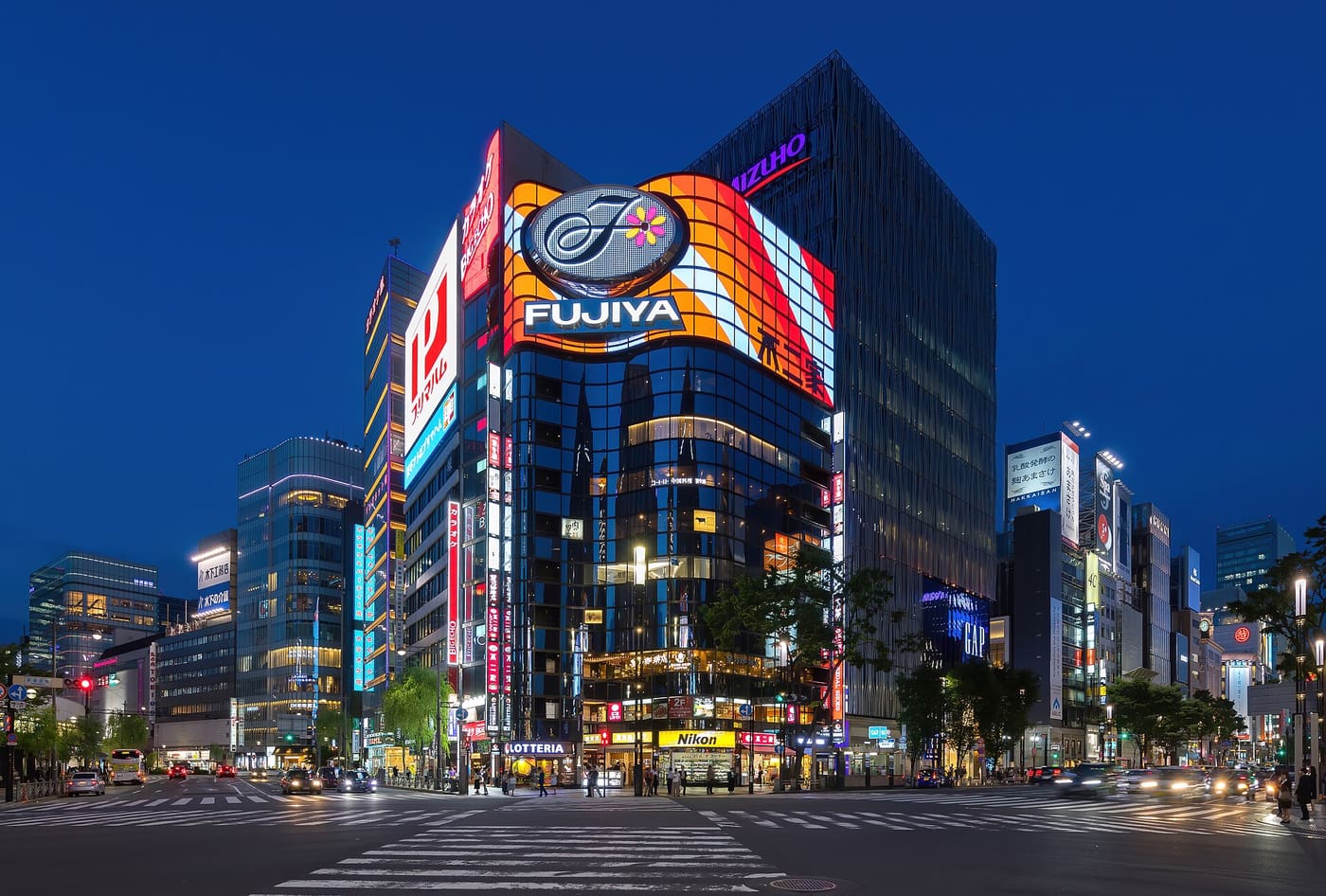
Ginza has practical advantages that get overlooked. It sits halfway along the Ginza Line, with direct trains west to Shibuya and north to Ueno and Asakusa. The Hibiya Line reaches Roppongi, the Marunouchi Line puts Tokyo Station one stop away, and the Asakusa Line runs through from Haneda to Higashi-Ginza. Tsukiji outer market is a short walk from most of the hotels.
If the budget is there, staying in Ginza means waking up somewhere polished and calm, with less of the crowd energy of Shinjuku or Asakusa. On a budget or mid-range trip, you’re better off one area over.
Median US$403 a night, index of 29 September 2026, from 41 listings.
Read more in Where to Stay in Ginza, Tokyo.
Ikebukuro: underrated and central
Ikebukuro gets underrated because it sits on the north side of the Yamanote loop, which puts it physically further from Shibuya and Harajuku. On the train, it’s about 11 minutes from Shibuya on the Fukutoshin express and 5 from Shinjuku on the JR lines.
The neighbourhood is bigger and more layered than most visitors expect. Sunshine City is a self-contained indoor complex on the east side. The west side has the department stores and the izakaya blocks. There’s serious ramen, big bookshops and a dense west-exit bar district with fewer tourists than Shinjuku’s. The west-exit blocks by the station include a red-light strip, safe but not what everyone wants outside the hotel at 11 PM.
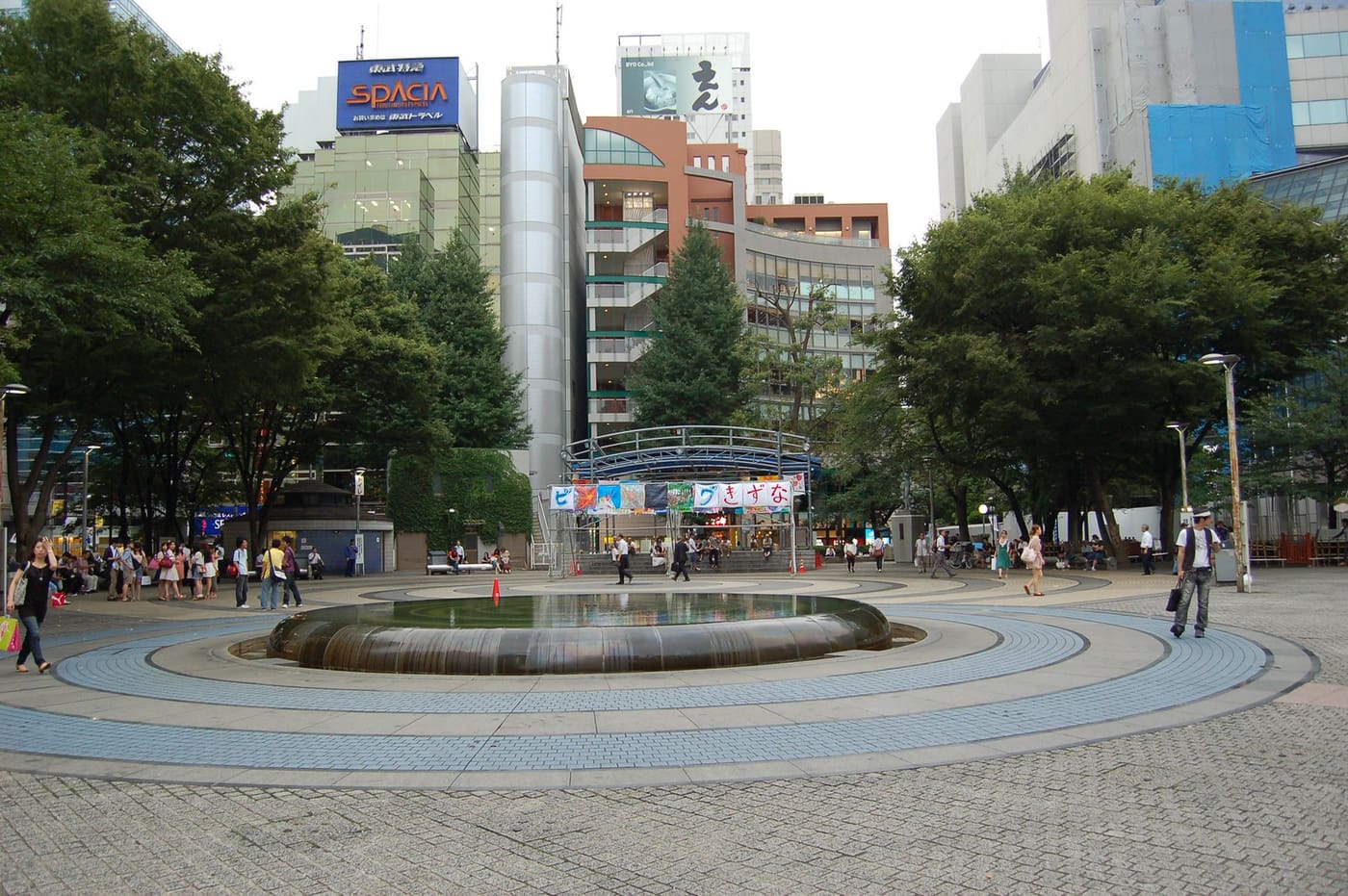
If you want a central Yamanote base with a big-station hotel cluster and you’re not set on the west side, Ikebukuro is the option nobody thinks of.
Median US$158 a night, index of 29 September 2026, from 141 listings.
Read more in Where to Stay in Ikebukuro, Tokyo.
Akihabara: niche but convenient
Akihabara is for a specific kind of traveller: someone whose itinerary centres on electronics, anime and manga, and who wants to walk out of the hotel straight into that world. The multi-storey electronics stores, the retro game shops and the figure retailers form a dense cluster around one station, and staying here means all of it is on your doorstep.
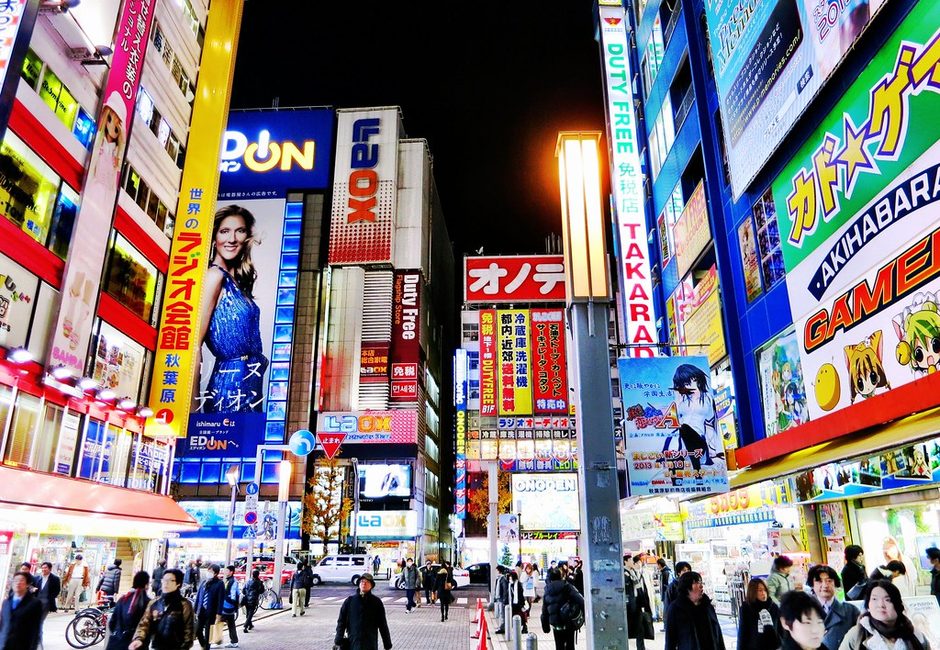
Outside that niche, Akihabara is thin as a base. Dining doesn’t go far beyond ramen and curry, nightlife is minimal, and the district works by day and empties at night. What you get in return is transport. The Yamanote, Keihin-Tohoku, Sobu, Hibiya Line and Tsukuba Express all stop here, so Ueno and Tokyo Station are each about four minutes away, Asakusa about five on the Tsukuba Express and Shinjuku under twenty.
If you want an east-Tokyo base without Asakusa’s tourist overlay, Akihabara works. For everyone else, it’s better as a day out.
Median US$186 a night, index of 29 September 2026, from 34 listings, against US$203 in Ueno one stop north.
Read more in Where to Stay in Akihabara, Tokyo, or, for a month or more, Apartments in Akihabara.
Ebisu: the food neighbourhood one stop from Shibuya
Ebisu is one Yamanote stop south of Shibuya, on the Hibiya Line as well, and it’s the answer if you like Shibuya’s location but not its noise or its median. The west side of the station is a grid of izakaya, wine bars and some of the city’s most decorated ramen, with Ebisu Yokocho as the rowdy heart. The east side is Yebisu Garden Place, with a free 38th-floor view at dusk. Daikanyama and Nakameguro are both within walking distance.
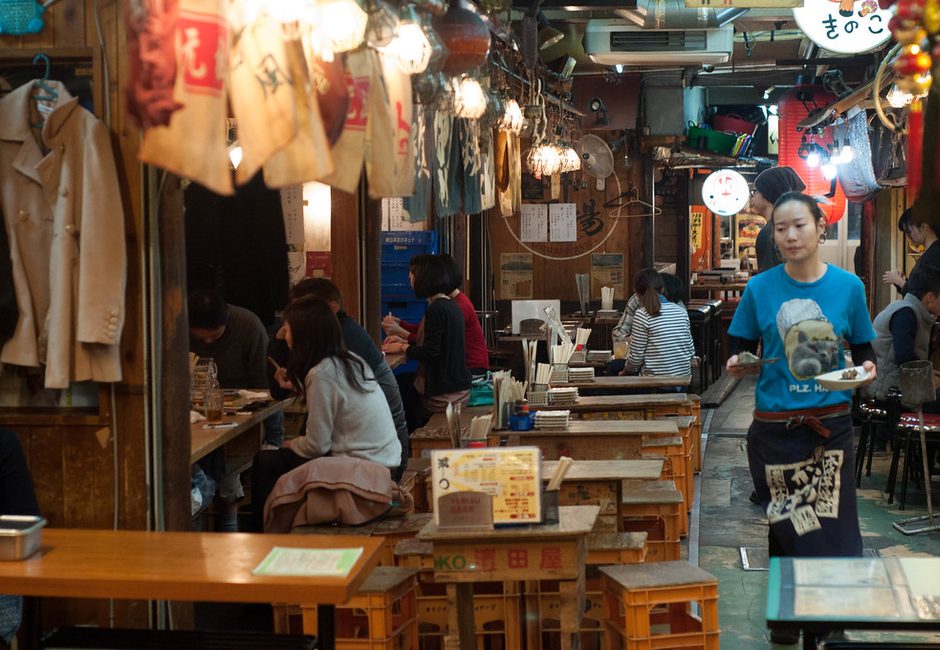
The hotels match the neighbourhood. The Westin Tokyo at Garden Place is the upscale anchor, and mid-range hotels such as Prince Smart Inn Ebisu sit in the grid west of the station, five minutes from the west exit according to its own site. Supply is far deeper than in Nakameguro or Daikanyama.
It suits food-focused travellers who want to walk home from dinner, couples who find Shibuya too loud, and anyone planning several evenings around counters and bars rather than sights.
Median US$233 a night, index of 29 September 2026, from 55 listings.
Read more in the Ebisu neighbourhood guide.
Nakameguro: canal life, almost no hotels
Nakameguro is the neighbourhood people recommend when you say you want to live in Tokyo for a bit rather than see it. The Meguro River canal, lined with coffee shops, small restaurants and design boutiques, is lovely in every season, and cherry blossom week turns it into one of the most photographed places in the city.
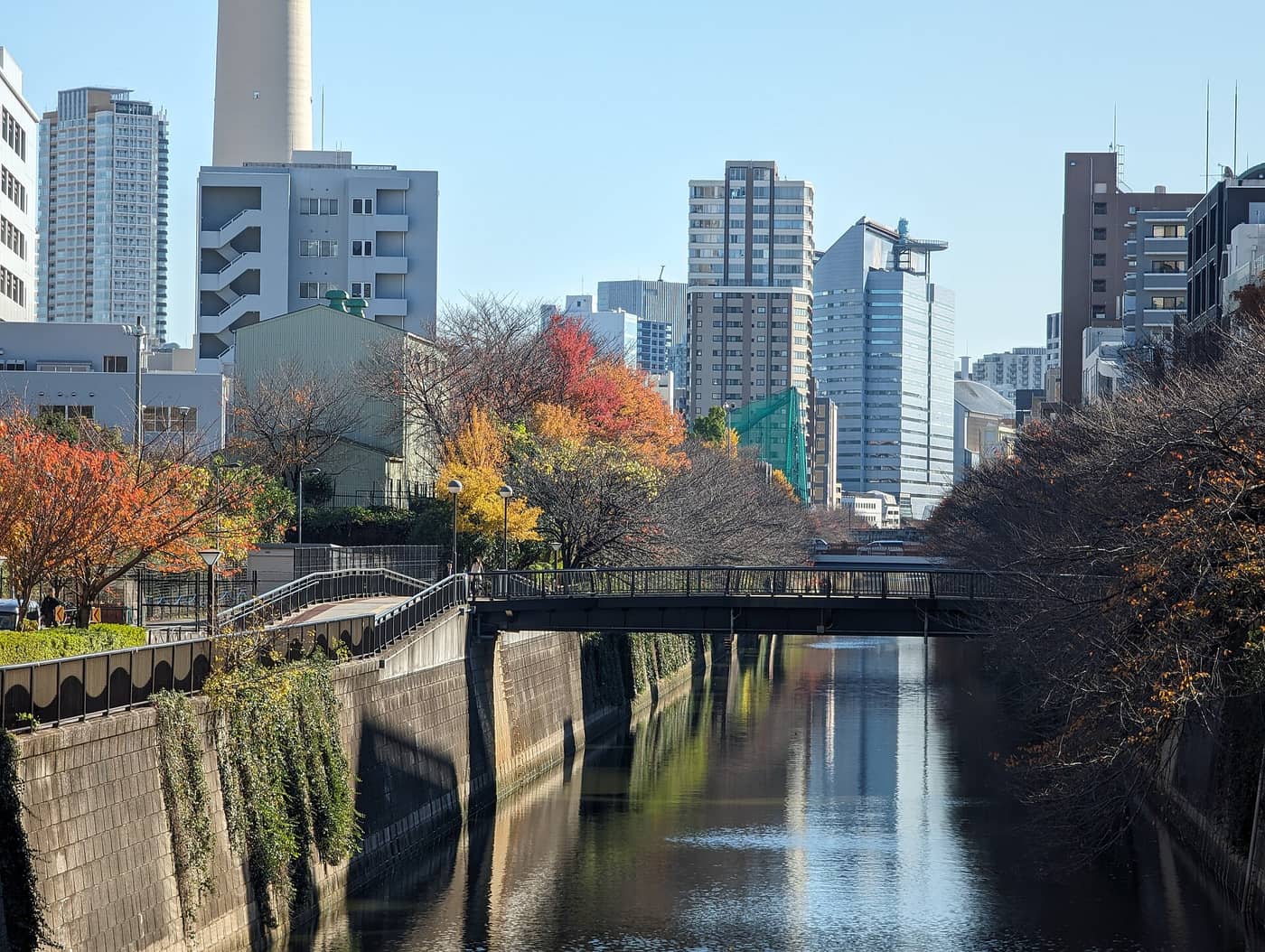
The problem is supply. The index found only 97 listings here. What exists is KKR Hotel Nakameguro, a public-servants’ mutual-aid hotel that takes general guests, a small guesthouse, a handful of apartment-style rentals, and everything else one stop away. The realistic plan is to sleep in Ebisu or Shibuya and be on the canal in ten minutes, or to take a rental for a week if slow mornings and wine bars are the point of the trip.
Transit is better than its reputation. The Toyoko Line reaches Shibuya in about 5 minutes and runs through to Shinjuku-sanchome, and the Hibiya Line goes direct to Ebisu, Roppongi, Ginza and Ueno.
Median US$256 a night, index of 29 September 2026, from only 97 listings, so treat the number as a rough guide.
Read more in Where to Stay in Nakameguro, Tokyo and the Nakameguro neighbourhood guide.
Yanaka: local neighbourhood feel for longer stays
Yanaka is the calmest neighbourhood on this list and the one that feels most like the Tokyo that existed before the economic boom rebuilt everything. The streets are narrow, the temples small and uncrowded, the old shotengai has tofu shops and pottery sellers alongside coffee, and the cemetery is one of the most peaceful walks in the city.
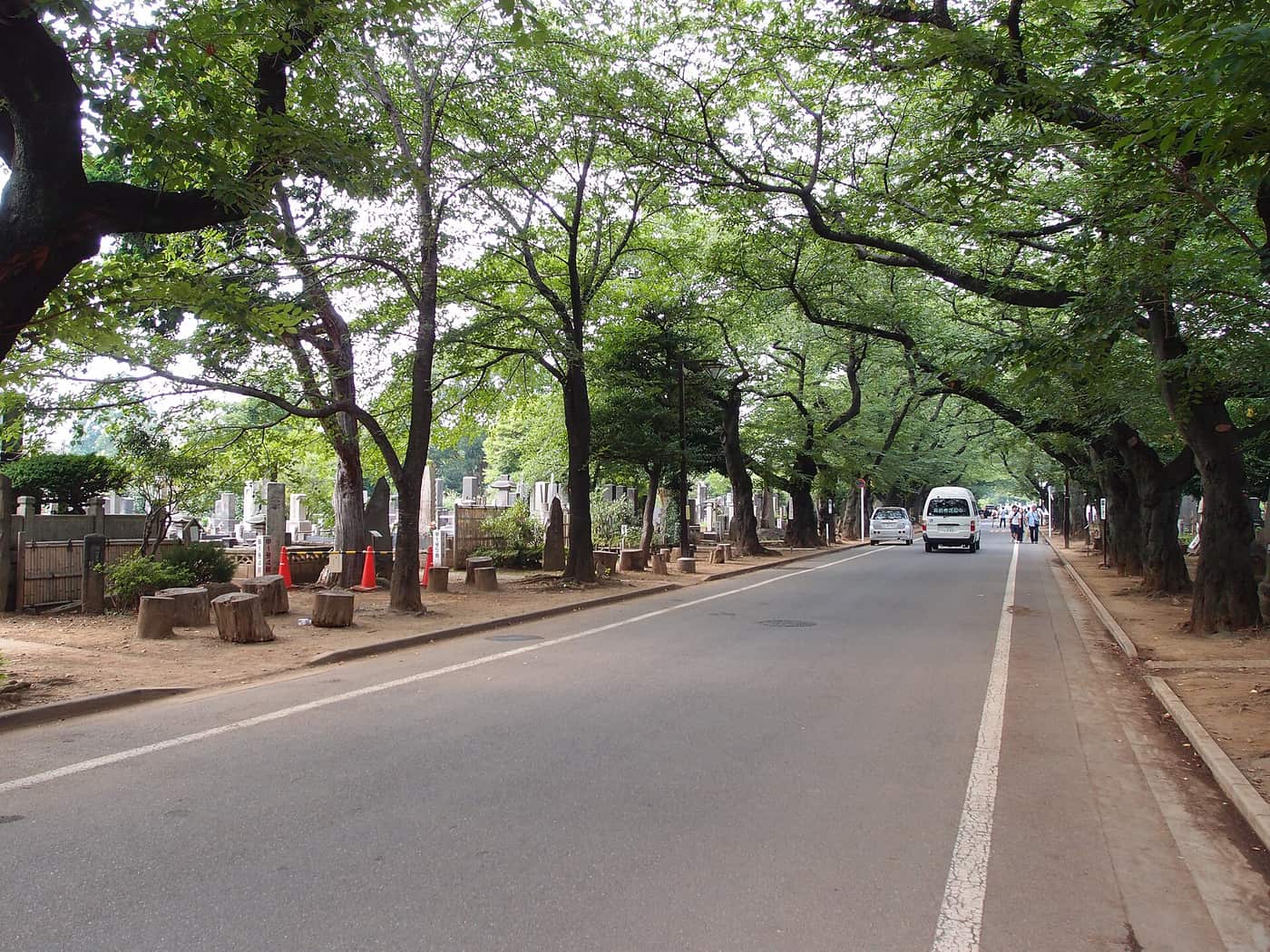
Staying in Yanaka makes most sense on trips of five days or more, if you want a neighbourhood rhythm rather than a tourist base. Nippori Station on the Yamanote, which is also where the Keisei Skyliner from Narita stops, and the Chiyoda Line at Nezu and Sendagi keep it connected, but getting to west Tokyo takes a while.
Hotels are limited: guesthouses, small ryokan and a few business hotels around Nippori and Uguisudani. That thinness keeps the neighbourhood from being overrun, which is part of the appeal.
Median US$191 a night, index of 29 September 2026, from 52 listings, a small sample that swings from week to week.
Read more in Where to Stay in Yanaka, Tokyo and the Yanaka neighbourhood guide.
What type of traveller are you?
First timer. Shinjuku, west side (Nishi-Shinjuku). Every district on this page is under 30 minutes away, the hotel supply is the deepest in the city, and the skyscraper side is calm at night. Asakusa is the alternative if temples and a calm evening matter more than nightlife. Shibuya is the pick only for a short trip of two or three nights where being inside the postcard is the point. The first-time guide walks through the decision.
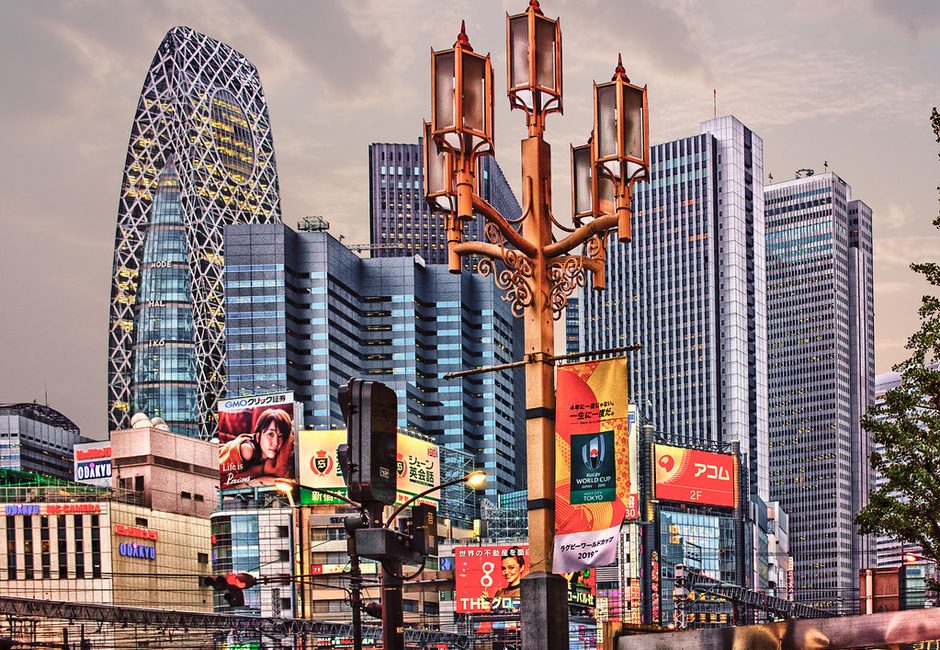
Culture and museums. Ueno. The museum cluster in Ueno Park is unmatched in Tokyo, and Asakusa is five minutes away on the Ginza Line when you want the temple district.
Nightlife and bars. Shinjuku for scale and variety. Ebisu for counters and cocktail bars in a neighbourhood that stays civilised.
Shopping and big-city energy. Shibuya. You pay one of the highest medians on this page to sleep next to the scramble crossing, but nowhere else in Tokyo feels as switched on, and Harajuku, Daikanyama and Shimokitazawa are minutes away. The Shibuya hotel guide covers the full range.
Luxury trip. Ginza. If the budget is there, the address earns it, and the neighbourhood’s access south and east gets underrated.
Lowest rate. It changes week to week. Check the price index for the current order before you assume Asakusa, Ueno or Ikebukuro is the cheap one.
Food first. Ebisu. Sleep within a walk of the west-side grid and eat every night without a train.
A neighbourhood feel. Yanaka for the calmest option. Nakameguro for the canal, with the caveat that you’ll probably be sleeping in Ebisu.
The hotel booking reality in Tokyo
Search with dates, not tiers. Enter your dates on the map and use Search this area. Every hotel pin quotes those dates, and the price index shows how each neighbourhood’s median has moved week by week. A neighbourhood that was cheap in June isn’t necessarily cheap in October.
Book early. For cherry blossom season (late March to early April) and Golden Week (late April to early May), three to four months ahead isn’t excessive. Rooms go fast in both, and New Year (31 December to 3 January) is similar. For other seasons, six to eight weeks is usually enough for a reasonable choice.
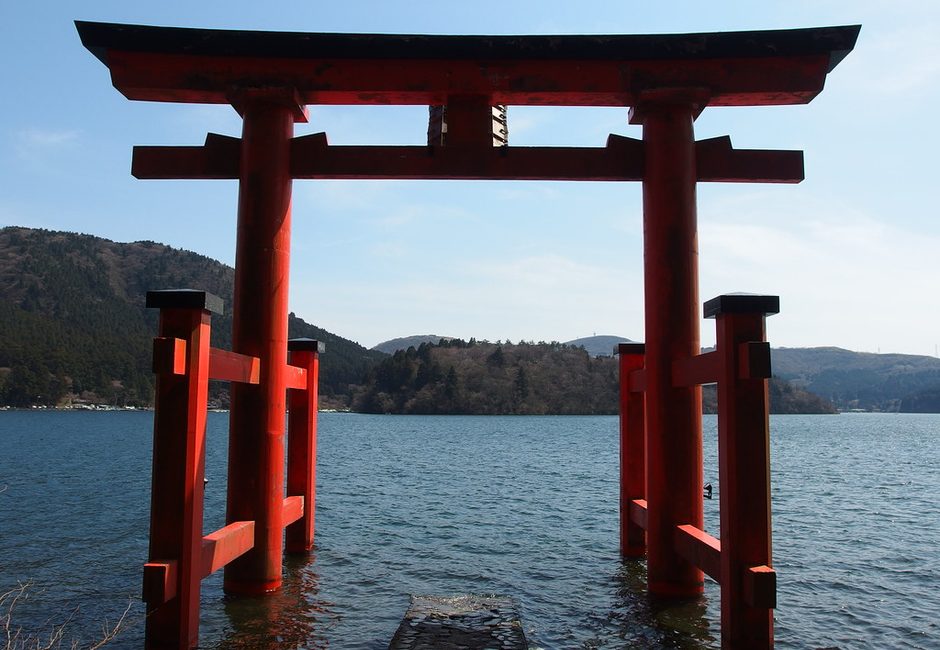
Know the accommodation types. Business hotels are the workhorse: clean, small rooms (12 to 16 square metres is typical), reliable wifi, and at chains such as Dormy Inn a shared bath floor. Capsule hotels have improved enormously and offer the cheapest legitimate beds in the city, with clean pods, coin lockers and usually a communal bath. The capsule hotel guide explains what a night involves. Traditional ryokan are rare in Tokyo. For the full ryokan experience, a night in Hakone or Nikko tends to give you more than a city ryokan at a similar price, and the ryokan guide covers both the Tokyo options and the better plan.
Read the small print. Extra-person charges are common. A room listed for one person can cost a good deal more when you book it for two. Check for service fees on top of the room rate at upper-mid-range properties. No-shoes rules apply inside rooms at guesthouses and ryokan, and sometimes at capsule hotels. If you’re bringing bulky luggage, check whether the hotel has storage, because some smaller business hotels don’t.
Room size is a feature, not a bug. A 12 square metre room in Tokyo is normal, and it works. The layout is designed for that scale. If the size bothers you, step up to the mid-range hotels in the 20 to 30 square metre range, which exist in most of the areas above. Don’t assume a Western-sized room without checking the floor plan.
Explore the map
All the places and neighbourhoods in these guides are plotted on the interactive Tokyo travel map. Use it to see the distances between areas, browse by category to see what’s near a hotel you’re considering, and run the dated hotel search once you know your nights.
Related reading
- First Time in Tokyo: The Best Neighborhood to Stay In
- Shinjuku vs Shibuya
- Where to Stay in Shinjuku, Tokyo
- Best Hotels in Shibuya, Tokyo
- Where to Stay in Asakusa, Tokyo
- Where to Stay in Ueno, Tokyo
- Where to Stay in Ginza, Tokyo
- Where to Stay in Ikebukuro, Tokyo
- Where to Stay in Akihabara, Tokyo
- Where to Stay in Ryogoku, Tokyo
- Apartments in Akihabara: Monthly Rentals and Serviced Apartments
- Where to Stay in Nakameguro, Tokyo
- Where to Stay in Yanaka, Tokyo
- Capsule Hotels in Tokyo: What They’re Actually Like
- Ryokan in Tokyo: the real ones, and when to book Hakone instead
Places in this guide
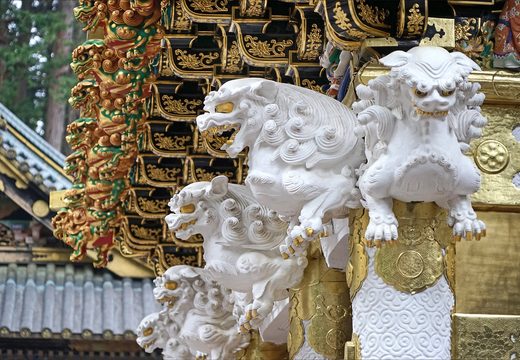
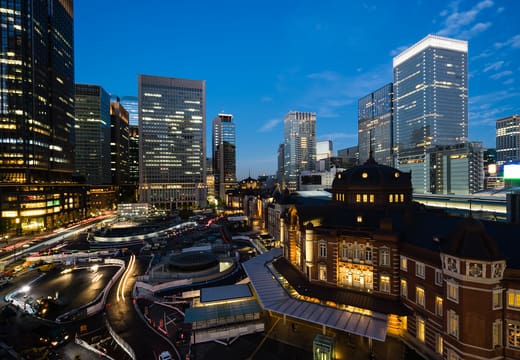
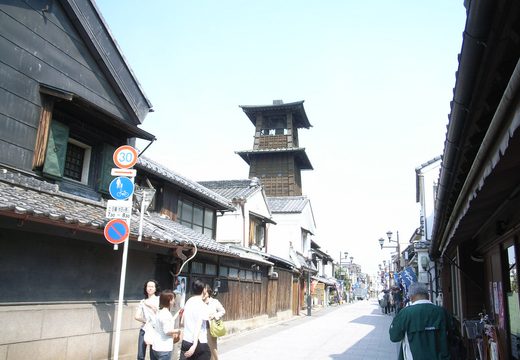
Photos show the actual places, licensed under Creative Commons and credited to their photographers.
Find hotels in Tokyo
Browse live availability and compare prices for your dates.