Tokyo Transport Passes: Is the JR Pass Worth It?
Is the JR Pass worth it for Tokyo? Official prices, what Suica and Pasmo do, the Tokyo Subway Ticket, and the Hakone and Nikko passes, as of October 2026.
For a trip that stays in Tokyo, you don’t need the JR Pass. A Suica or Pasmo card covers the trains, subways and buses, and the passes that do pay off are the small ones for a day trip. The Japan Rail Pass is a long-distance product, and it only makes sense when you’re riding long routes between cities.
Prices below are as of October 2026 and were read on the operators’ own pages. They change, so check the linked page before you buy.
Suica and Pasmo
Both are rechargeable IC cards. You tap in and out at the gate, and the same card pays on buses and at many shops. Pasmo’s own site says the two work across the Tokyo area and are one of ten IC cards that work across Japan, Suica among them, so a Suica from Tokyo also works on a Pasmo-only line and in other cities that take the logo (Pasmo).
Pasmo’s page presents a Tourist Pasmo for international visitors, sold at Haneda and Narita with no service charge. The same page notes that Android phones bought outside Japan are in general not compatible with Mobile Pasmo, so check before you plan around a phone wallet.
An IC card can also change what you pay. Keisei notes that the Skyliner fare comes to 2,465 yen (a 1,235 yen ticket plus a 1,230 yen Skyliner ticket) when you pay with an IC card at the gate (Keisei). The airport guide has the rest of the airport options, and the travel tips guide covers how to get a card.
The Tokyo Subway Ticket
The Tokyo Subway Ticket is an unlimited ride ticket for the Tokyo Metro and Toei subway lines, valid for 24, 48 or 72 hours. Keisei sells it bundled with a Skyliner ticket from Narita, and says the subway part is valid for a 24, 48 or 72 hour period within six months of buying (Keisei).
The ticket prices are on the Tokyo Metro and Toei pages, which didn’t load from here, so this guide doesn’t quote them. Check Tokyo Metro before you buy. The sum to do is simple. Count the subway rides you expect in the window, multiply by the fare, and compare. It doesn’t cover JR lines such as the Yamanote, which matters in Shinjuku and Shibuya.
The Japan Rail Pass
The Japan Rail Pass is sold in 7, 14 and 21-day versions, for ordinary or Green cars. The official site lists these adult prices when you buy online (Japan Rail Pass).
| Pass | Ordinary car | Green car |
|---|---|---|
| 7 days | 50,000 yen | 70,000 yen |
| 14 days | 80,000 yen | 110,000 yen |
| 21 days | 100,000 yen | 140,000 yen |
Children aged 6 to 11 pay half. The same table shows slightly higher prices when you buy at an overseas agency, for example 53,000 yen for the 7-day ordinary pass. The page says prices are subject to change and that the price at the time you buy applies.
You may have read about a price change in October 2026. The pages read for this guide list the figures above and don’t mark them as new or old, so check the table on the site on the day you buy rather than trusting a number from an article.
What the pass covers matters more than the price. It’s valid on JR trains including most shinkansen, limited expresses and local trains, and on the Tokyo Monorail to Haneda. It doesn’t cover the Nozomi and Mizuho shinkansen unless you buy a separate special ticket, and it doesn’t cover non-JR railways such as Keisei, Tobu or Odakyu. Check the conditions before you plan around a private line (conditions of use). Only visitors with temporary visitor status can buy it, plus Japanese nationals living abroad who meet the site’s conditions (eligibility).
Is it worth it?
A week inside Tokyo, no. An IC card covers the city’s trains, and the JR Pass is built for long rides between cities.
It can pay if your trip is mostly long rail rides in the days the pass is valid. The way to find out is to list every long ride you plan, look up each fare on the operator’s fare search, add them, and compare with the pass price. Remember the Nozomi rule when you price the Tokyo to Kyoto or Osaka leg, since the fastest train isn’t covered without the extra ticket.
If you only take a day trip or two from Tokyo, a regional pass is almost always the better fit.
Day trip passes
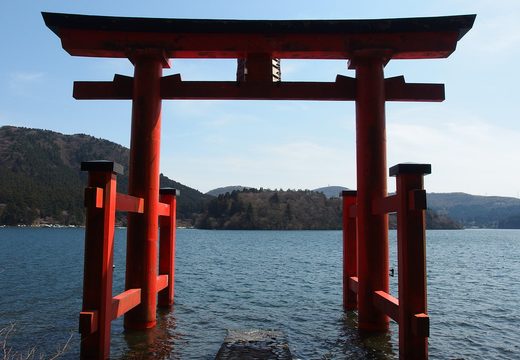
Hakone. Odakyu’s Hakone Freepass is 7,100 yen for adults and 1,600 yen for children, valid for 2 days from Shinjuku. It includes round-trip Odakyu fare from Shinjuku and unlimited rides on eight kinds of transport in the area, and the limited express Romancecar seat costs extra (Odakyu). The Hakone guide shows the loop it’s built for.
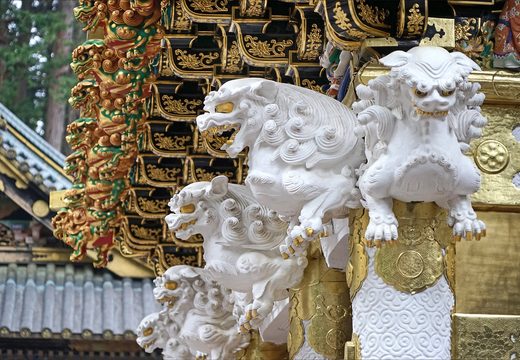
Nikko. Tobu sells two passes to foreign travellers. The Nikko Pass World Heritage Area is 3,000 yen for adults and 1,500 for children, valid for 2 days. The All Area version is 8,000 yen for adults and 4,000 for children, valid for 4 days. Both include a round trip between Asakusa and Shimo-Imaichi. Neither includes a limited express ticket or shrine admission (World Heritage Area, All Area). The Nikko guide covers which one suits a day.
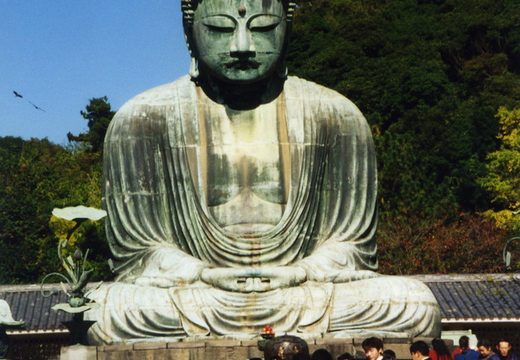
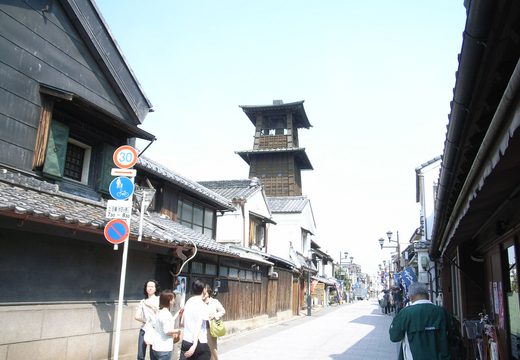
Kamakura, Kawagoe and Takao don’t need a special pass. The day trips guide compares all of them.
Where to see what’s on once you’re moving
Whichever ticket you hold, the map shows where places sit relative to the stations, and events lists what’s on across Tokyo. This weekend shows the next two days, and live music lists the gigs. For a base near the lines you’ll use, see where to stay in Tokyo.
Frequently Asked Questions
Should I buy a JR Pass for Tokyo?
Not for Tokyo alone. Buy one only if the long rides you’ve planned add up to more than the pass price on the operator’s own fare pages. Check the prices on the official pass site on the day you buy.
Is Suica or Pasmo better?
They work the same for a visitor. Pasmo’s site says the two are interoperable, so pick whichever is easier to get.
Does the JR Pass cover the Narita Express or the Skyliner?
The Narita Express is a JR East train, so ask JR East or the pass site whether your pass covers it before you rely on it. The Keisei Skyliner is a Keisei train and isn’t a JR service, and the pass conditions exclude non-JR railways, so don’t count on it there. See the airport guide.
How many days should I plan?
The how many days guide matches trip length to what’s worth doing, and the trip cost guide puts the transport figures next to the rest of the budget.
Places in this guide
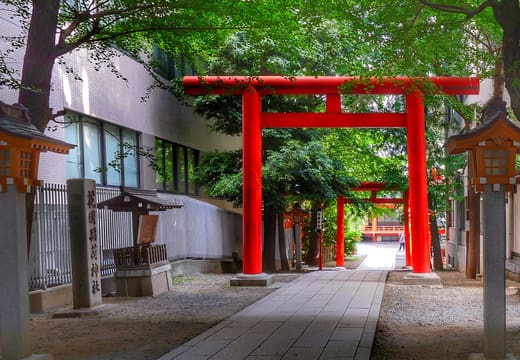
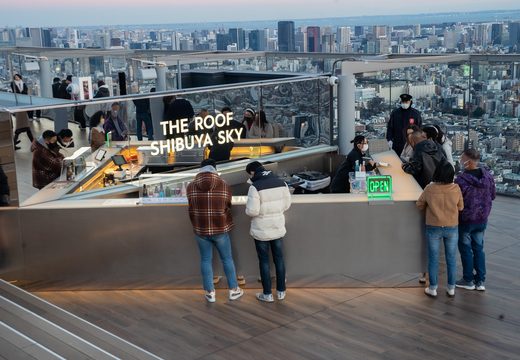
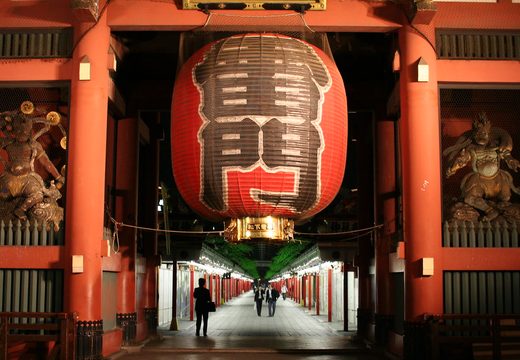
Photos show the actual places, licensed under Creative Commons and credited to their photographers.
Find hotels in Tokyo
Browse live availability and compare prices for your dates.
See hotels near Tokyo on Booking.comPrices are for the night of Saturday 31 October. You can change the dates on Booking.com. If you book, Roam Tokyo earns a small commission from Stay22 at no extra cost to you.