Kuramae
Makers, roasters and old granaries on the Sumida, a short walk from Asakusa
Kuramae takes its name from the shogunate's rice granaries that once lined this stretch of the Sumida, and it's spent the last fifteen years turning a quarter of small workshops and wholesalers into Tokyo's quietest creative district. Come for custom notebooks, bean-to-bar chocolate, one of the world's top roasters across the river, and two old shrines with sumo and festival history.
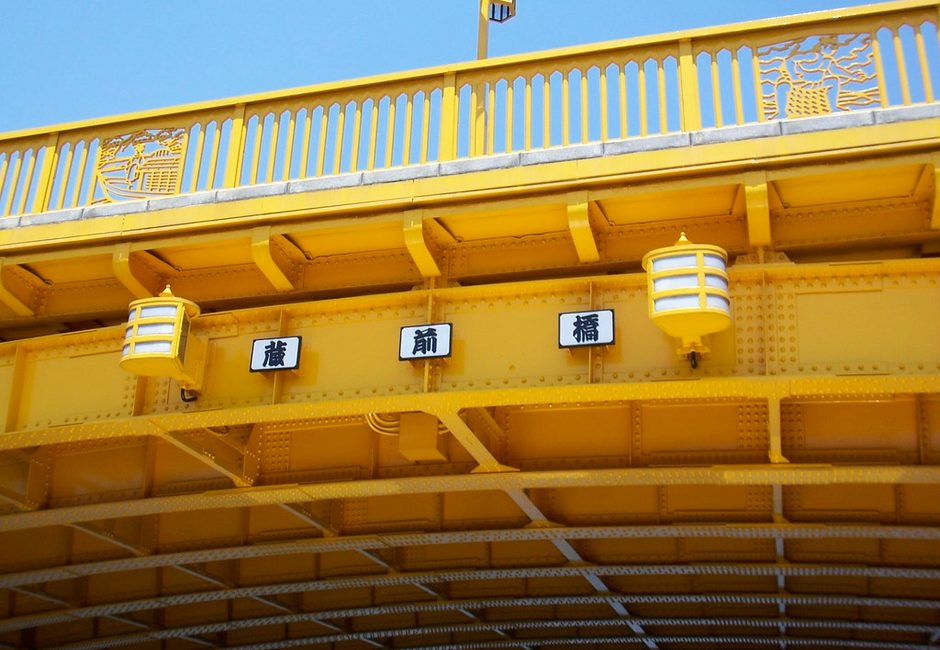
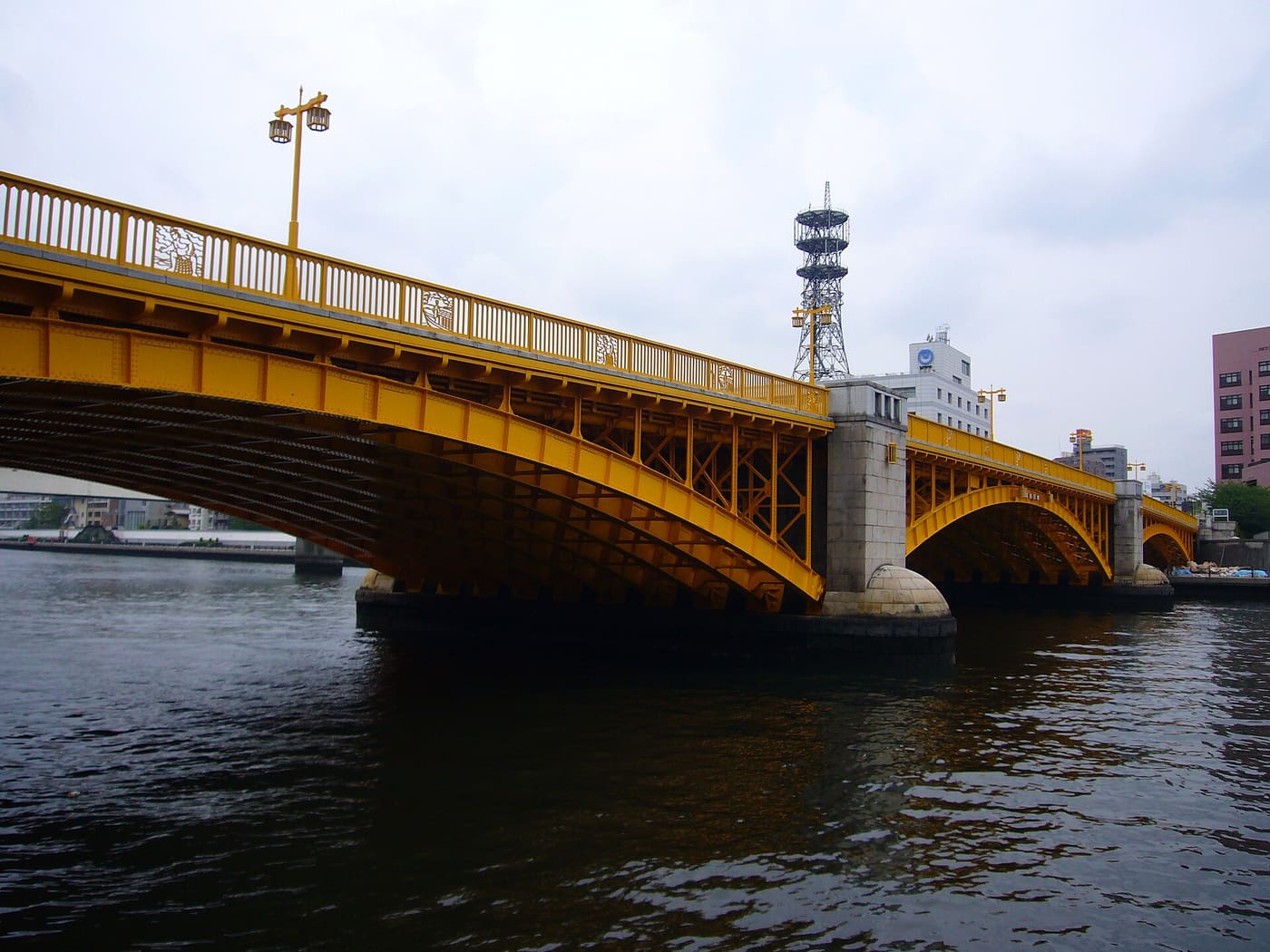
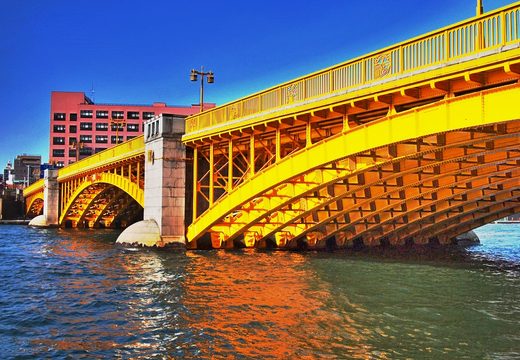
Kura-mae means in front of the storehouses, and the granaries that fed Edo's samurai stood along the river here. That's why Kuramae Bridge is painted yellow, for their rice husks. Later the district became a place of small factories and wholesalers, and between 1950 and 1984 it was sumo's home, with the Kuramae Kokugikan by the river before the sport moved back to Ryogoku. The warehouses and workshops that are left now hold studios, design shops and cafes.
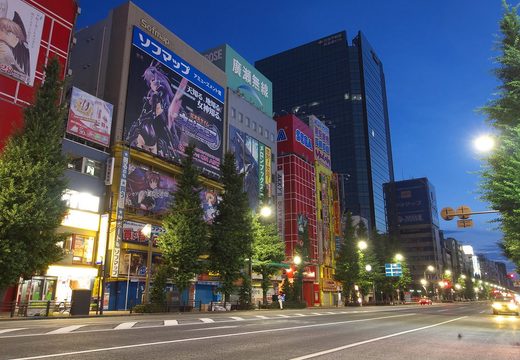
It's a neighbourhood for a slow half day. The shops mostly open around 11am, the streets are residential and calm, and you're never more than a short walk from any of it. Asakusa is about twelve minutes north, Akihabara fifteen minutes west. Start the morning at the shrines or by the river, then work through the shops and cafes once their doors open.
Kuramae in photos
Getting there
Toei Asakusa Line or Toei Oedo Line to Kuramae. The two lines' stations are a short walk apart. Asakusa and JR Asakusabashi are both within about fifteen minutes on foot.
What to see
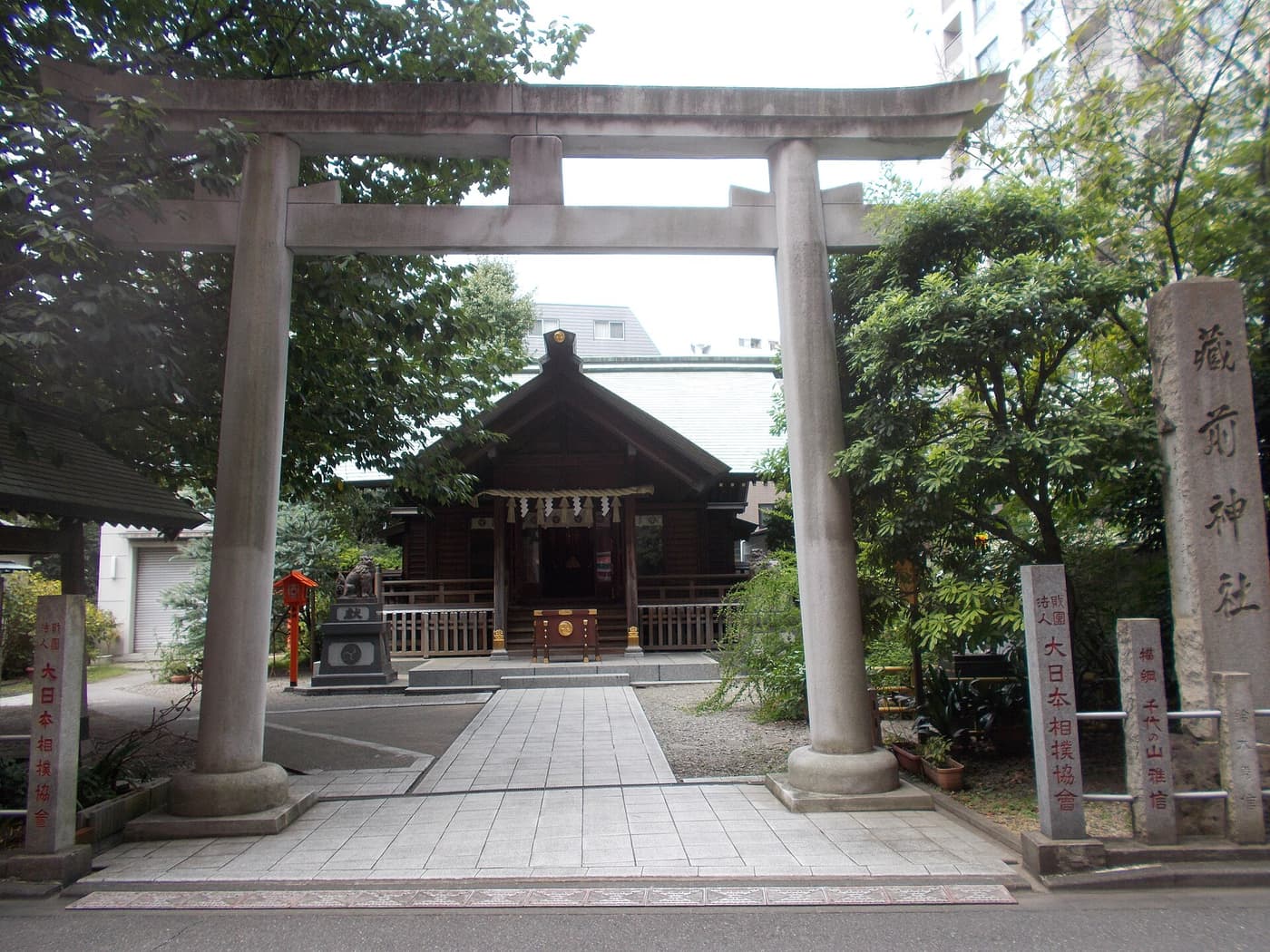
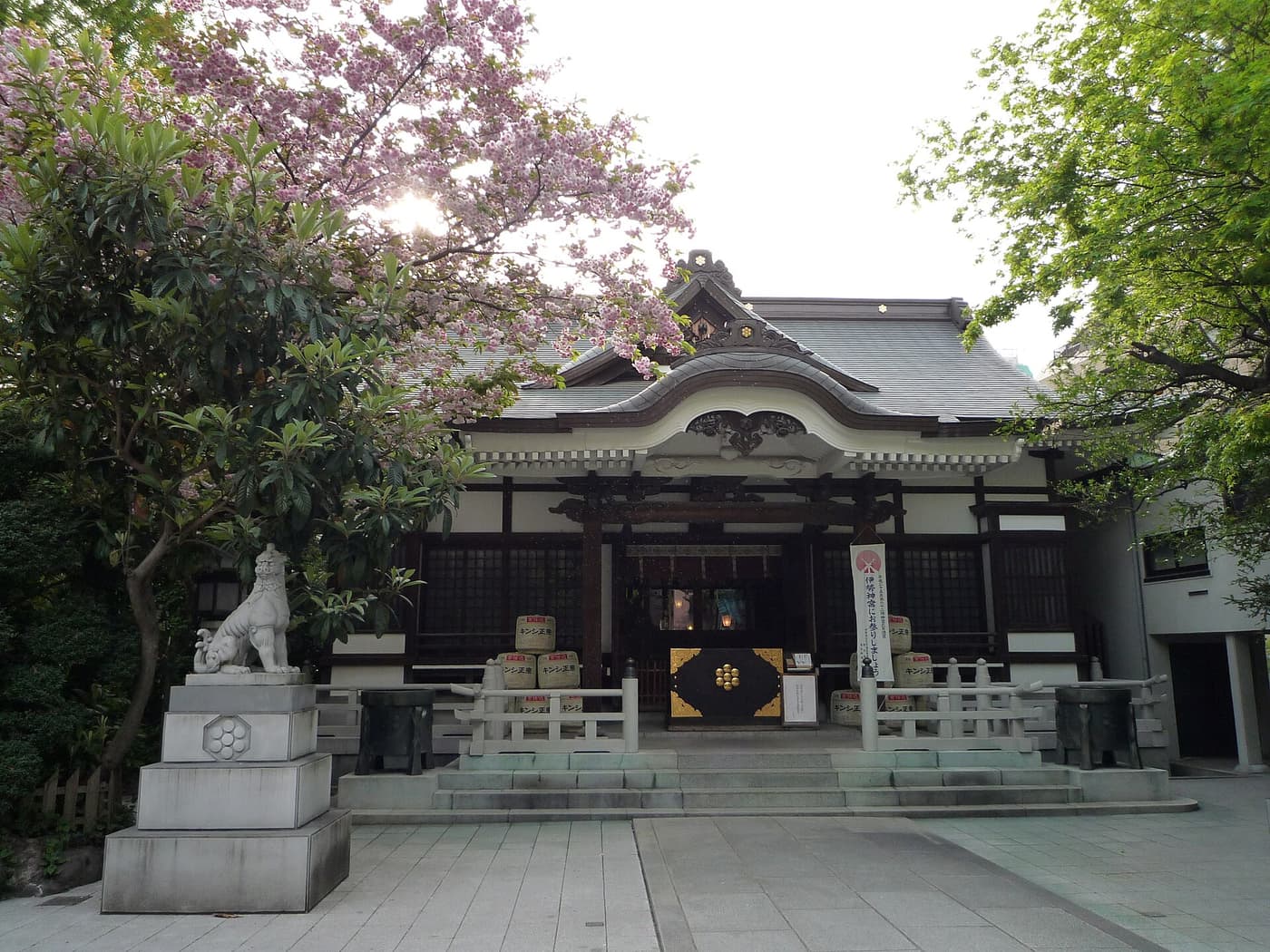
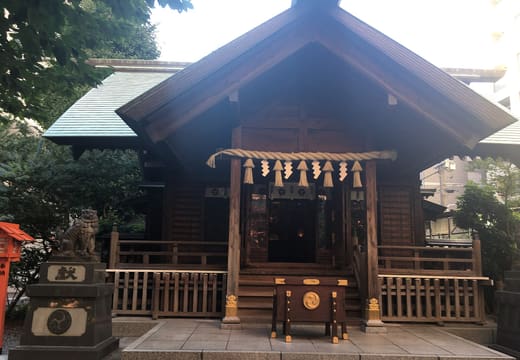
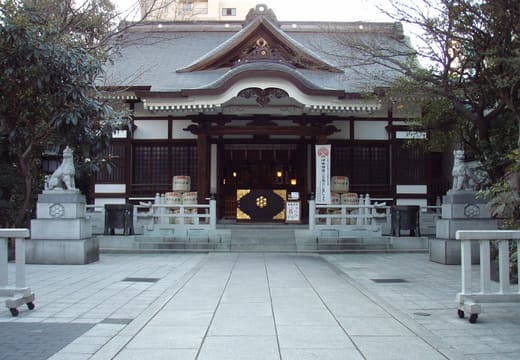
Start with the shrines while the shops are still shuttered. Kuramae Shrine, a minute from the station, was founded in 1693 when the shogun Tokugawa Tsunayoshi enshrined the deity of Iwashimizu Hachimangu here, and in the 18th century its grounds staged sumo tournaments. It's where the ozeki Tanikaze lost to Onogawa in 1782, ending a 63-bout winning run. Torigoe Shrine, on the south-west edge of the district, is said to date from 651 and hosts the Torigoe Matsuri in early June, when its Sengan Mikoshi, at around four tonnes the heaviest portable shrine in Tokyo, is carried through the streets and brought back by lantern light.
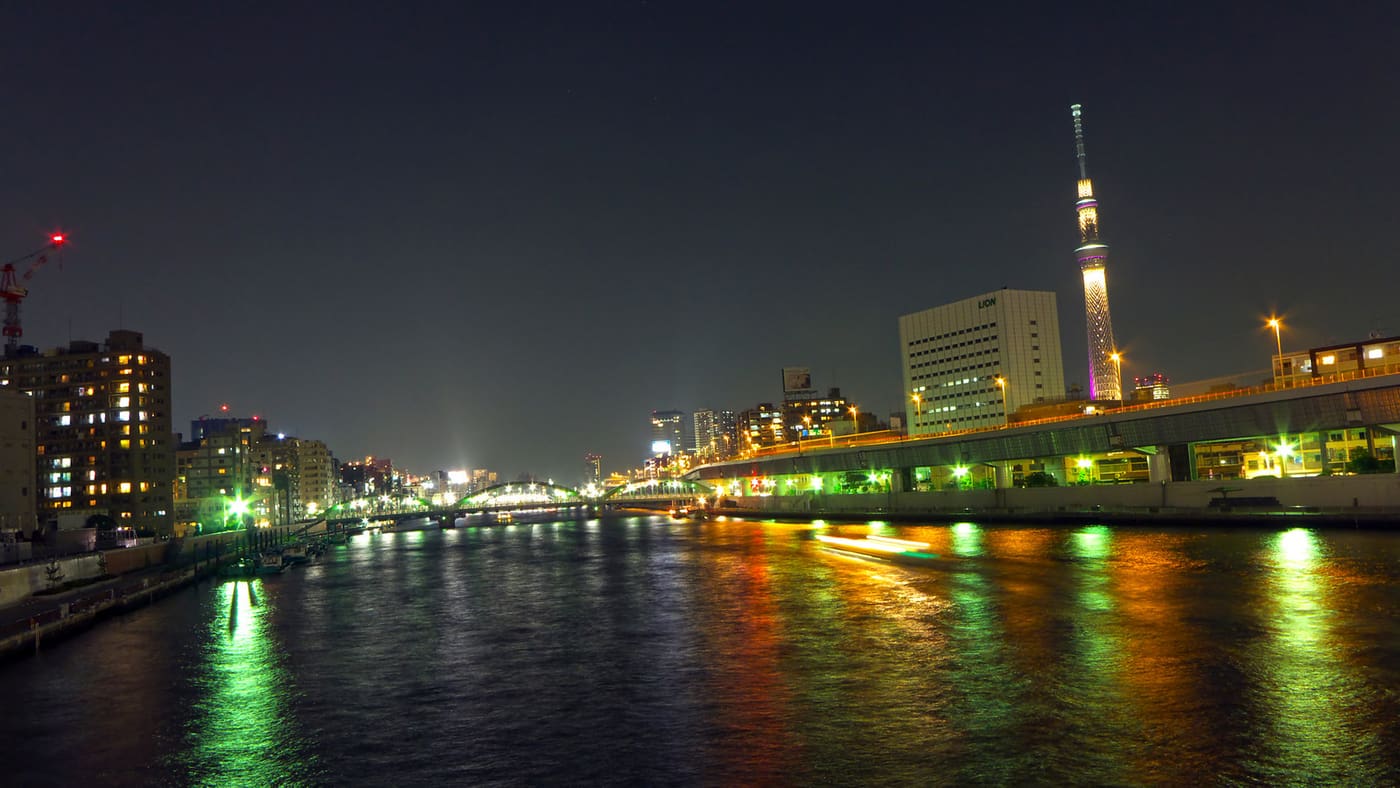
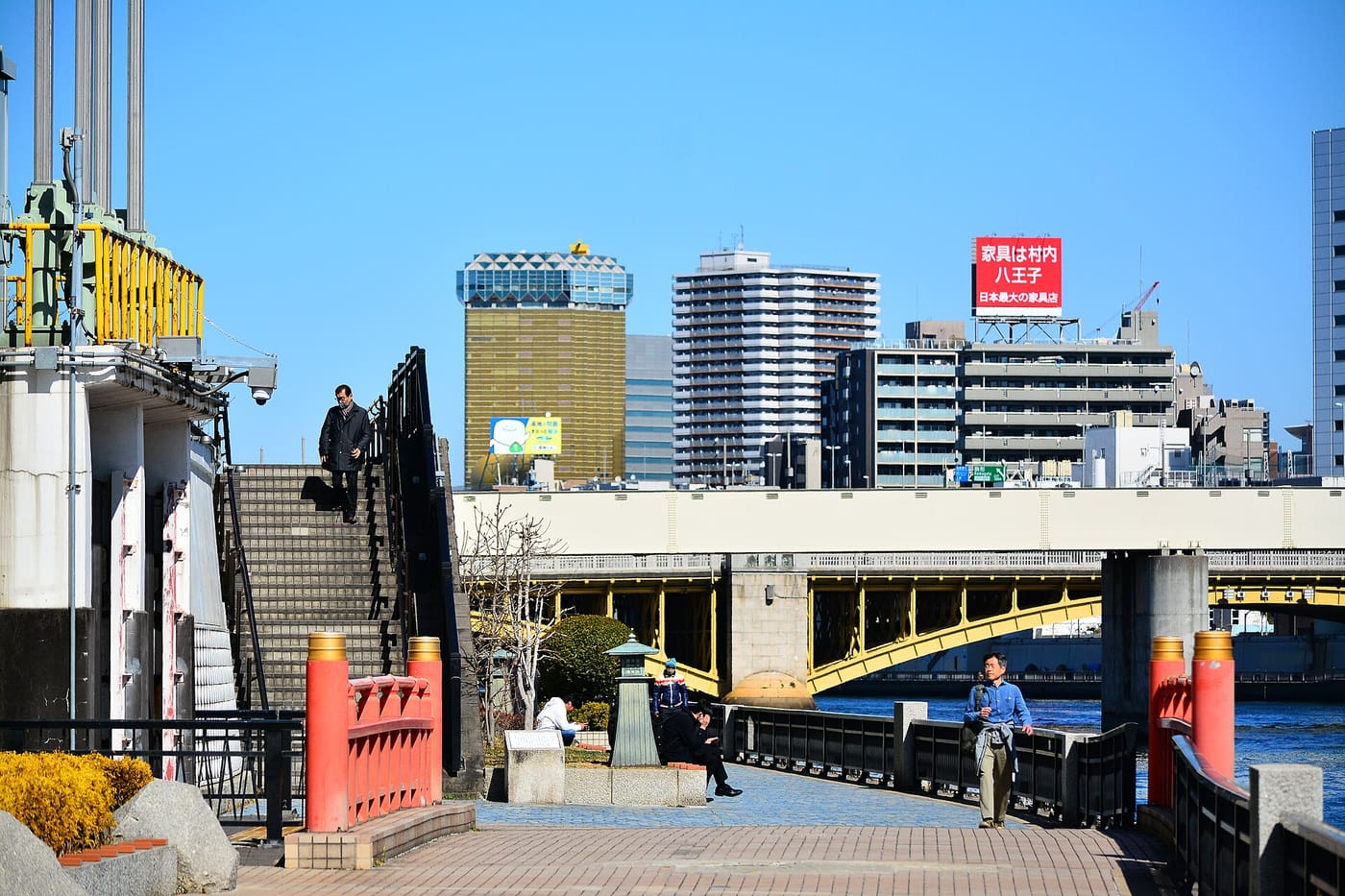
Then walk down to the river. Kuramae Bridge, a steel arch from 1927 painted yellow for the rice husks of the old granaries, frames Tokyo Skytree from the riverside terrace below, and the path along the water runs north to Asakusa in about twenty minutes. Everything else in Kuramae is shops. Kakimori binds custom notebooks while you wait, SyuRo sells everyday goods and tins in Torigoe, and there's a scatter of leather, ceramics and design studios in the lanes between Edo-dori and the river.
Where to eat and drink
Kuramae's reputation was built on its cafes. Dandelion Chocolate Kuramae, the San Francisco bean-to-bar maker, set up in a renovated warehouse and serves hot chocolate flights that let you compare three single origins side by side. Across the Sumida at Honjo-Azumabashi, Leaves Coffee Roasters, founded in 2019 by former professional boxer Yasuo Ishii, has been named among the world's top roasters and still feels like a neighbourhood stand. It's only open Friday to Monday, roughly 10am to 5pm, so check before you cross the bridge.
Lunch is simple and local. Noodle shops, burger and sandwich cafes and set-meal counters serve the workshops, and it's easy to carry your picnic down to the riverside terrace. Kuramae is quiet after dark, so most visitors walk twelve minutes north to Asakusa, where the izakaya streets around Hoppy-dori stay lively into the night, or take the Asakusa Line a few stops south to Ningyocho.
Where to stay
Kuramae has a small mix of hostels, design-led small hotels and business hotels, with far more choice a short walk north in Asakusa. The Toei Asakusa Line is the practical advantage. Through trains run to Haneda Airport in one direction and toward Narita in the other, so you can make Kuramae an easy first or last night, and the Oedo Line loops to Ryogoku, Roppongi and Shinjuku. It suits travellers who want Asakusa's sights within walking distance without sleeping in its crowds, couples, and creative types who'll spend their money on notebooks rather than room service.
How to do it in a day
Arrive at Kuramae station mid-morning and start at Kuramae Shrine, then walk down to Kuramae Bridge and the riverside terrace for the Skytree view. If it's a Friday to Monday, cross the Sumida to Leaves Coffee Roasters for the morning coffee. Back on the Kuramae side, Kakimori opens at 11am. Pick your cover, paper and rings, and take away a notebook bound on the spot. Walk a block south to Torigoe Shrine, then lunch in the lanes and browse the design shops through the early afternoon. Finish with a chocolate flight at Dandelion Chocolate Kuramae, then follow the river north to Asakusa for the temple in the evening light and dinner in its izakaya streets.
Nearby neighbourhoods
The best of Kuramae
Things to do in Kuramae
From the blog
Stay in Kuramae
Browse live availability and compare prices around the neighbourhood.
Median US$184 a night across 60 listings within 0.6 km for a two-night stay a month out, sampled 29 September 2026. Cheapest quarter under US$141. See the weekly index for every neighbourhood.