Ryogoku
Sumo town on the Sumida, with Hokusai and a tidal garden next door
Ryogoku is sumo's home. The national stadium is beside the station, the stables are in the side streets, and you'll see wrestlers in yukata on the platform. Around the Kokugikan sit the newly reopened Edo-Tokyo Museum, a Hokusai museum in the district where he was born, and a small garden built to follow the river tides. It's one of the easiest half-days in east Tokyo.
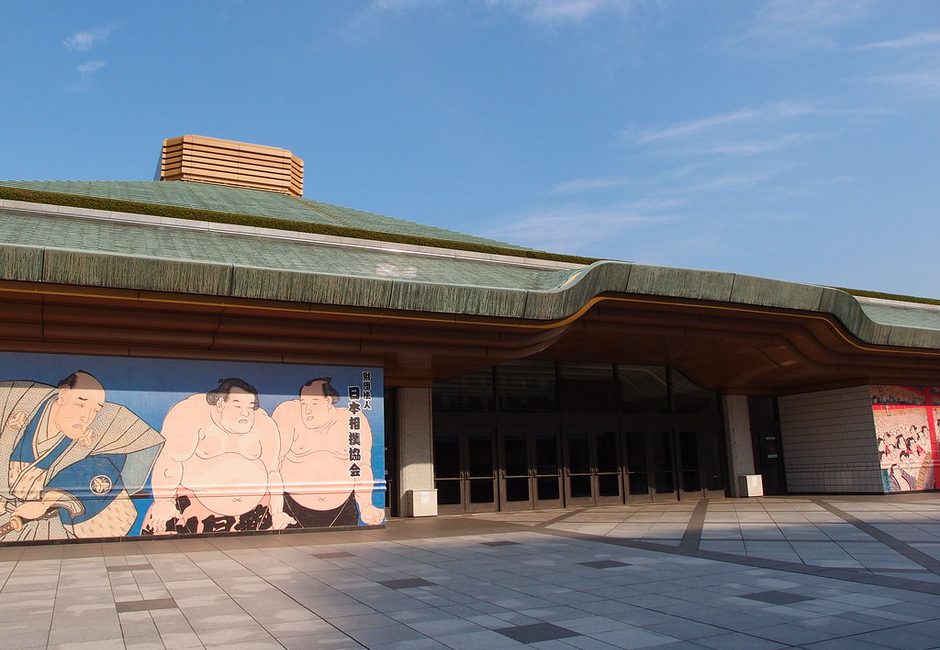
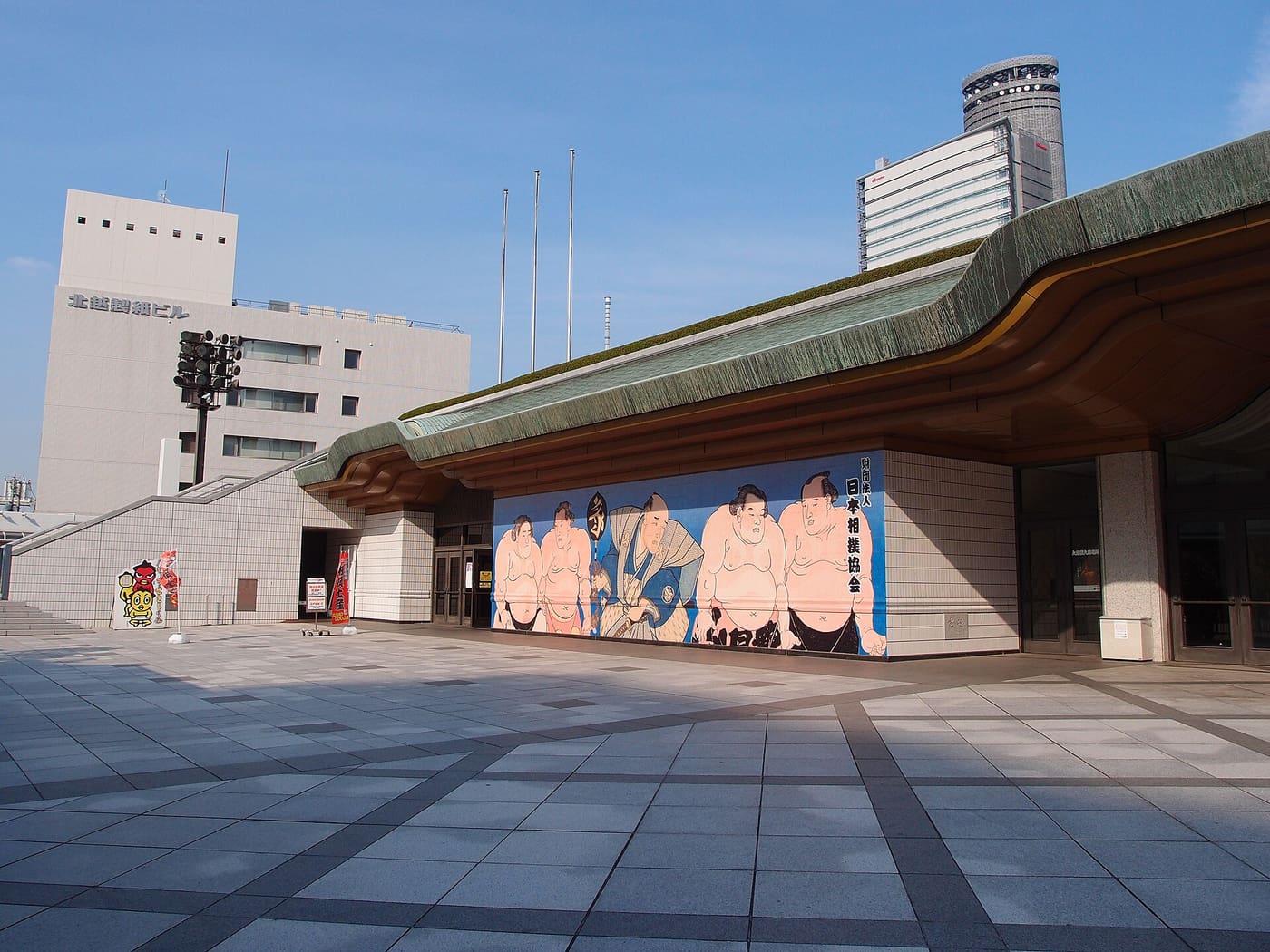
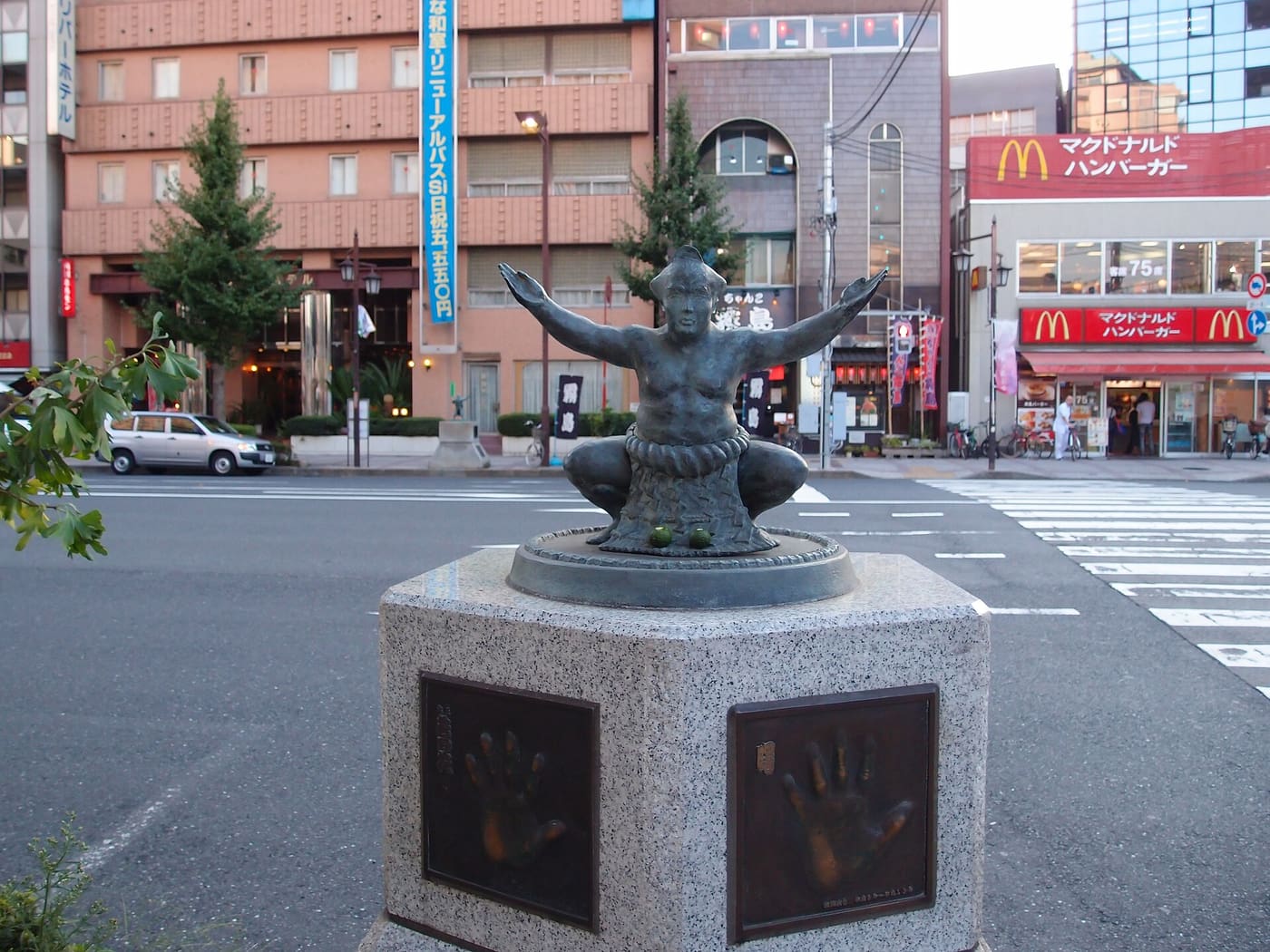
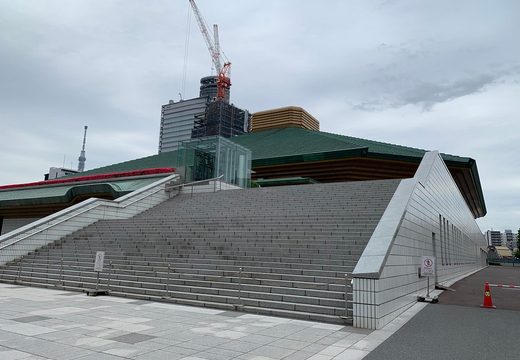
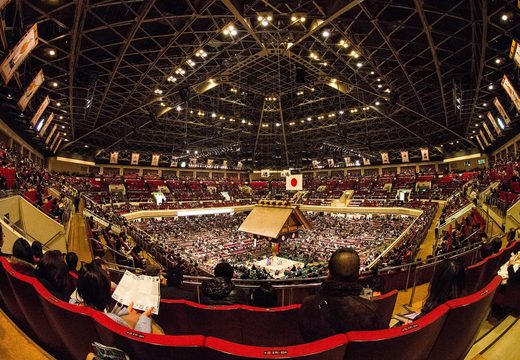
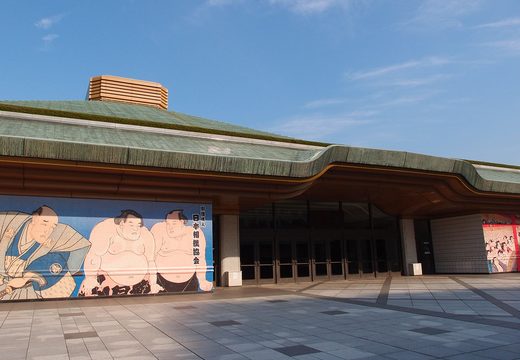
Sumo has been staged in Ryogoku since the Edo period, first in the grounds of Ekoin temple and from 1909 in the first Kokugikan beside it. After a spell across the river in Kuramae from 1950, the sport came back in January 1985, when the present Ryogoku Kokugikan opened next to the station. The neighbourhood still runs on it. Sumo stables sit in the streets around the arena, chanko nabe restaurants are everywhere, and during a tournament the tall banners outside the stadium line the street.
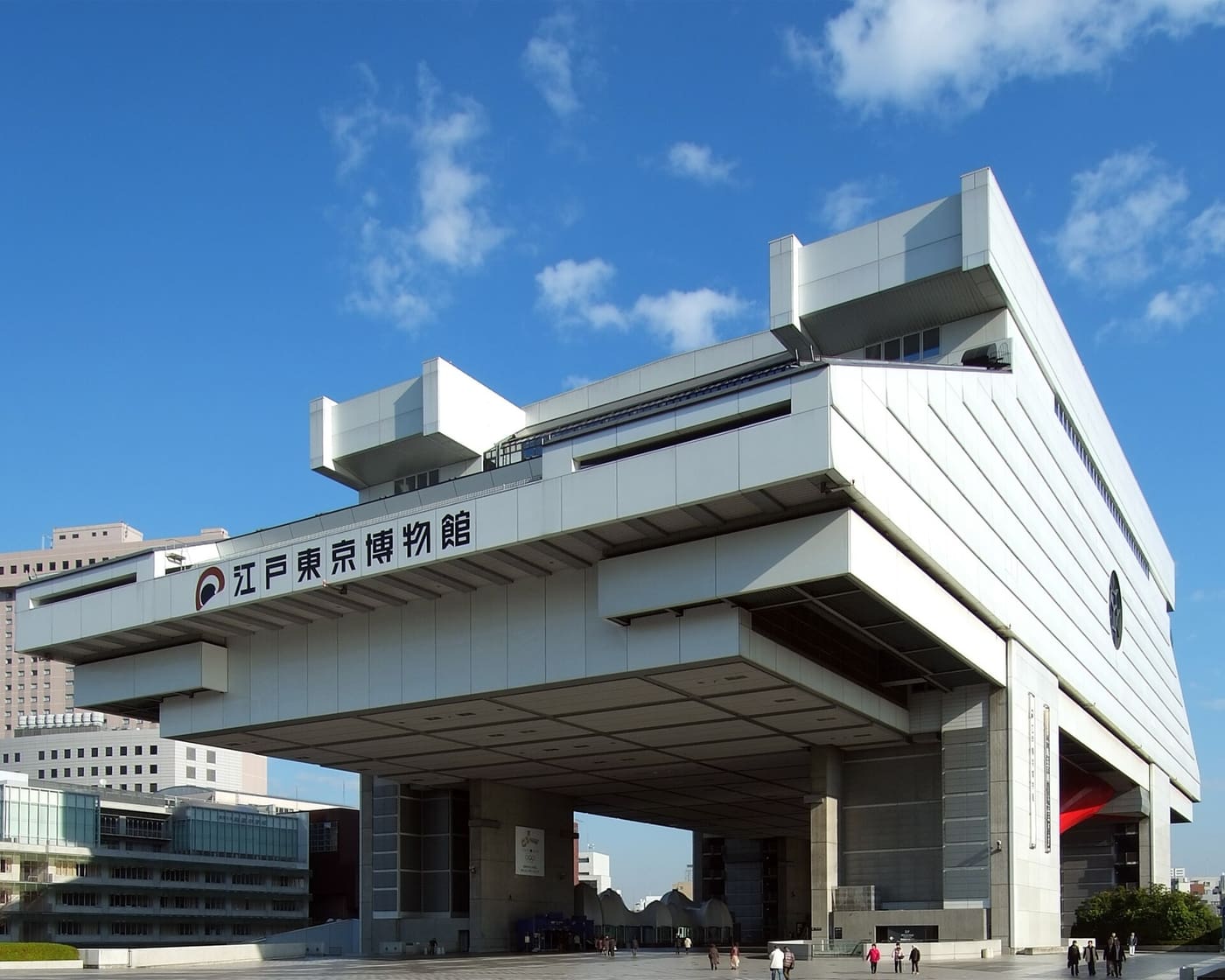
Outside the three Tokyo tournaments, in January, May and September, the museums carry the visit. The Edo-Tokyo Museum reopened on 31 March 2026 after a four-year renovation, the Sumida Hokusai Museum stands in the neighbourhood where the artist was born, and the Japanese Sword Museum and Kyu-Yasuda Garden share a quiet corner just north of the stadium. It's all within fifteen minutes' walk of the JR station.
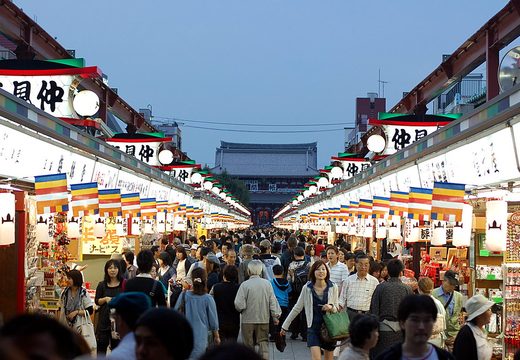
Ryogoku in photos
Getting there
JR Sobu Line (local) to Ryogoku, two stops from Akihabara. The west exit opens straight onto the Kokugikan. The Oedo Line's Ryogoku station is closer to the Edo-Tokyo Museum, the Hokusai Museum and Yokoamicho Park.
What to see
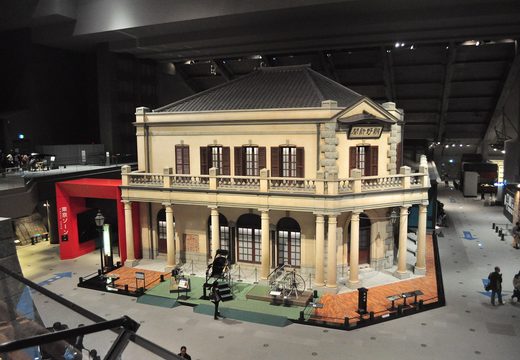
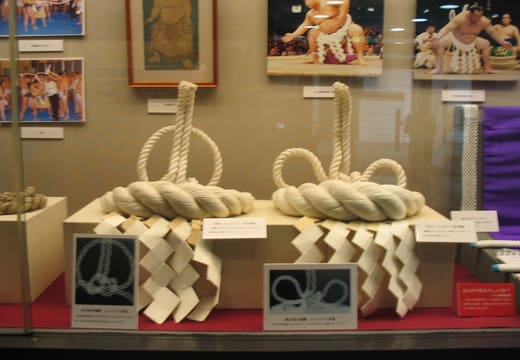
Ryogoku Kokugikan is the reason most people come. Tournaments run for fifteen days each January, May and September. The bouts build from the junior divisions in the morning to the top division in the late afternoon, and tickets sell out quickly once sales open. The small Sumo Museum inside the building is free, and it's open on weekdays outside tournament periods, with woodblock prints, ceremonial aprons and portraits of every yokozuna. During a tournament you'll need a ticket for it. Next door, the Edo-Tokyo Museum reopened on 31 March 2026 after a four-year renovation. Its life-size Edo streetscape has been expanded, with new stalls and a full-scale replica of the Meiji-era Hattori watch shop among the additions.
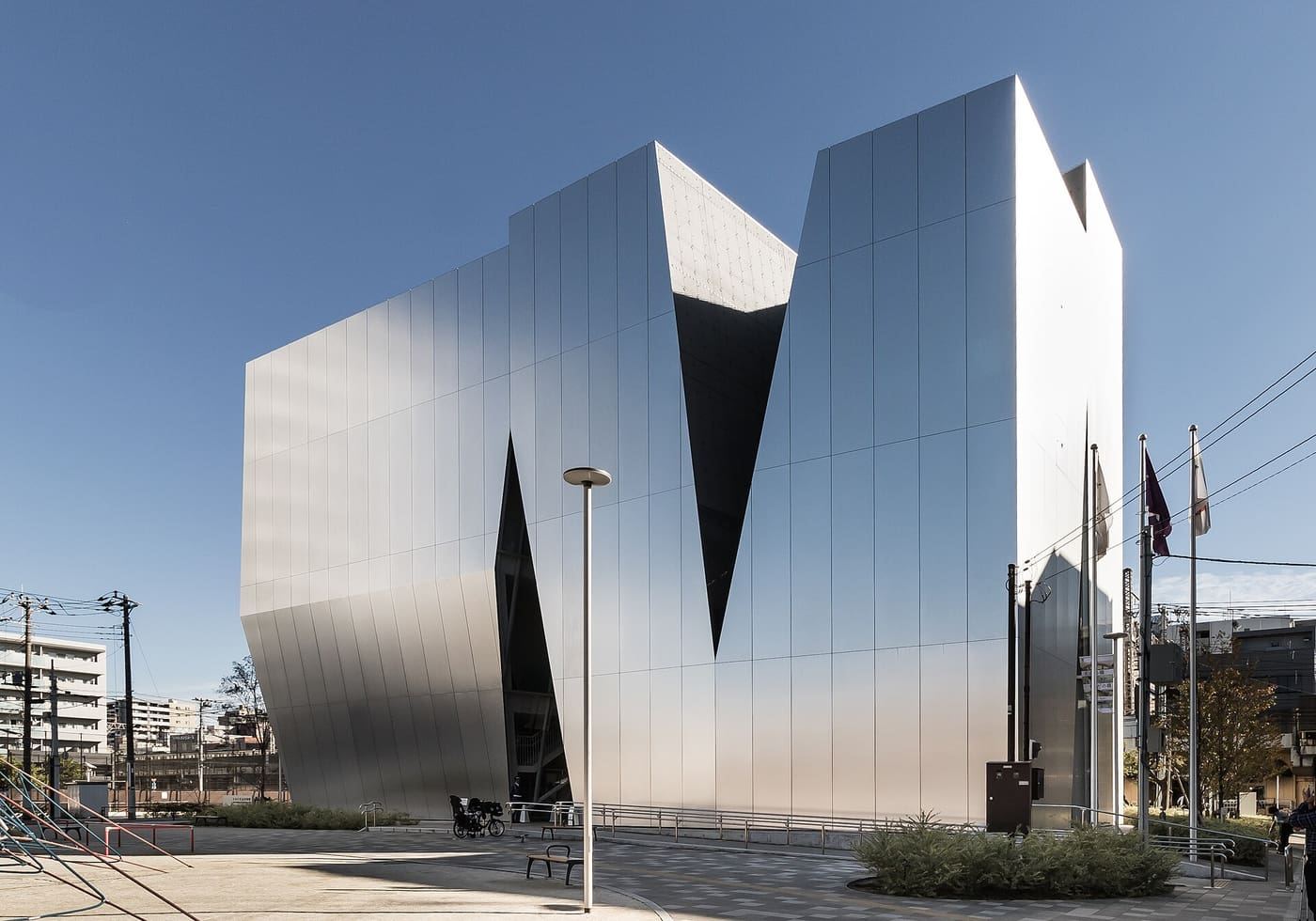
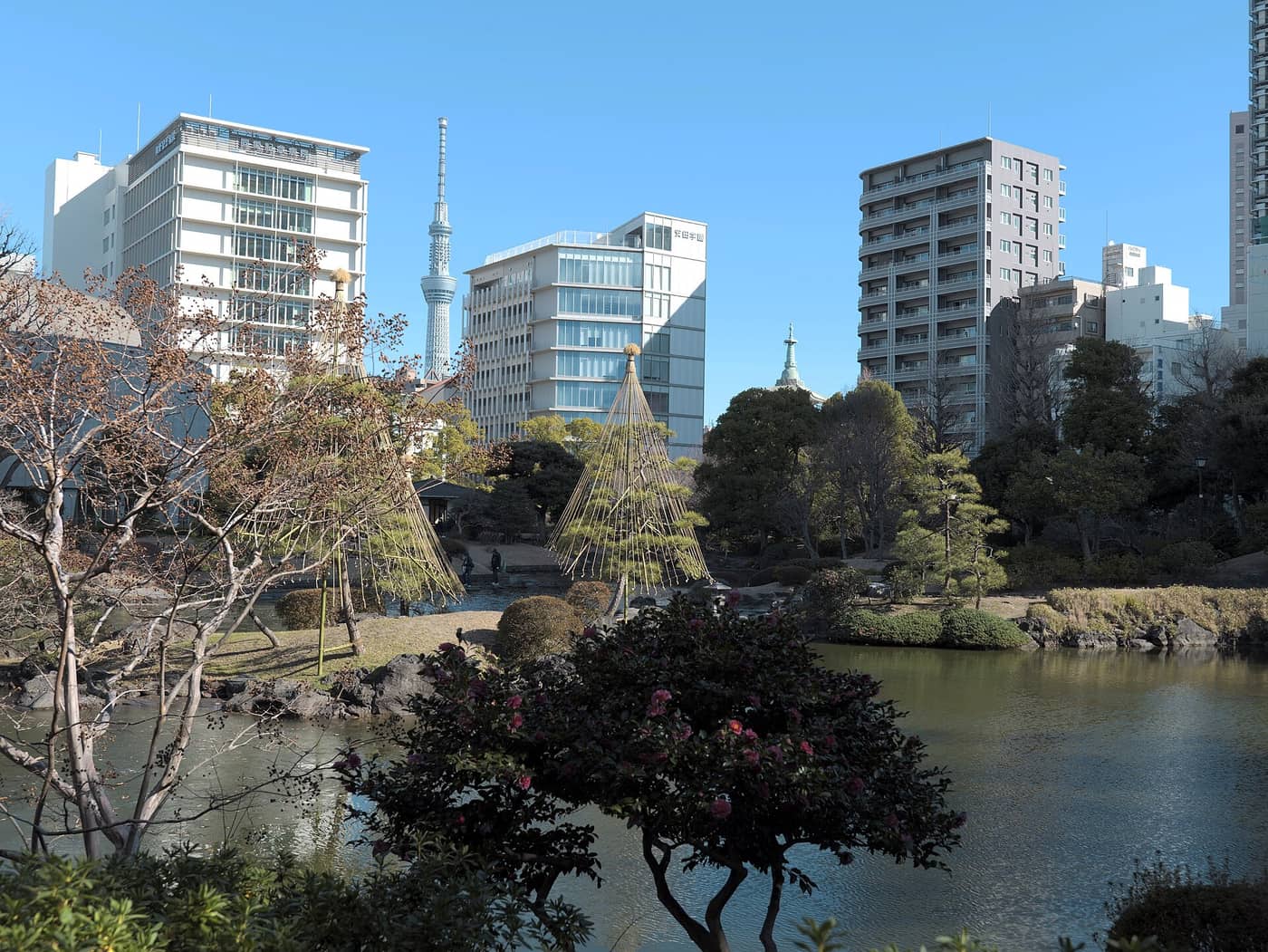
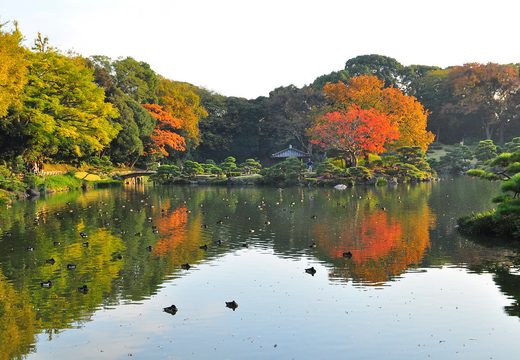
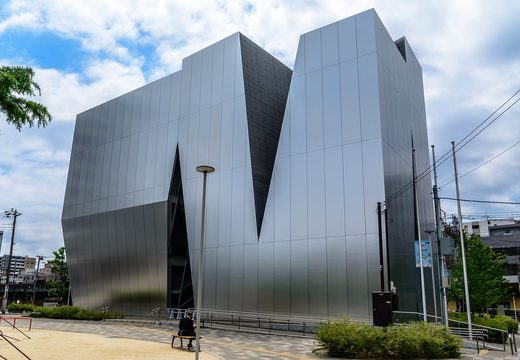
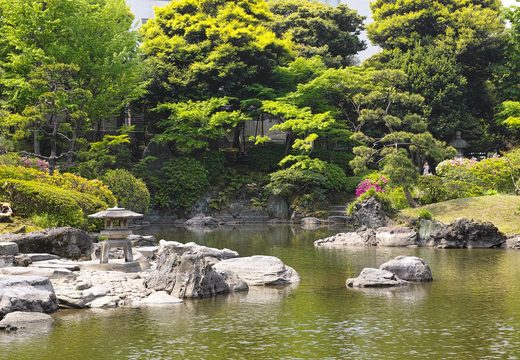
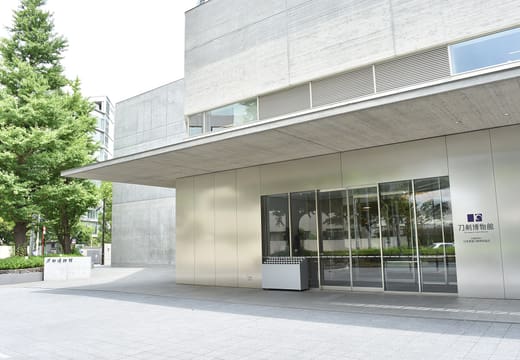
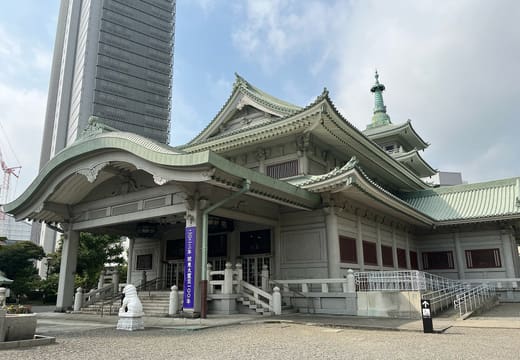
A few minutes north, the Japanese Sword Museum shows national-treasure-grade blades in a Fumihiko Maki building, lit so you can read the temper lines. Kyu-Yasuda Garden beside it is a free stroll garden from around 1690, and its pond was built to rise and fall with the river tides. East of the stadium, Yokoamicho Park is the sober counterweight. It's the memorial ground for the 1923 earthquake, where tens of thousands of people died in a single firestorm, with a memorial hall and a free museum of objects from the ruins. The Sumida Hokusai Museum, a mirrored aluminium building by Kazuyo Sejima, is about ten minutes east of the station and small enough that you'll see it in an hour. Its permanent collection traces how The Great Wave came to exist.
Where to eat and drink
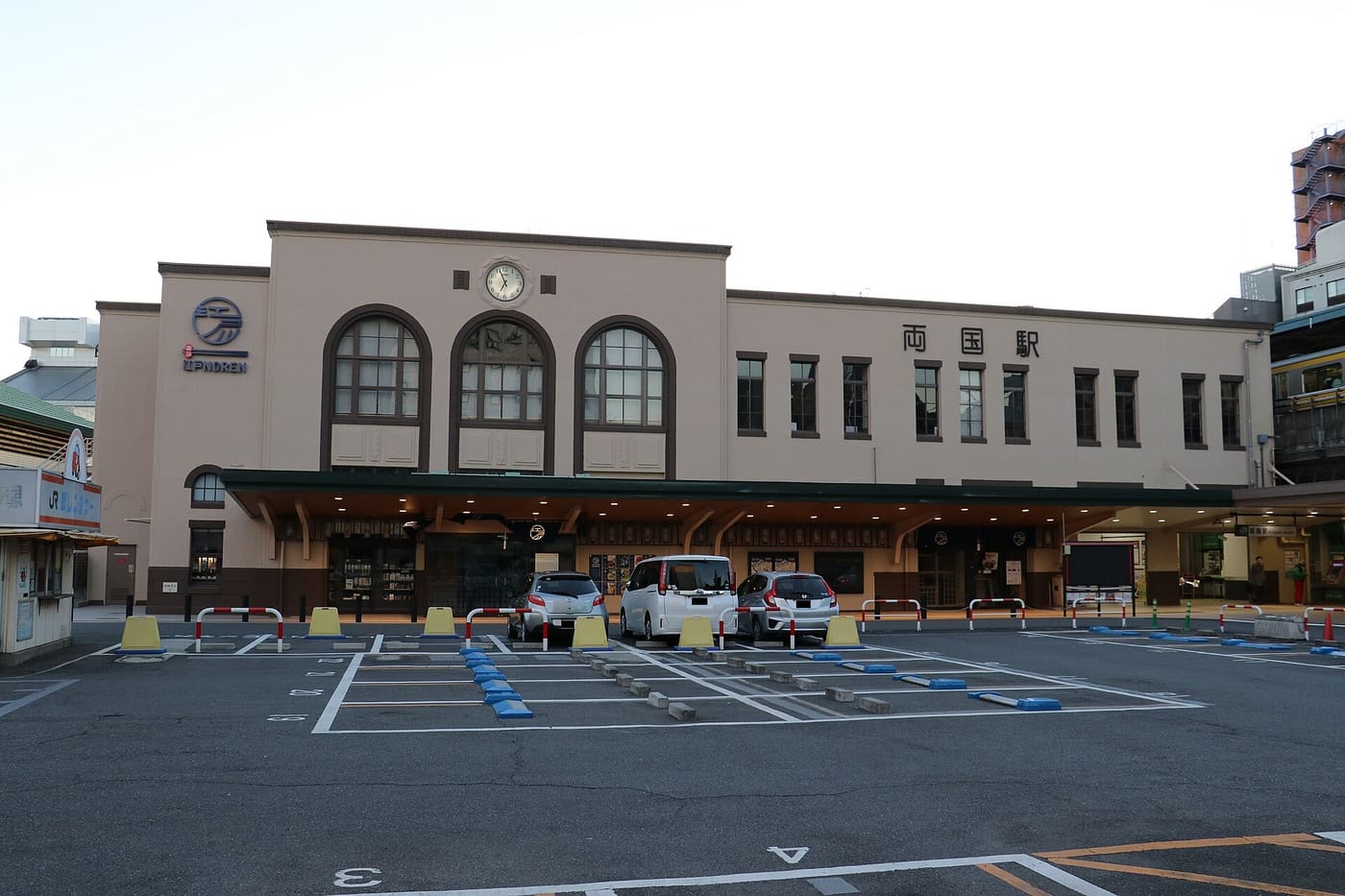
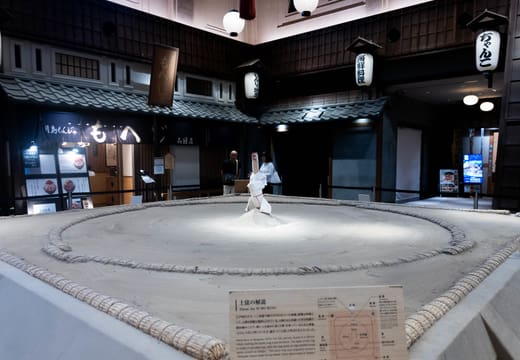
Chanko nabe, the protein-heavy hotpot wrestlers eat to build weight, is the local dish, and several restaurants around the station are run by former wrestlers. The easiest introduction is Ryogoku Edo Noren, the 1929 station building reopened in 2016 as a food hall arranged around a full-size sumo ring, where about a dozen counters serve chanko, monjayaki and fukagawa-meshi clam rice, and you don't need to book. The dedicated chanko houses are mostly dinner places and fill up on tournament days, so you'll want to reserve ahead in January, May and September.
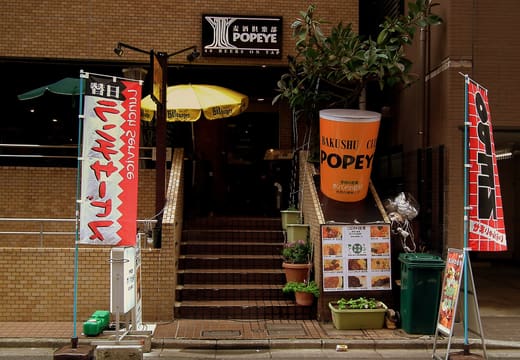
The drink here is craft beer. Beer Club Popeye, open since 1985 a few minutes from the stadium, is credited with popularising the term craft beer in Japan and keeps around seventy Japanese taps in careful condition. Come for happy hour from 3pm, Monday to Saturday, when many beers come with free snacks. It's closed on Sundays. Beyond that, the streets around the station hold everyday izakaya and set-meal shops, and on a tournament evening the crowd spilling out of the Kokugikan fills them fast.
Where to stay
Ryogoku is a practical base on the east side. Hotels are mostly business hotels and mid-range chains around the station and toward the river. The JR Sobu Line runs two stops to Akihabara and on into central Tokyo, and the Oedo Line loops round to Roppongi and Shinjuku. It suits sumo fans in tournament months (rooms near the stadium book up early, so don't wait) and anyone who wants the east side's museums and Asakusa within easy reach without sleeping in the crowds. Kinshicho, one stop east on the Sobu Line, has more hotel stock around a larger station.
How to do it in a day
Arrive at the JR west exit mid-morning. On a weekday outside tournament months, look into the free Sumo Museum inside the Kokugikan first, then give the Edo-Tokyo Museum two hours. On a tournament day, save the Kokugikan for the afternoon, when the top-division wrestlers arrive. Lunch at Ryogoku Edo Noren, chanko beside the sumo ring. Walk north to the Japanese Sword Museum and the free Kyu-Yasuda Garden next door, then east to Yokoamicho Park for a quiet half hour at the earthquake memorial. Carry on to the Sumida Hokusai Museum for the story of The Great Wave, and be back near the station for happy hour at Beer Club Popeye. Dinner is chanko at a house run by a former wrestler. Book ahead if it's a tournament night.
Nearby neighbourhoods
The best of Ryogoku
Things to do in Ryogoku
What's on in Ryogoku
Local events in the next 30 days, read from the ward, park and organiser pages each one links to.
Flea market at Kinshi Park Market
Sun 25 Oct, Sun 22 Nov, Sun 20 Dec · Kinshi Park
A flea market at Kinshi Park run by the Recycle Movement Citizens' Association.
Map · Source: Recycle Movement Citizens' Association · 錦糸公園 フリーマーケット
Sumida Culture Festival: calligraphy, ikebana and art Exhibition
1 to 3 Nov · Sumida Sangyo Kaikan (Kinshicho Marui 8F)
Calligraphy, ikebana, painting and other works in the exhibition section of the 73rd Sumida Culture Festival.
10:00 to 17:00 · Map · Source: Sumida City · 第73回(令和8年度)墨田区文化祭「展示部門(書道・花道・絵画・自由作品)」
Theater X (Kai) · 5 productions Performance
10 Oct to 3 Nov · Theater X (Kai)
See all 5 productions
- 10 to 14 Oct 劇団東演『人民の敵』
- Sat 17 Oct TaNaKa汰樹『Search』
- Sat 24 Oct 『タチアナ・シェバノワという奇跡』
- Sun 25 Oct シアターΧ カバレット ろびぃ寄席 オペラ『椿姫』より
- 30 Oct to 3 Nov 呼華歌劇団 音楽劇『天の蟲は空を飛ばず』
Listing in Japanese. Titles are shown as the venue prints them.
Source: Theater X (Kai)
From the blog
Stay in Ryogoku
Browse live availability and compare prices around the neighbourhood.
Median US$179 a night across 35 listings within 0.6 km for a two-night stay a month out, sampled 29 September 2026. Cheapest quarter under US$143. See the weekly index for every neighbourhood.