Sento and Onsen in Tokyo: Where to Bathe and How
How a Tokyo sento works, what it costs, which baths take tattoos, the best sento and onsen by neighbourhood, and how onsen complexes differ.
A sento is a neighbourhood public bathhouse, and Tokyo still has hundreds of them. The Tokyo Sento Association’s map lists about 400. Entry costs ¥600 for an adult, the same at every one, and you can walk in with nothing and walk out clean an hour later. An onsen is a bath filled with natural hot spring water. Some sento have that too, and Tokyo also has a handful of big onsen complexes that charge several times more and set their own rules.
This guide covers how a visit works, what it costs, the tattoo question, and the baths on the Roam Tokyo map that are worth crossing town for, grouped by neighbourhood.
How a Sento Visit Works, Step by Step
It takes one visit to learn, and the regulars won’t mind a first-timer who follows the basics.
- Shoes off at the door. Put them in a shoe locker at the entrance and take the key, often a wooden tag.
- Pay at the counter. Older sento have a bandai, a raised seat between the men’s and women’s entrances where the attendant sits. Newer ones have a front desk. Bring some cash, since not every sento takes cards.
- Pick your side. Men’s and women’s baths are separate, marked 男 (men) and 女 (women).
- Undress in the changing room. Everything goes in a locker or a basket. You bathe naked, and swimsuits aren’t allowed.
- Wash first, at the taps. Sit on a stool, rinse, soap up and rinse off completely before you go near a tub. This is the rule that matters most.
- Keep your small towel out of the water. Fold it on your head or leave it on the edge. Tie long hair up so it stays out of the bath too.
- Soak, but don’t swim or splash. The hot tubs can be very hot (Kosugiyu keeps its at 44°C). Ease in, and get out if you feel dizzy.
- Dry off before you go back. Wipe yourself down in the bathing room so you don’t drip on the changing-room floor.
- No phones or cameras in the changing room or the bath.
What It Costs
Tokyo sets one price for every sento. Since 1 August 2026 it’s ¥600 for adults, ¥200 for children of elementary school age and ¥100 for under-6s. A book of ten tickets costs ¥5,400 and works at member sento across Tokyo.
The extras are small. Many sento lend or sell towels, from ¥30 for a small towel at Tsubameyu to ¥200 for a bath towel at Kosugiyu, and many of the sento in this guide provide free shampoo and body soap. Where a sauna costs extra, it’s ¥300 to ¥500 on top of the bath. At Kotobukiyu and Haginoyu, for example, it’s ¥350 on weekdays and ¥450 at weekends.
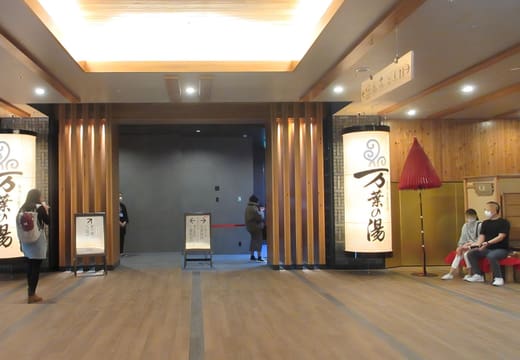
Onsen complexes are a different budget. Yumori no Sato in Chofu starts at ¥1,080, Tokyo Somei Onsen Sakura at ¥2,100, and Thermae-yu, Spa LaQua and the Toyosu Manyo Club run from about ¥3,100 to ¥3,850, with towels and loungewear included.
Tattoos: Who Lets You In
Tattoos are where sento and onsen complexes differ most. Minato City has said publicly that the Public Bathhouse Act has no rule letting a bath restrict you for having a tattoo, and that it’s left to each bath. If you’re unsure at a sento, ask at the counter before you pay. The complexes are private businesses and post firm rules. Here’s what each one says.
| Bath | Area | Tattoo rule (October 2026) |
|---|---|---|
| Neighbourhood sento | Everywhere | No legal ban. Each bath decides, so ask at the counter |
| Thermae-yu | Shinjuku | Male tourists: one cover sticker (¥330) and a passport. Men living in Japan: refused. Women: OK, sticker over 30 cm square |
| Tokyo Toyosu Manyo Club | Toyosu | Only if two cover stickers (11 by 20 cm, ¥110 each) hide them |
| Yumori no Sato | Chofu | Only if covered with stickers |
| Spa LaQua | Tokyo Dome | Refused, including sticker tattoos and body paint |
| Tokyo Somei Onsen Sakura | Komagome | Refused, whatever the size |
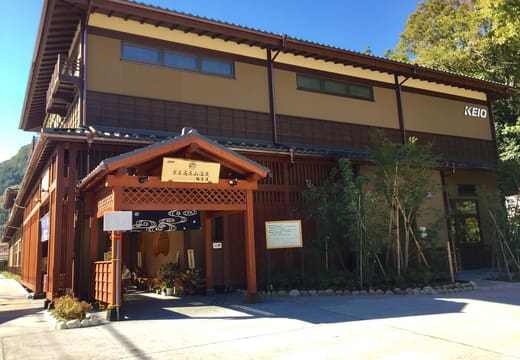
| Keio Takaosan Onsen Gokurakuyu | Mt Takao | Refused, and covering them doesn’t count |
The Best Sento and Onsen by Neighbourhood
Every bath below is on the map of Tokyo sento and onsen, with hours and closing days on its own page. Sento close one or two days a week, and the day varies, so check before you go.
Koenji, Nakano and Harajuku
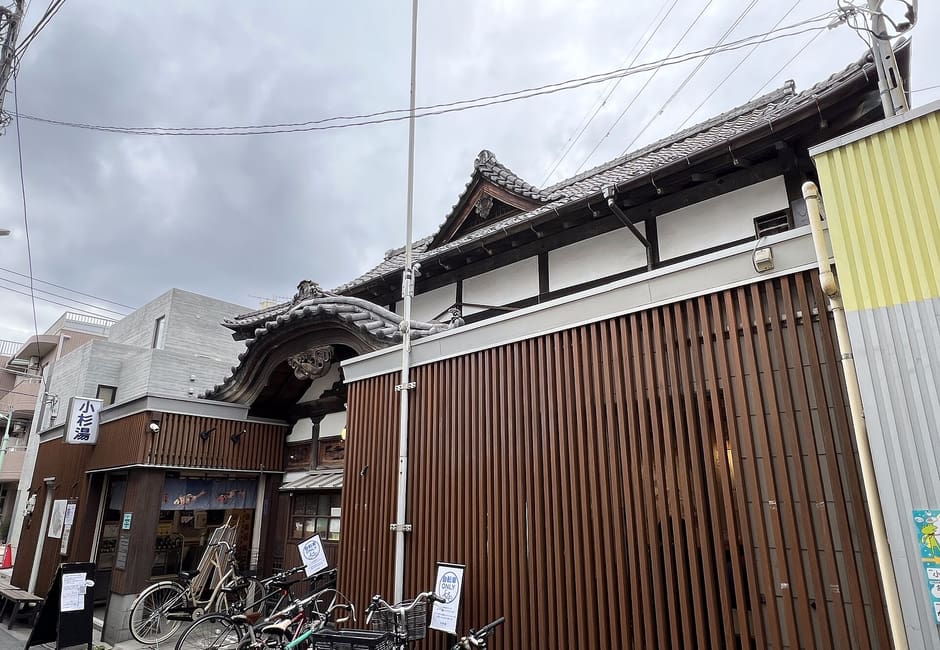
Kosugiyu is the one most people have heard of. It’s been in Koenji since 1933, in a wooden temple-style building with a curved gable over the door, and it’s famous for its milk bath. It opens at 8am at weekends. Its second branch, Kosugiyu Harajuku, sits in the basement of the Harakado building in Harajuku and opens at 7am every day except Thursday. One stop from Koenji, Nakano Onsen Tenjinyu keeps its Mt Fuji painting and koi garden and was certified as a hot spring in 2025.
Shinjuku, Shibuya and Nakameguro
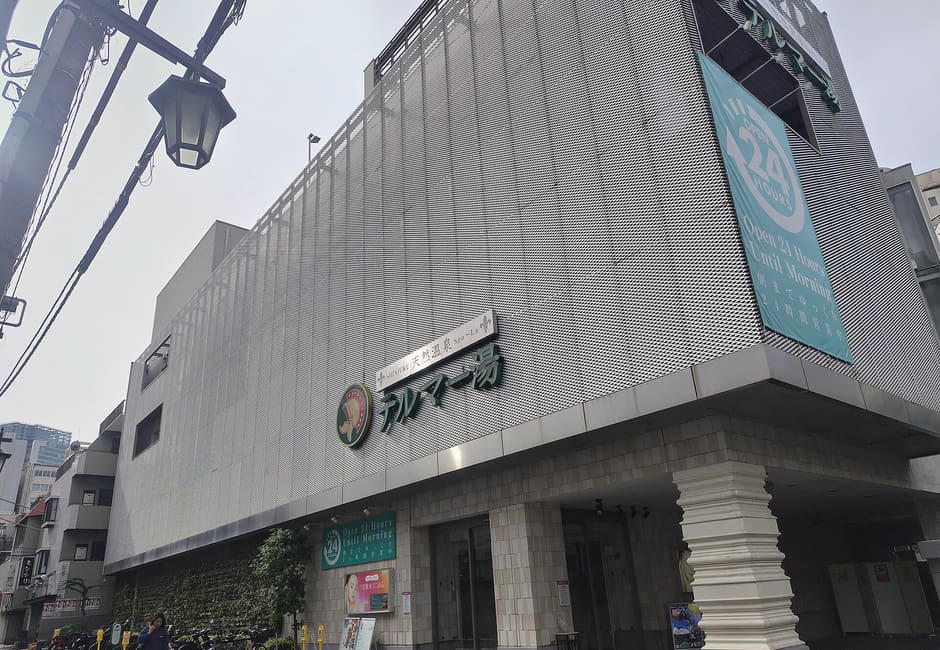
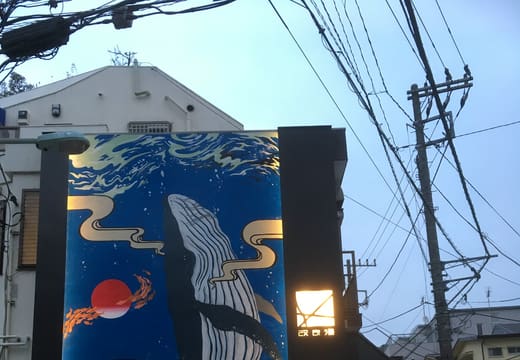
Thermae-yu in Kabukicho is the 24-hour onsen complex, with spring water trucked in from Naka-Izu. For a sento in Shinjuku, Koganeyu Shinjuku opened in July 2026 with a bar at the front counter. Kairyoyu, between Shibuya and Ebisu, is the designer one with a whale painted on the outside. Komyosen in Nakameguro has an open-air bath on its roof, which swaps between the men’s and women’s sides every Friday.
Ueno, Yanaka and Asakusa
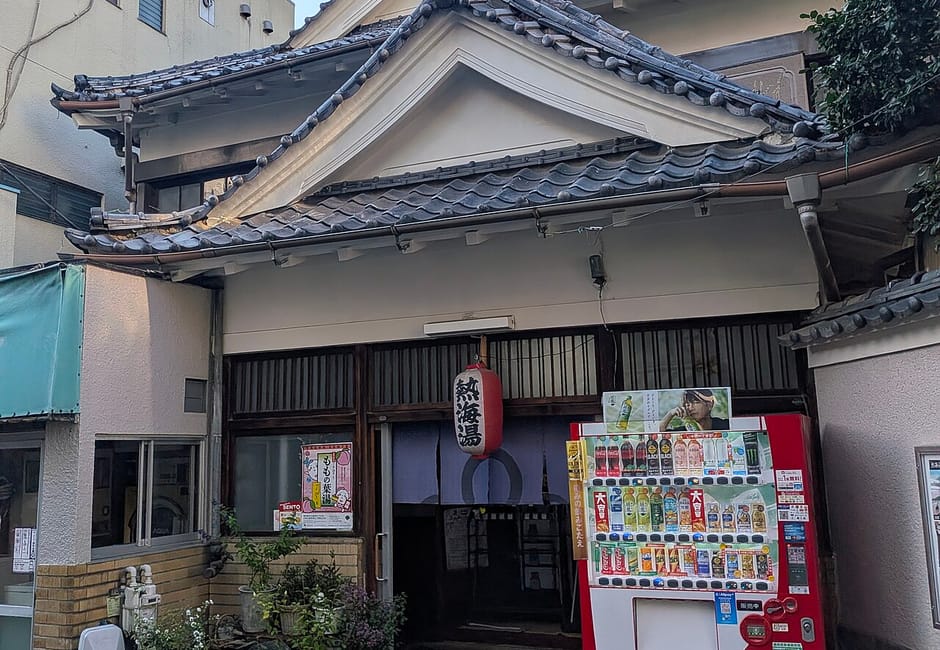
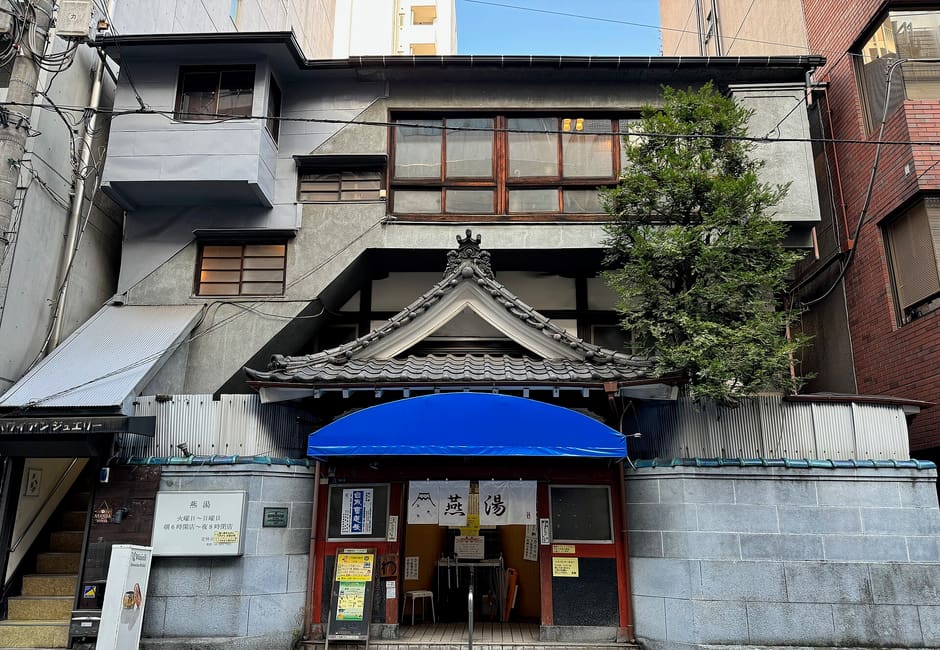
Tsubameyu near Okachimachi opens at 6am, and its 1950 building and Mt Fuji lava rock mountain are a registered national Tangible Cultural Property. Kotobukiyu near Inaricho has a temple-style roof, a huge wall painting and an outdoor rock bath. Haginoyu by Uguisudani is one of the biggest sento in the city and also opens from 6am to 9am. For Yanaka, Saitoyu is 3 minutes from Nippori station.
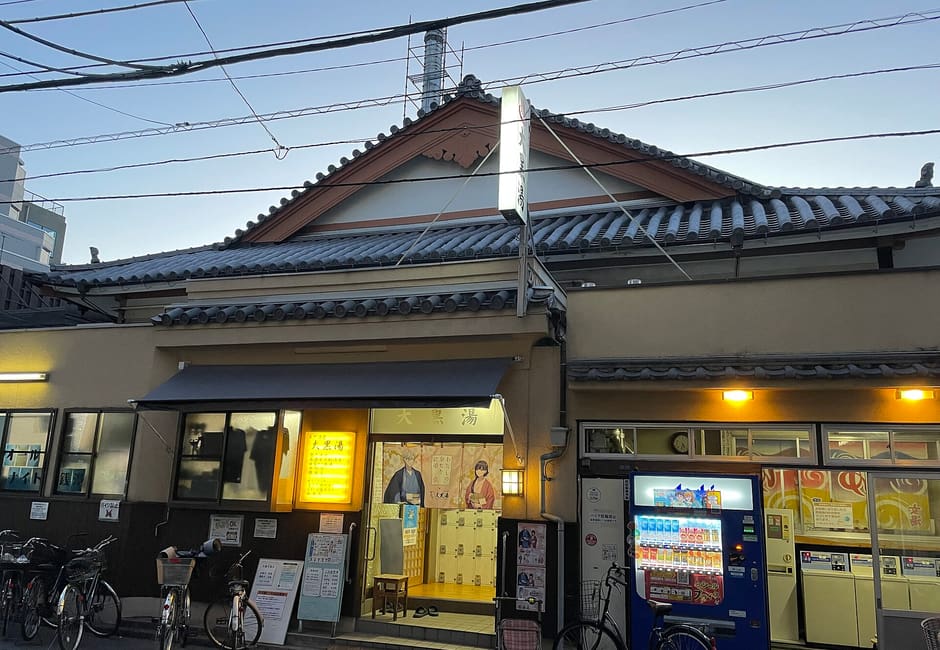
In Asakusa, Hinodeyu has spring water and a cypress tub over 1,000 years old. Near the Skytree, Yakushiyu was redone in 2025 with Greek island murals, and Oshiage Onsen Daikokuyu stays open from 3pm until 10am the next morning. Down the river, Tsurunoyu between Asakusabashi and Kuramae is an unchanged temple-style sento on well water.
Ryogoku and Kiyosumi
Mikokuyu has black hot spring water, kuro-yu, in three tubs at different temperatures, with a view of the Skytree. Koganeyu, one stop from Ryogoku at Kinshicho, is the design sento with a picture-scroll mural and a craft beer bar at the counter. In Kiyosumi, Fukagawa Onsen Tokiwayu kept its temple-style building and drilled a new hot spring in 2023.
Ginza, Kanda, Kagurazaka and Azabu
Konparuyu is a small bandai sento in Ginza 8-chome with a Taisho-era shrine shelf and Kutani tile pictures. Kanda Inariyu gets a new wall painting by Mizuki Tanaka every year. Atamiyu in Kagurazaka heats its water over a wood fire, and Azabu Kurobisui Onsen Takenoyu near Azabu-Juban fills even its cold bath with black spring water.
Sasazuka, Shibamata and Shinagawa
In Sasazuka, Shibuya Sasazuka Onsen Sakaeyu is a few minutes from the Keio Line station, with certified hot spring water. Kanamachiyu is one stop from Shibamata, a 1943 temple-style sento that keeps its old bandai as a display piece. Near the Togoshi Ginza shopping street, Togoshi Ginza Onsen and Musashi-Koyama Onsen Shimizuyu both have black-water springs.
Day trips: Jindaiji and Mt Takao
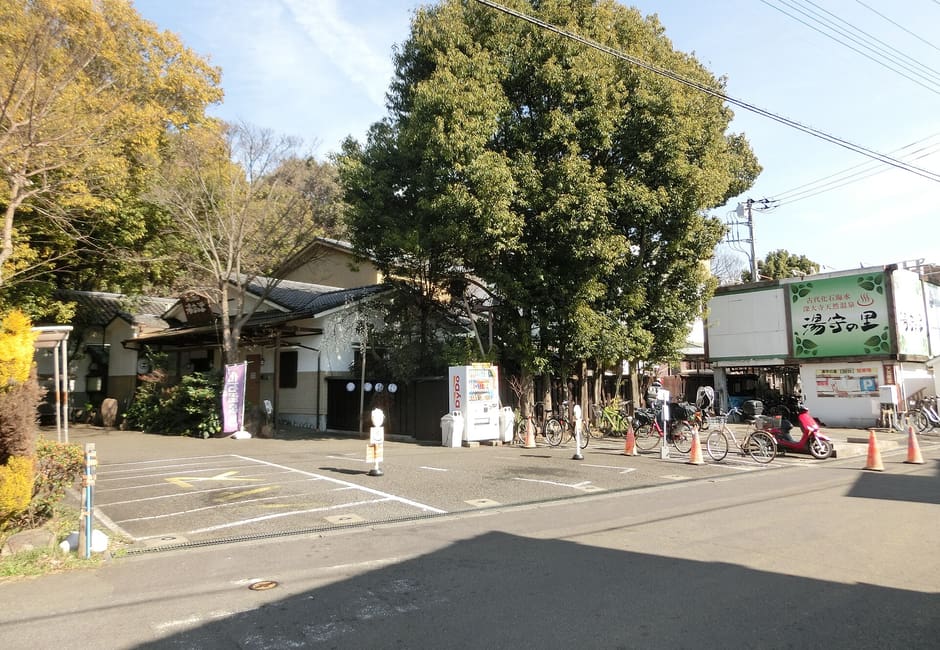
Yumori no Sato is a few minutes’ walk from Jindaiji Temple, with black spring water from 1,500 metres down and soba in its restaurant. Keio Takaosan Onsen Gokurakuyu sits right by Takaosanguchi station, so you can soak after hiking Mt Takao and take the train straight back.
What’s Different About an Onsen Complex
A sento is a local bath you visit for an hour. An onsen complex, sometimes called a super sento or a spa, is a day out. You pay one bigger fee at the door, get a wristband, a towel set and loungewear, and spend the afternoon moving between baths, saunas, a restaurant and a lounge where people nap. Some stay open all night.
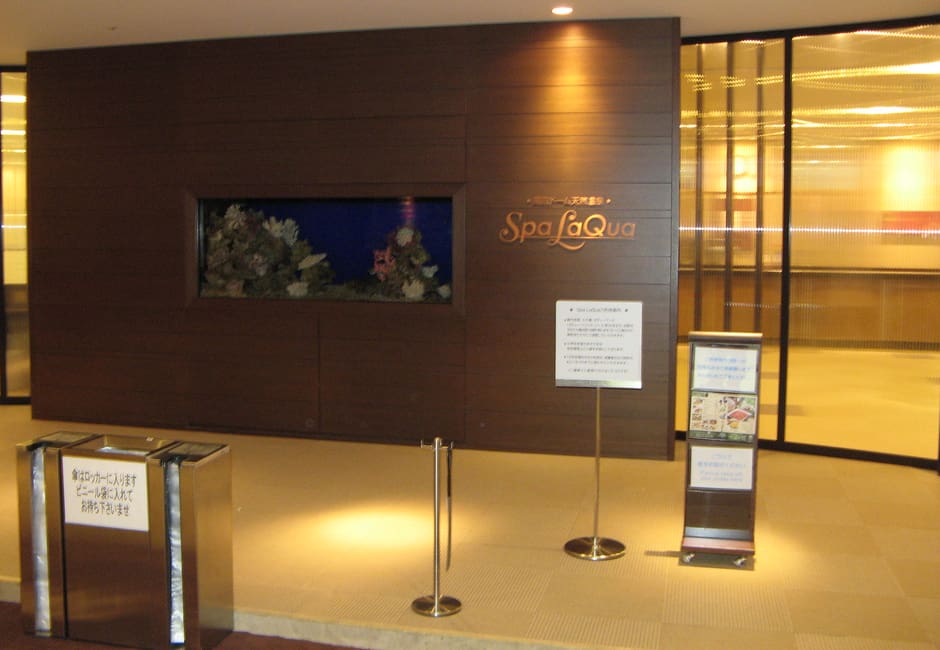
The water is often the selling point, but read the small print. Spa LaQua and Tokyo Somei Onsen Sakura pump their own springs. Thermae-yu trucks its water in from Naka-Izu, and the Toyosu Manyo Club brings its from Hakone and Yugawara by tanker. They’re also stricter about tattoos and young children. Spa LaQua turns away under-6s, and Somei Onsen Sakura won’t let them use the baths.
If you want the full onsen experience, with mountains and an inn, that’s a trip out of the city. Hakone is the classic, and the Hakone day trip guide covers how to fit the loop and a soak into one day.
Frequently Asked Questions
How much does a sento cost in Tokyo?
¥600 for an adult since 1 August 2026, the same at every sento in Tokyo. Children of elementary school age pay ¥200 and under-6s ¥100. A sauna, where there is one, usually costs ¥300 to ¥500 extra.
Can I go to a sento with tattoos?
The Public Bathhouse Act has no rule letting a bath refuse you just for having a tattoo, so it’s up to each bath, and you can ask at the counter. The big onsen complexes are stricter. Spa LaQua, Tokyo Somei Onsen Sakura and the Takaosan onsen refuse tattoos, while Thermae-yu, the Toyosu Manyo Club and Yumori no Sato allow small ones under cover stickers.
What do I need to bring?
Not much. Sento sell or rent towels, and many provide free shampoo and body soap. Bring some cash and a small towel of your own to save a few hundred yen.
What’s the difference between a sento and an onsen?
A sento is a public bath that heats ordinary water, sometimes well water. An onsen uses natural hot spring water. Several Tokyo sento have their own springs, often dark kuro-yu, so the line blurs, and both cost the same ¥600.
Which sento opens earliest?
Tsubameyu near Okachimachi opens at 6am. Haginoyu and Koganeyu both run a morning bath from 6am to 9am, Kosugiyu Harajuku opens at 7am, and Oshiage Onsen Daikokuyu is open through the night until 10am.
Places in this guide
Photos show the actual places, licensed under Creative Commons and credited to their photographers.
Find hotels in Tokyo
Browse live availability and compare prices for your dates.