Sumo in Tokyo: 2027 Tournament Dates, Tickets, and How to Watch
How to see sumo in Tokyo: the 2027 Ryogoku Kokugikan tournament dates, how tickets and same-day seats work, how a tournament day runs, what to eat, and where to stay in Ryogoku.
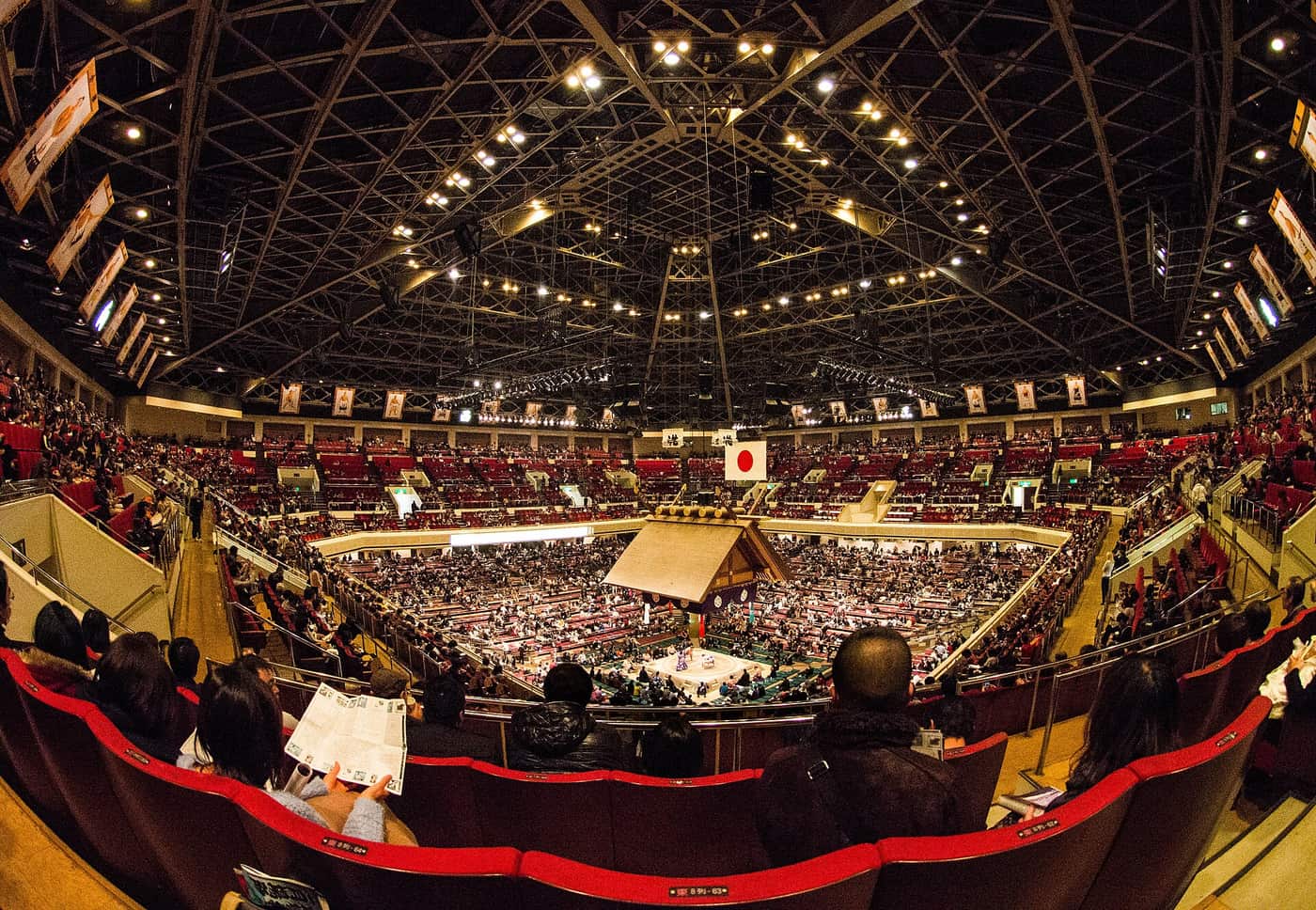
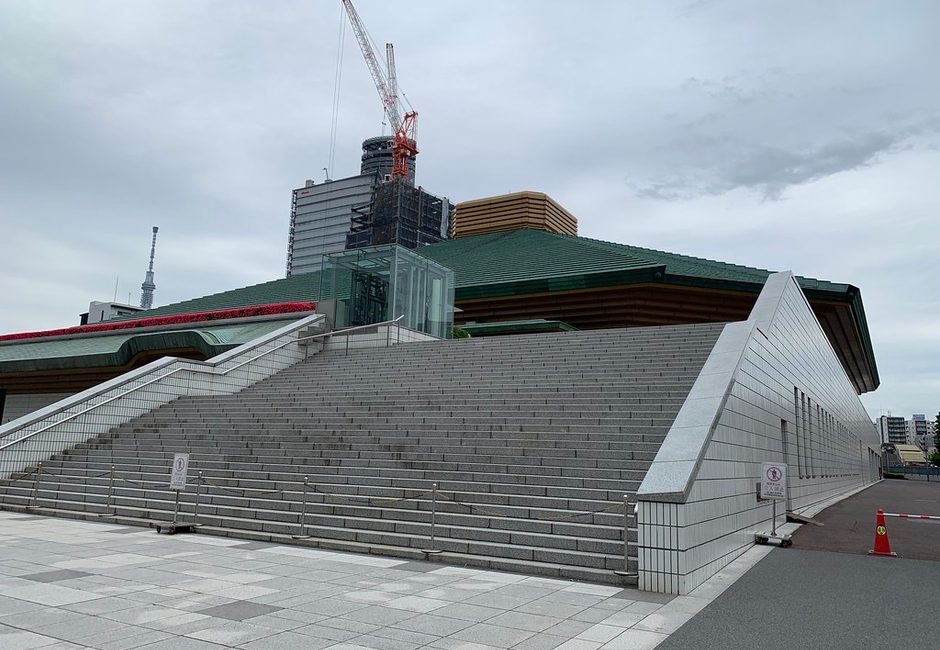
Professional sumo holds six 15-day tournaments (basho) a year, and three of them are in Tokyo, in January, May and September, at Ryogoku Kokugikan, the national sumo hall in Ryogoku. The Japan Sumo Association’s calendar lists the 2027 Tokyo tournaments as:
- Hatsu Basho: 10 to 24 January 2027
- Natsu Basho: 9 to 23 May 2027
- Aki Basho: 12 to 26 September 2027
The September 2026 tournament runs until 27 September. Outside those weeks there’s no professional sumo to watch in Tokyo. The other three tournaments are in Osaka (March), Nagoya (July) and Fukuoka (November).
Buy tickets online the day general sale opens. If price matters, aim for a chair seat on a weekday, and if it doesn’t, a box seat on a weekend. Arrive by mid-afternoon and you’ll catch the top-division ring-entering ceremony.
How a tournament day works
A tournament day runs from morning to about 6 PM and builds slowly. Gates open at 8 AM and the lowest divisions start bouting soon after, to a hall that’s nearly empty. Through the late morning and early afternoon the ranks climb and the hall fills.
Around 2:15 PM the second division (juryo) wrestlers perform their ring-entering ceremony, and their bouts follow. Around 3:45 PM comes the ring-entering ceremony of the top division (makuuchi), with the wrestlers in embroidered ceremonial aprons, followed by the yokozuna ring-entering if any grand champions are competing. Top-division bouts run from about 4 PM, with the highest ranks last, around 5:30 PM. The day closes with the bow-twirling ceremony at roughly 6 PM. On the last three days everything runs about half an hour earlier.
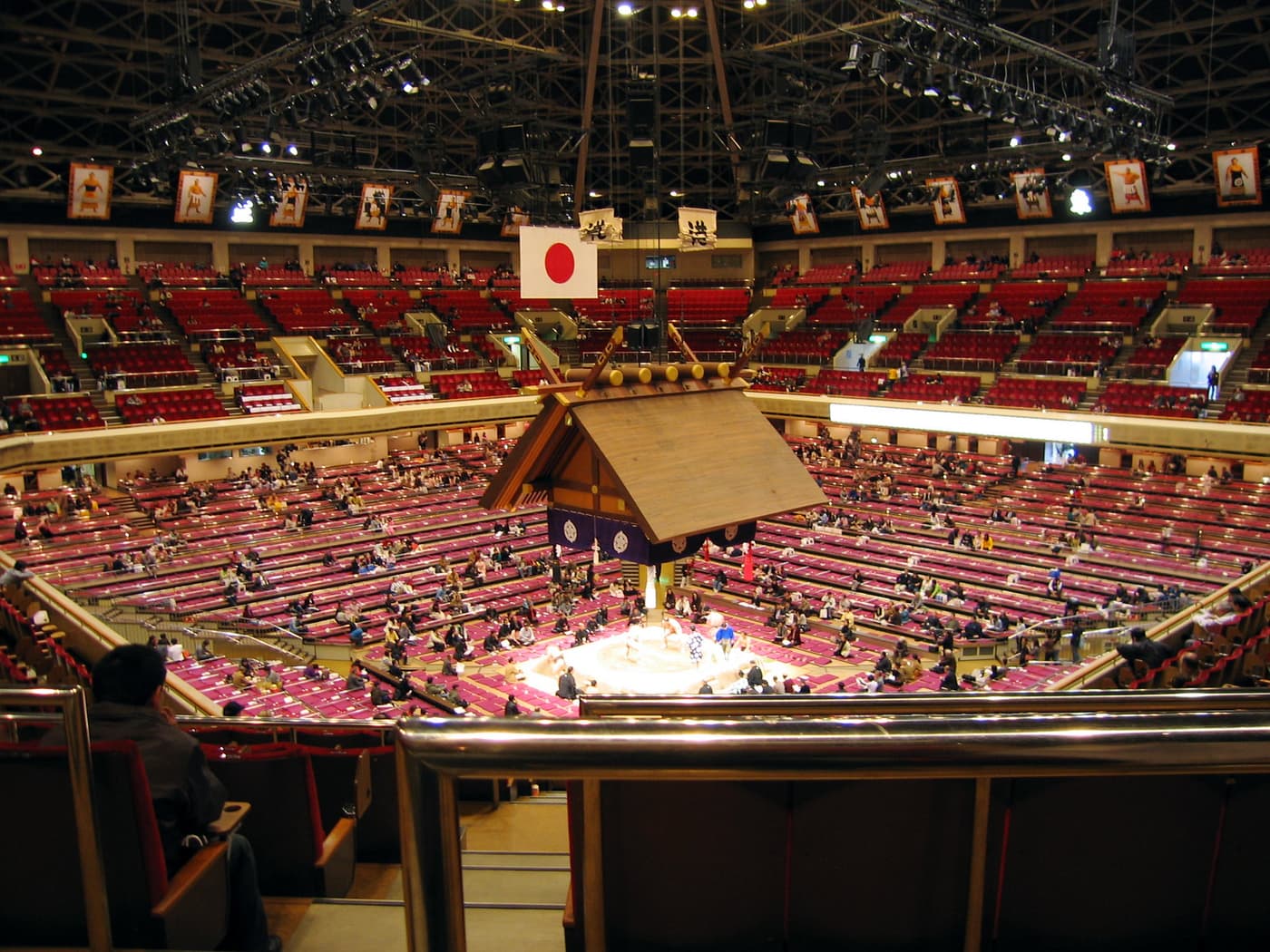
Each bout lasts seconds. The ritual around it (salt throwing, stare-downs, false starts) takes minutes, and that’s the point. The tension in the hall builds with every rank.
You don’t need to stay all day. Arrive around 2 PM and you get the juryo division, both ceremonies and the full top-division card. Tickets allow one re-exit and re-entry during the day, so you can walk out for lunch and come back.
Tickets
The official seller is Ticket Oosumo, run for the Japan Sumo Association by Ticket Pia, and there’s an English site. General sale opens about a month before each tournament, and weekend days, the opening day and the final days sell out fast. Resellers and tour companies also sell seats, often packaged with a guide, and you’ll pay more.
Seat types, from closest to furthest.
- Ringside (tamari) seats. Cushions on the floor right beside the ring. They’re scarce, expensive and come with strict rules, including no eating or drinking.
- Box seats (masu). Floor-level squares with cushions on the ground floor, sold as a whole box for two to four people. It’s the classic sumo experience, and cramped if you’ve got long legs.
- Chair seats (isu). Arena seats on the upper level, graded by distance. The cheapest start at a few thousand yen and give you a full view of the ring from above.
Same-day tickets (tojitsu-ken). A limited number of upper-level chair seats are held back and sold at the Kokugikan box office from early morning on each day, one per person. Queues form well before sale time, especially on weekends. Weekdays early in the tournament are your best chance. Check the Japan Sumo Association site for that tournament’s rules.
Getting there
Ryogoku Kokugikan is about two minutes on foot from the west exit of JR Ryogoku Station on the Sobu Line (local trains from Akihabara and Shinjuku). The Toei Oedo Line also has a Ryogoku station, a few minutes’ walk from the hall. From Asakusa or Kuramae, it’s a 20 to 30 minute walk down the Sumida River.
What to eat
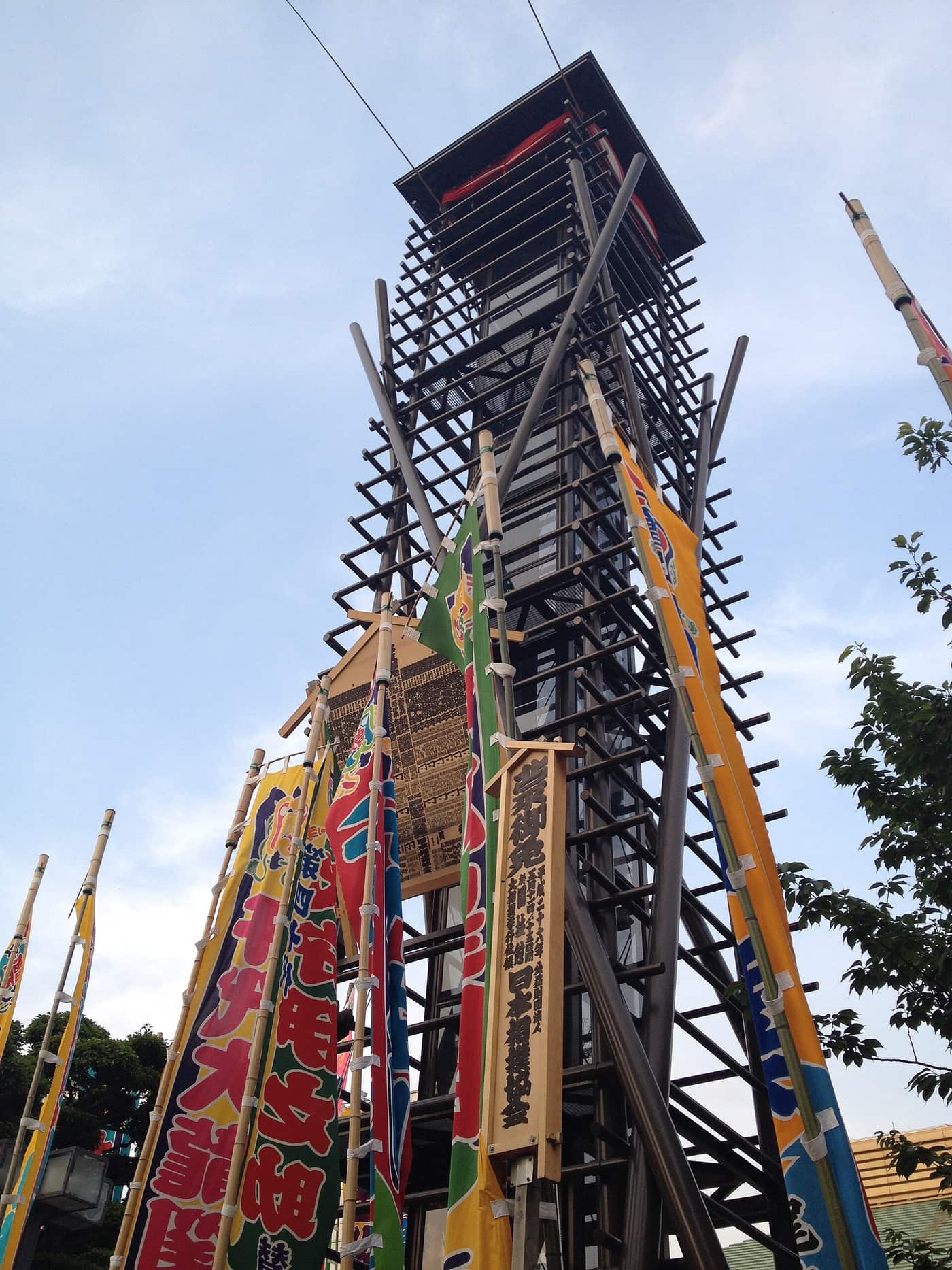
Food is part of a sumo day. The hall’s own yakitori, grilled in a kitchen in the basement and sold in packs at the concession stands, is the classic snack, and on tournament days chanko nabe, the wrestlers’ hot pot, has been served in the basement hall for a few hundred yen a bowl. Bento boxes are sold throughout the building, and you can bring your own food to box and chair seats.
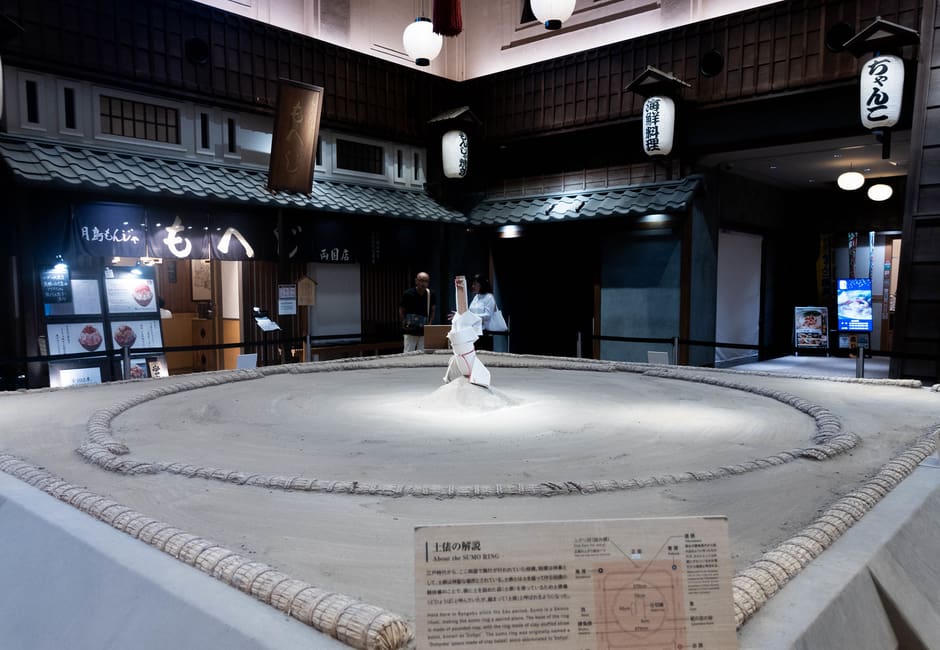
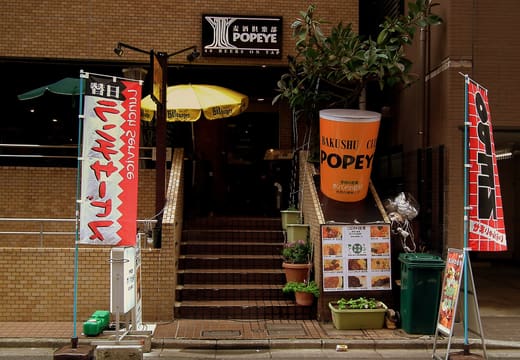
For a proper meal before or after, Ryogoku Edo Noren, in the old station building next to the JR platform, has chanko and other old Tokyo dishes around a full-size ring. The streets around the station are full of chanko restaurants, several of them run by former wrestlers. For a drink after the last bout, Beer Club Popeye pours around 70 Japanese craft beers a short walk from the hall.
Before or after the tournament
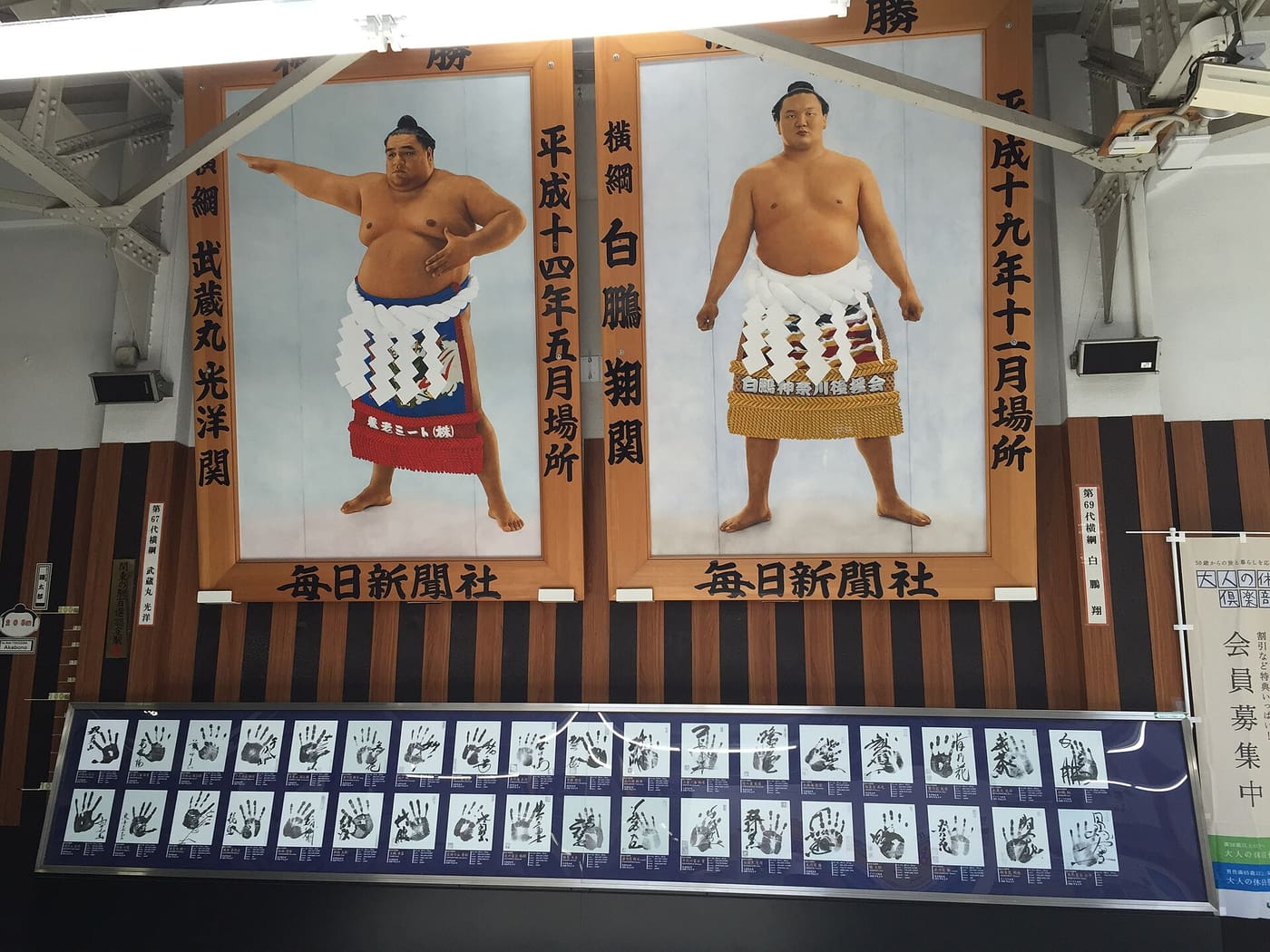
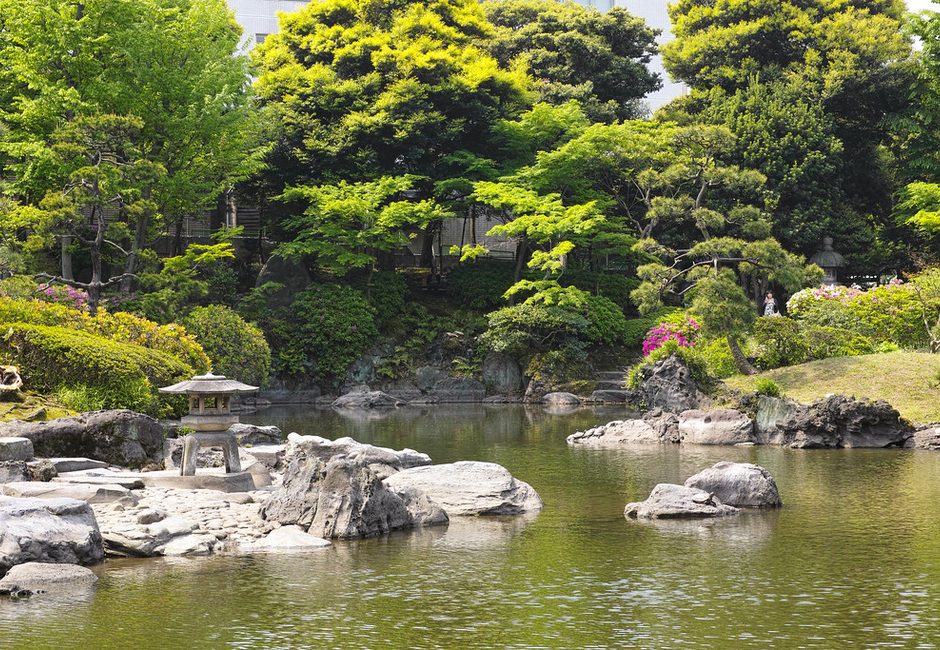
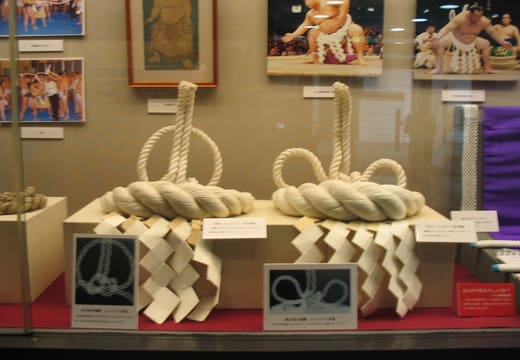
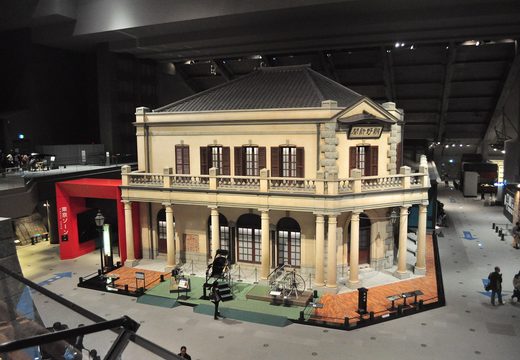
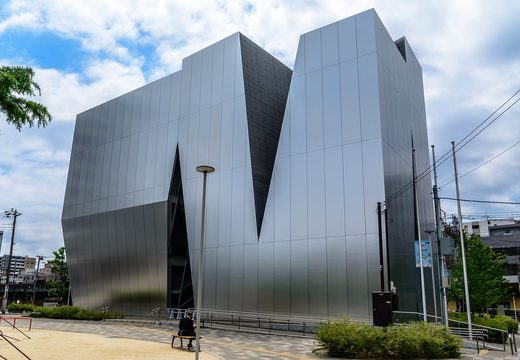
The Sumo Museum is inside the Kokugikan, and during tournaments you’ll need a ticket for that day to get in. Next door, the Edo-Tokyo Museum reopened in March 2026 after a four-year renovation. Kyu-Yasuda Garden, a free stroll garden a minute from the hall, is the quiet counterpoint to a loud afternoon, and the Sumida Hokusai Museum is a ten-minute walk east. Many fans also gather by the hall entrance in the afternoon to watch the top wrestlers arrive. The Ryogoku neighbourhood guide covers the district in full.
What to wear and bring
There’s no dress code. In January the hall is heated but the queues outside are cold, and in September Tokyo is still hot. Bring cash for the smaller food stalls, and a cushion or light jacket if you’re sitting on the upper level for hours. Binoculars help in the far chair seats.
Where to stay for a sumo tournament
Staying in Ryogoku makes it easy to come and go through a long tournament day. The Ryogoku where to stay guide has the hotels by the hall, with addresses and the walk from each exit. The weekly hotel price index puts the Ryogoku median at US$179 a night (sampled 29 September 2026, a two-night stay a month out). The district is small, so there aren’t many options.
- Kuramae, across the river, runs US$184 and has good cafes. See the Kuramae guide.
- Asakusa, at US$239, is a longer walk but has far more hotels. See the Asakusa where to stay guide.
- Akihabara, at US$186, is two stops from Ryogoku on the Sobu Line. See the Akihabara guide.
Open the Tokyo travel map with your dates to compare live hotel prices around the hall, and check the events calendar for what else is on during your tournament.
Frequently Asked Questions
When are the sumo tournaments in Tokyo in 2027?
The Japan Sumo Association lists three Tokyo tournaments at Ryogoku Kokugikan: 10 to 24 January, 9 to 23 May, and 12 to 26 September 2027. Each lasts 15 days.
How do you buy sumo tickets in Tokyo?
Through Ticket Oosumo, the official seller. It’s got an English site. General sale opens about a month before each tournament. A small number of same-day chair seats are sold at the Kokugikan box office each morning, one per person.
How long should you stay at a sumo tournament?
Arriving around 2 PM covers the juryo ring-entering ceremony, the top-division ceremony and every top-division bout until about 6 PM. You don’t need to come at 8 AM for the lower divisions unless you’re an enthusiast.
Can you bring food into the sumo hall?
Yes, in box and chair seats, and the hall sells bento, its own yakitori and drinks. Ringside seats have stricter rules and don’t allow eating.
Can you see sumo in Tokyo outside tournament months?
Not professional tournament bouts. Outside January, May and September the Kokugikan hosts other events, and the Sumo Museum and the Ryogoku district are still worth a visit.
Places in this guide
Photos show the actual places, licensed under Creative Commons and credited to their photographers.
Find hotels in Ryogoku
Browse live availability and compare prices for your dates.