Tokyo Travel Tips: 30 Things to Know Before You Go
Practical Tokyo travel tips: IC cards, cash, the November 2026 tax-free change, etiquette that matters, jet lag, packing, and the mistakes first-timers make.
Places checked against official pages by Roam Tokyo, October 2026 How it's made
Daniel arrived in Tokyo knowing the guidebook version of the city. It took him a year to unlearn half of it. These are the 30 things that save the most time, money and embarrassment, in roughly the order they’ll matter to you.
Trains and getting around
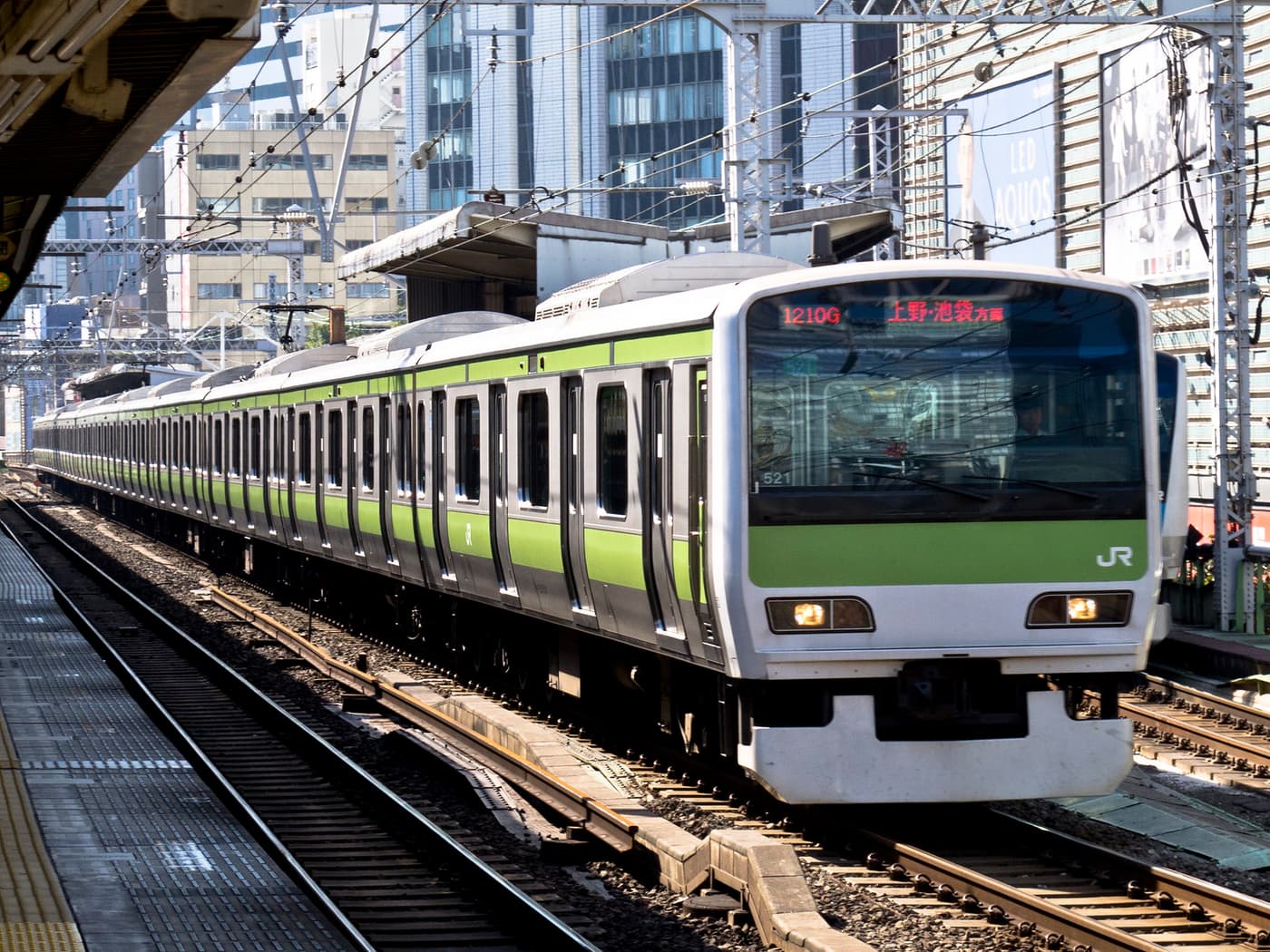
1. Get an IC card before you do anything else. Suica or Pasmo, bought from a station machine (physical cards went back on sale in March 2025 after a two-year chip shortage), a Welcome Suica from the airport, or added to an iPhone’s Apple Wallet. Tap in, tap out, and it works on every train, every bus and most convenience stores. Paper tickets are a waste of your time.
2. The station exit matters more than the station. Big stations have dozens of exits that surface hundreds of metres apart, and Shinjuku alone has more than 200. Check the exit number before you climb the stairs. The wrong one can cost you fifteen minutes.
3. Trust Google Maps, literally. It gives you platform numbers, exit numbers and which car to board for the fastest transfer. When it says Car 5, the doors will open next to the stairs you need. At Shinjuku, Shibuya or Ikebukuro that saves minutes on every connection.
4. Trains stop around midnight. The last train is a hard deadline, and it shapes Tokyo nights. Miss it and you’re looking at a taxi, a capsule hotel, or staying out until the first train around 5am.
5. Taxis are a last resort. They’re clean and honest but expensive, and Tokyo’s streets aren’t a grid, so routes are rarely direct. Take one when you’ve missed the last train, have tired children late at night, or need a residential address with no station nearby.
6. You probably don’t need the JR Pass. A seven-day pass costs ¥50,000 or more, and for a Tokyo-centred trip it almost never pays off. The city runs on metro and private lines the pass doesn’t cover, and most of the best day trips use private railways too.
Money
7. Carry more cash than you think you need. Cards work in most shops now, but tiny ramen counters, izakayas, temple stalls and shrine offices are often cash only. Around ¥10,000 in your pocket is a comfortable baseline.
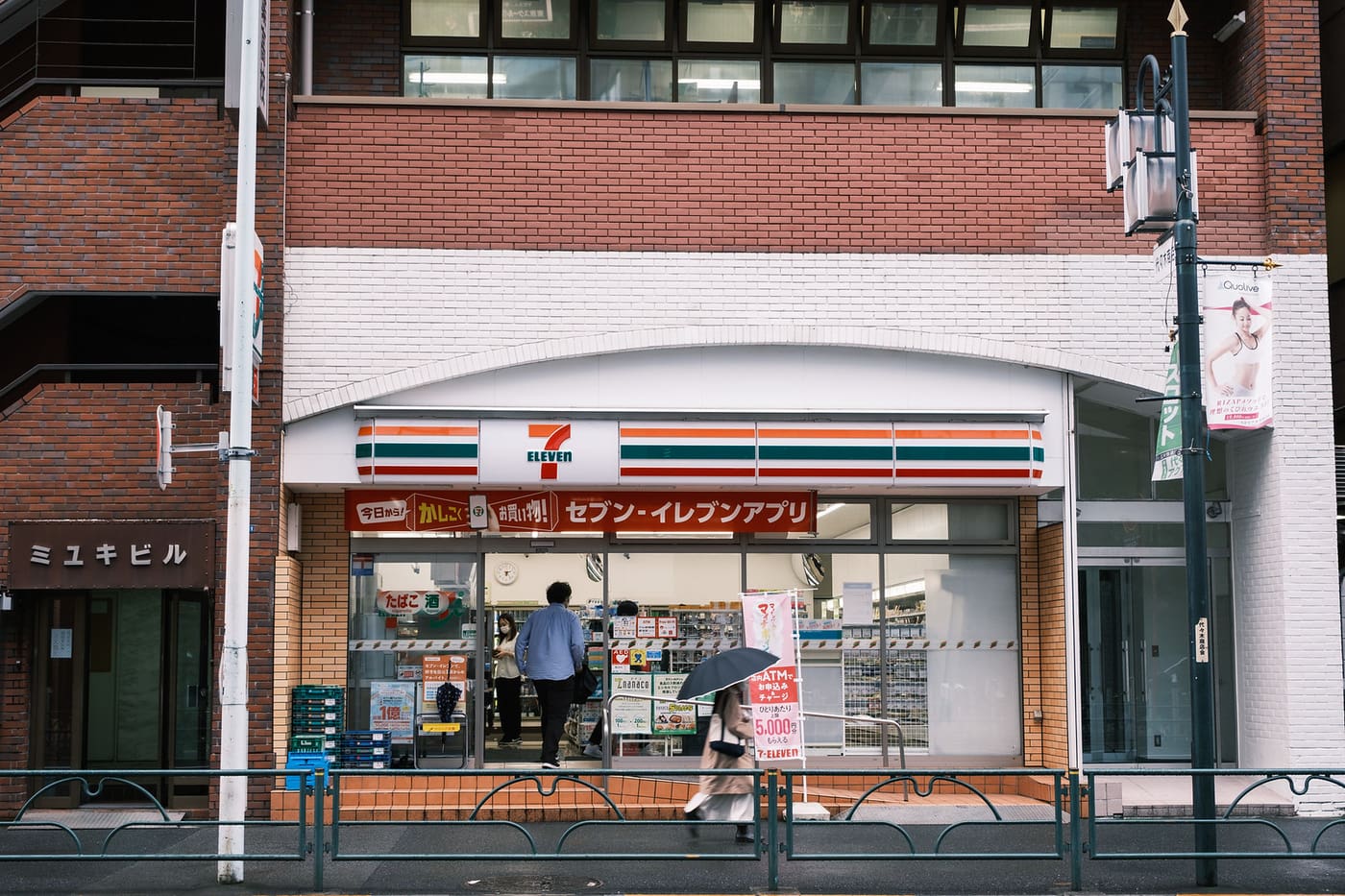
8. 7-Eleven ATMs are the answer. They take foreign cards, have English menus, and there’s almost always one within a few minutes’ walk.
9. Lunch is the luxury hack. Serious restaurants commonly serve near-identical food at lunch for far less than dinner. Eat the expensive meal at noon and go cheap and atmospheric at night. The Tokyo food guide is built around this.
10. So much of the best stuff is free. Shrine forests, government observation decks, whole neighbourhoods that work as open-air museums. The free things to do collection isn’t a short list.
11. Tax-free shopping changes on 1 November 2026. Until 31 October, stores deduct the 10% consumption tax at the till when you show your passport. From 1 November, you pay the full price in the shop and claim the refund at the airport before you leave, with the purchases and receipts ready to show. Keep everything together and allow extra time at departure.
Etiquette that matters
Forget the 40-point lists. These are the ones people notice.
12. Stand left on escalators (that’s Tokyo-specific, and Osaka does the opposite). The right side is for walkers.
13. Don’t eat while walking. Buy the street food, then stand and eat it by the stall, like everyone else does.
14. Queue for the train doors at the marked spots, and let people off first. The platform markings show exactly where the doors will stop.
15. Keep phone calls off the train. Texting is fine, conversations aren’t.
16. No tipping, anywhere. It doesn’t read as generous. It reads as confusing.
Planning your days
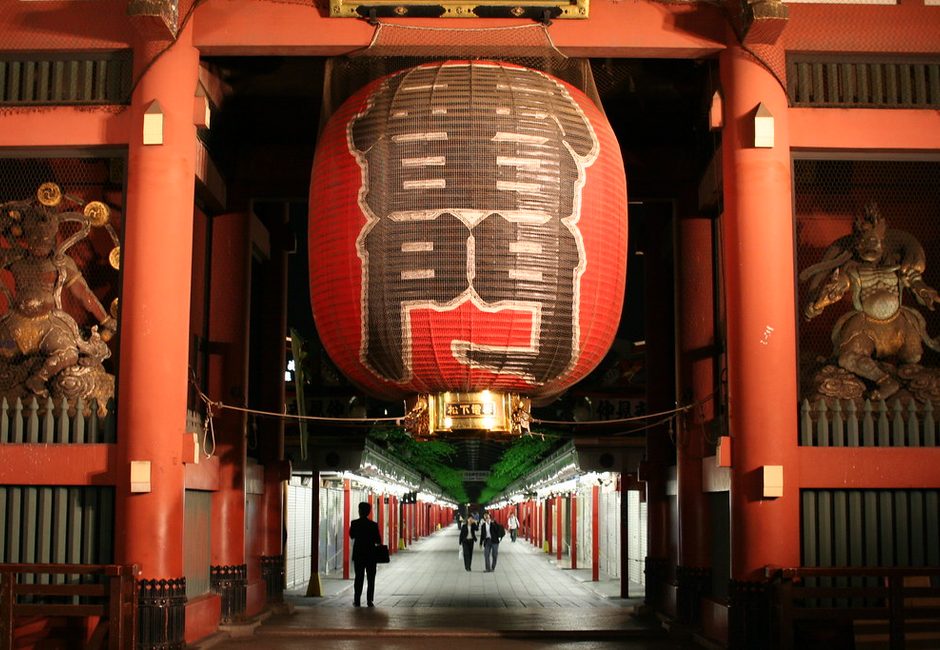
17. Use jet lag instead of fighting it. You’ll be awake at 5am for the first few days whatever you do. That’s exactly when Senso-ji, Tsukiji and the shrine forests are at their best. The early morning collection is effectively a jet lag itinerary.
18. Plan by neighbourhood, not by attraction. Tokyo distances are deceptive, and crossing the city to collect highlights burns two to three hours a day in transit. Areas like Shimokitazawa or Yanaka can fill a full day on their own. The neighbourhood guides are organised for this, and each groups enough within one area to fill a full day.
19. Build in a rain plan. It rains more than the brochure photos suggest, especially in June and during September’s typhoon season. The rainy day list covers the places that work best under cover.
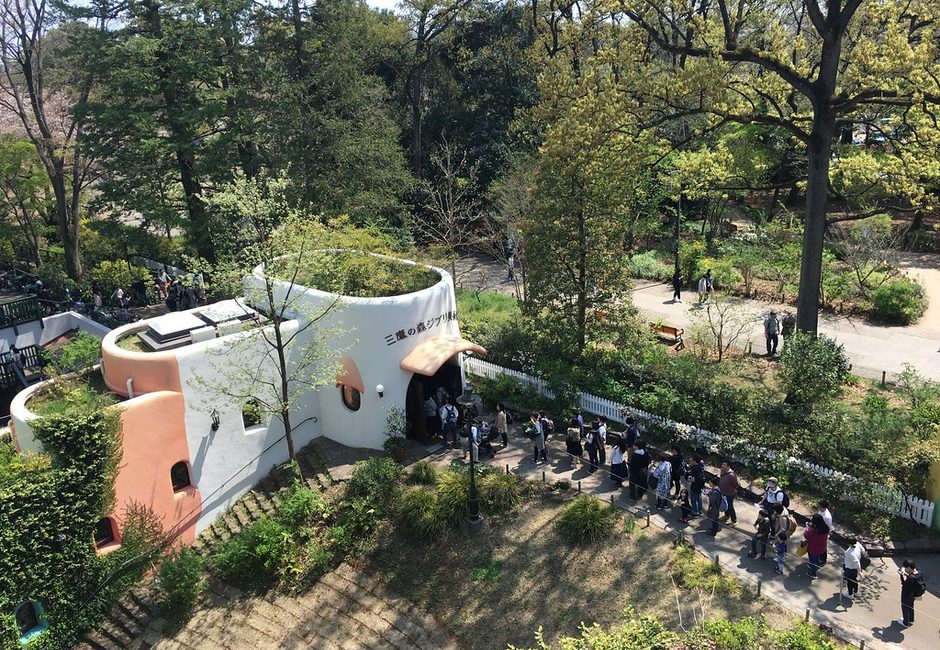
20. Book the big three ahead. Ghibli Museum tickets (released at 10am Japan time on the 10th of each month for the following month, and weekend slots go fast), teamLab Planets, and any serious sushi counter. Almost everything else can be spontaneous.
Packing
21. Sort your IC card before you land. On an iPhone, Suica and Pasmo can be added to Apple Wallet and topped up in the app, or you can use the Welcome Suica Mobile app. Most Android phones bought outside Japan can’t run a Japanese transit card, so if you’re on Android, pick up a physical card on arrival. If the phone dies you can’t tap through the gate, so keep a battery pack with you.
22. Choose between an eSIM and pocket wifi. A travel eSIM installs before departure, runs alongside your home SIM, and is the lower-friction choice if you’re travelling alone. Pocket wifi makes sense for a group sharing data across several devices, at the cost of one more thing to charge and carry.
23. Pack for walking, not for looking. On an ordinary Tokyo day Daniel’s rough count is 15,000 to 20,000 steps, and that’s normal. Broken-in running or trail shoes beat everything. If onsen or ryokan are on the plan, bring a small towel, since many public baths charge for one or don’t supply it. The sento and onsen guide covers how a public bath works.
Communication
24. Google Translate’s camera mode handles menus. Point it at Japanese text and the translation overlays on screen. It isn’t perfect, but it’s good enough for a menu, a sign or a konbini package. Download the Japanese language pack before you travel so it works offline.
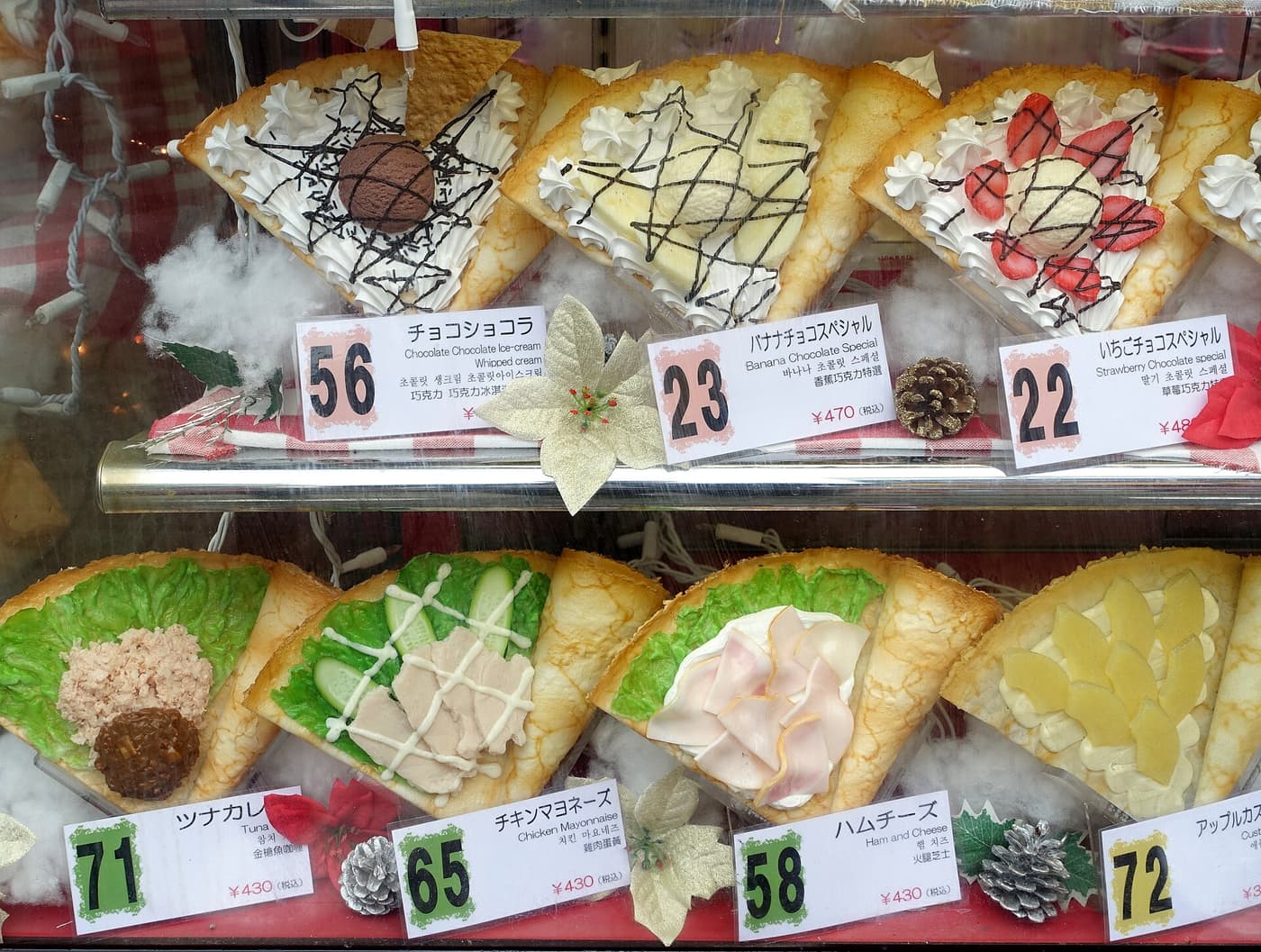
25. Pointing works everywhere. Plastic food models outside restaurants exist so you can point and say “kore” (this one). Photos on ticket-machine buttons, pictures on menus, a nod at the dish the next person is eating, all of it is socially normal, and staff will work to understand what you want.
26. Learn a handful of Japanese words. “Sumimasen” (excuse me, to get attention), “kore” (this), “ikura desu ka” (how much), “arigato gozaimasu” (thank you), and counting to three, “ichi, ni, san”. Nobody expects fluency, and a small attempt changes the interaction.
The mindset stuff
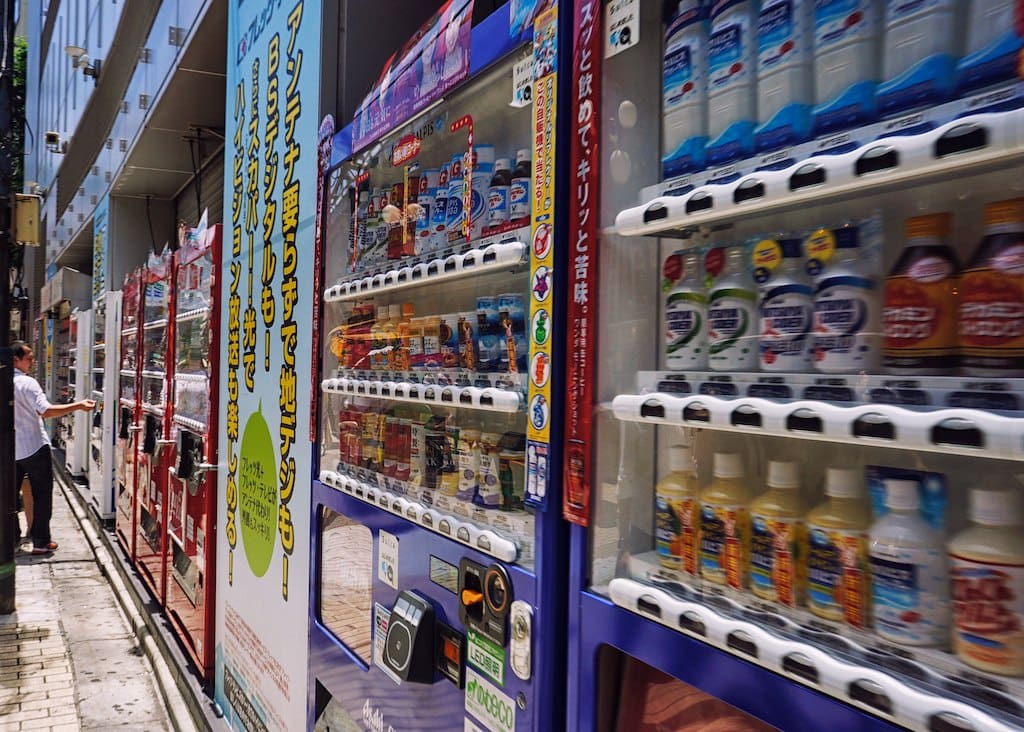
27. Convenience stores aren’t a compromise. A 7-Eleven egg sandwich, an onigiri and a canned coffee is a Tokyo breakfast that plenty of locals eat every day.
28. Get lost on purpose, once a day. Daniel’s best finds, the standing bars, the six-seat curry counters, the shrine between office towers, were never destinations. Pick a side street and follow it. The map will catch you when you’re done wandering.
29. Follow the systems. Japan has a system for almost everything. Which side of the walkway to use, where to stand on the platform, how to pay at a ramen counter, how to queue for a taxi. They exist to move people efficiently, and following them is the fastest way to feel at home.
30. Do less. The biggest first-timer mistake is treating Tokyo as a checklist. The city rewards sitting in a park with a konbini coffee, watching one neighbourhood wake up, taking the slow route. You can’t finish Tokyo, and the trip gets better once you stop trying.
If this is your first trip, start with the interactive map, pick the neighbourhood that sounds most like you, and build from there.
Frequently asked questions
What is the single most important thing to do before flying to Tokyo?
Sort out an IC card. On an iPhone, add Suica or Pasmo to Apple Wallet and top it up before you land. On most Android phones bought abroad that isn’t possible, so plan to buy a physical Suica, Pasmo or Welcome Suica at the airport. With one, you walk straight through the gate instead of queuing at a ticket machine.
Is Tokyo safe for solo travellers?
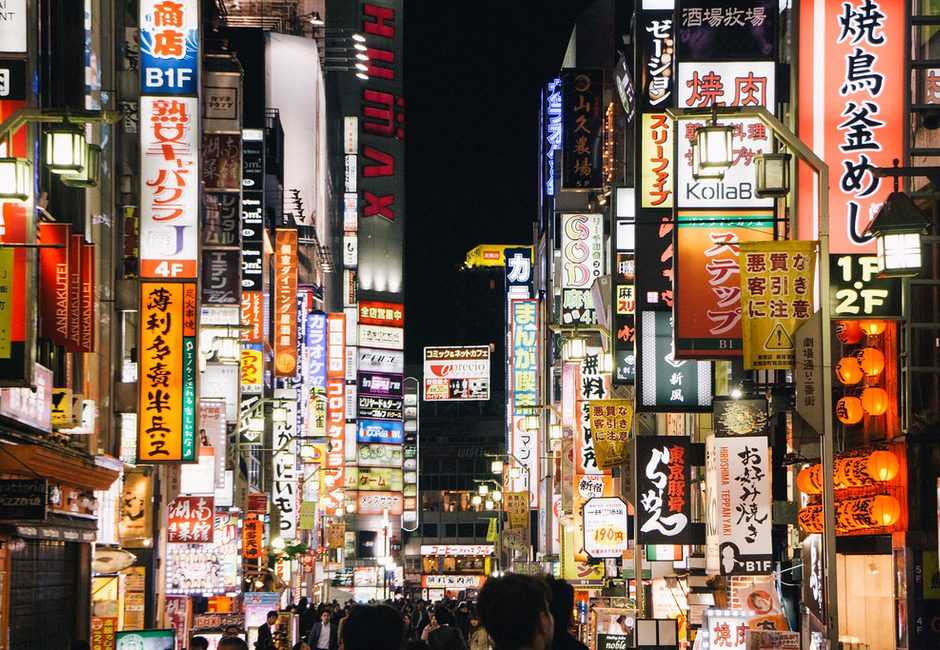
It’s consistently rated one of the safest big cities in the world, including for women travelling alone. Violent crime is rare, people routinely leave a bag on a cafe table while they queue at the counter, and lost wallets are often handed in. Normal urban awareness applies, particularly around the touts in Kabukicho and Roppongi at night.
How many days do you need in Tokyo?
Five to seven days for a first visit. Three days covers the essentials if you plan by area (the 3-day itinerary shows how), and seven leaves room for a day trip and a slow day. The site maps 26 neighbourhoods, each with a full day’s worth of things to do, so a longer trip never runs short.
When is the best time to visit Tokyo?
Late March to early April for cherry blossoms (the sakura collection has the viewing spots). October and November for comfortable walking weather, with autumn colour in the city from late November. July and August are hot and humid but bring the festivals and fireworks. January and February are cold, clear and quiet. If you dislike crowds, avoid Golden Week (29 April to 5 May). It’s the peak domestic holiday and the major sites are packed.
Places in this guide
Photos show the actual places, licensed under Creative Commons and credited to their photographers.

Find hotels in Tokyo
Browse live availability and compare prices for your dates.
See hotels near Tokyo on Booking.comPrices are for the night of Saturday 31 October. You can change the dates on Booking.com. If you book, Roam Tokyo earns a small commission from Stay22 at no extra cost to you.