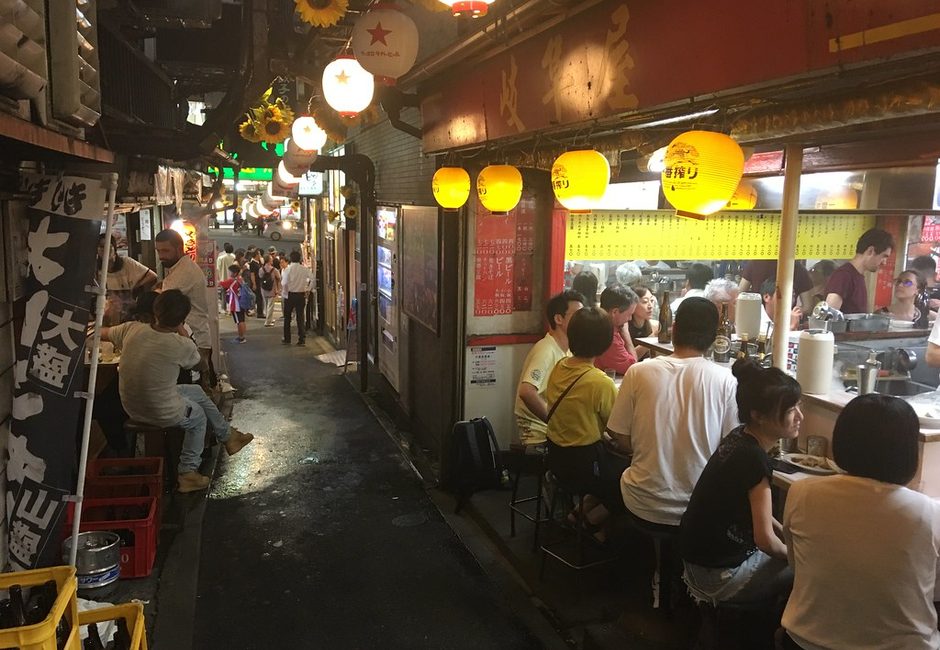
Where to Eat in Tokyo: A Neighbourhood-by-Neighbourhood Guide
Where to eat in Tokyo, by neighbourhood, the way locals think about it. Ramen, tsukemen, izakaya alleys, depachika, etiquette and the rules that matter.
Nobody in Tokyo asks “what should we eat tonight” first. They ask “where are we” and the food follows, because every neighbourhood has its own answer. Daniel has spent years eating his way across the west side, and this guide works the same way. It’s organised by area rather than by cuisine.
Every place named below is pinned on the interactive map, with its nearest station and a price bracket.
How eating in Tokyo works
Before the neighbourhoods, a few mechanics that make everything else easier.
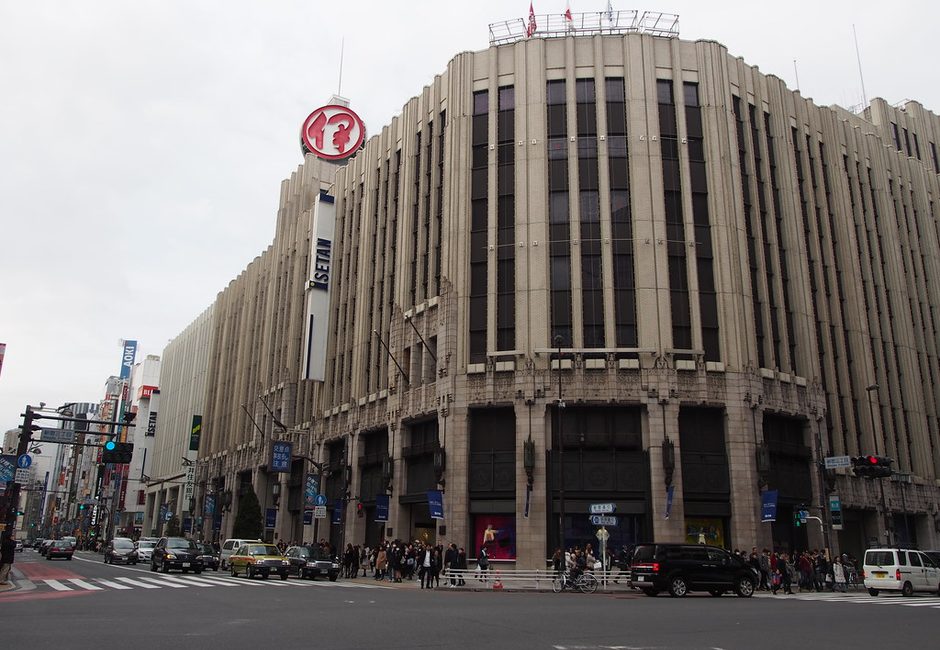
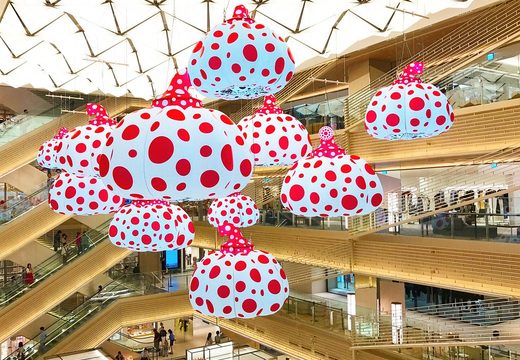
Depachika are the floor most visitors miss. Every major department store has a basement food hall, called a depachika. A food court? No. It’s a curated set of counters selling prepared dishes, wagashi sweets, pickles, premium bento and very good takeaway sushi. The Isetan depachika in Shinjuku is the most famous, and the one in Ginza Six is the most polished. Go hungry and build a picnic. It can be one of the best meals of your trip, and it costs less than a sit-down lunch.
The lunch hack is real. Many Japanese restaurants serve the same kitchen, the same chef and often the same fish for 30 to 40 percent less at lunch than at dinner. Serious kaiseki counters, top-tier tonkatsu restaurants, even omakase sushi bars have a lunch set that isn’t a compromise version. If there’s a splurge on your list, eat it at noon.
Ticket machines are normal. Many ramen shops and some katsu places have a vending machine by the door. You choose your bowl, pay the machine, take your ticket and hand it to the cook. The system exists to keep the focus on the food and the throughput high. There’s no trick to it. The buttons often have photos, and if you’re unsure, point at what the person next to you ordered.
Queuing is information. A line of locals at 11:45am outside a ramen counter is the most reliable restaurant review in this city. Tokyo queues are orderly and fast, because nobody lingers once they’ve finished eating.
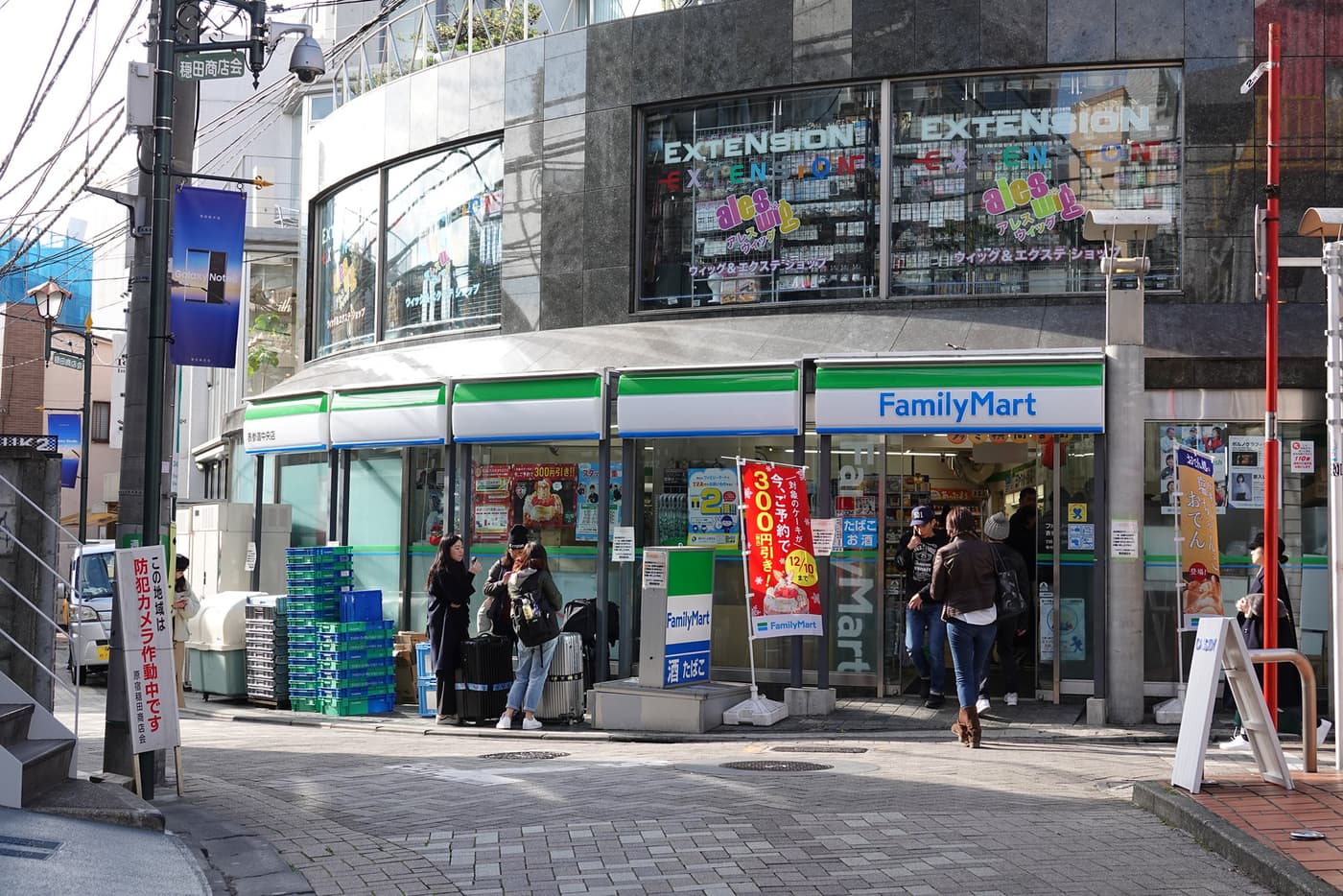
Konbini meals aren’t a fallback. Convenience store food, specifically the hot case at 7-Eleven or Lawson, the onigiri and the egg salad sandwiches, is a legitimate Tokyo eating habit that locals rely on every day. The quality floor is higher than in most cities. More on this below.
Shinjuku: noodles and smoke
Shinjuku is the densest eating station in Tokyo, and most visitors only ever see the chain restaurants on the main drags.
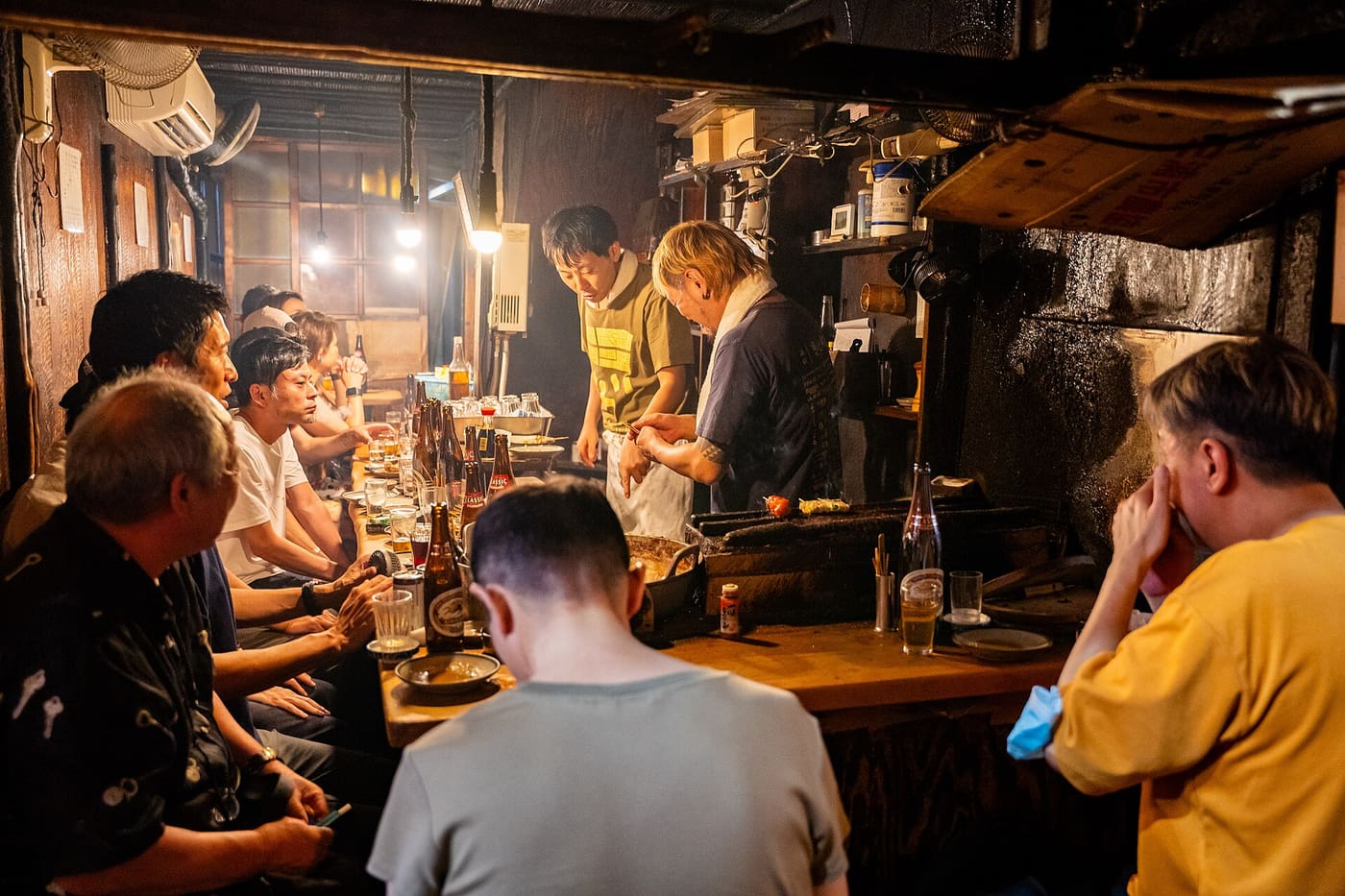
- Fuunji serves the tsukemen every other bowl gets measured against, a few minutes south of the station. The queue moves fast because nobody lingers.
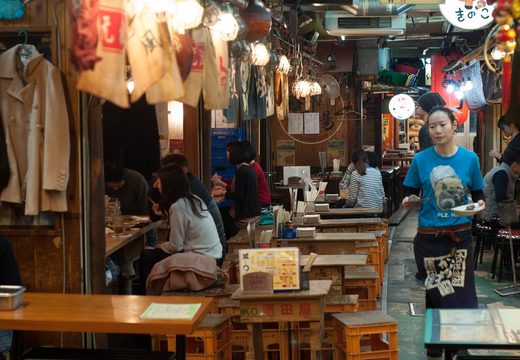
- Omoide Yokocho is two alleys of yakitori grills by the tracks. Sit where there’s space, point at what looks good, and let the night happen.
- The depachika under Isetan is the benchmark food hall. Go hungry, leave with a picnic, and remember that it closes at 8pm.
One stop north, Shin-Okubo is a whole Korean food district, with barbecue lunch sets, queues for cheese hotteok, and grocery stores you’ll want to browse.
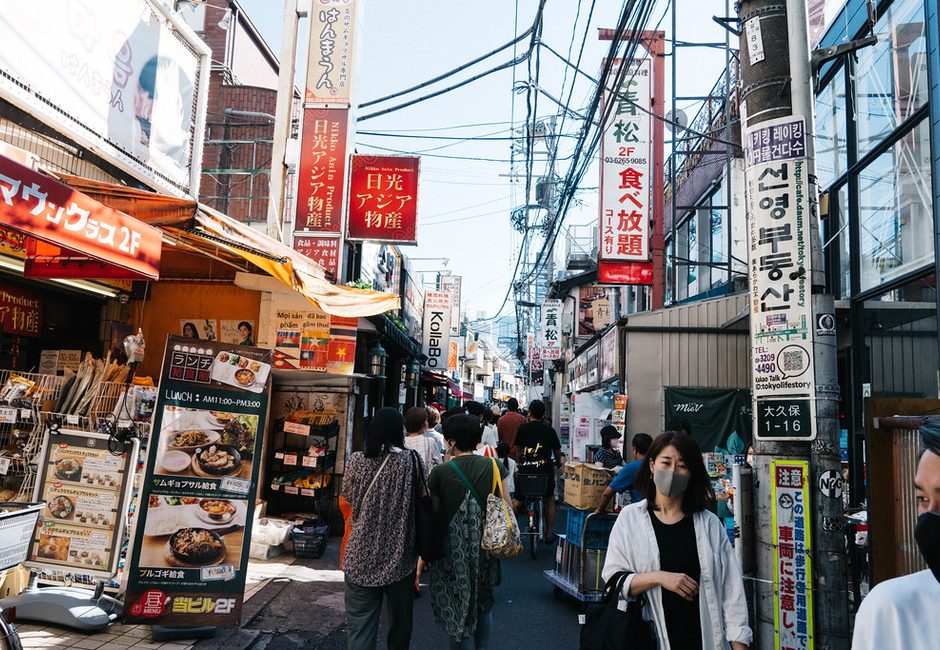
Shibuya and Ebisu: late bowls and izakaya floors
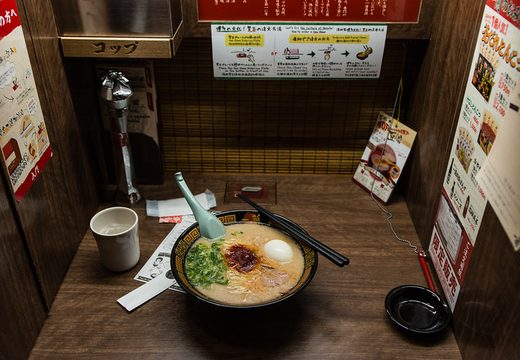
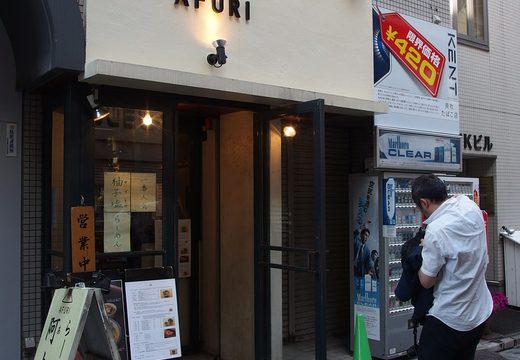
Ichiran gets dismissed as touristy, but the solo booths work and it’s there at 3am when little else is. The more local move is one stop away in Ebisu. Go to Afuri for the citrusy yuzu shio ramen, then Ebisu Yokocho for the full shoulder-to-shoulder izakaya hall experience. The Ebisu neighbourhood guide has Bar Trench for afterwards and the free Garden Place view for before.
For the classic post-Scramble drink, Nonbei Yokocho’s tiny bars are a few minutes’ walk from the crossing and a world away from it. More in the Shibuya neighbourhood guide.
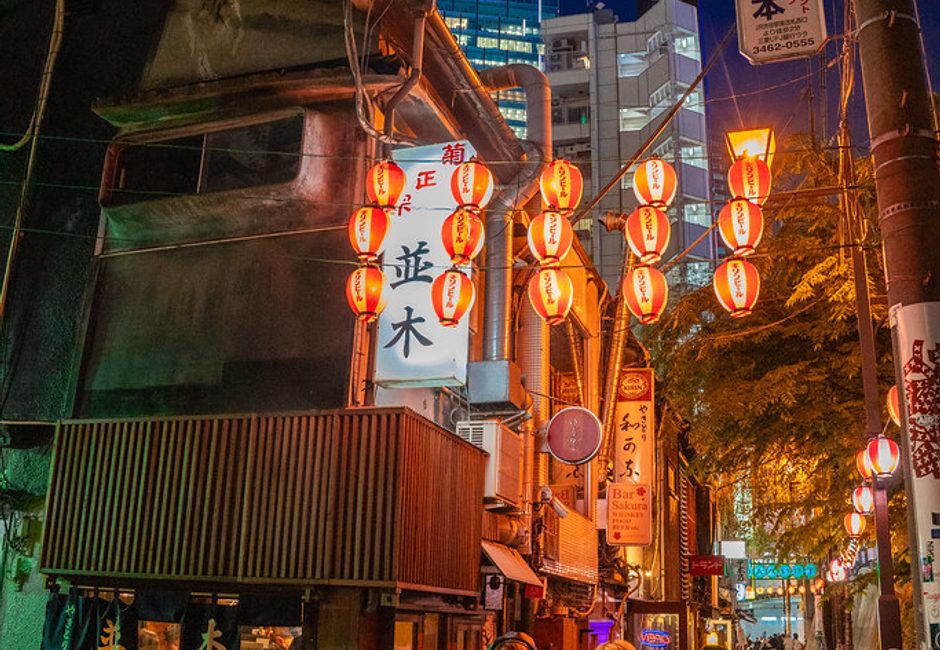
Tsukiji and Ginza: the breakfast pilgrimage
The inner wholesale market moved to Toyosu, but the Tsukiji Outer Market kept all the street food, the tamagoyaki on sticks, the uni bowls, the knife shops to browse between bites. Arrive by 8am, before the tour groups. Then walk into Ginza and finish on a free rooftop over Tokyo Station.
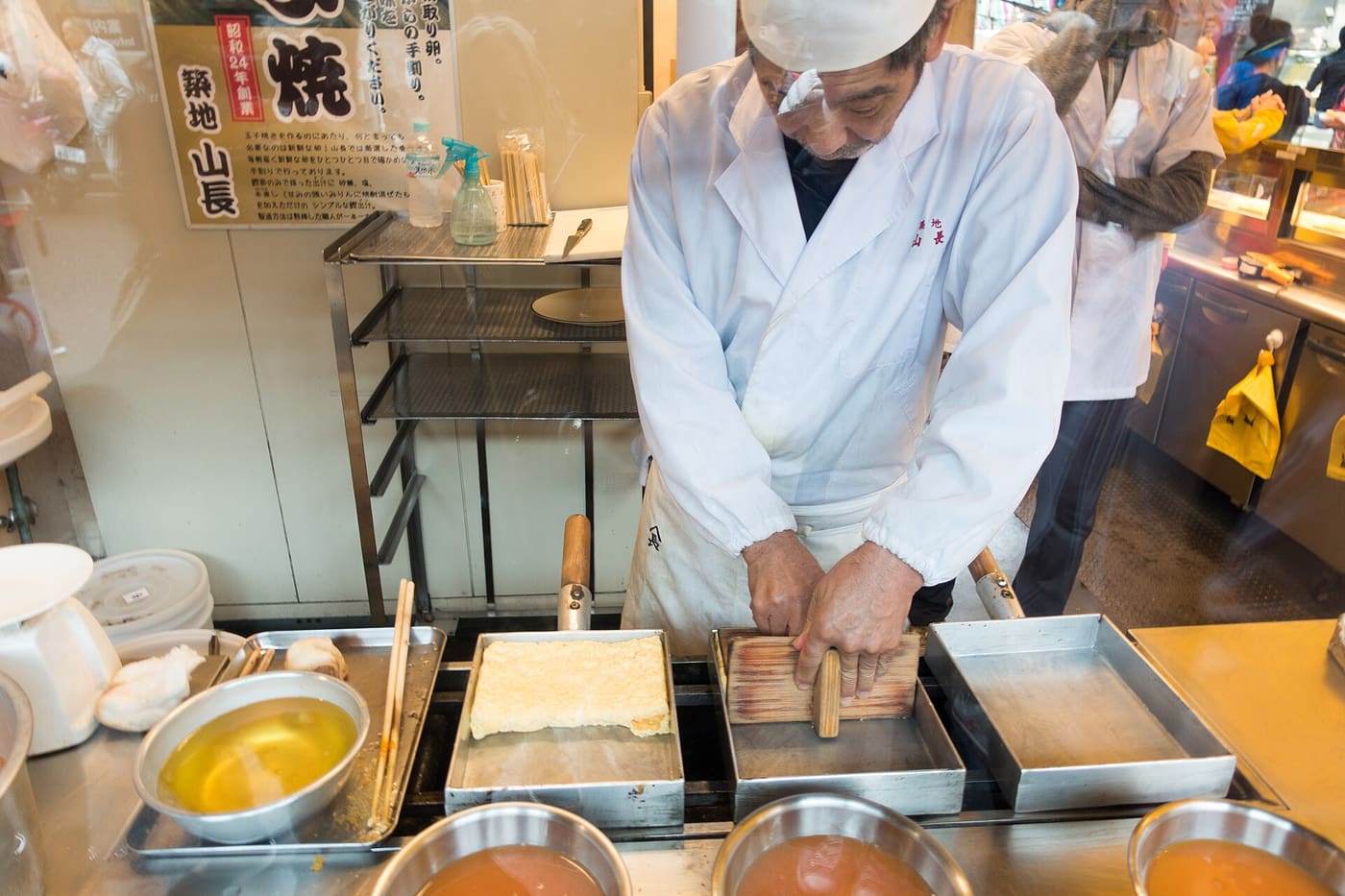
In Ginza itself, the basement of Ginza Six is the polished end of the depachika spectrum, and the Yurakucho arches, a ten-minute walk away, are the rough-and-ready end of everything else. Do both in one evening and you’ll understand the range of this city.
The west side: Daniel’s home turf
This is the part of the list drawn from the streets Daniel knows best.
- Shimokitazawa’s curry row is where the neighbourhood quietly became Tokyo’s curry capital. Queue for the small places. They’re small for a reason. The full Shimokita guide has the rest.
- Sushi Sumibi by Sasazuka station is a lively, cheap sushi-and-skewers bar, with nigiri from around ¥100 a piece, skewers off binchotan charcoal, and a neighbourhood few tourists see.
- Mil Tacos, also in Sasazuka, is real Mexican food in a tiny room, and the place Daniel and his wife chose for their wedding dinner. There’s no objectivity here, and no apology for it.
- Koya in Hatagaya is a loud, packed Shanghai-style Chinese izakaya with huge handmade gyoza, a long dim sum list, and hours that run until 4am most nights.
- Sangenjaya’s triangle zone is a knot of izakaya alleys between the train lines where young Tokyo drinks. No reservations. You just squeeze in.
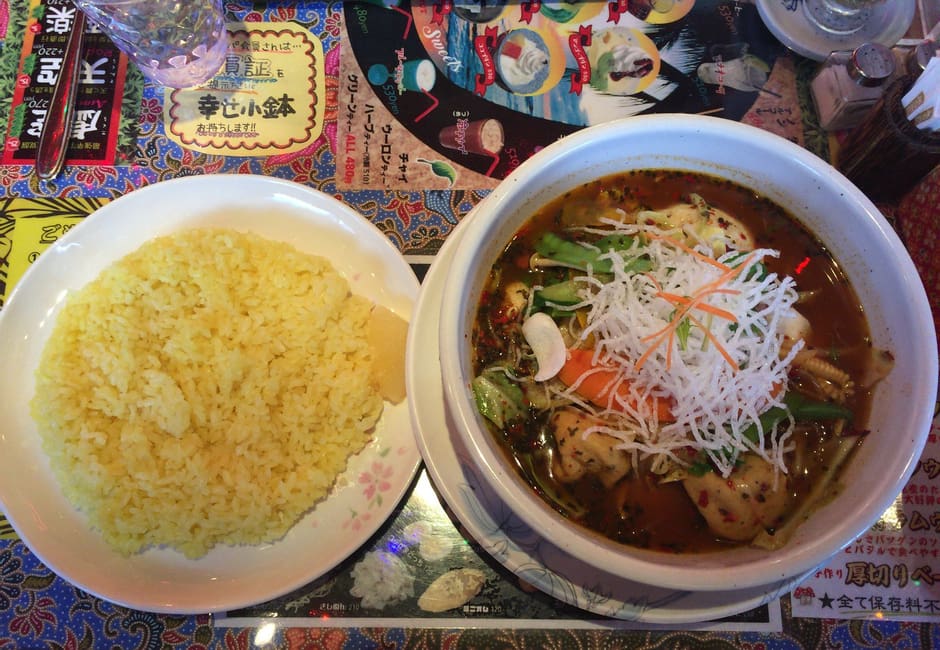
Asakusa and Ryogoku: old-school flavours
Hoppy Street west of Senso-ji serves beef stew and the drink it’s named after at outdoor tables from around noon. The drink is a mix of shochu and Hoppy, a near-beer malt drink, and somehow it tastes exactly right with braised beef offal and summer heat. There are a dozen or more places along the stretch and you move between them freely. A weekday afternoon is the calmest time.
Down the river in Ryogoku, eat chanko nabe at a stable-affiliated restaurant near the Kokugikan. Chanko nabe is the sumo stew, a dashi or chicken broth loaded with tofu, vegetables, fish cakes and whatever protein the stable is running that day. The portions assume you weigh 150 kilos, so two people can share one pot and leave full. Look for restaurants run by retired wrestlers. The signs often have sumo imagery and the name of the stable. Go at lunch, because many close by early evening.
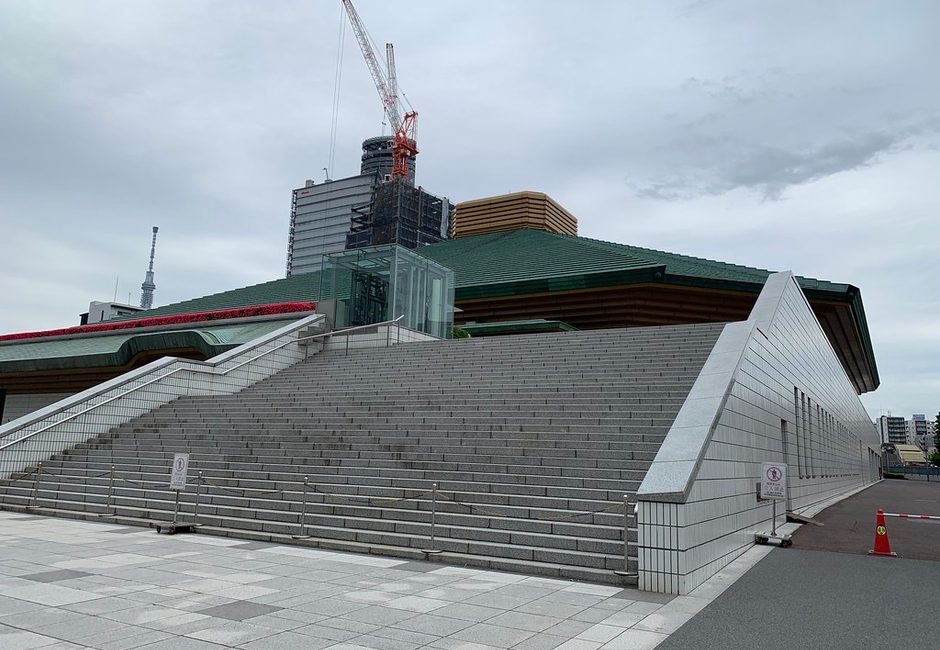
Give the neighbourhood an extra hour. The Kokugikan is the sumo arena, and its small Sumo Museum is free on weekdays outside tournament periods.
The chain restaurants worth defending
Not all chains are the same. Some are good enough to seek out, and a few are exactly the right call.
Ichiran. The solo booths aren’t a gimmick. They turn the focused, silent ramen meal into a system. The broth is consistent, the order sheet lets you set noodle firmness and richness, and a bowl at 2am after a long night out is exactly what it’s meant to be. Go once.
Yoshinoya at 6am. The gyudon chain isn’t a place to linger, but an early-morning bowl of beef and rice with a cup of green tea, at the counter while the city is still dark, is as Tokyo as anything else on this list. A regular bowl costs around ¥500. Add an egg and eat it in five minutes like everyone else.
Conbini breakfast, legitimately. A triangle onigiri, an egg salad sandwich and a canned latte from any 7-Eleven is a proper Tokyo breakfast. Locals eat this every day, and not as a shortcut. The quality is there. The hot case adds fried chicken, nikuman (steamed pork buns) and occasionally croquettes. There’s no shame in it, and there’s real skill in choosing well.
The soba chains. Standing soba counters like Fuji Soba or Yudetaro, found outside most major stations, serve decent buckwheat noodles in dashi broth in under three minutes for around ¥400. They’re the working-Tokyo lunch, eaten standing at a counter. Try one once, just to feel the speed.
What to order
Tokyo menus can be overwhelming, and a few terms are useful to know before you sit down.
Tsukemen vs ramen. Ramen is broth-based. The noodles cook in the soup and arrive together. Tsukemen reverses that, with thick noodles served chilled or at room temperature alongside a concentrated dipping broth. You drag the noodles through the broth before eating. Fuunji in Shinjuku is the place to try it.
Omakase. Chef’s choice. Common at sushi and kappo counters, it means the chef decides the sequence and you eat what comes. The price is set per person and agreed before you sit. It’s the right call when you’re somewhere serious and don’t speak enough Japanese to work through a menu.
Teishoku. The lunch set that most sit-down restaurants offer between 11am and 2pm. Usually a main dish, rice, miso soup and a side or pickles, for one fixed price. This is how office-worker Tokyo eats lunch, and how you eat well for around ¥1,000 to ¥1,500.
Izakaya ordering. Izakaya don’t work like a restaurant with a set run of courses. You order again and again through the night, a few dishes at a time, as you drink. Edamame first while you settle in, then yakitori, then something more substantial if the night runs long. Flagging the staff for another drink is normal. Leaving when you’re done rather than when you’ve finished a course is normal. The bill comes when you ask for it.
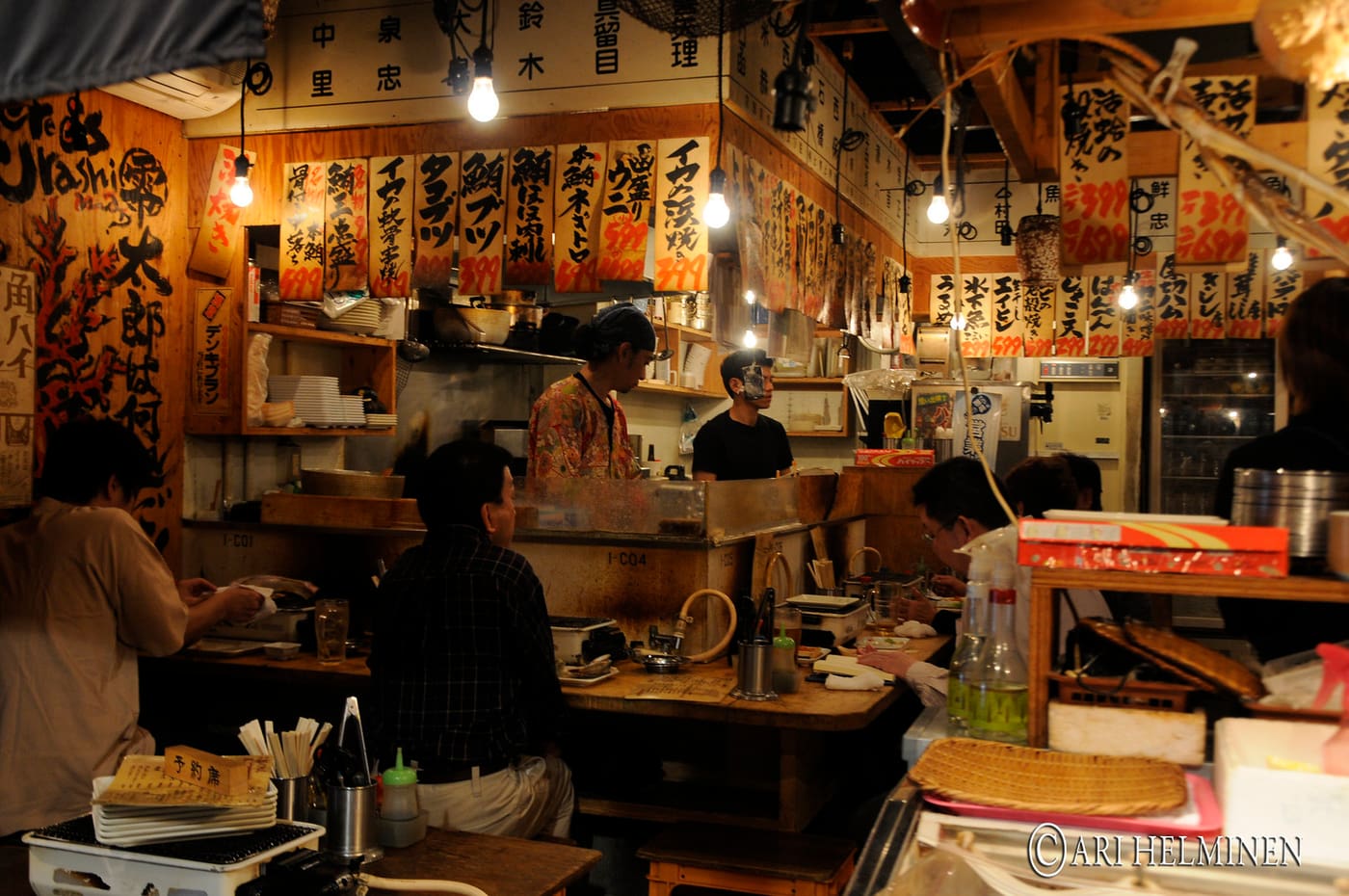
Nomihodai. All-you-can-drink, common at izakaya. There’s usually a time limit of 90 minutes or two hours, and the beer and highballs are basic, but for a group night it makes the maths simple. Ask at the door whether they offer it.
The rules that matter
Skip the etiquette essays. These cover ninety percent of situations:
- Buy the ticket first. Most ramen shops use a vending machine by the door. Order, sit, hand over the ticket.
- Lunch is the deal. The serious restaurants are much cheaper at lunch.
- Queues are data. A queue of locals at 11:45am is the best restaurant review there is.
- No tipping, ever. It causes confusion rather than gratitude.
- Plastic food displays are a good sign. They usually mean a menu you can point at.
- Point your phone camera at the menu. Google Translate’s camera mode handles Japanese menus well enough to get by. Aim it at the page and the dish descriptions appear in English over the Japanese text.
- One small plate isn’t an order. At an izakaya, ordering one dish is like ordering a single starter at a restaurant. Expect two to four dishes per person across the evening, ordered in waves.
- “Sumimasen” gets attention. To call a server, say “sumimasen” (excuse me) in their direction. Waving is fine. Clicking your fingers isn’t.
- Last order comes early. Many restaurants stop taking food orders 30 to 45 minutes before they close. Arrive at 9:30pm at a place that closes at 10 and you may only get drinks. Check the closing time and plan around it.
Frequently asked questions
Is Tokyo expensive for food?
It depends entirely on what you eat and when. Standing soba starts around ¥400 and a bowl of ramen runs roughly ¥1,000 to ¥1,500. A lunch set at a serious restaurant runs ¥1,500 to ¥3,000, while the top sushi counters charge tens of thousands of yen at dinner. Tokyo is one of the fairest food cities in the world, because the cheap food is excellent.
What is the best cheap eat in Tokyo?
There are too many good answers. If it has to be one, a 7-Eleven egg salad sandwich plus an onigiri plus a canned coffee, eaten on a park bench, for well under ¥1,000. Or a bowl of kake soba at a standing counter near any major station. Or, if you’d rather sit down, a gyudon bowl at Yoshinoya. All of these are better than they’ve any right to be at the price.
Do I need reservations in Tokyo?
For about 80 percent of what you’ll eat, no. Ramen counters, izakaya, soba shops, conveyor belt sushi and depachika are all walk-in. The places that need reservations are serious sushi counters (weeks to months ahead), popular tasting-menu restaurants, and a handful of very small and very famous spots. If there’s one restaurant you’d kick yourself for missing, book through its online reservation page before you travel, or ask your hotel to phone.
Is it rude to enter a restaurant with no Japanese?
No. The staff in tourist-adjacent areas are used to it. Outside tourist areas, a little patience and a lot of pointing works fine. Having your hotel address written in Japanese on your phone and knowing the words “these” (kore), “that one” (are) and “two people” (futari) covers most situations. Restaurants want to feed you. Nobody expects you to speak Japanese.
Build your own food day
Here’s how to use all of this. Pick a neighbourhood, eat the thing it’s known for, and fill the gaps from the map. Filter by food, check the price brackets, and look at what’s within a ten minute walk. If eating is the point of the trip, sleep in Ebisu or Shinjuku, where the counters are walkable at midnight. The where to stay comparison says which. Skip the food bucket list and just be hungry in the right postcode.
Places in this guide
Photos show the actual places, licensed under Creative Commons and credited to their photographers.
Find hotels in Tokyo
Browse live availability and compare prices for your dates.
See hotels near Tokyo on Booking.comPrices are for the night of Saturday 31 October. You can change the dates on Booking.com. If you book, Roam Tokyo earns a small commission from Stay22 at no extra cost to you.