Koenji Awa Odori 2027: Dates, Where to Watch, and Trains
Koenji Awa Odori guide: the expected August 2027 dates, how the street stages work, where to stand, when to arrive, the weekend train trap, food, and where to stay near Koenji.
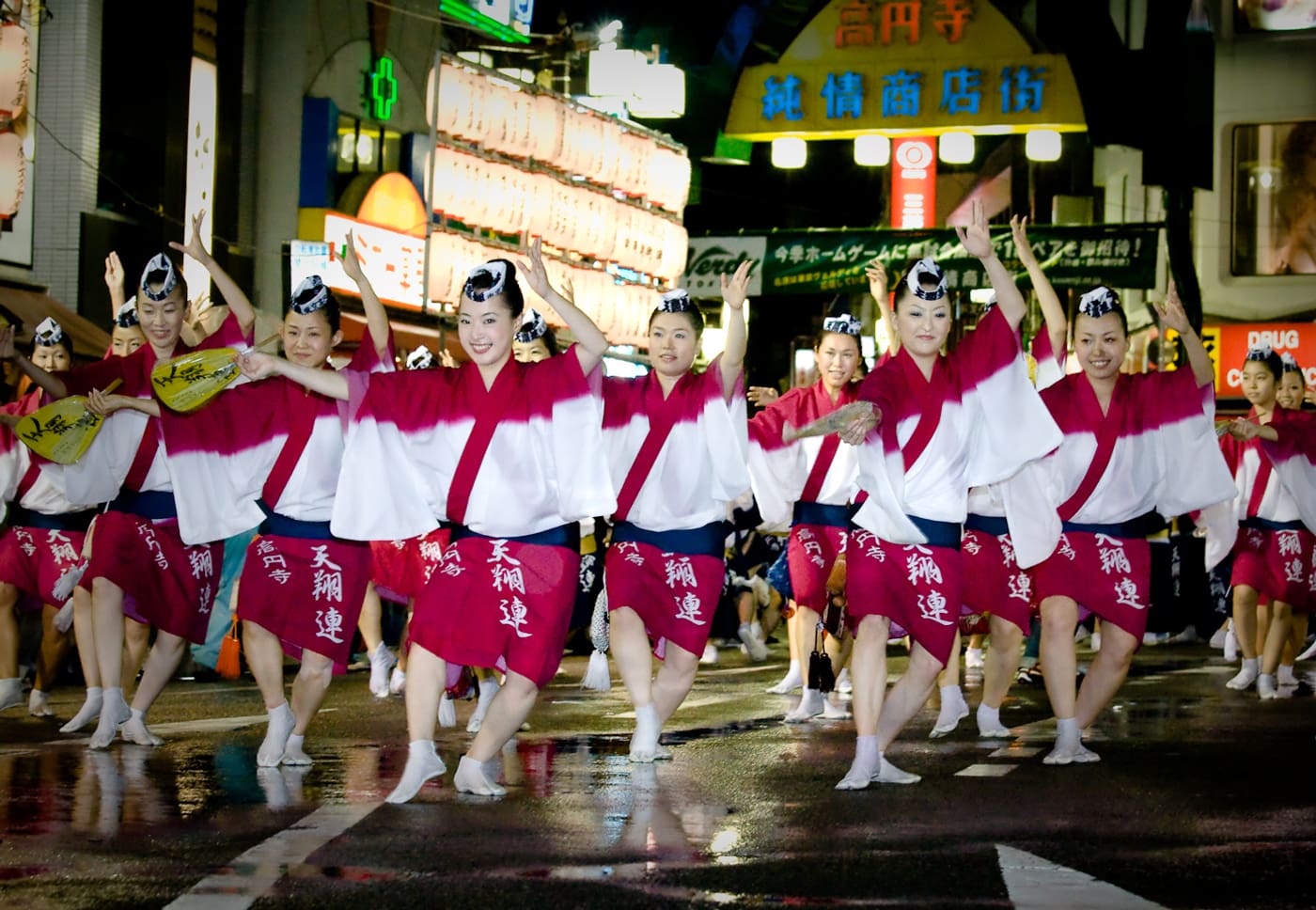
Koenji Awa Odori is Tokyo’s biggest dance festival. Around 10,000 dancers in troupes called ren parade through the streets around Koenji Station over two August evenings, to drums, shamisen, flutes and bells, in front of a crowd that topped a million people at the 2025 edition. The dance comes from Tokushima, on the island of Shikoku, and Koenji’s shopkeepers adopted it in 1957 to liven up the neighbourhood.
It’s held on the last weekend of August. The 2026 edition, the 67th, was on Saturday 29 and Sunday 30 August, with street dancing from 5 PM to 8 PM each day. The 2027 dates hadn’t been announced at the time of writing. The usual pattern points to Saturday 28 and Sunday 29 August 2027. Treat that as expected until the organisers publish it.
Go on the Saturday and arrive by 4 PM. Pick one street stage and stay there instead of chasing the dancers. Take the local train or the Marunouchi Line, and don’t get on the Chuo Rapid.
How it works
The festival isn’t a single parade. The organisers set up a string of street stages (enbujo) on the shopping streets around JR Koenji Station and along Konan-dori toward Shin-Koenji Station on the Marunouchi Line, and nine were used in 2026. Each ren dances down one stage, then moves on to the next, and a typical troupe covers five or six stages in an evening. Wherever you stand, you won’t wait more than a few minutes for the next troupe.
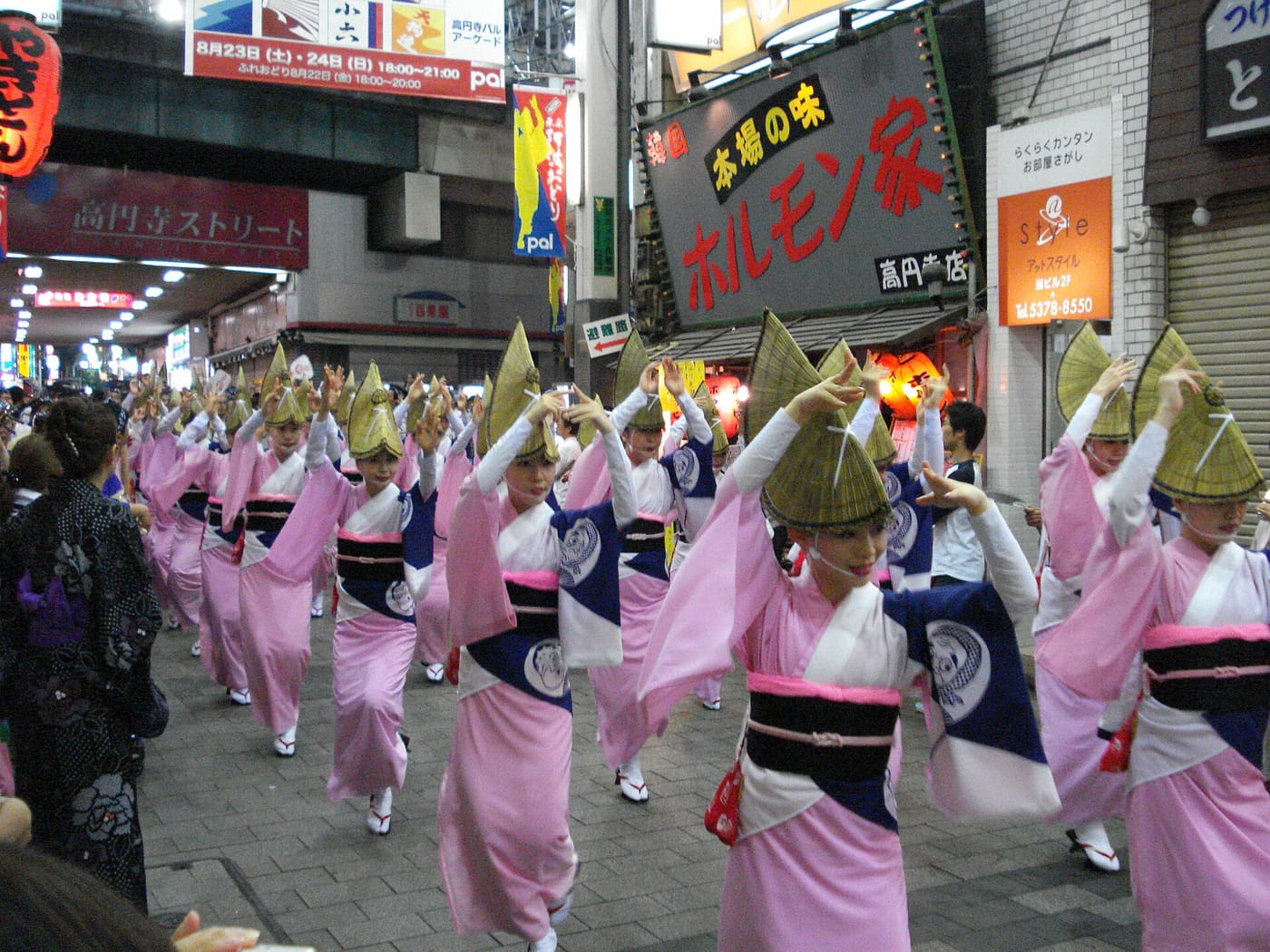
The troupes range from famous groups with dozens of musicians to company and neighbourhood teams. Women’s lines dance upright and precise in straw amigasa hats, and men’s lines dance low, loose and fast. The chant you’ll hear everywhere goes, roughly, that the dancers are fools and the watchers are fools, so if everyone is a fool you might as well dance.
Where to watch
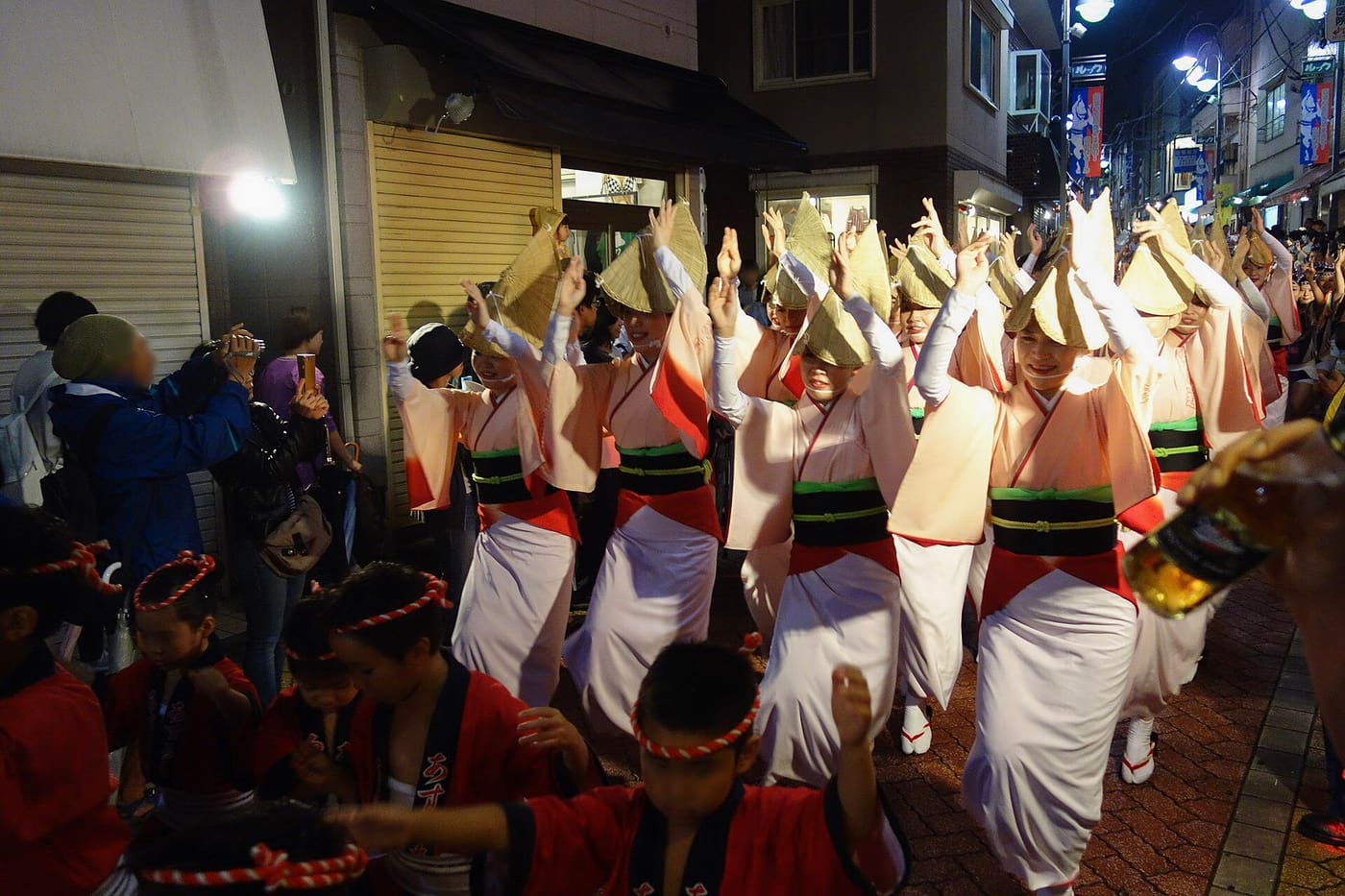
The stages near the station. The streets right around JR Koenji fill first and stay the most crowded. The narrow streets here put you close to the dancers, and that’s the best of the festival and the worst of the crush.
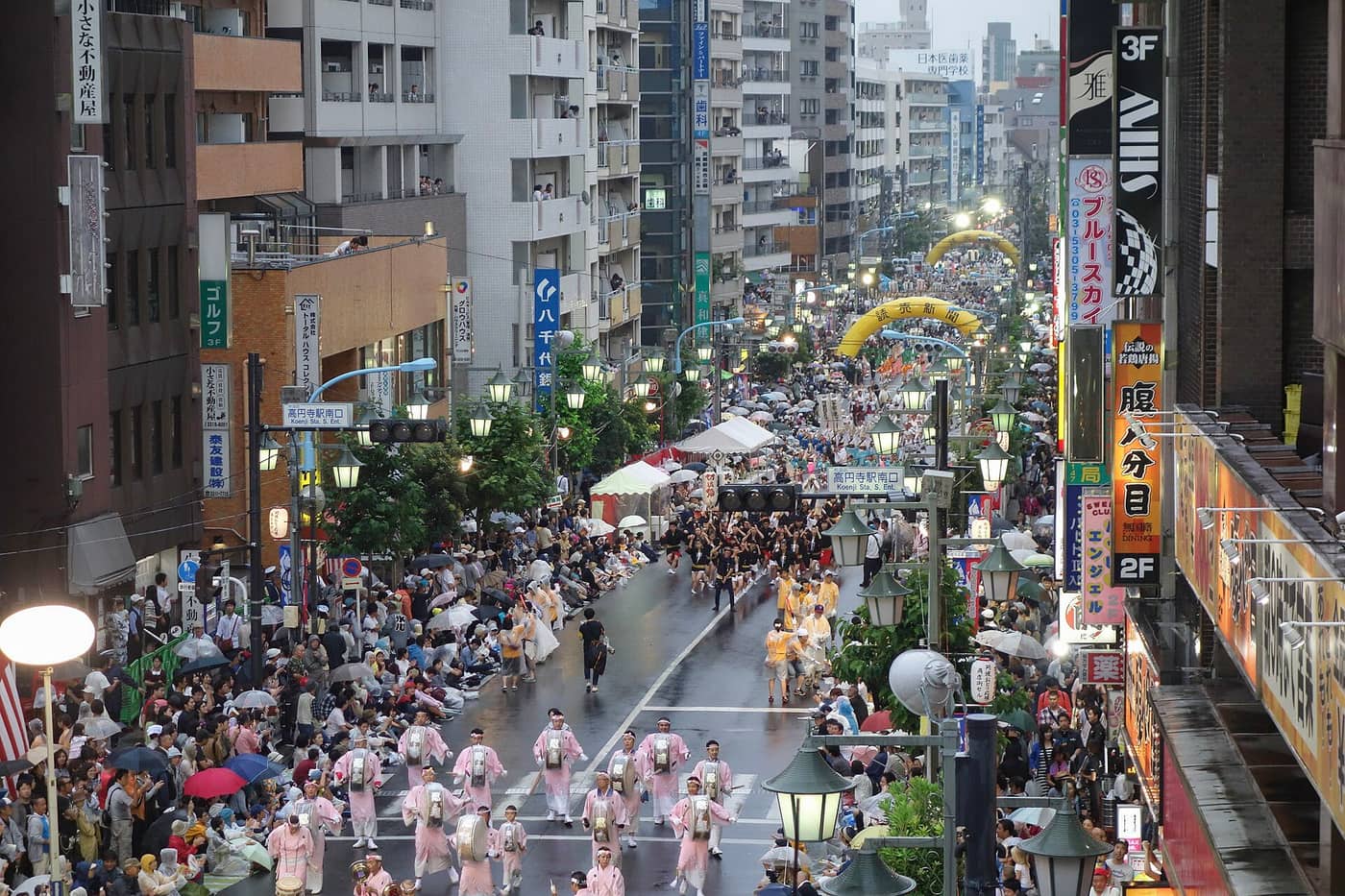
Konan-dori (south of the station). The main road south toward Shin-Koenji is wider, so the stages there have more room for the big troupes and more room for you. It’s the easiest place to stand for a couple of hours.
Paid seats. A limited number of paid seats have been sold in recent years through the organiser’s channels. Most people watch for free from the kerb.
Stay put. Crossing between stages during the event is slow, and crowd controls often send you the long way round. Pick a stage, claim a spot on the kerb or behind the first row, and let the troupes come to you.
When to arrive
Dancing starts at 5 PM. For a kerbside spot on a popular stage, arrive by 4 PM. On Saturday the streets near the station are already filling by mid-afternoon. If you’re late, head south along Konan-dori, where it’s easier to find space.
Getting there and getting away
The trap. On weekends and public holidays, Chuo Line Rapid trains don’t stop at Koenji. They run straight through from Nakano to Ogikubo. Take the yellow Chuo-Sobu Line local train from Shinjuku, which does stop at Koenji, or the Marunouchi Line to Shin-Koenji or Higashi-Koenji, which puts you at the southern end of the stages.
When the dancing ends at 8 PM, JR Koenji Station fills fast and queues form at the gates. You’ll often do better walking south to Shin-Koenji for the Marunouchi Line, or west to Asagaya for the local JR line, than waiting at Koenji. Allow extra time either way.
Weather, costs, and what to bring
Late August is hot and humid, and the crowd adds heat. Bring water, a small towel, a hand fan and a portable phone battery. Light rain usually doesn’t stop the dancing. In unsettled weather, check the organiser’s site and social accounts on the day. Watching is free, and cash is still the easiest way to pay at stalls and small shops.
If you’d rather watch the dance sitting down, indoor stage performances of Awa Odori are also held in local halls around the festival, some of them ticketed.
Where to eat nearby
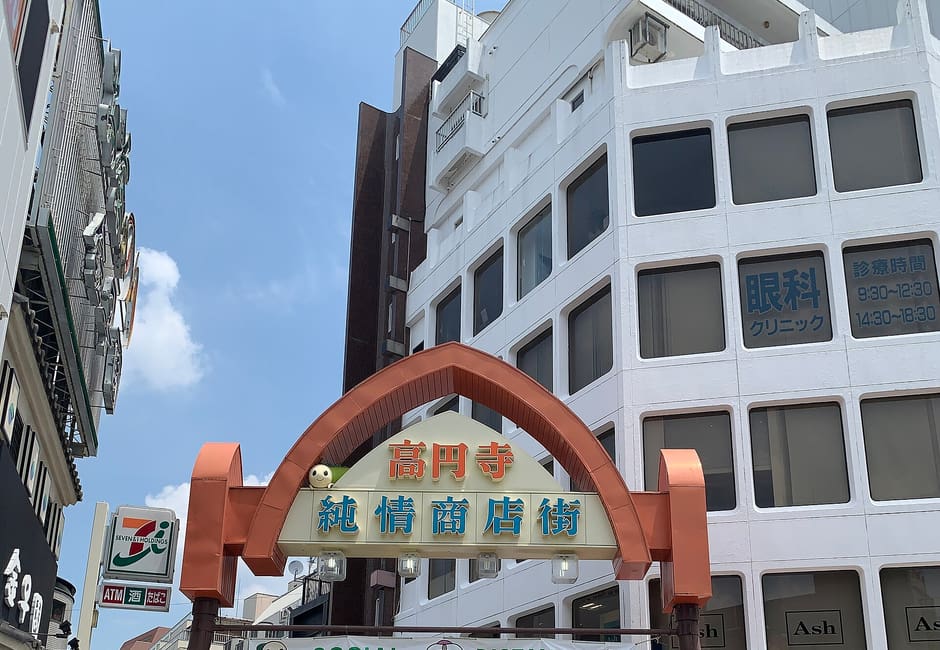
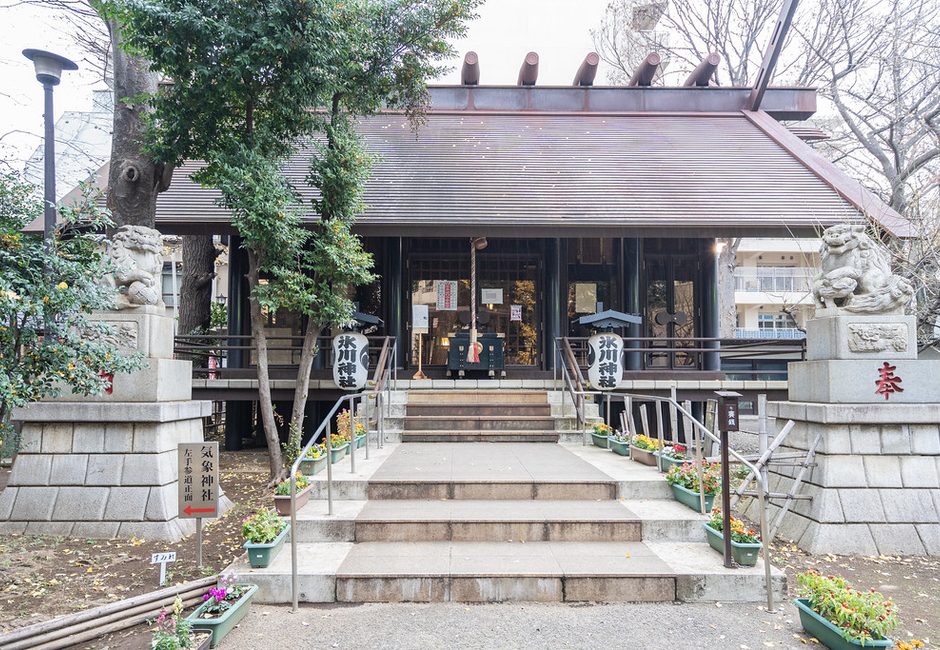
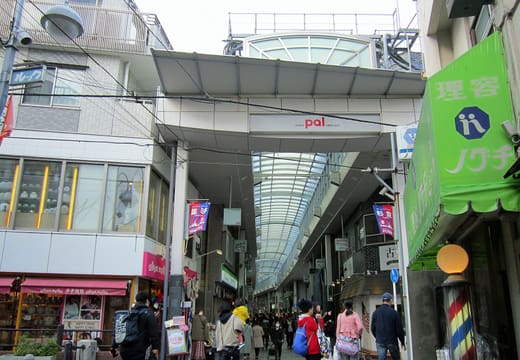
Koenji is one of Tokyo’s best cheap-eating neighbourhoods. Eat early, because tables are scarce once the dancing starts. Tensuke, the 12-seat tempura counter famous for its egg tempura bowl, is best at lunch, well before the crowds. Koenji Junjo Shotengai, north of the station, is lined with food shops and side-street izakaya. Koenji Pal Shotengai, the covered arcade south of the station, is where the festival started in the 1950s. Before the dancing, Koenji Hikawa Shrine holds Japan’s only shrine to the weather, and locals leave wishes for fine skies on its geta-shaped ema.
Where to stay for Koenji Awa Odori
Koenji itself has a handful of small hotels. The weekly hotel price index puts the Koenji median at US$128 a night (sampled 29 September 2026, a two-night stay a month out, from 25 listings), and rooms near the station are the first to go for festival weekend.
- Shinjuku, at US$274, is the practical base, 10 to 15 minutes away on the Chuo-Sobu local line, with the city’s widest hotel choice. The Shinjuku where to stay guide covers which side to pick.
- Kichijoji, further west on the same line at about US$115, is calmer and greener.
- Nakano, one stop east of Koenji, is walkable in about twenty minutes and a useful place to search for rooms on the map.
Open the Tokyo travel map with your dates to see live hotel prices around the station, and read the Koenji neighbourhood guide for the record shops, vintage stores and bars that fill the rest of the weekend.
Same weekend: Asakusa Samba Carnival
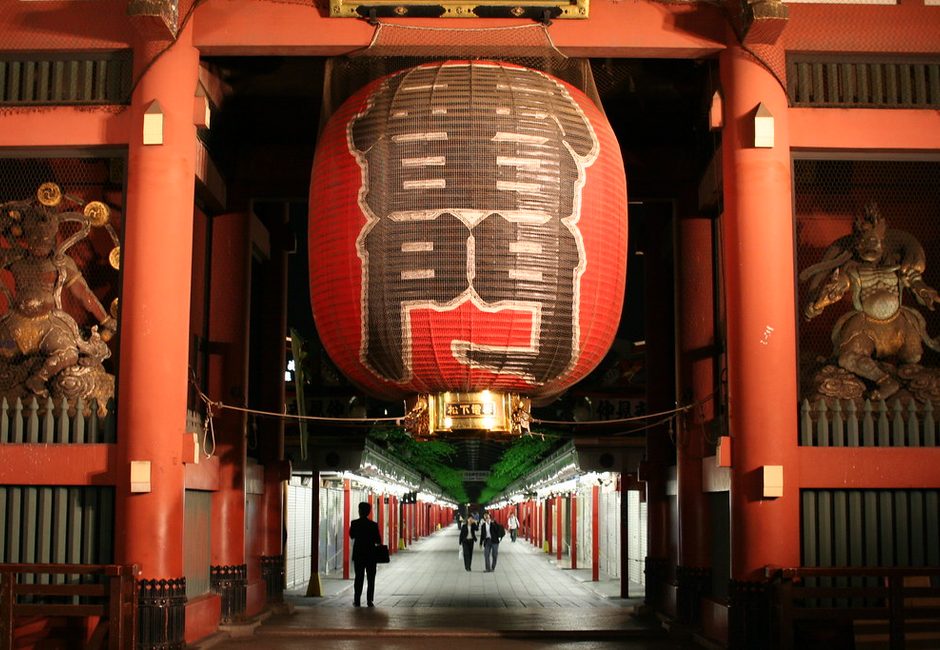
In 2026 the Asakusa Samba Carnival fell on the same Saturday as the first day of Awa Odori. The samba parade runs in the afternoon on the other side of the city, so a very full Saturday could take in both, with a train across town in between. The events calendar lists both as their dates are announced.
Frequently Asked Questions
When is Koenji Awa Odori 2027?
The dates hadn’t been announced at the time of writing. The festival is held on the last weekend of August, which points to Saturday 28 and Sunday 29 August 2027. The 2026 edition was 29 and 30 August, with dancing from 5 PM to 8 PM.
Is Koenji Awa Odori free?
Yes. It’s free to watch from the street. A limited number of paid seats have been sold, and some of the indoor stage performances are ticketed.
Which station is best for Koenji Awa Odori?
JR Koenji for the stages around the station, on the Chuo-Sobu local line, because the Chuo Rapid doesn’t stop at Koenji at weekends. Shin-Koenji or Higashi-Koenji on the Marunouchi Line for the southern stages and an easier way out.
How many people go to Koenji Awa Odori?
Around 10,000 dancers take part, and the 2025 edition recorded about 1.02 million spectators across the two days.
Places in this guide
Photos show the actual places, licensed under Creative Commons and credited to their photographers.
Find hotels in Koenji
Browse live availability and compare prices for your dates.