Sanja Matsuri 2027: Dates, Schedule and How to Watch in Asakusa
Sanja Matsuri guide: the expected May 2027 dates, what happens on each of the three days, where to stand for the mikoshi, crowds, stations, food, and where to stay in Asakusa.
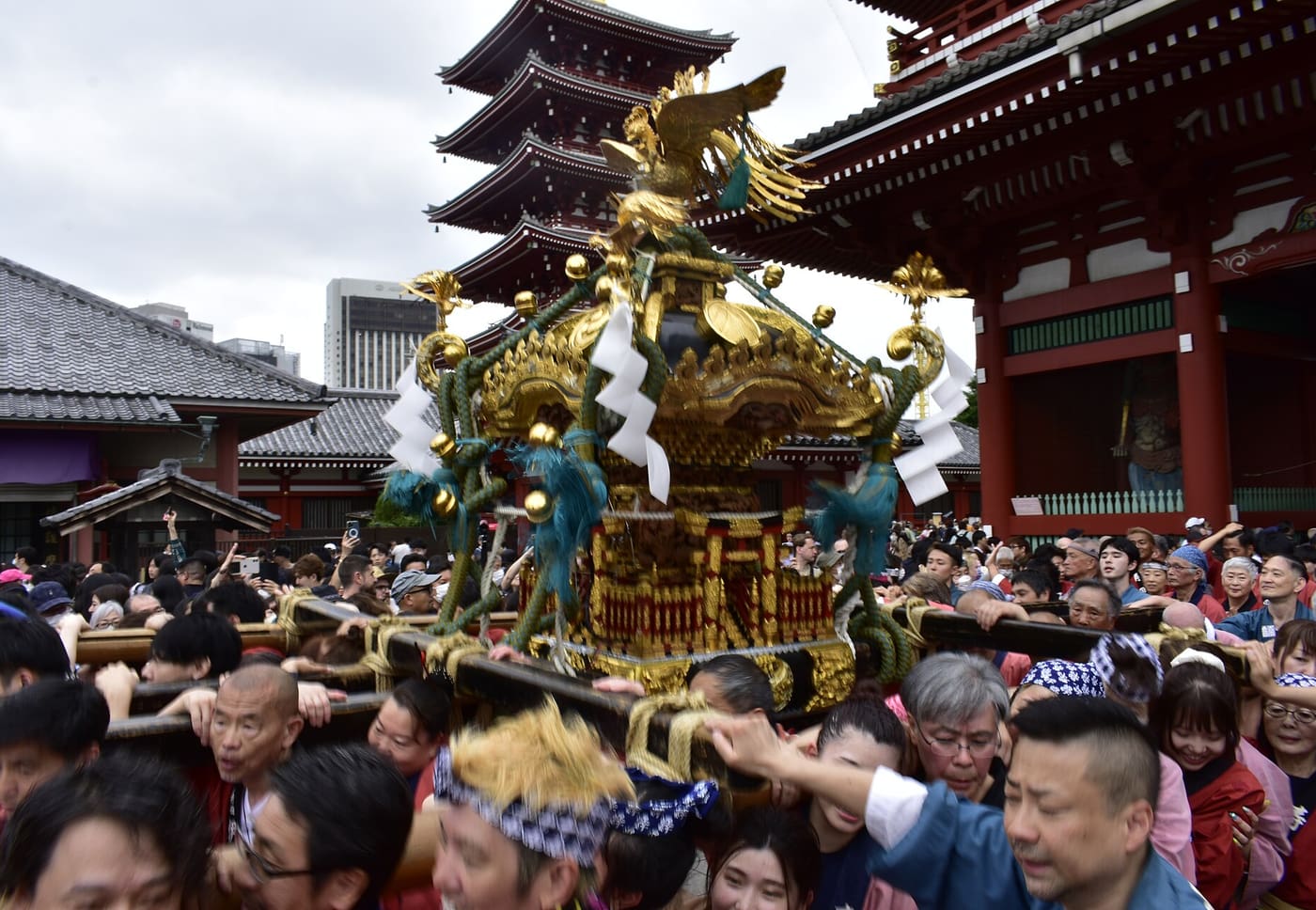
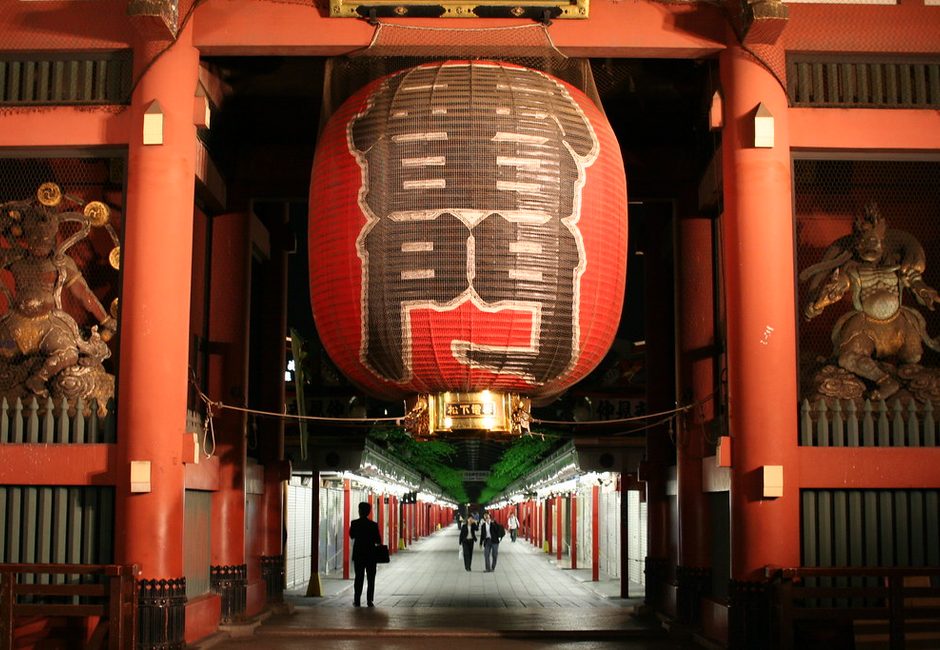
Sanja Matsuri is the annual grand festival of Asakusa Shrine, the small Shinto shrine beside Senso-ji Temple, and it’s Tokyo’s loudest three days of the year. Portable shrines (mikoshi) get bounced through the streets by teams in matching happi coats, there’s drumming and chanting, and food stalls fill the space around the temple. The shrine counts roughly 1.8 million visitors over the weekend.
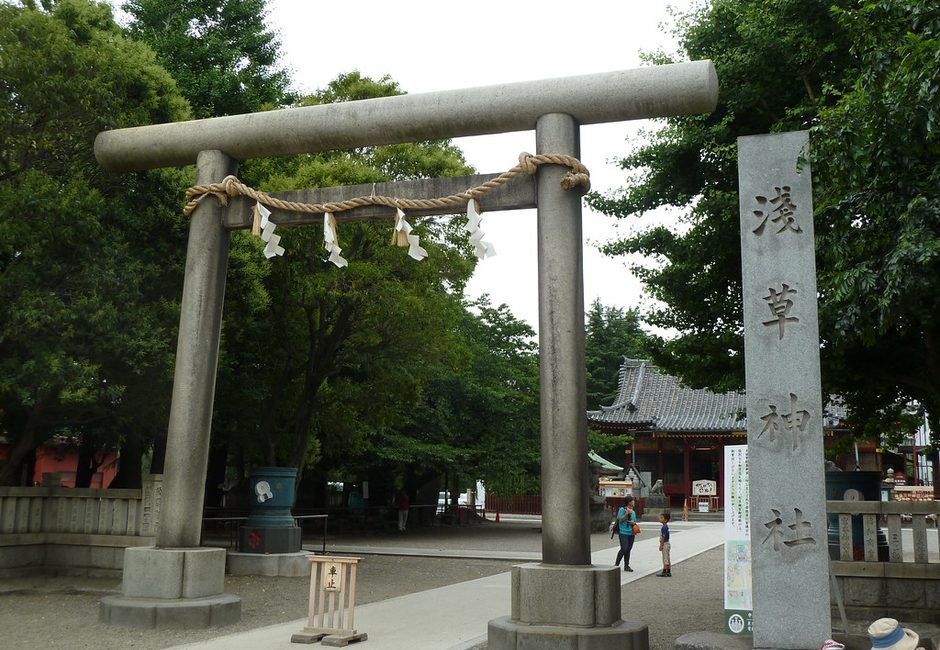
It runs Friday to Sunday, built around the third Saturday of May. The 2026 festival was 15 to 17 May. The 2027 dates hadn’t been announced at the time of writing. The usual pattern points to Friday 14 to Sunday 16 May 2027. Confirm with Asakusa Shrine before you book anything that can’t be moved.
For most visitors, Saturday afternoon is the best single day. Sunday morning is the most intense, and if you want to see the early starts, it’s worth staying in Asakusa.
What happens on each day
Friday is the Daigyoretsu procession. From about 1 PM, a parade of priests, local officials, musicians, dancers and geisha in Edo-period dress winds through the district to the shrine. The same afternoon the shrine presents Binzasara-mai, a ritual dance that Tokyo has designated an intangible cultural property. It’s the calmest day and the easiest for photographs.
Saturday is the neighbourhood mikoshi. Asakusa Shrine’s parish is made up of 44 neighbourhoods, and on Saturday nearly 100 of their mikoshi are carried to the shrine from around midday to be blessed, one after another, before heading back out to parade through their own streets for the rest of the day. That’s when the festival is everywhere at once. Pick almost any street between Asakusa Station and the shrine and a mikoshi will come past within minutes.
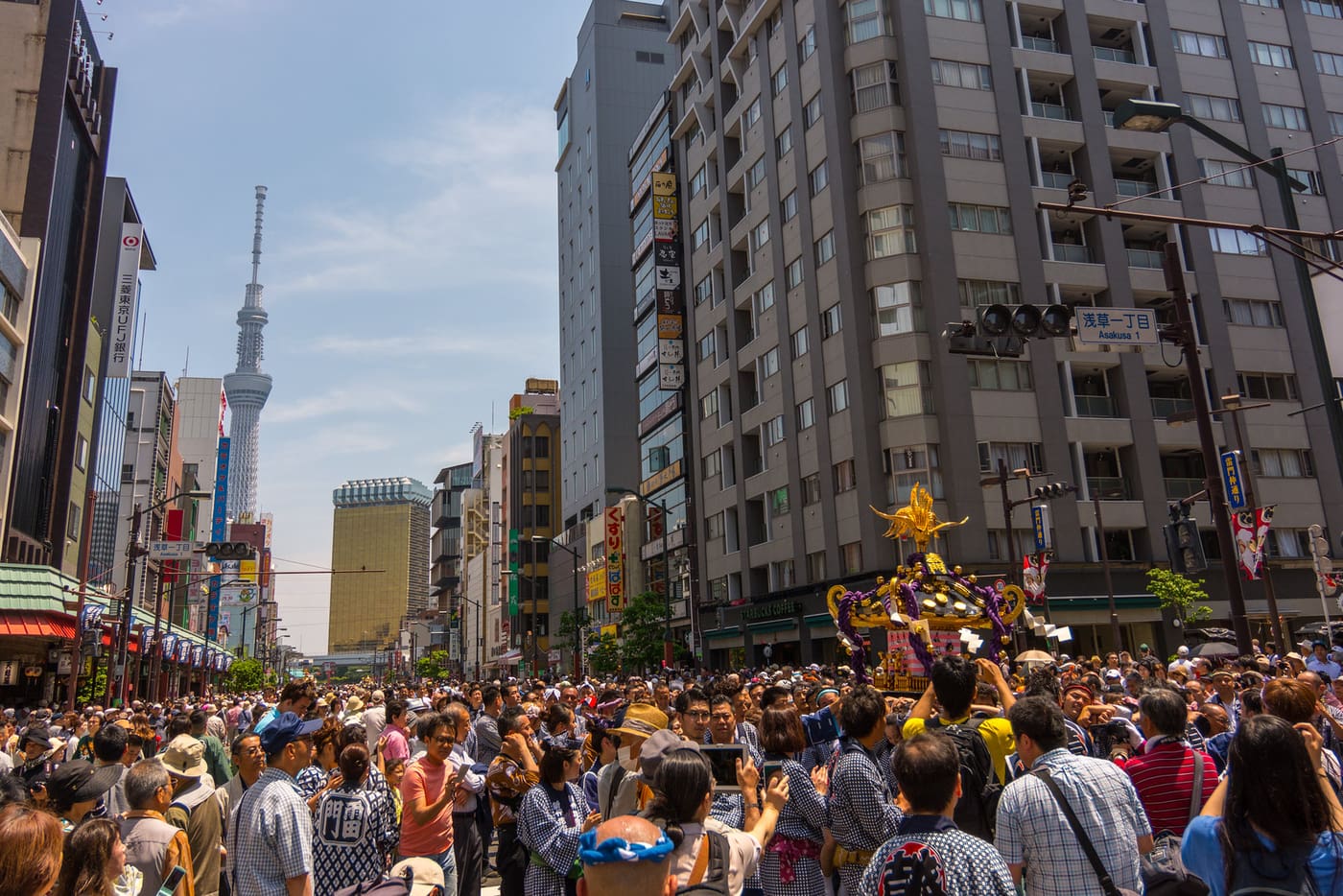
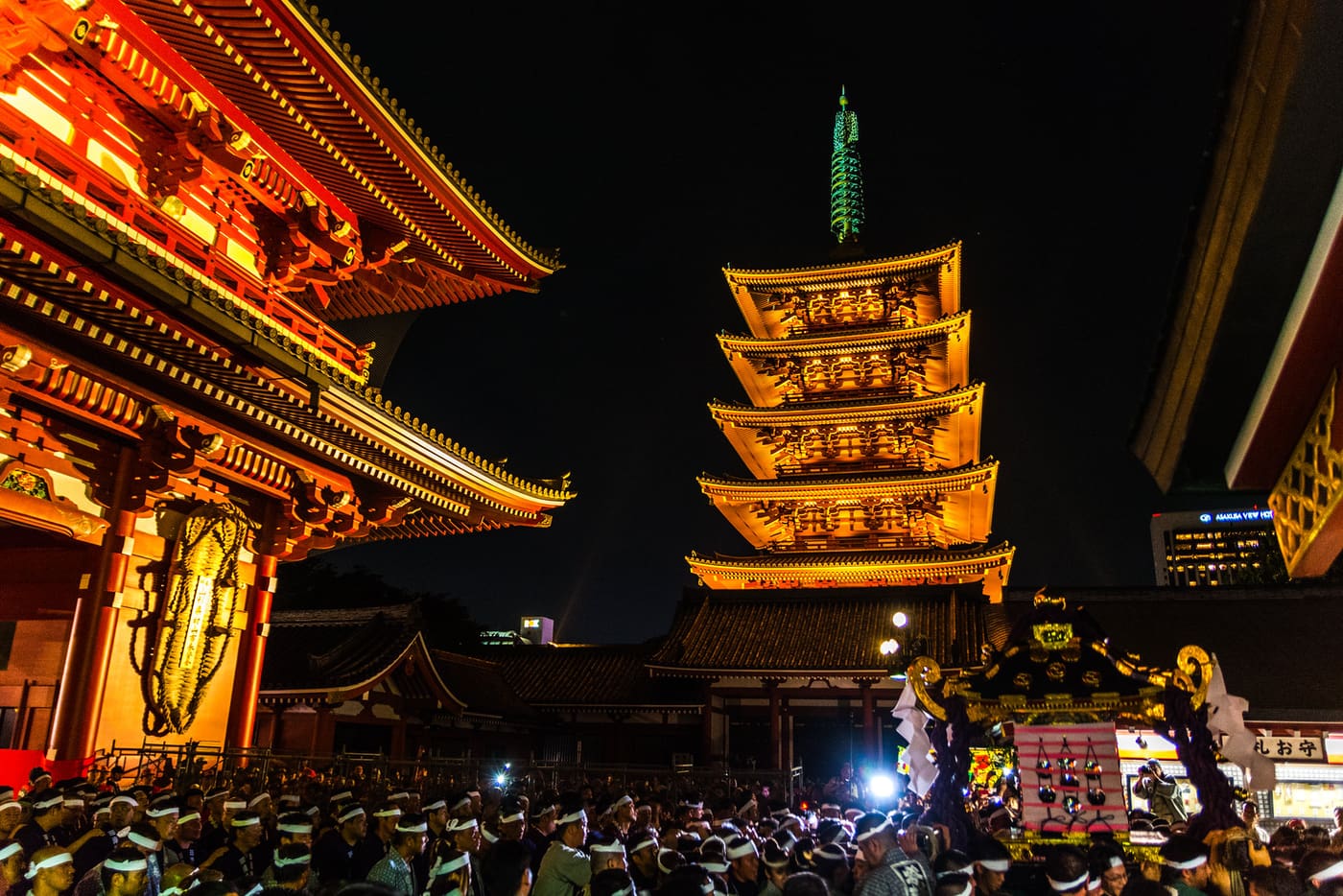
Sunday is the three main mikoshi. The shrine’s three great mikoshi, which carry its three deities, leave the shrine at dawn in the Miyadashi, with the action starting around 6 AM. It’s packed tight at the shrine for this, and the pushing is real. The three mikoshi then tour the 44 neighbourhoods all day and come back to the shrine in the evening for the Miyairi, the emotional close of the festival.
Where to watch
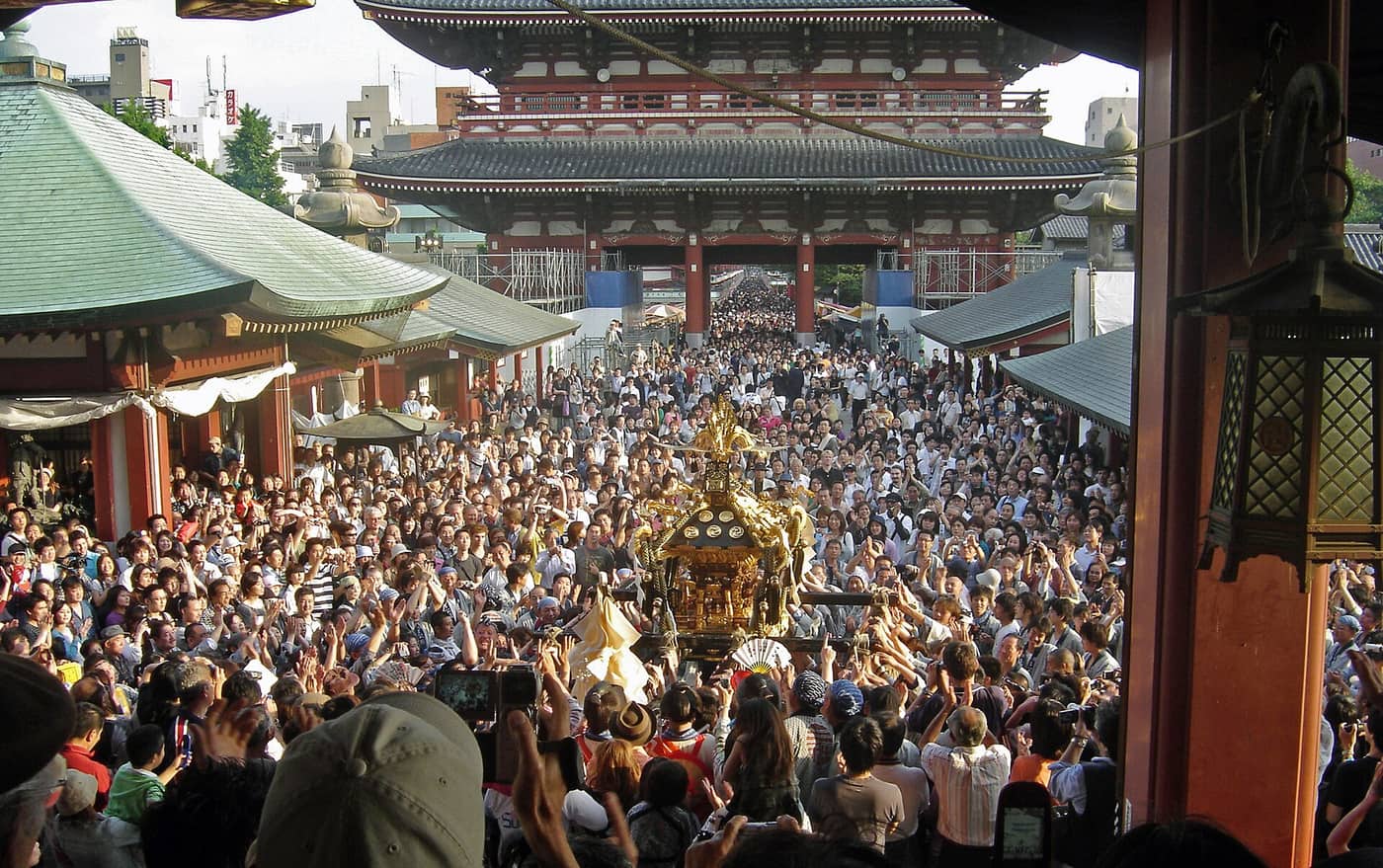
Around Senso-ji and the shrine. The grounds between the temple’s main hall and Asakusa Shrine are where the mikoshi arrive to be blessed. You get the most concentrated action and the least space.
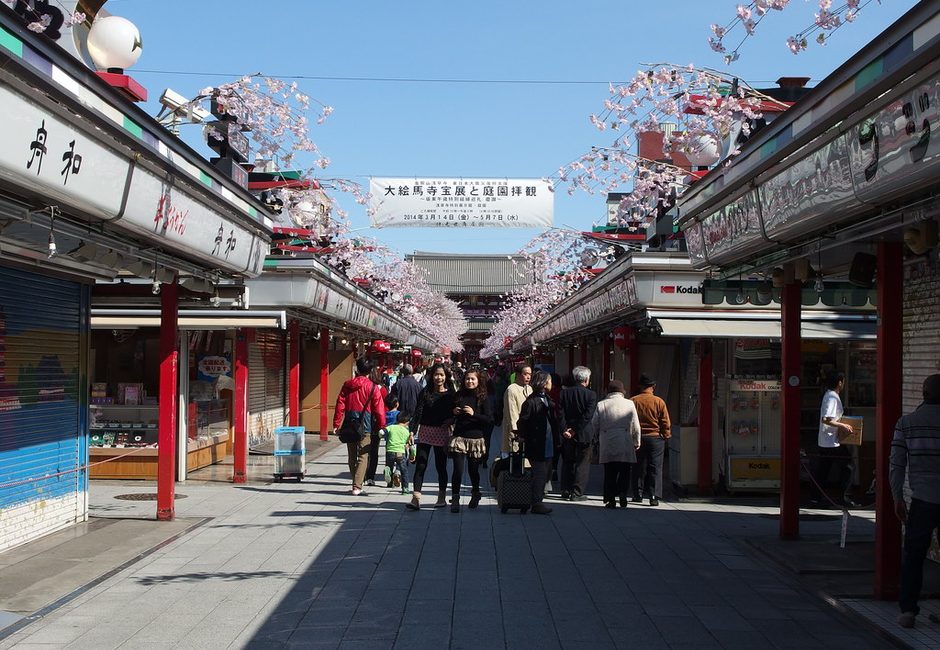
Along Kaminarimon-dori and the side streets. The streets east and west of Nakamise Shopping Street see a constant flow of neighbourhood mikoshi on Saturday. Stand at a corner and you’ll see more than you would pushing towards the shrine.
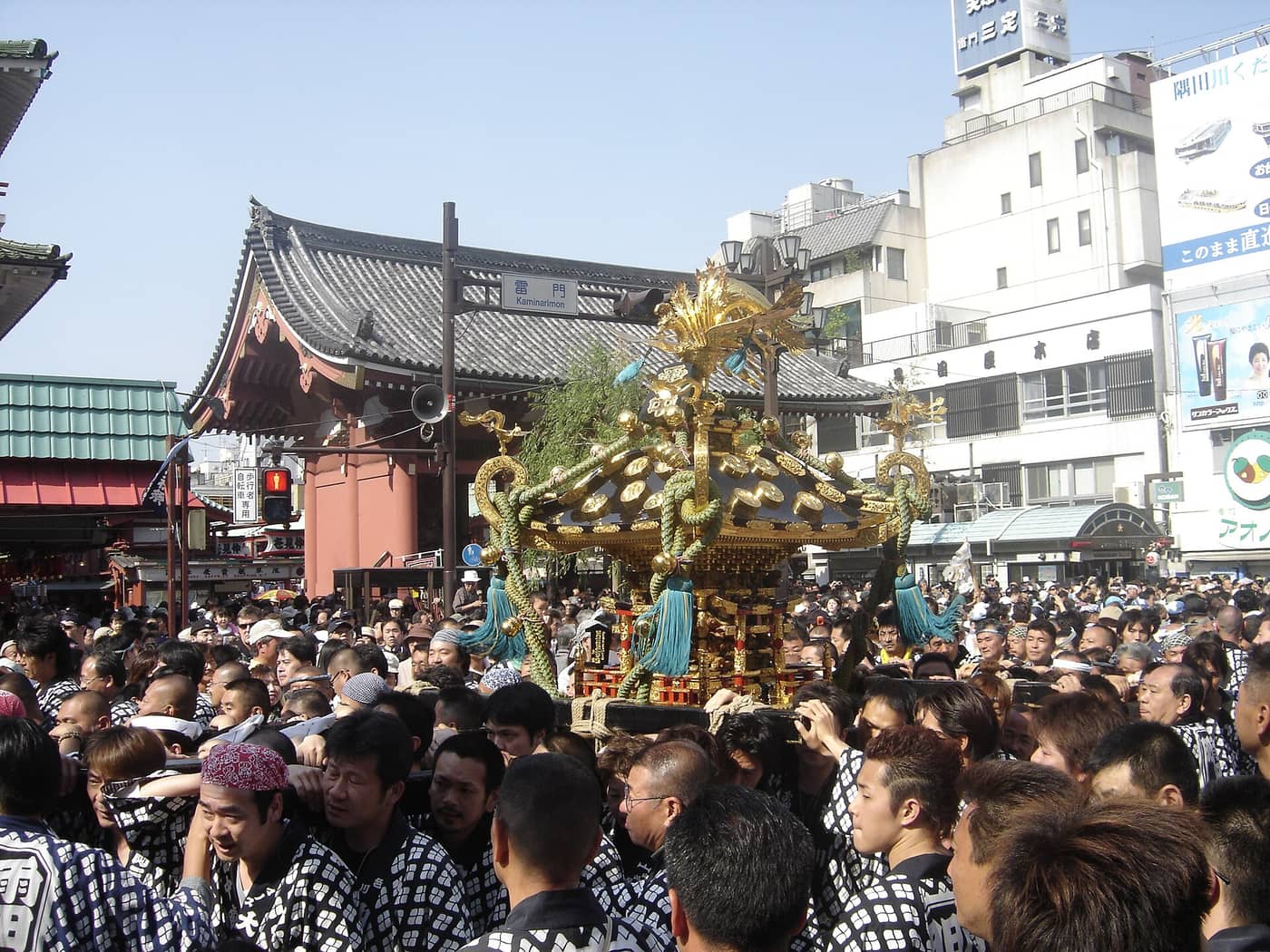
Further out on Sunday. The main mikoshi reach every part of the parish during the day, so a quieter street north or east of the temple can give you a clear view of one passing, and there’s none of the Miyadashi crush.
Mikoshi don’t move predictably. They swing wide at corners and stop without warning. Keep back from the carriers, follow any instructions from organisers and police, and keep your children close.
Crowds and timing
Asakusa is crowded on any weekend. On Sanja weekend it’s packed from late morning to evening, and Saturday from noon to late afternoon is the busiest stretch. For the Sunday Miyadashi you need to be at the shrine well before 6 AM, which is only realistic if you’re staying nearby. Evenings are more relaxed. The stalls stay busy and neighbourhood groups often gather around their mikoshi.
Getting there
The festival is centred on Asakusa Station (Ginza Line, Toei Asakusa Line and Tobu). The Ginza Line exits nearest Kaminarimon get very crowded. Tawaramachi, one stop west on the Ginza Line, is about ten minutes on foot and a calmer way in. The Tsukuba Express has its own Asakusa station on Kokusai-dori, west of the temple. Roads around the temple close to traffic during the processions, so taxis and buses are slow.
Costs and what to bring
Watching is free. Bring cash for stall food and drinks, since it’s still the default at festival stalls. Mid-May weather is usually mild, but it’s hot in the crowd. Wear comfortable shoes, carry water, and bring a small bag you can hold in front of you. Photography is welcome, but don’t step into the path of a mikoshi for your shot.
Where to eat nearby
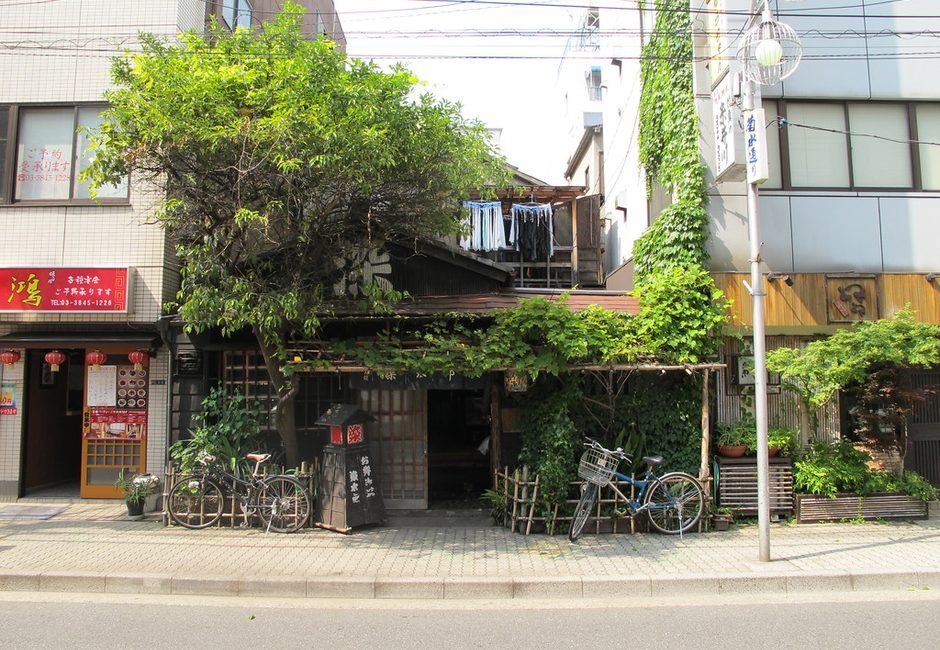
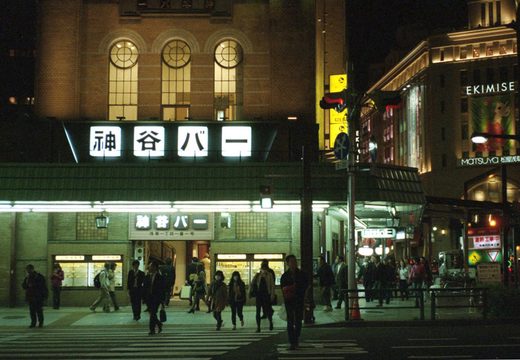
Stalls line the temple grounds during the festival, selling yakisoba, grilled skewers and sweets. For a sit-down meal, Sometaro serves cook-your-own okonomiyaki in a 1937 wooden house, though it fills up on festival days. The open-air izakaya of Hoppy Street are at their liveliest this weekend, and Kamiya Bar by the river is a good place for a drink once the Miyairi is over.
Where to stay for Sanja Matsuri
If you want the Friday procession, the Saturday blessings and the Sunday dawn start, stay in Asakusa and walk. The weekly hotel price index puts the Asakusa median at US$239 a night (sampled 29 September 2026, a two-night stay a month out, and festival weekend will run higher). Rooms within a few minutes of the shrine go first.
- Asakusa 1 and 2-chome, east of the temple, is the most convenient block. The Asakusa where to stay guide names the hotels.
- Kuramae, fifteen minutes south on foot, runs US$184 and is quieter at night. See the Kuramae guide.
- Ueno, at US$203, is a short Ginza Line ride away. The Asakusa vs Ueno comparison weighs the two.
Set your dates on the Tokyo travel map to see live prices around the shrine.
Combining it with Kanda Matsuri in 2027
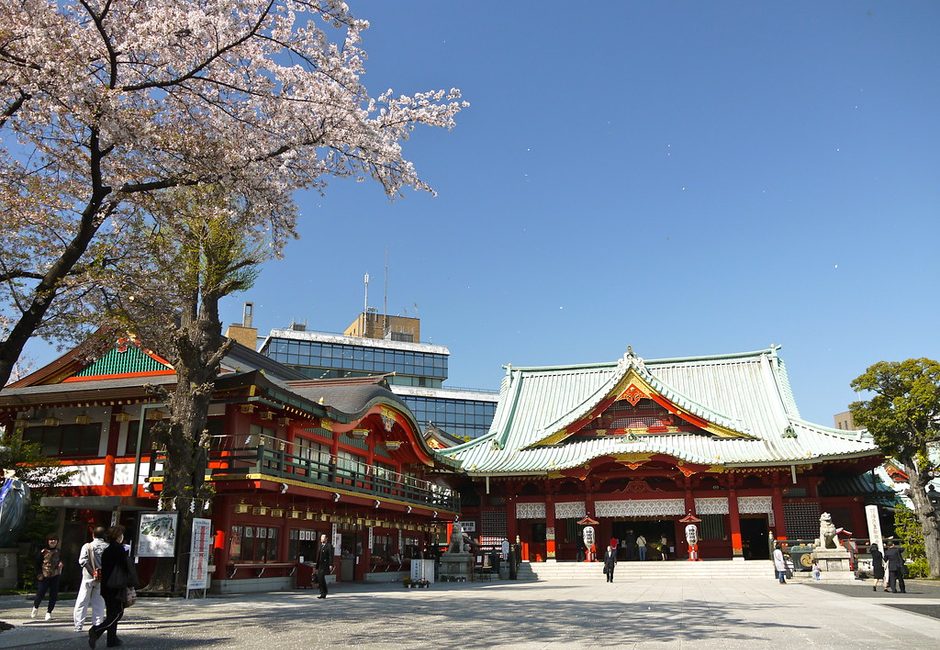
2027 is a main-festival year for Kanda Matsuri, the other great May festival of old Tokyo, which usually takes the weekend before Sanja. If both follow their recent patterns, a trip in the second week of May 2027 could take in both. Check the events calendar as the dates are announced, and read the Asakusa neighbourhood guide for the rest of the district.
Frequently Asked Questions
When is Sanja Matsuri 2027?
The dates hadn’t been announced at the time of writing. The festival runs Friday to Sunday around the third Saturday of May, which points to 14 to 16 May 2027. The 2026 festival was 15 to 17 May.
Which day of Sanja Matsuri is best?
Saturday afternoon, when nearly 100 neighbourhood mikoshi are carried through the district. That’s the most to see for the least effort. Sunday is the most intense, with the three main mikoshi leaving the shrine at dawn and returning in the evening.
Is Sanja Matsuri free?
Yes. Everything happens in public streets and temple grounds. Food and drink from the stalls are the only costs.
How crowded is Sanja Matsuri?
Very. Asakusa Shrine counts around 1.8 million visitors across the three days. Friday and the early evenings are the calmest times. The Sunday dawn Miyadashi at the shrine is the most crowded moment.
Can visitors carry a mikoshi?
The mikoshi are carried by the parish neighbourhood associations and their teams. Visitors don’t normally carry one. Watch from the roadside and keep a safe distance from the carriers.
Places in this guide
Photos show the actual places, licensed under Creative Commons and credited to their photographers.
Find hotels in Asakusa
Browse live availability and compare prices for your dates.