Tori-no-ichi 2026: November 7 and 19 at Asakusa's Otori Shrine
Tori-no-ichi guide: the 2026 rooster days (7 and 19 November), what the kumade rake fair is, when to go, how to buy a kumade, getting to Otori Shrine, Hanazono Shrine's fair, and where to stay.
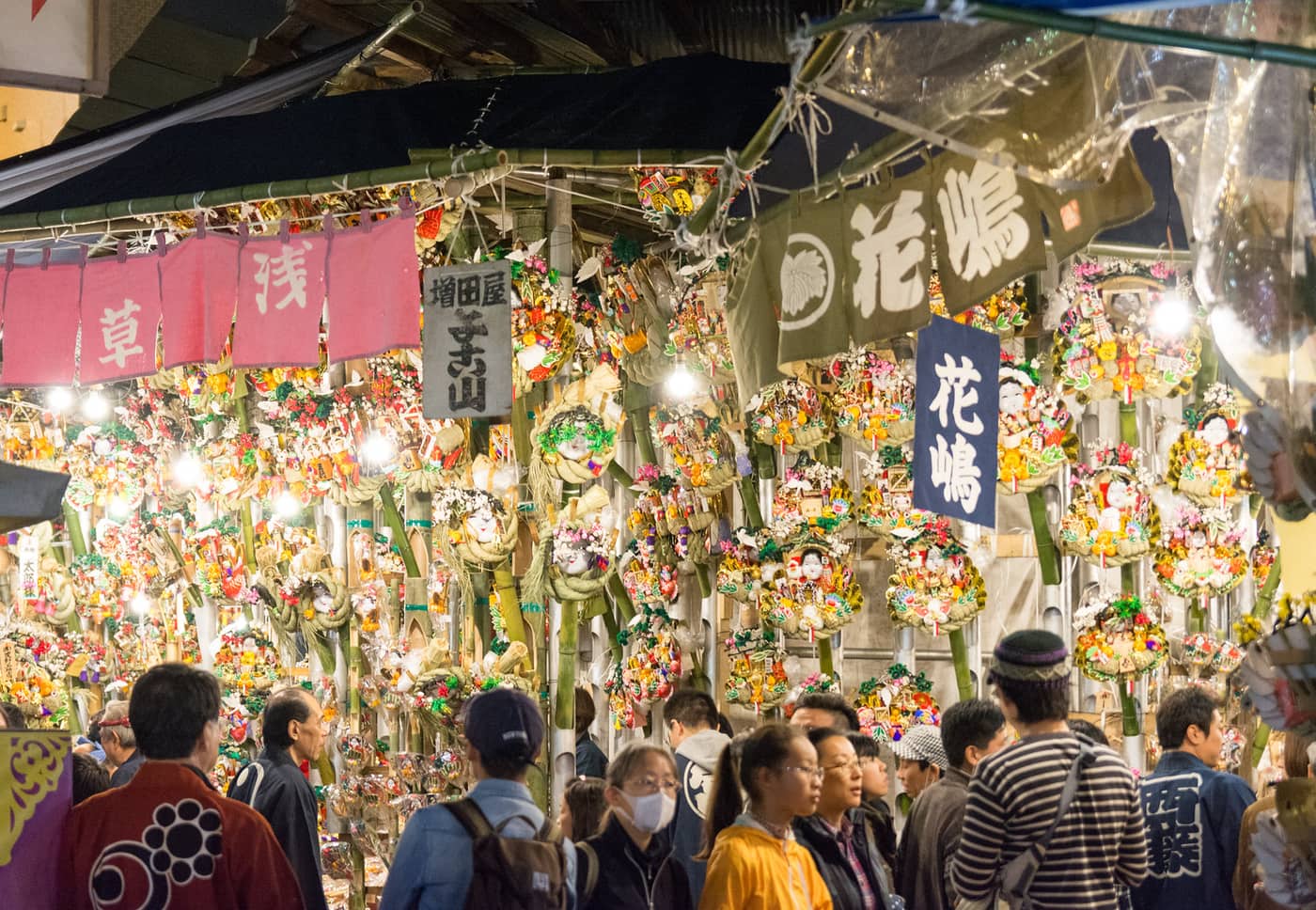
Tori-no-ichi is a November fair. It’s held on the days of the rooster in the old zodiac calendar, when shrines across Tokyo fill with stalls selling kumade, the decorated bamboo rakes that “rake in” good fortune and business for the year ahead. The biggest and oldest fair is at Otori Shrine (Washi Jinja) and the neighbouring Chokokuji temple in Senzoku, north of Asakusa, where it runs for 24 hours from the stroke of midnight.
Otori Shrine has confirmed the 2026 dates. Ichi-no-tori is Saturday 7 November and Ni-no-tori is Thursday 19 November. There’s no third rooster day this year. On the same 12-day cycle, 2027 should have three (2 November, 14 and 26 November), but the shrine publishes each year’s dates itself, so treat those as expected.
Go after dark on either day, when the kumade stalls glow and the hand-clapping rings out. Pick the Thursday if you’d like some room to move, since the Saturday draws the weekend crowd. It’s a free, very local night out and one of the best things to do in Tokyo in November.
What happens at Tori-no-ichi
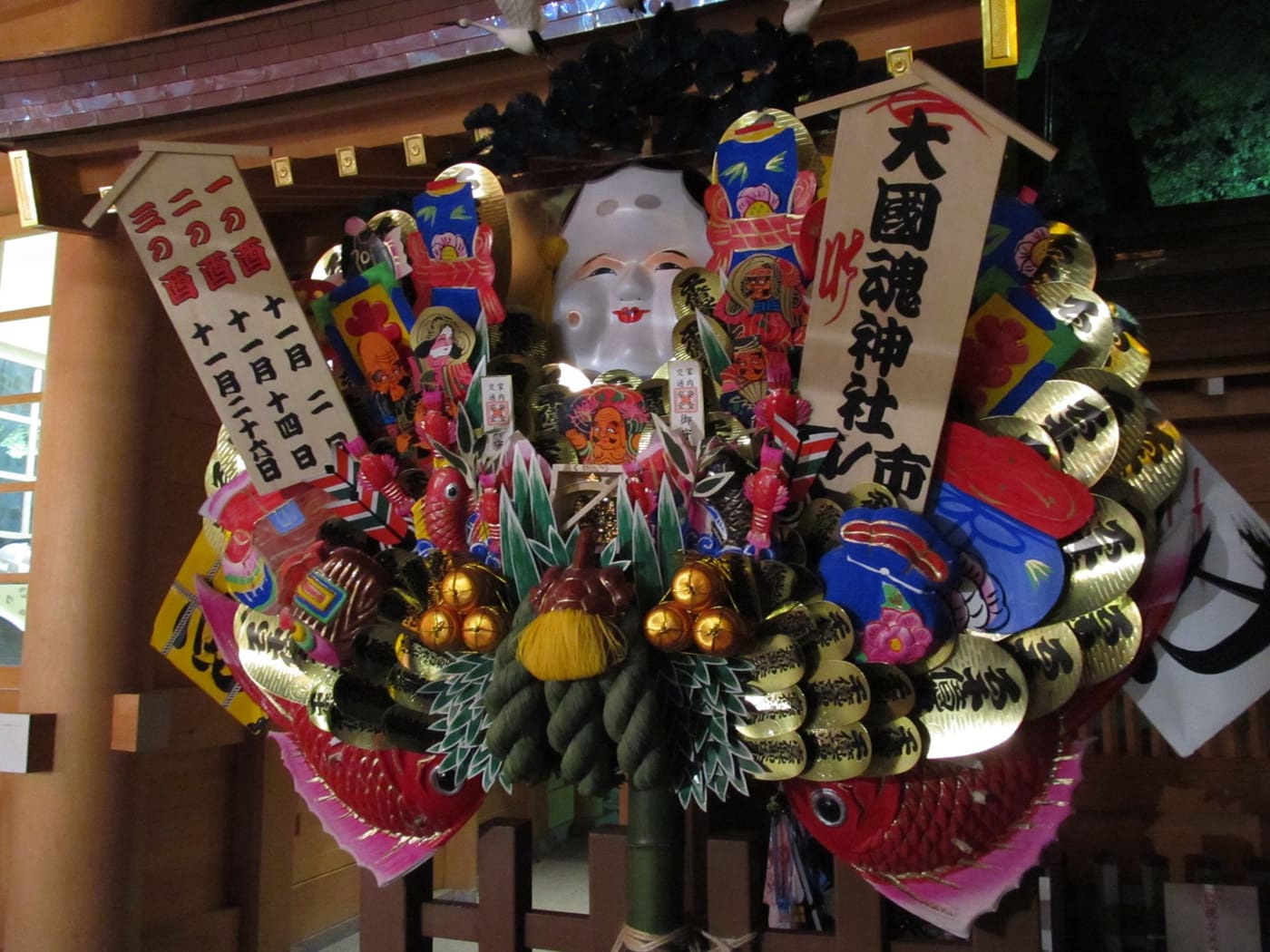
The fair centres on the shrine’s approach and grounds, lined with dozens of kumade stalls stacked to the roof with rakes of every size, from palm-sized charms to rakes taller than the person carrying them. They’re decorated with masks of Otafuku, the smiling goddess of good fortune, along with gold coins, rice bales, sea bream, treasure ships and cranes.
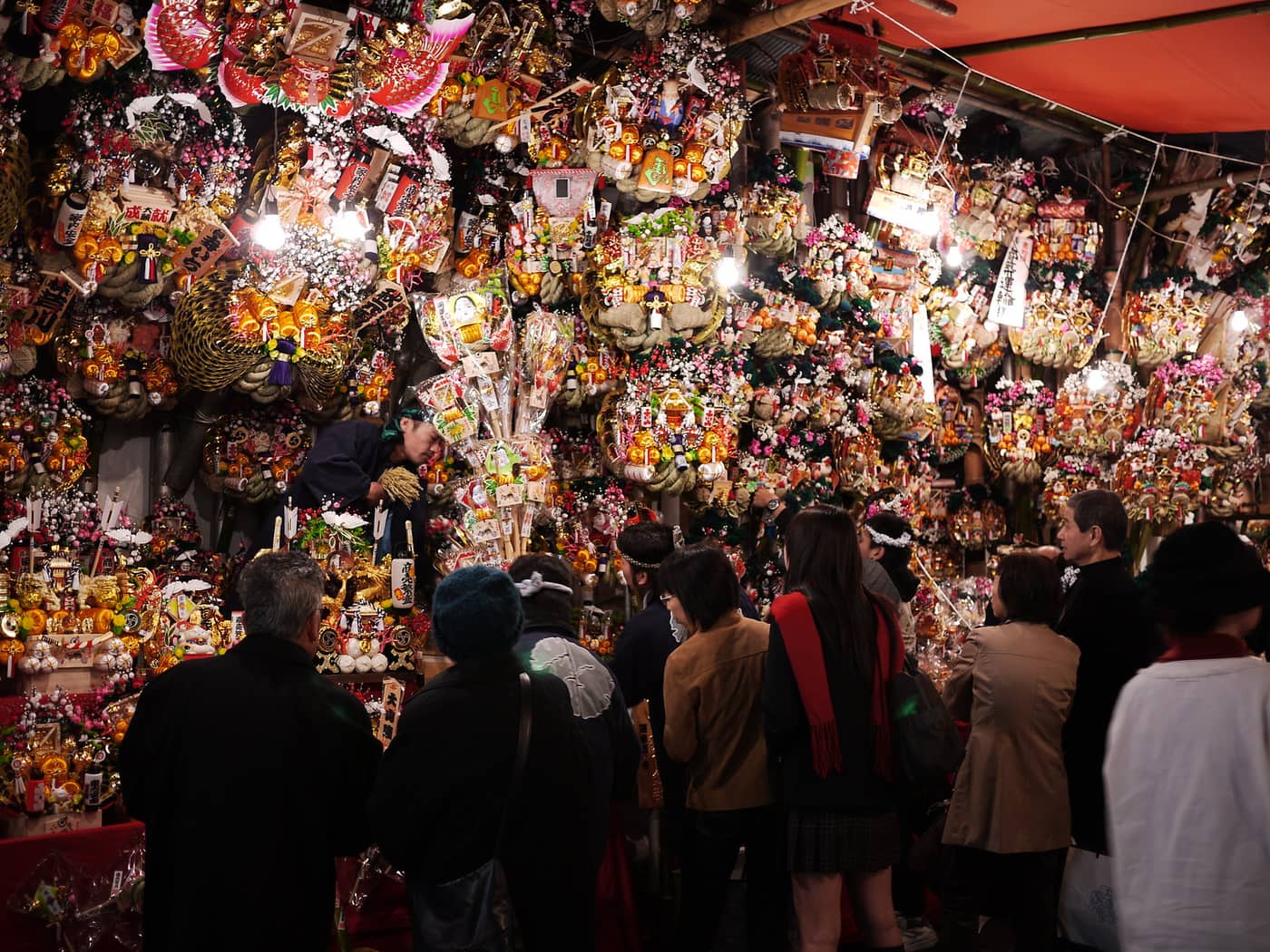
Businesses buy big ones to hang in their shops for the year, and tradition says you buy a slightly larger kumade each year than the last. When a sale is made, the stallholders and the buyer perform tejime, the rhythmic ceremonial hand-clapping, with shouts wishing the buyer’s business well. On a busy evening the clapping comes at you from every direction. That’s the sound of the fair. You’ll also spot big kumade reserved by name for famous companies, kabuki actors and Asakusa businesses.
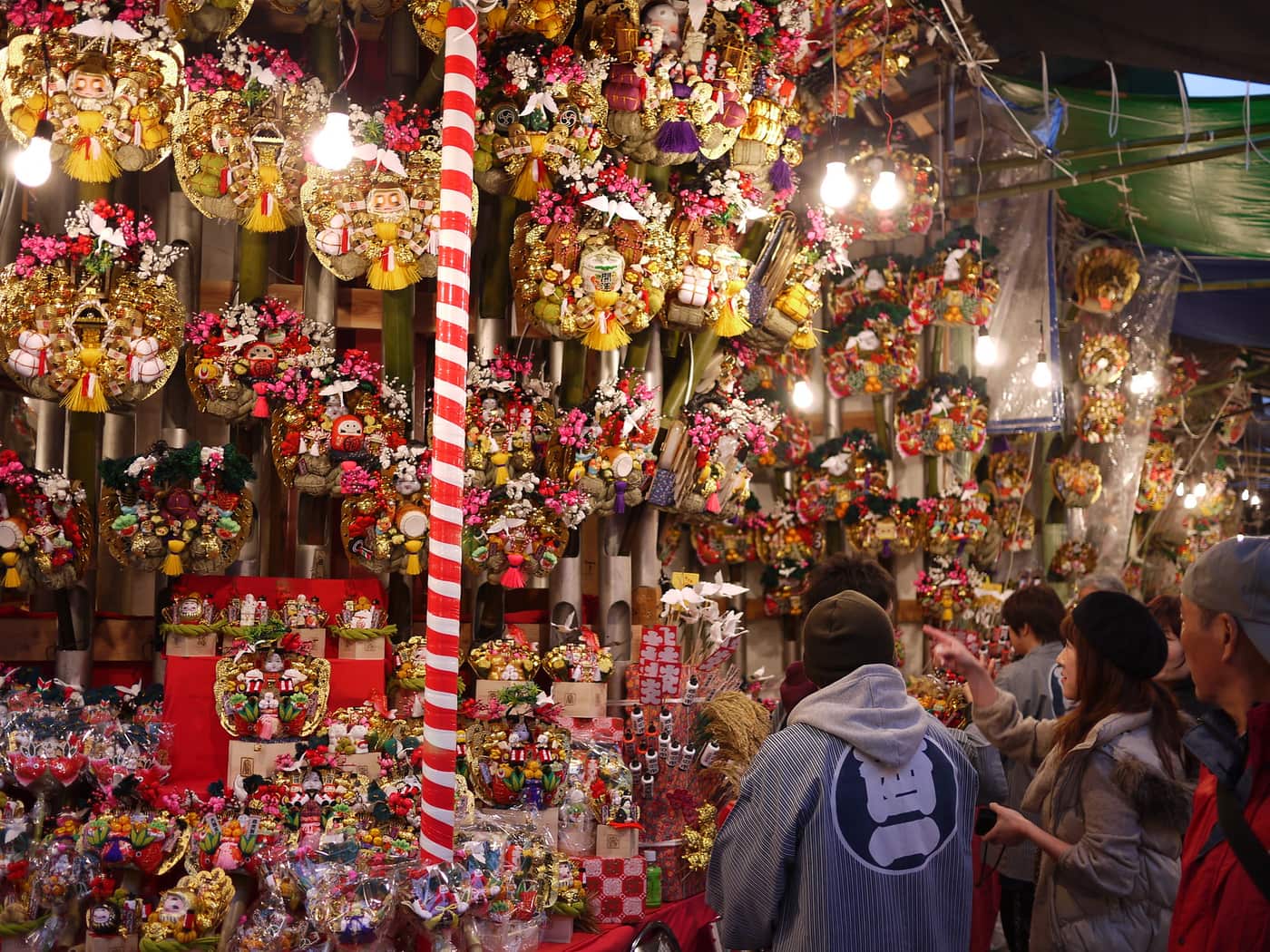
Food stalls fill the streets around the shrine, and the shrine itself sells small kumade charms if you’d like the luck without the bulk.
When to go
The fair opens at midnight with a drum and runs for a full 24 hours, so there’s no wrong time to turn up. Dusk to late evening is the best of it, once the stalls are lit and the office crowd arrives after work. Want to look at the kumade up close? Weekday mornings are the quietest.
Crowds are heavy on the evening of each rooster day, and the queue to pray at the shrine can stretch into the street. Allow an hour or two.
Buying a kumade
You don’t need to buy anything to enjoy the fair, but a small kumade makes a good souvenir. Prices depend on size and decoration and are usually displayed or quoted by the stall. The big business rakes are negotiated. Buy one and the stall will clap for you, so stand with them and join in.
Getting to Otori Shrine
The nearest station is Iriya on the Hibiya Line, about a seven-minute walk from Exit 3. Minowa, also on the Hibiya Line, is around ten minutes away. Or walk up from Senso-ji Temple, roughly 20 minutes north through quiet backstreets, and it’s a good way to make an evening in Asakusa out of the fair.
Tori-no-ichi at Hanazono Shrine, Shinjuku
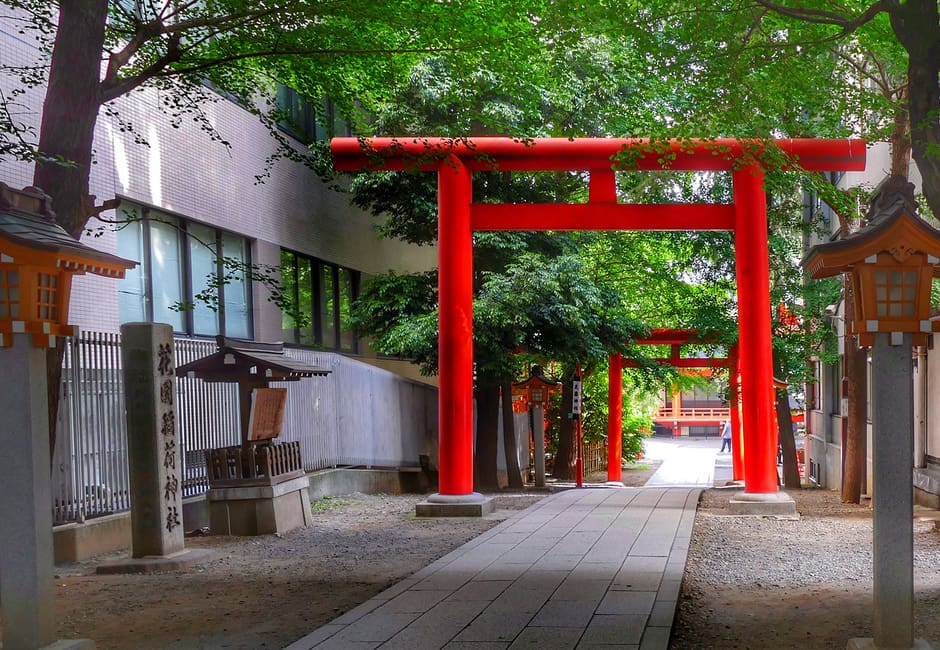
Hanazono Shrine, behind Shinjuku’s Kabukicho, holds one of the other big Tori-no-ichi fairs in Tokyo, on the same rooster days, with an eve festival the night before each one. Its grounds fill with kumade and food stalls against a backdrop of neon, and it’s the easier choice if you’re staying on the west side of the city. The shrine is a few minutes’ walk from Shinjuku-sanchome Station. Smaller fairs run at other Otori shrines across the city.
What to wear and bring
November evenings in Tokyo are cool, around 10°C by late evening, so bring a jacket. Carry cash, because many of the kumade and food stalls don’t take cards. And keep a hand on your bag in the crush at the shrine entrance.
Where to eat nearby
Stalls along the approach sell the usual festival snacks. For a sit-down meal, head to the Asakusa side. Sometaro does cook-your-own okonomiyaki, and the open-air izakaya of Hoppy Street are about a 15-minute walk south of the shrine. Going to Hanazono instead? Golden Gai is directly next door for a drink afterwards.
Where to stay for Tori-no-ichi
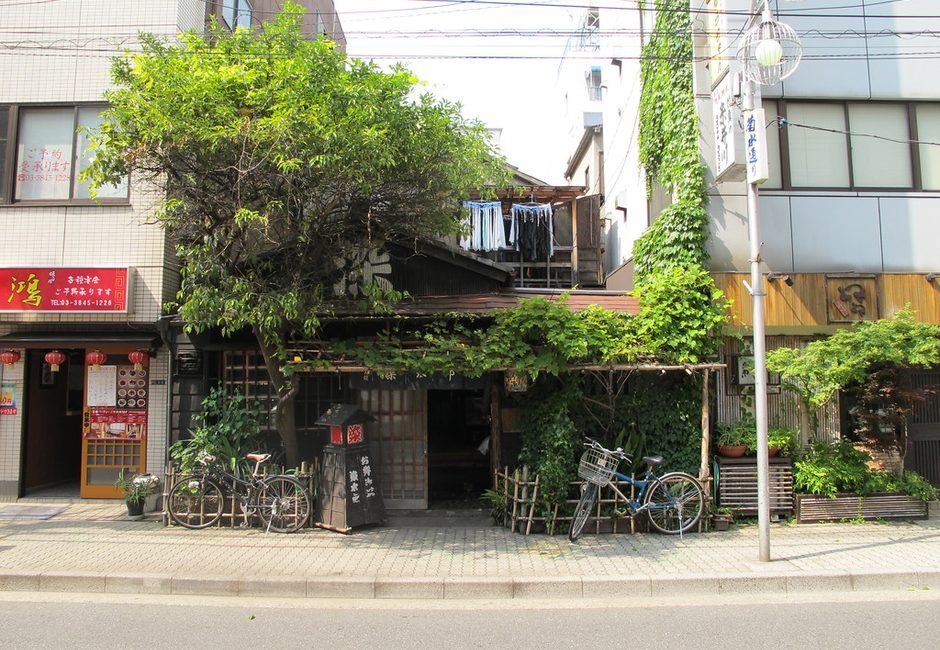
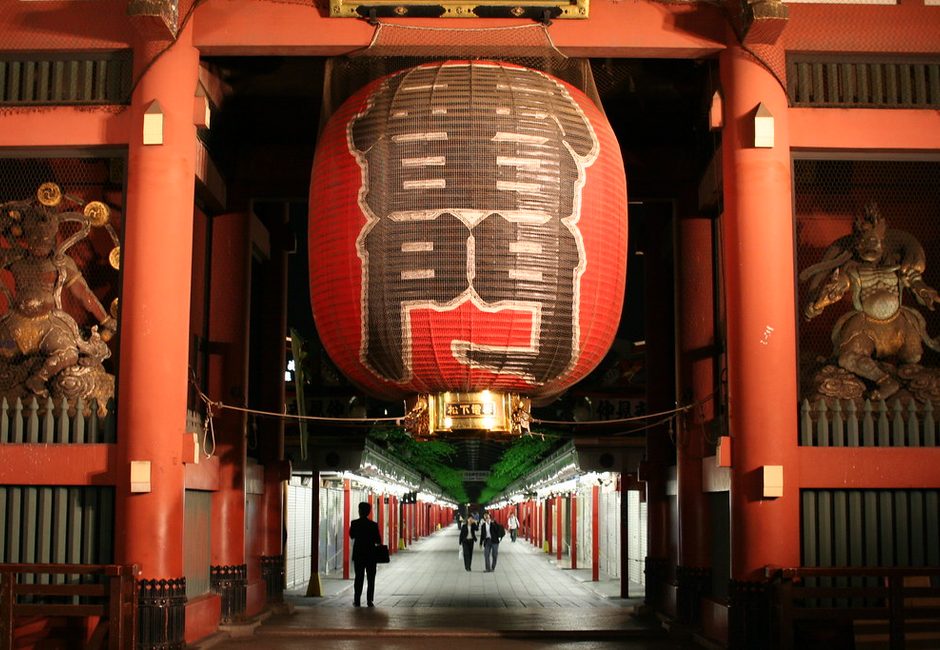
Asakusa is the base for Otori Shrine, and it’s close enough to walk to the fair and back. The weekly hotel price index puts the Asakusa median at US$239 a night (sampled 29 September 2026, a two-night stay a month out). The Asakusa where to stay guide covers the best blocks. Ueno, at US$203, is a short Hibiya Line ride from Iriya, and the Ueno guide covers it.
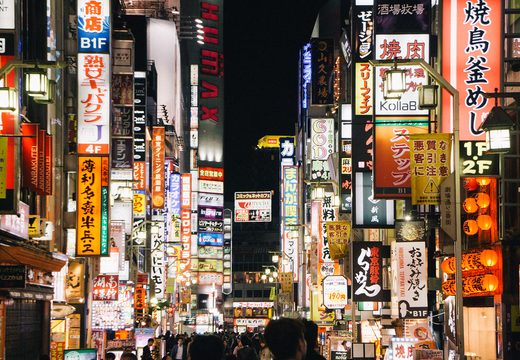
For Hanazono Shrine, stay in Shinjuku (US$274 in the same index). The Shinjuku where to stay guide explains which side of the station you’ll want to be on.
Open the Tokyo travel map with your dates to see live hotel prices. It’s also autumn-leaf season in November, so check the Tokyo in autumn guide and the events calendar for the rest of your trip.
Frequently Asked Questions
When is Tori-no-ichi in 2026?
On 7 November (Ichi-no-tori, a Saturday) and 19 November (Ni-no-tori, a Thursday). At Otori Shrine in Asakusa each fair runs for 24 hours from midnight.
What is a kumade?
A decorated bamboo rake, sold at Tori-no-ichi as a charm to rake in good fortune and business success. They range from small charms to large rakes that shops display all year.
Is Tori-no-ichi free?
Yes. Entry to the fairs is free, and kumade, charms and food are the only things you’d pay for.
Which Tori-no-ichi is best, Asakusa or Shinjuku?
Otori Shrine near Asakusa is the largest, and the one that claims to be the original. Hanazono Shrine in Shinjuku is smaller, easier to reach from the west side, and holds an eve festival the night before each rooster day.
Why are some years said to have three rooster days?
The rooster day comes round every 12 days, so November has either two or three of them. Years with a third, San-no-tori, are traditionally said to bring more fires, and 2027 is expected to be one.
Places in this guide
Photos show the actual places, licensed under Creative Commons and credited to their photographers.
Find hotels in Asakusa
Browse live availability and compare prices for your dates.