Kiyosumi
Tokyo's coffee district, around a Meiji garden and old Fukagawa
Kiyosumi-Shirakawa is where Tokyo's specialty coffee boom found a home, in the warehouses and low-rise streets of old Fukagawa on the east bank of the Sumida. Between the roasters you'll find one of the city's finest stroll gardens, a full-size Edo neighbourhood indoors, the clam rice the area is named for, and the Museum of Contemporary Art Tokyo.
Fukagawa was the working waterfront of Edo, a district of canals, timber yards and warehouses. The poet Matsuo Basho lived here, and it's from Fukagawa that he set out on his Narrow Road to the Deep North journey in 1689. Canals and roomy warehouse buildings are still part of the streetscape, and they're the usual explanation for why the roasters came. When Blue Bottle opened its first shop outside the United States here in 2015, it chose a converted warehouse, and you'll now find a dozen good roasters within ten minutes' walk.
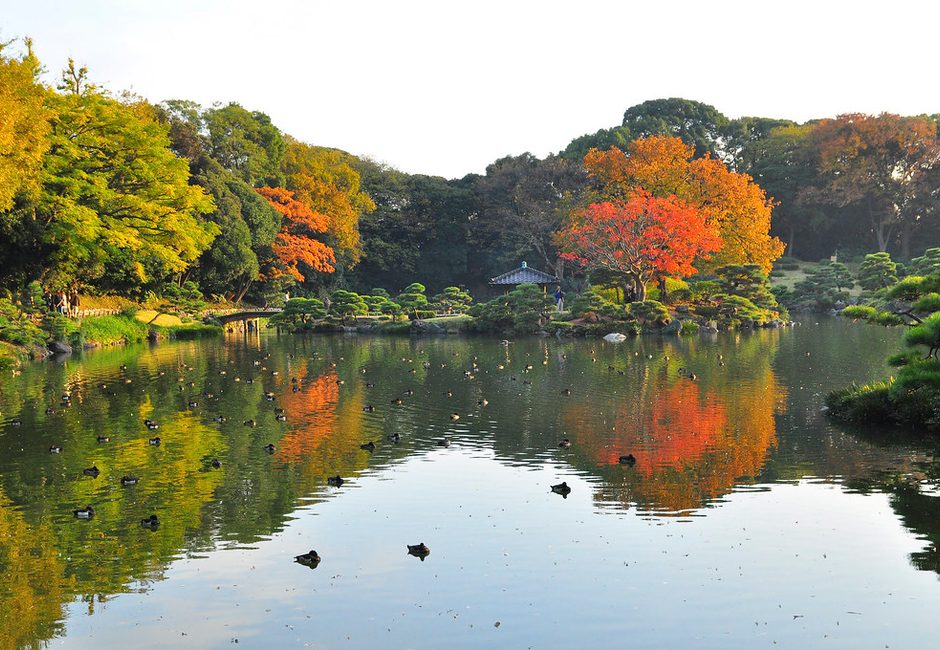
The neighbourhood mixes that new coffee culture with a slower, older Tokyo. Kiyosumi Gardens is a Meiji-era stroll garden built by the founder of Mitsubishi, the Fukagawa Edo Museum rebuilds an 1840s riverside quarter inside a hall, and the shopping street between them serves fukagawa-meshi, clams and miso over rice. It's quiet and flat, easy walking, and it pairs well with Monzen-Nakacho's shrine and bars, fifteen minutes south.
Kiyosumi in photos
Getting there
Hanzomon Line or Toei Oedo Line to Kiyosumi-shirakawa. The Hanzomon Line runs direct from Otemachi, Omotesando and Shibuya. The Oedo Line connects with Ryogoku and Monzen-Nakacho.
What to see
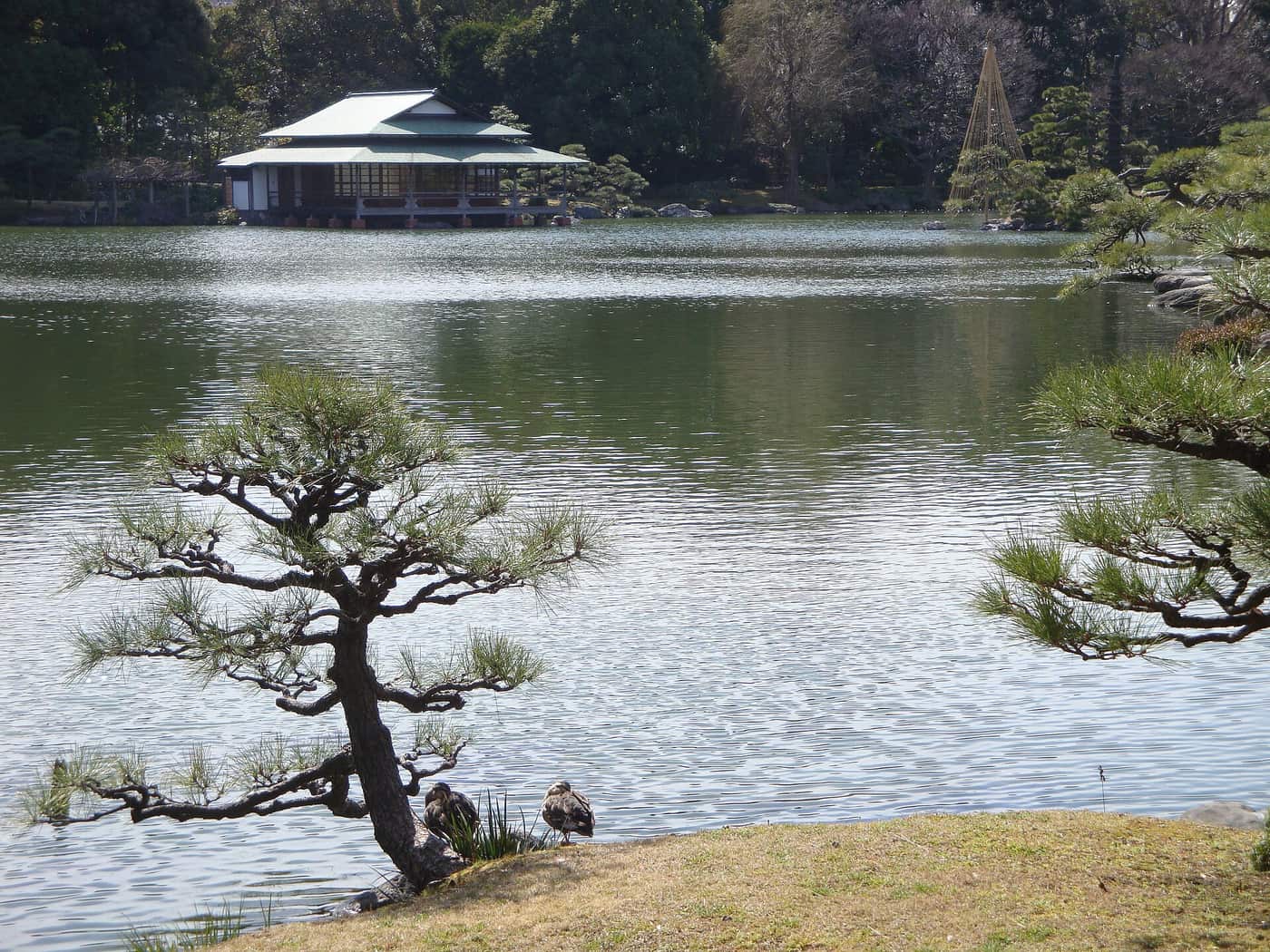
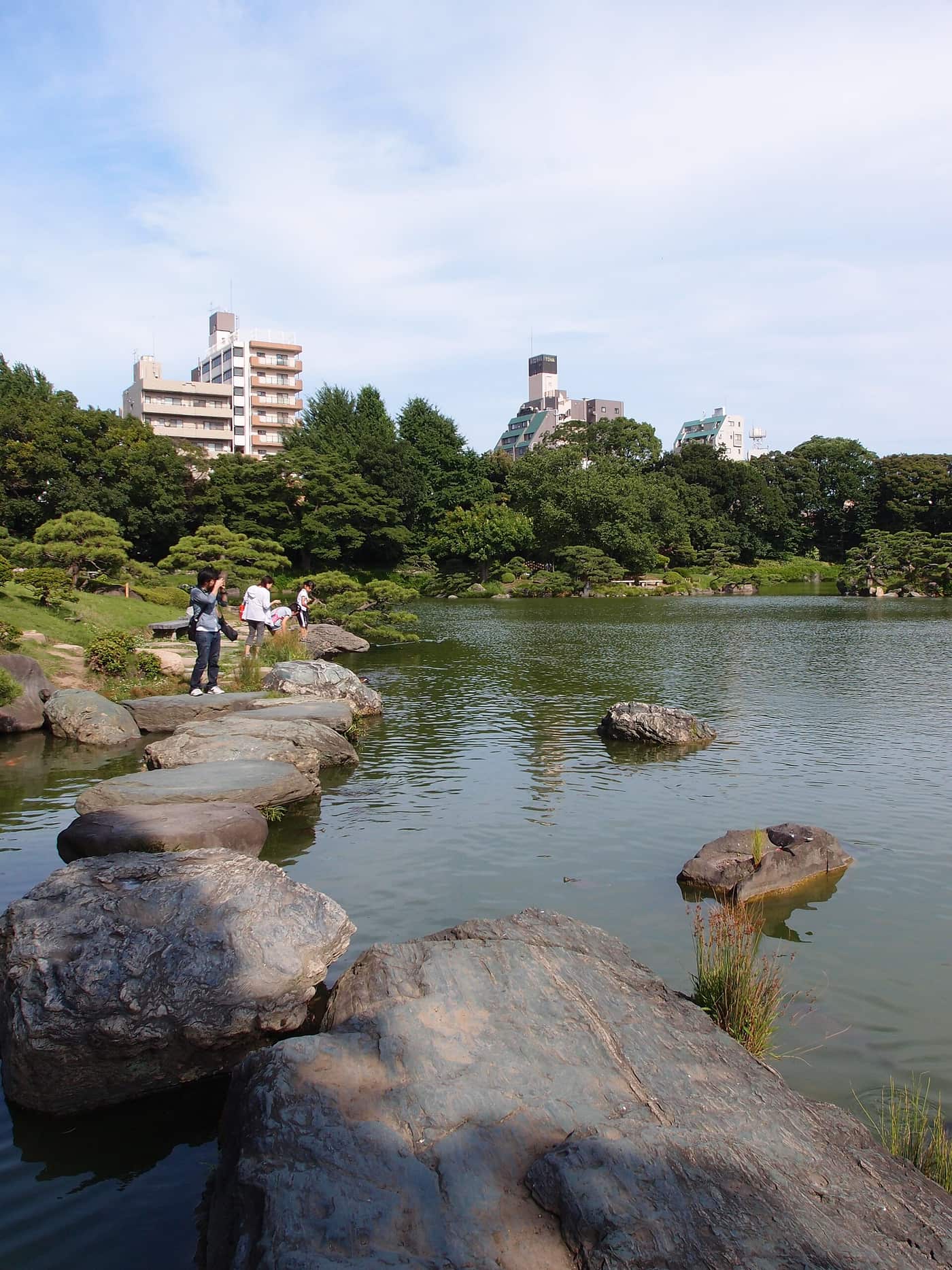
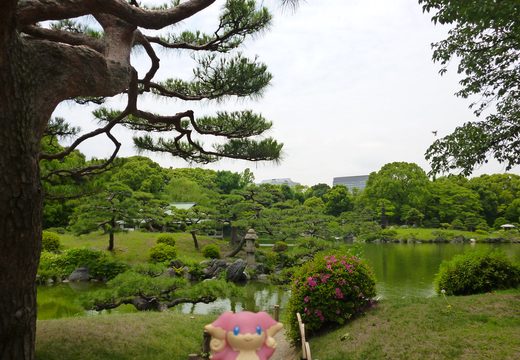
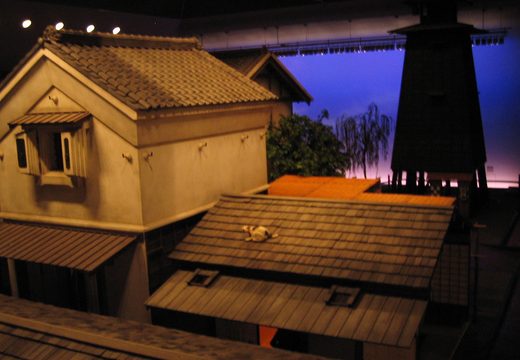
Kiyosumi Gardens is the centrepiece, a Meiji-era stroll garden built by Iwasaki Yataro, the founder of Mitsubishi, around a large pond with stepping-stone paths across the water and rare stones gathered from all over Japan. Entry is 150 yen. Go in the morning, when it's quietest, or in late November if you want the autumn colour. Five minutes east, the Fukagawa Edo Museum rebuilds a Fukagawa riverside neighbourhood of around 1840 at full size inside a hall, with row houses, shops, a boathouse, a tavern and a fire lookout you can walk through and step into, for 400 yen.
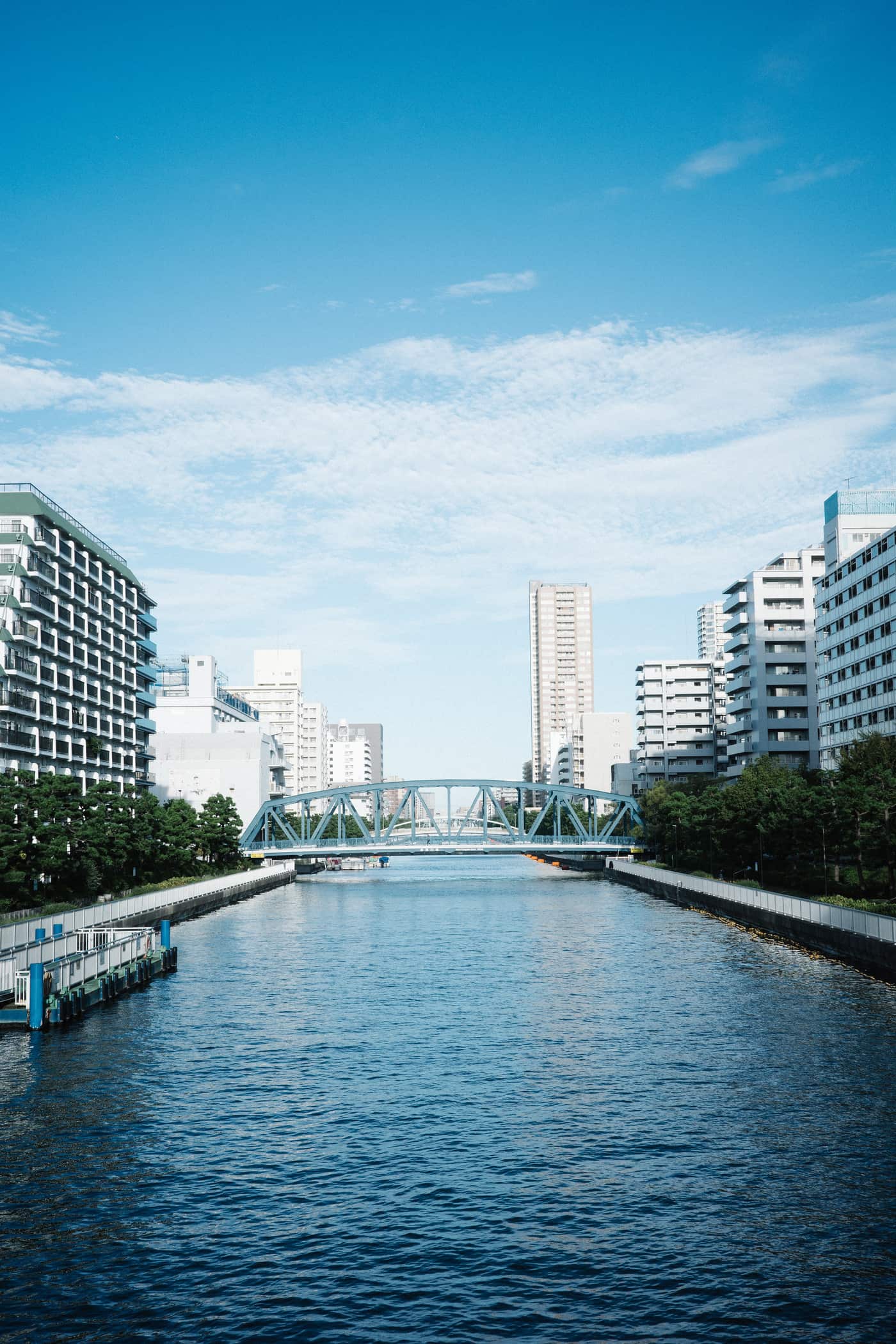
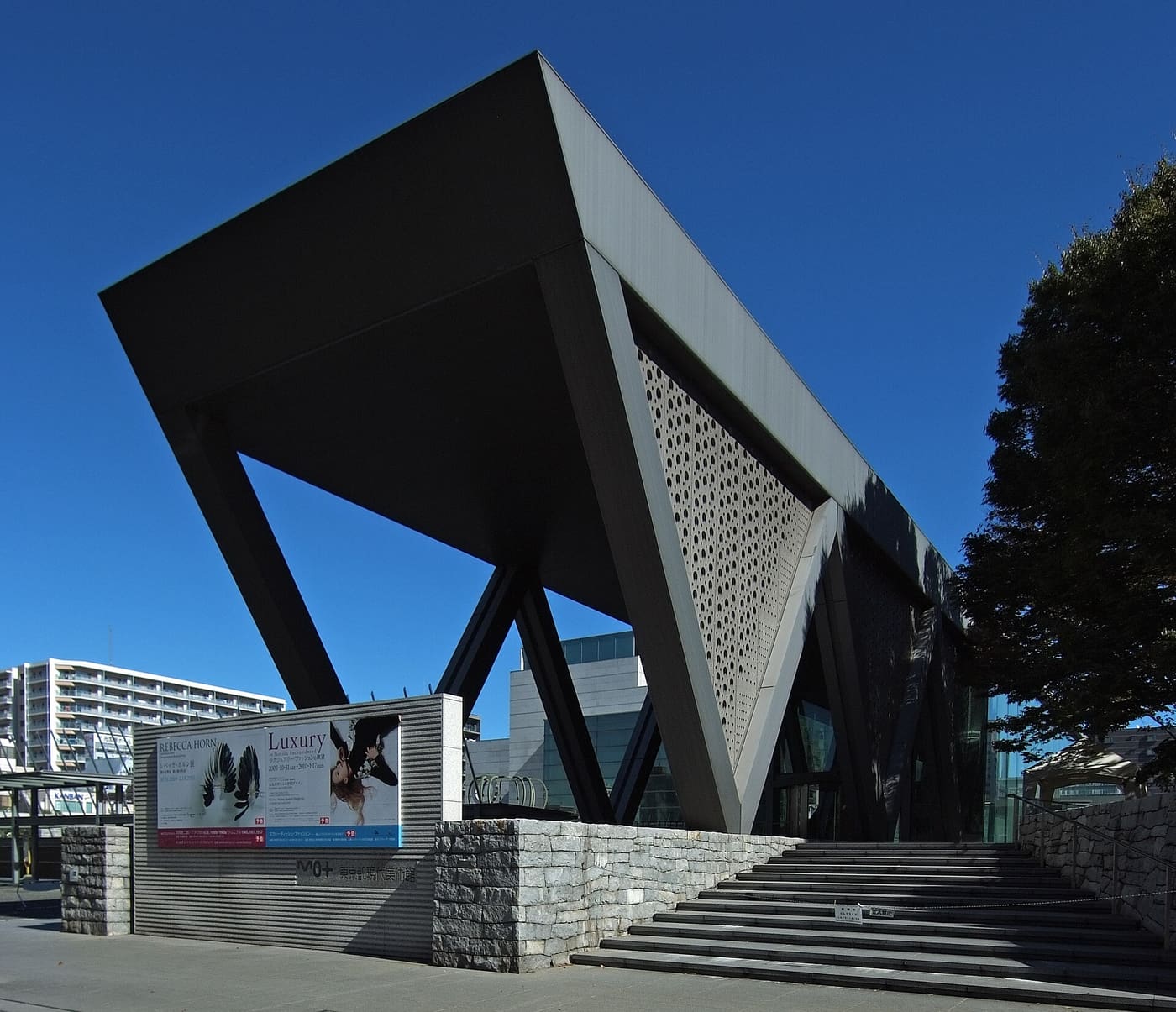
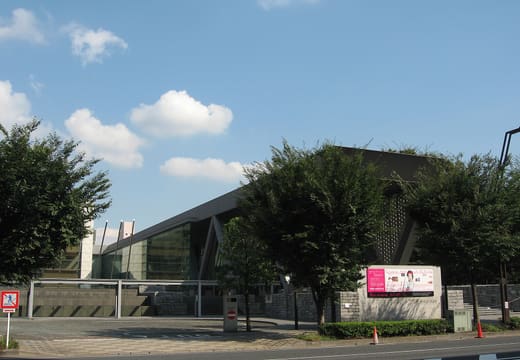
The Museum of Contemporary Art Tokyo is ten minutes further east at the north end of Kiba Park, a big public museum opened in 1995 with around 5,700 works in its collection. The temporary shows are the draw, the MOT Collection galleries are the cheaper option, and it closes on Mondays. Walk there through the backstreets and you'll pass most of the roasters. To the west, the Sumida River and the 1928 Kiyosu Bridge are five minutes from the garden, and the riverside path runs north toward the Basho Memorial Museum, near where the poet lived.
Where to eat and drink
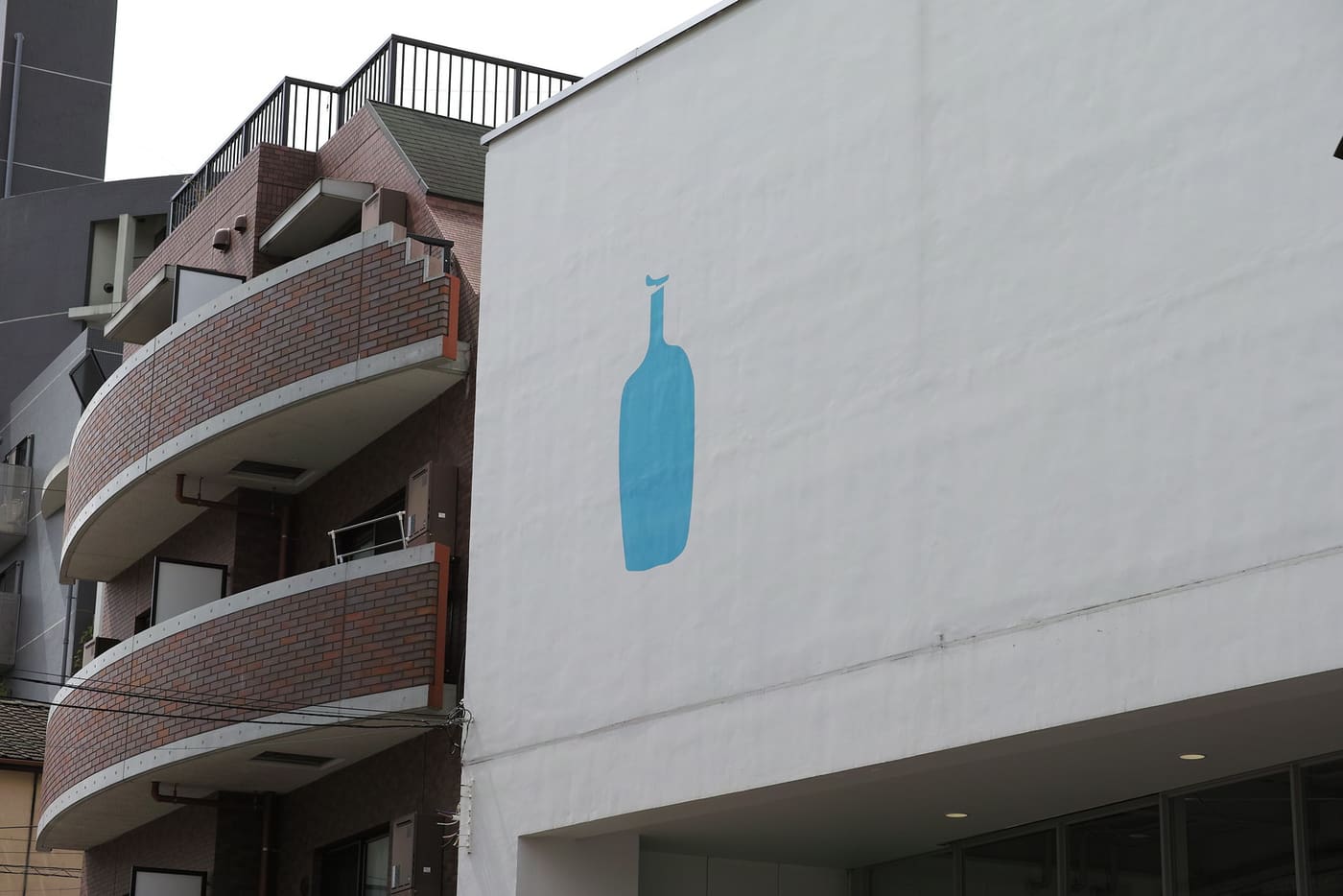
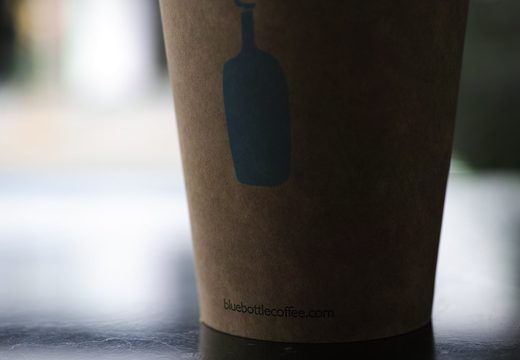
Coffee sets the rhythm. Blue Bottle Coffee Kiyosumi, the chain's first shop outside the United States, opened here in 2015 in a converted warehouse and is still the anchor. Arise Coffee Roasters, a tiny shop opened in 2013 and hung with skateboard decks, roasts around ten single origins and pours them to order. Allpress Espresso fills a converted warehouse with its roastery and a small cafe serving flat whites, open roughly 10am to 5pm on weekdays and from 11am at weekends. Most of the roasters keep daytime hours, so don't plan on an evening coffee. You'll want the morning or early afternoon.
Lunch is fukagawa-meshi, the dish of asari clams and miso over rice that fed the fishermen on this shore, served by several restaurants along the street leading to the Fukagawa Edo Museum. Fukagawa Kamasho is the dedicated one. Order the set, and check the hours before you go. It's closed on Mondays and shuts mid-afternoon on Tuesdays and Thursdays. For the evening, walk fifteen minutes south to Monzen-Nakacho, where Tomioka Hachiman Shrine and a cluster of old izakaya and standing bars keep the east side's drinking culture going.
Where to stay
Kiyosumi-Shirakawa has a handful of small hotels and hostels near the river and the station, and more choice one stop away around Monzen-Nakacho and across the Sumida toward Nihonbashi. The Hanzomon Line runs direct to Otemachi for Tokyo Station, and on to Omotesando and Shibuya, while the Oedo Line loops to Ryogoku, Roppongi and Shinjuku, so you're better connected here than the quiet streets suggest. It suits coffee lovers, repeat visitors and anyone who'd rather have mornings in a garden and evenings in east-side izakaya than the crowds of the big hubs.
How to do it in a day
Start at Blue Bottle Coffee Kiyosumi when it opens, then walk to Kiyosumi Gardens for the stepping stones while it's still early. Pick up your second cup at Arise Coffee Roasters on the way to the Fukagawa Edo Museum and give the reconstructed quarter an hour. Lunch on fukagawa-meshi at Fukagawa Kamasho on the same street. In the afternoon, walk east through the backstreet roasters, stopping at Allpress Espresso before it closes, to the Museum of Contemporary Art Tokyo for the current exhibition. Head back west to the Sumida for the riverside path at dusk, then walk south to Monzen-Nakacho for dinner and a drink near Tomioka Hachiman Shrine.
Nearby neighbourhoods
The best of Kiyosumi
Things to do in Kiyosumi
What's on in Kiyosumi
Local events in the next 30 days, read from the ward, park and organiser pages each one links to.
Fukagawa Shiryokan-dori Scarecrow Contest Festival
On now, until 3 Nov · Fukagawa Shiryokan-dori shopping street
About 190 scarecrows line the Fukagawa Shiryokan-dori shopping street for its 29th scarecrow contest.
Free · Map · Source: Koto City · 深川資料館通りに約190体の“かかし”が集結中!
Fudo ennichi at Fukagawa Fudo-do Festival
The 28th of every month. Next: Wed 28 Oct · Fukagawa Fudo-do (Naritasan Tokyo Betsuin)
On the 28th, its monthly fair day, Fukagawa Fudo-do holds the great goma fire rite with offerings, and 28 December is the last fair of the year.
Free · 8:00 to 18:00 · Map · Source: Fukagawa Fudo-do · 深川不動堂 縁日(28日)
From the blog
Stay in Kiyosumi
Browse live availability and compare prices around the neighbourhood.
Median US$182 a night across 44 listings within 1.2 km for a two-night stay a month out, sampled 29 September 2026. Cheapest quarter under US$145. See the weekly index for every neighbourhood.